
Funchal Historic Architecture: Distinctive Features
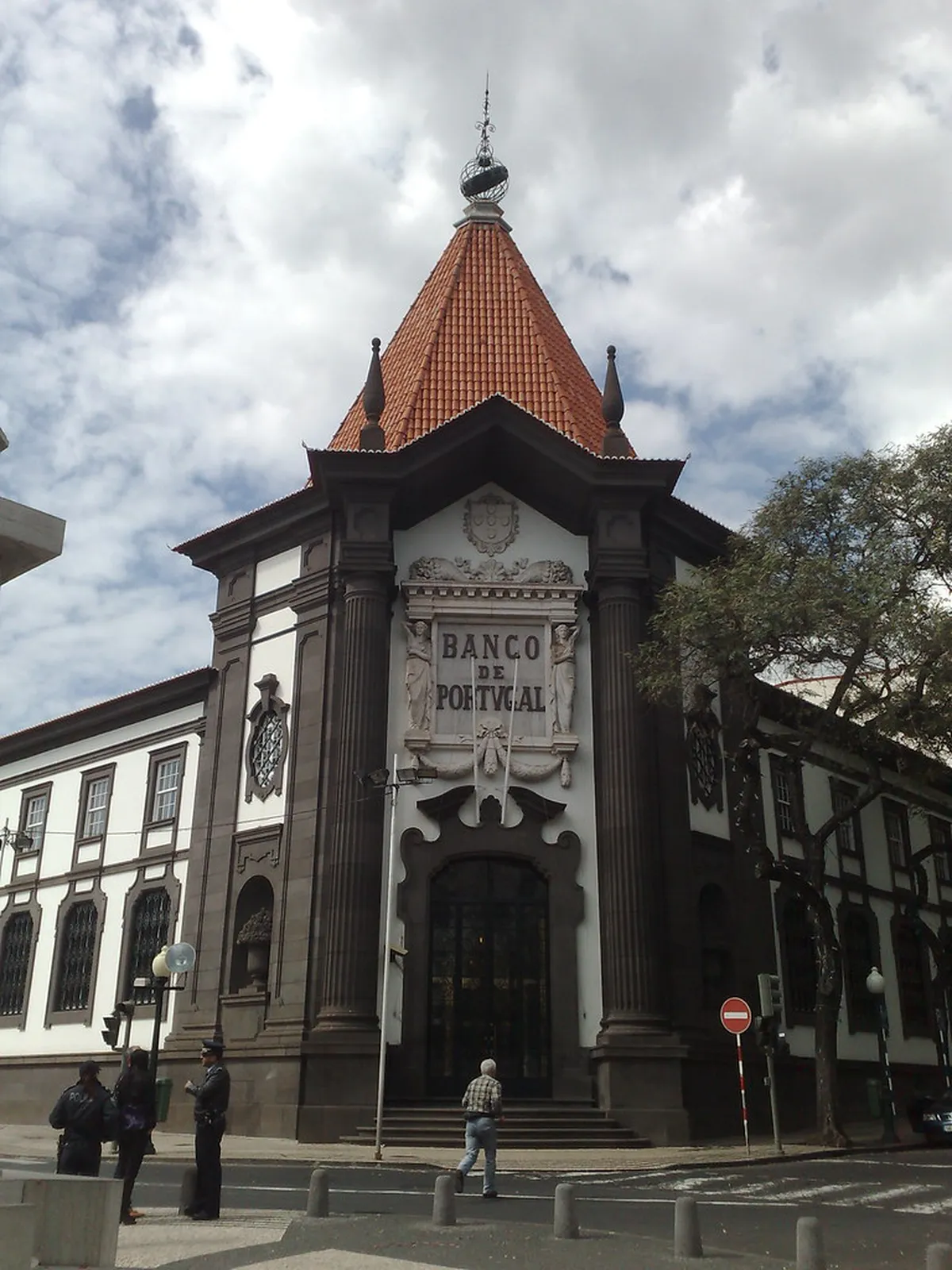
Table of Contents
Funchal, Madeira's charming capital, boasts a rich architectural heritage. Its buildings tell stories of centuries past. Exploring Funchal historic architecture distinctive features reveals unique cultural blends. These styles reflect the island's vibrant history. Prepare for a captivating journey through time.
The city's structures showcase Portuguese, Moorish, and colonial influences. You will find intricate details around every corner. This guide helps you discover Funchal's architectural treasures. Get ready to admire its timeless beauty in 2026.
The Allure of Manueline Architecture in Funchal
Funchal's architecture prominently features Manueline style. This unique Portuguese Gothic style emerged in the 16th century. It blends late Gothic with Renaissance and Moorish elements. The style draws inspiration from Portugal's maritime discoveries.
Key characteristics include nautical motifs. You will see armillary spheres, twisted ropes, and sea creatures. Funchal Cathedral (Sé) is a prime example. Its elaborately carved wooden ceiling is breathtaking. This landmark offers a glimpse into Funchal's rich past.
The Sé Cathedral's construction began in 1493. It showcases a stunning blend of styles. Look for the ornate portals and intricate stone carvings. Visitors can enter most days from 9 AM to 6 PM. Entry is usually free, but check for specific exhibitions.
Manueline architecture represents Funchal's golden age. It symbolizes the city's importance in trade. Many historic churches also display Manueline elements. These buildings are truly distinctive features of Funchal.
Vibrant Azulejos and Elegant Wrought Iron
Azulejos are another hallmark of Funchal historic architecture. These decorative ceramic tiles adorn many buildings. They display vibrant colors and intricate patterns. Portuguese culture widely features these beautiful tiles.
You will find azulejos on church facades and public buildings. Private homes also showcase these charming designs. They often depict historical scenes or geometric motifs. The tiles add immense character to the city's streetscapes.
Wrought iron also plays a significant decorative role. Elegant balconies and intricate gates are common. These metalwork details add a delicate touch. They often feature floral or scroll designs. Stroll through the Old Town (Zona Velha) for excellent examples.
These features are more than just decoration. They provide shade and ventilation. They also speak to the craftsmanship of past eras. Observing them closely reveals Funchal's artistic heritage. These details make the city truly unique.
Traditional Madeiran House Styles and Materials
Traditional Funchal houses boast distinctive characteristics. Many homes feature whitewashed walls and terracotta roofs. They often incorporate local volcanic stone. This material provides durability and a rustic aesthetic.
The typical 'Casa Madeirense' is built for the climate. It often has smaller windows to keep interiors cool. Some houses feature ornate wooden balconies. These traditional designs reflect practical needs and local resources.
Explore charming residential streets for these authentic homes. Many are brightly painted in shades of blue or green. They often feature small, well-tended gardens. Discover more about specific designs in a guide to traditional Funchal house styles.
Understanding these local building methods is fascinating. They show a deep connection to the island's environment. These styles are integral to Funchal's architectural identity. Look for them beyond the main tourist areas.
Colonial Legacy and Grand Estates (Quintas)
Funchal's colonial past heavily influenced its architecture. The city flourished during the sugar cane trade. Wealthy merchants and landowners built grand estates. These estates are known as 'Quintas' in Madeira.
Quintas are typically large properties with elaborate gardens. They often feature neoclassical or baroque elements. Many have impressive facades and spacious interiors. These properties speak of a prosperous era in Funchal's history.
Some Quintas have been converted into hotels or museums. Quinta das Cruzes Museum is a prime example. It showcases decorative arts and archaeological finds. Visiting a Quinta offers a glimpse into aristocratic life. Check specific opening hours and ticket prices for each estate.
These grand structures provide another layer of Funchal's architectural story. They contrast with the more modest traditional homes. Yet, both contribute to the city's unique charm. Seek out these beautiful historical residences.
Discovering Distinctive Features in Zona Velha
The Zona Velha, or Old Town, is an architectural treasure trove. This historic quarter offers a condensed view of Funchal's past. Its narrow, winding streets are perfect for exploration. Every building holds a piece of history.
Rua de Santa Maria is particularly famous. It features the 'Art of Open Doors' project. Artists painted many old doors with vibrant murals. This initiative revitalized the area beautifully. It creates an outdoor art gallery experience.
Wander through the Zona Velha at your own pace. Discover charming cafes and local shops. Notice the diverse building facades. They reflect centuries of architectural evolution. This area truly highlights Funchal historic architecture distinctive features.
Consider a walking tour for deeper insights. Many guides offer tours focusing on architecture. Tours typically last 2-3 hours and cost around €15-€25. Morning visits in 2026 avoid larger crowds. You'll find plenty to photograph here.
Frequently Asked Questions
What makes Funchal historic architecture distinctive?
Funchal's historic architecture is distinctive due to its blend of influences. It combines Manueline, colonial, and traditional Madeiran styles. Unique elements include ornate Manueline carvings and vibrant azulejo tiles. Local volcanic stone also features prominently in construction.
Where can I best see Funchal's traditional architecture?
The best place to see Funchal's traditional architecture is the Zona Velha (Old Town). Rua de Santa Maria offers many examples. Also explore residential streets outside the main tourist areas. Look for charming whitewashed houses.
What is Manueline style in Funchal architecture?
Manueline style is a distinct Portuguese Gothic architectural form. It originated in the early 16th century. In Funchal, it features nautical motifs like twisted ropes. The Sé Cathedral is the prime example. It reflects Portugal's Age of Discovery.
Are there guided tours to explore Funchal's architectural sites in 2026?
Yes, many guided tours focus on Funchal's architectural sites in 2026. You can find walking tours of the Zona Velha. Some tours specifically highlight historic churches and Quintas. Check local tourism offices for current options and booking details.
Funchal's historic architecture offers a compelling narrative. Each building, street, and tile tells a unique story. From Manueline grandeur to humble Madeiran homes, beauty abounds. The city's blend of styles truly sets it apart.
Make sure to explore these distinctive features during your 2026 visit. Discover the rich cultural tapestry woven into every facade. Funchal invites you to delve into its remarkable past. Plan your architectural adventure today.
Key Takeaways
- Funchal's architecture uniquely blends Manueline, colonial, and traditional Madeiran styles.
- Look for intricate details like azulejos (tiles) and wrought iron balconies throughout the city.
- Explore the Zona Velha (Old Town) and visit the Sé Cathedral to experience Funchal's diverse architectural history.
Continue exploring Funchal's historic quarter
 Traditional Funchal Architecture Guide for 2026December 12, 2025
- Funchal Historic Architecture: Distinctive FeaturesDecember 10, 2025
 Guide to Traditional Funchal House StylesDecember 10, 2025
 Discover the Best Bars in Funchal Old Town for 2026December 13, 2025
 Best Photography Spots Funchal Old Town 2026December 13, 2025