
Discover the Ancient Lisbon City Walls History

Table of Contents
Lisbon boasts a remarkably rich past. Its ancient city walls tell centuries of captivating stories. These formidable defenses protected the city from various invaders. Understanding their history greatly enhances any visit.
This guide explores the evolution of Lisbon's fortifications. You will learn about the Roman, Moorish, and Fernandine walls. Prepare to walk through time in 2026 as you discover their enduring legacy. Explore more about these fascinating Lisbon city walls.
The Enduring Roman Walls of Olissipo
Lisbon's oldest defenses date back to Roman times. Around the 1st century BC, Olissipo (Lisbon) began constructing its first walls. These early fortifications served vital protection against threats. They encircled the nascent Roman city.
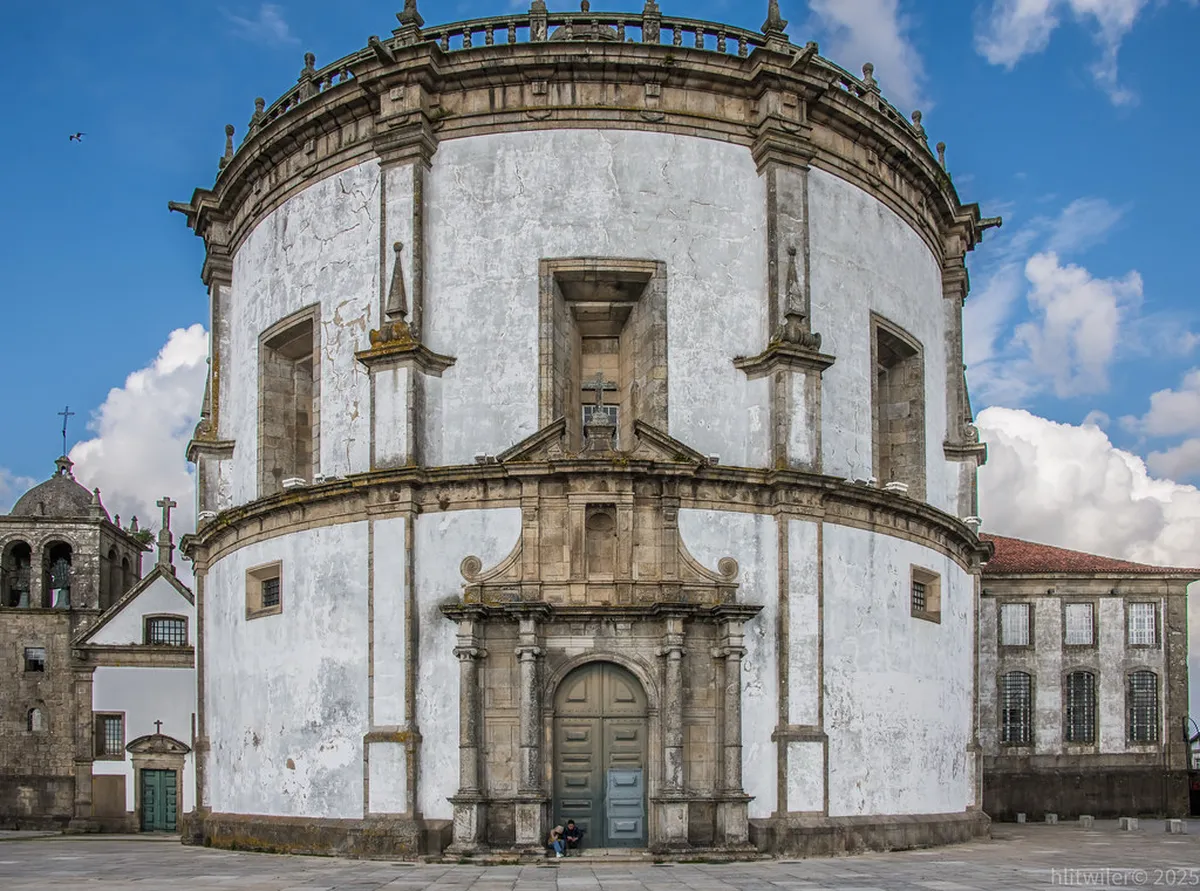
These Roman walls, known as the Cerca Velha, provided robust security. They primarily protected the city's highest points. Sections of these ancient structures are still visible today. They offer a rare glimpse into Lisbon's deep Roman roots.
You can find remnants integrated into later buildings. Some sections are visible in the Baixa district basements. Others appear near the Roman Theatre Museum. Visiting these sites offers a fascinating historical journey.
Moorish Defenses and the Cerca Moura
Following the Roman era, Moorish rule left its mark. From the 8th to the 12th centuries, new walls were built. This defensive perimeter is known as the Cerca Moura. It greatly expanded upon earlier Roman foundations.
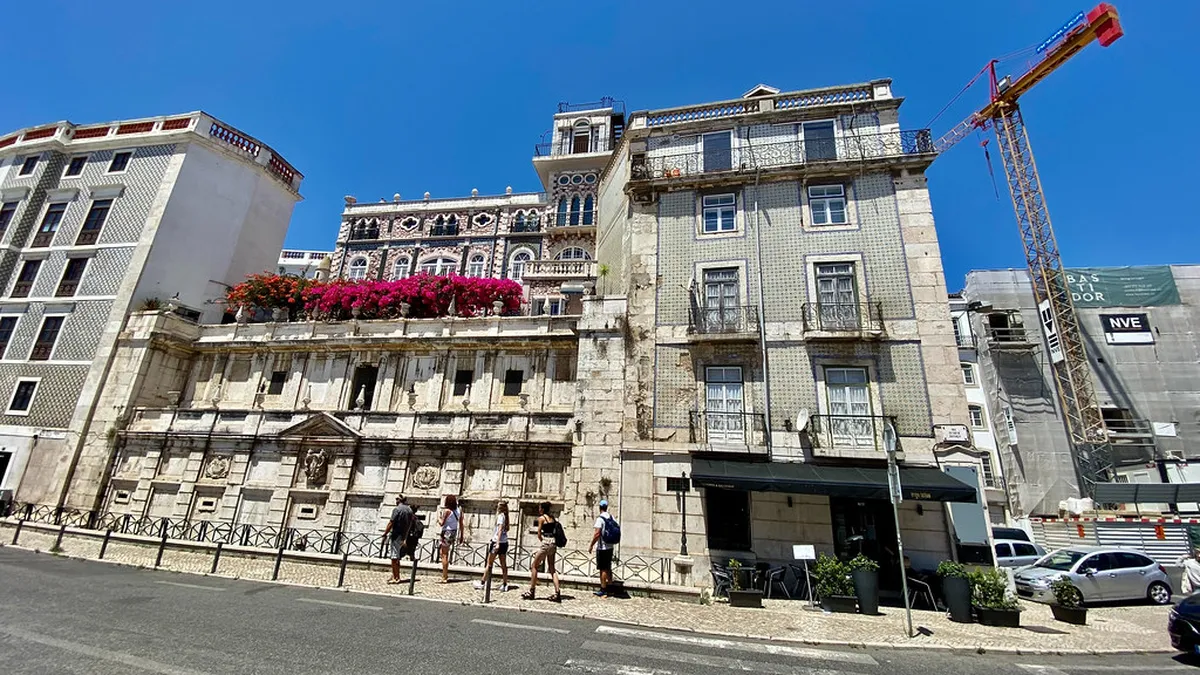
The Cerca Moura protected a larger urban area. It encompassed what is now the Alfama district. This era saw the construction of the formidable Castelo de São Jorge. The castle served as the Moorish citadel.
These walls featured numerous towers and gates. They secured the city from land and sea attacks. Segments of the Moorish walls remain integrated within Alfama. Walking through this historic quarter reveals their sturdy presence.
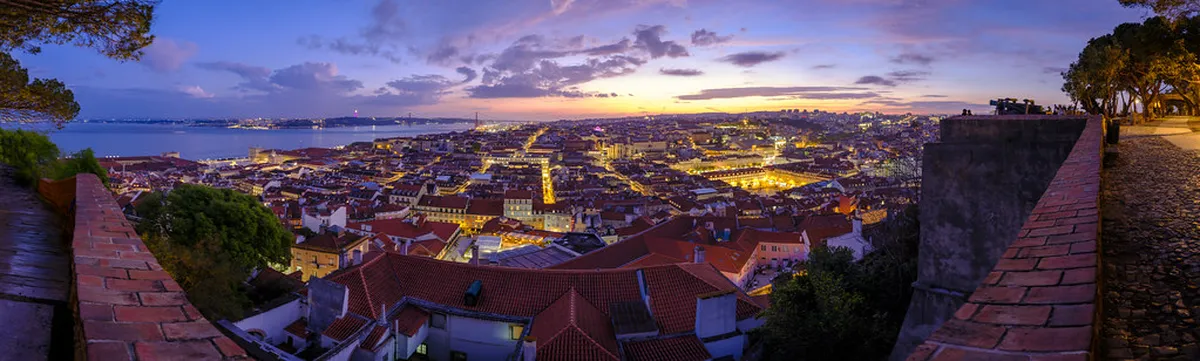
Visitors can explore the castle grounds. This provides excellent views of the remaining wall sections. The castle itself stands as a testament to Moorish engineering. It proudly overlooks modern Lisbon in 2026.
The Mighty Fernandine Walls of Lisbon
Lisbon faced new threats in the 14th century. King Fernando I commissioned a new defensive perimeter. This grand project became known as the Cerca Fernandina. Its construction began in 1373 and finished in just two years.
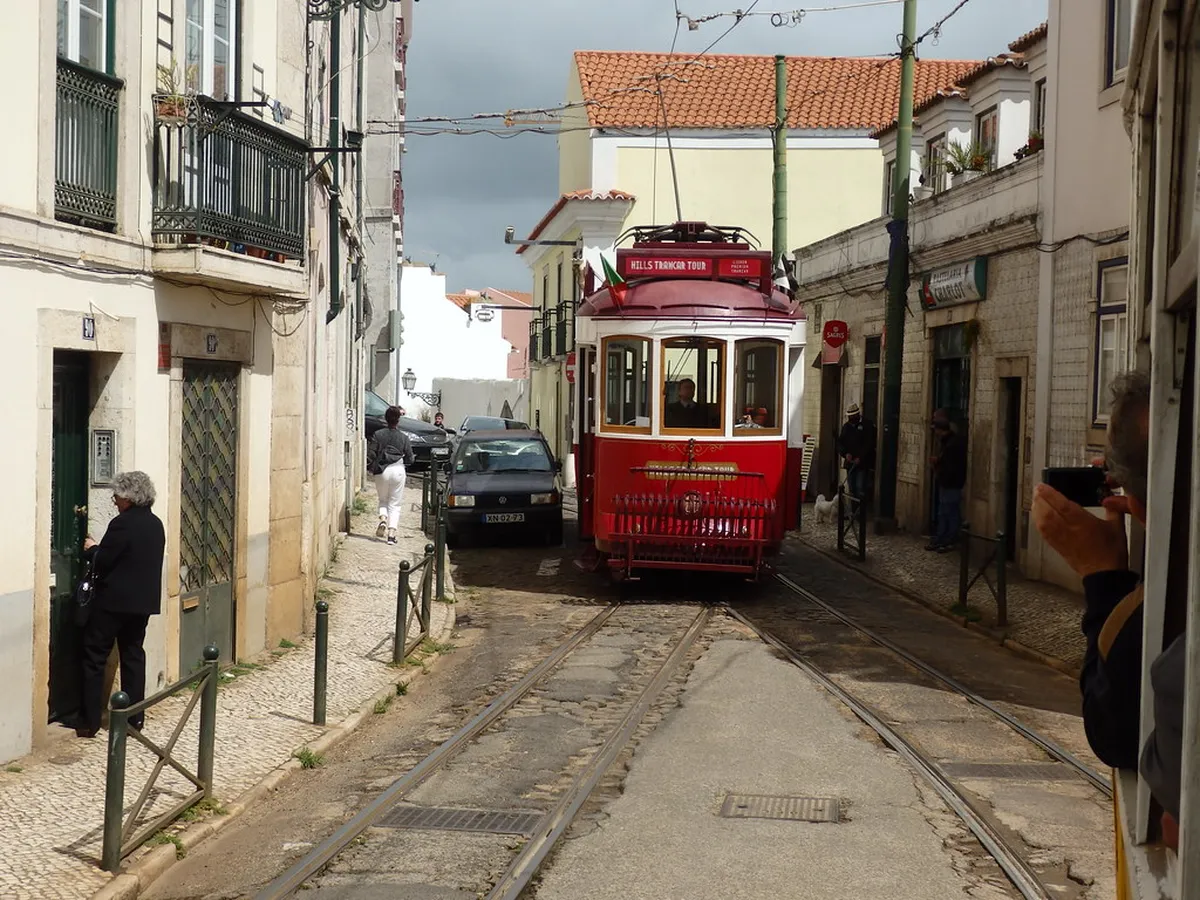
The Fernandine walls were crucial for city defense. They protected Lisbon from Castilian invasions. This new circuit was much larger than the Cerca Moura. It enclosed a significantly expanded urban area.
These walls stretched over 5,000 meters. They featured 77 towers and 38 gates. The Cerca Fernandina represented a massive medieval undertaking. Its scale reflects Lisbon's growing importance.
Today, parts of the Fernandine walls are still visible. You can see sections in the Mouraria and Graça districts. Exploring these areas offers a tangible connection to medieval Lisbon. They showcase the city's resilience.
| Wall Phase | Era | Local Name | Key District / Location | Notable Feature |
|---|---|---|---|---|
| Roman | 1st century BC | Cerca Velha | Baixa district basements; Roman Theatre Museum area | Oldest fortifications; protected the city's highest points |
| Moorish | 8th–12th century | Cerca Moura | Alfama district; Castelo de São Jorge | Expanded urban perimeter; numerous towers and gates |
| Fernandine | 14th century (built 1373) | Cerca Fernandina | Mouraria and Graça districts | Over 5,000 m long; 77 towers and 38 gates |
Discovering Historic Wall Remnants in 2026
Lisbon's ancient walls offer a unique historical journey. You can explore visible sections across the city today. Start your adventure in the Alfama district. Here, Moorish and Fernandine walls merge with residential buildings.
Visit the Castelo de São Jorge for grand perspectives. The castle walls provide stunning panoramic views. This is an excellent spot for photographers. Entrance fees apply for castle access, typically around €10-€15.
Admission to Castelo de São Jorge typically costs €10–€15. The Roman Theatre Museum nearby is much cheaper at around €3 — a worthwhile stop for seeing unearthed Roman wall foundations without the crowds.
Seek out the Roman Theatre Museum area. You might glimpse unearthed Roman wall foundations. Access to the museum costs about €3. These sites offer quiet reflection on Lisbon's origins.
Exploring the Mouraria and Graça neighborhoods also reveals wall fragments. These areas are free to wander. Look for less obvious sections integrated into local homes. Local insights truly enrich these discoveries.
Many wall sections in Alfama, Mouraria, and Graça are seamlessly built into private residences and everyday buildings — they are easy to walk past without noticing. Look for older stone courses at ground level and signage indicating "Cerca Moura" or "Cerca Fernandina" to avoid missing them.
Frequently Asked Questions
What were the primary phases of Lisbon's ancient city walls?
Lisbon's ancient city walls evolved over centuries. They include three main phases of construction. These are the Roman walls, the Moorish walls (Cerca Moura), and the Fernandine walls. Each phase responded to specific historical needs.
Where can visitors see the oldest Roman wall sections in Lisbon?
Visitors can find remnants of Lisbon's oldest Roman walls. Some are beneath the Baixa district. Others are visible near the Roman Theatre Museum. These locations offer a rare glimpse into ancient Olissipo's defenses.
Did the 1755 earthquake destroy Lisbon's ancient walls?
The devastating 1755 Lisbon earthquake significantly damaged many structures. This included parts of the ancient city walls. However, many sections survived and were later integrated into new constructions. The earthquake did not completely destroy them.
Lisbon's ancient city walls stand as silent witnesses to history. They offer a tangible connection to its Roman, Moorish, and medieval past. Exploring these fortifications reveals the city's enduring spirit. Plan your visit to uncover these fascinating layers.
Walk through centuries of defense and resilience in 2026. These walls are not merely ruins. They are integral parts of Lisbon's vibrant identity. Embark on this historical journey soon!
Key Takeaways
- Lisbon's walls evolved through Roman, Moorish, and Fernandine periods.
- Visit Castelo de São Jorge and Alfama for prominent wall remnants.
- The city's ancient defenses reflect centuries of strategic importance.
Continue exploring Lisbon's historic quarter

- Discover the Ancient Lisbon City Walls HistoryDecember 13, 2025
 Walking Ancient Walls Lisbon: A Historic JourneyDecember 13, 2025
 Discover Lisbon City Walls: An Ancient History GuideDecember 12, 2025
 Discovering Lisbon's Ancient Roman Walls in 2026December 12, 2025