
Discover Lisbon City Walls: An Ancient History Guide
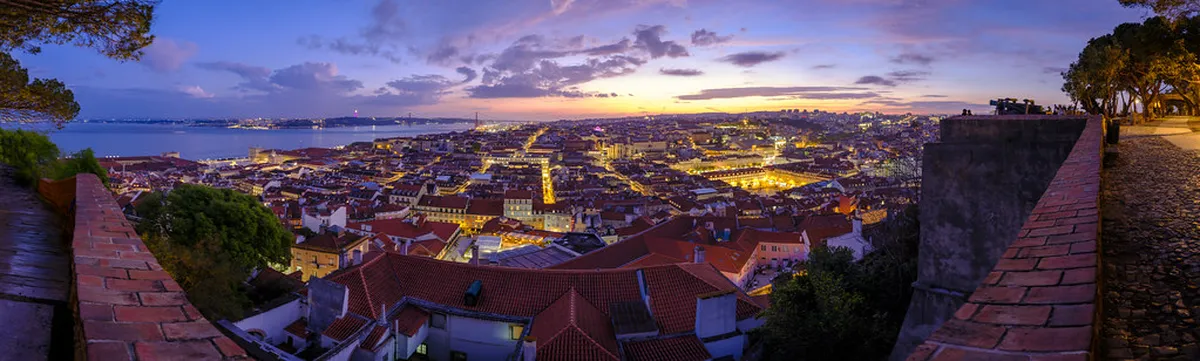
Table of Contents
Lisbon boasts a deep, captivating history. Its ancient city walls tell stories of past sieges and triumphs. Exploring Lisbon city walls offers a unique journey through time. You will discover layers of Roman, Moorish, and medieval heritage.
Walk the paths of kings, conquerors, and ordinary citizens. Uncover hidden sections and grand remnants of defensive structures. Prepare for stunning views and unforgettable historical insights. This guide helps you navigate these historic fortifications in 2026.
Tracing Lisbon's Ancient City Walls Through Time
Lisbon's defensive walls evolved over centuries. Roman fortifications formed the earliest structures. The city's strategic location required strong protection. These ancient walls shaped the early urban layout.
Moorish rule brought significant expansion and reinforcement. The "Cerca Velha" stands as a testament to this era. It protected the citadel and vital areas. Many parts are still visible in Alfama today.
Later, Christian reconquest led to new defenses. King Ferdinand I ordered the construction of a larger wall. This "Cerca Fernandina" encompassed a much wider area. It was built during the 14th century for greater city protection.
Over time, these walls faced many challenges. Earthquakes and urban development altered their course. Today, fragmented sections remain for us to explore. Understanding these changes enriches your historic Lisbon exploration.
Exploring the Moorish Cerca Velha and Castelo de São Jorge
The Cerca Velha represents Lisbon's oldest surviving city wall. It dates back to the Roman and Moorish periods. This inner wall originally encircled the hilltop settlement. Its presence is most felt around Castelo de São Jorge.
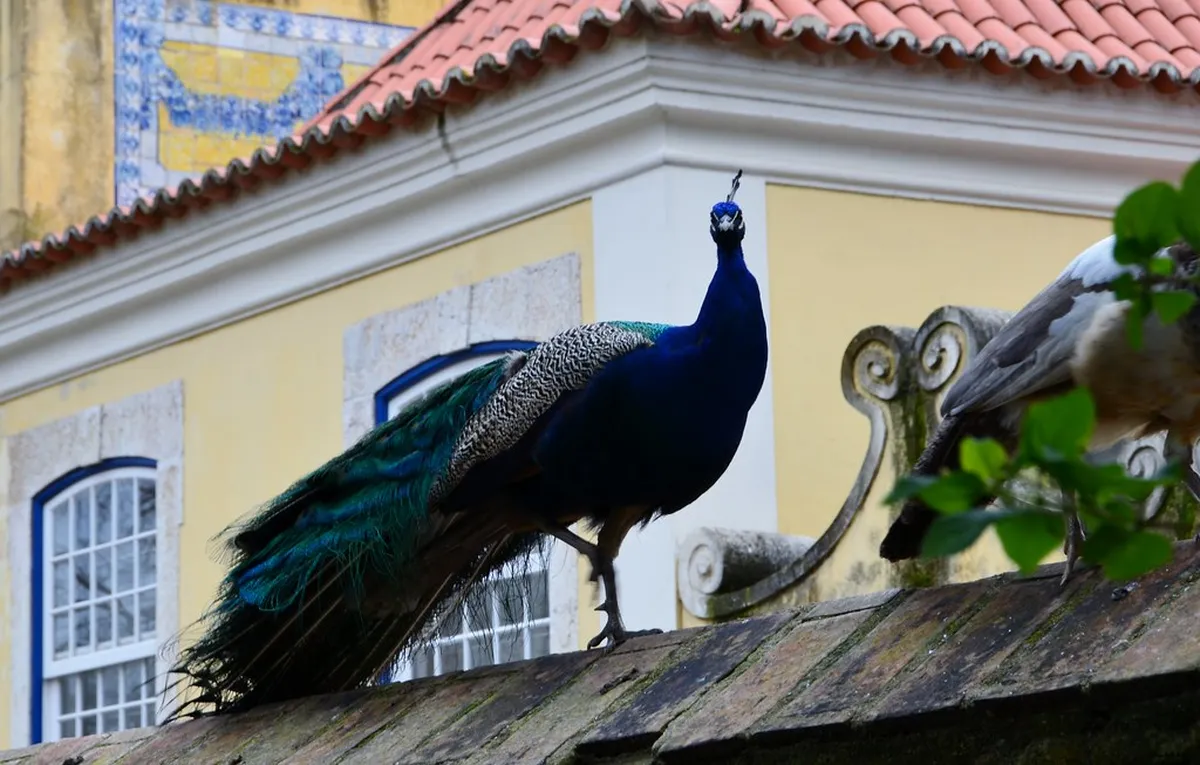
Accessing the castle provides direct interaction with these walls. Walk along the ramparts for incredible panoramic views. You can see across the Tagus River and downtown Lisbon. The castle entry fee is around €15 for adults in 2026.
From the castle, follow the wall's path into Alfama. You will discover remnants integrated into houses and streets. These ancient stones blend seamlessly with modern life. Look for distinct stone work and historical markers.
Guided Alfama walking tours often highlight these sections. They provide fascinating insights into their history. Exploring the Cerca Velha offers a true historical immersion. Plan at least two hours to fully appreciate this area. The castle opens daily from 9:00 AM to 6:00 PM (winter) or 9:00 AM to 9:00 PM (summer).
Castelo de São Jorge entry costs around €15 for adults in 2026. Arrive at opening time (9:00 AM) to explore the ramparts before the crowds build up, especially in summer when the castle stays open until 9:00 PM.
Discovering the Grandeur of the Cerca Fernandina
King Ferdinand I commissioned the Cerca Fernandina in the 14th century. This formidable wall greatly expanded Lisbon's protected area. It enclosed the growing medieval city. Its construction aimed to defend against Castilian invasions.
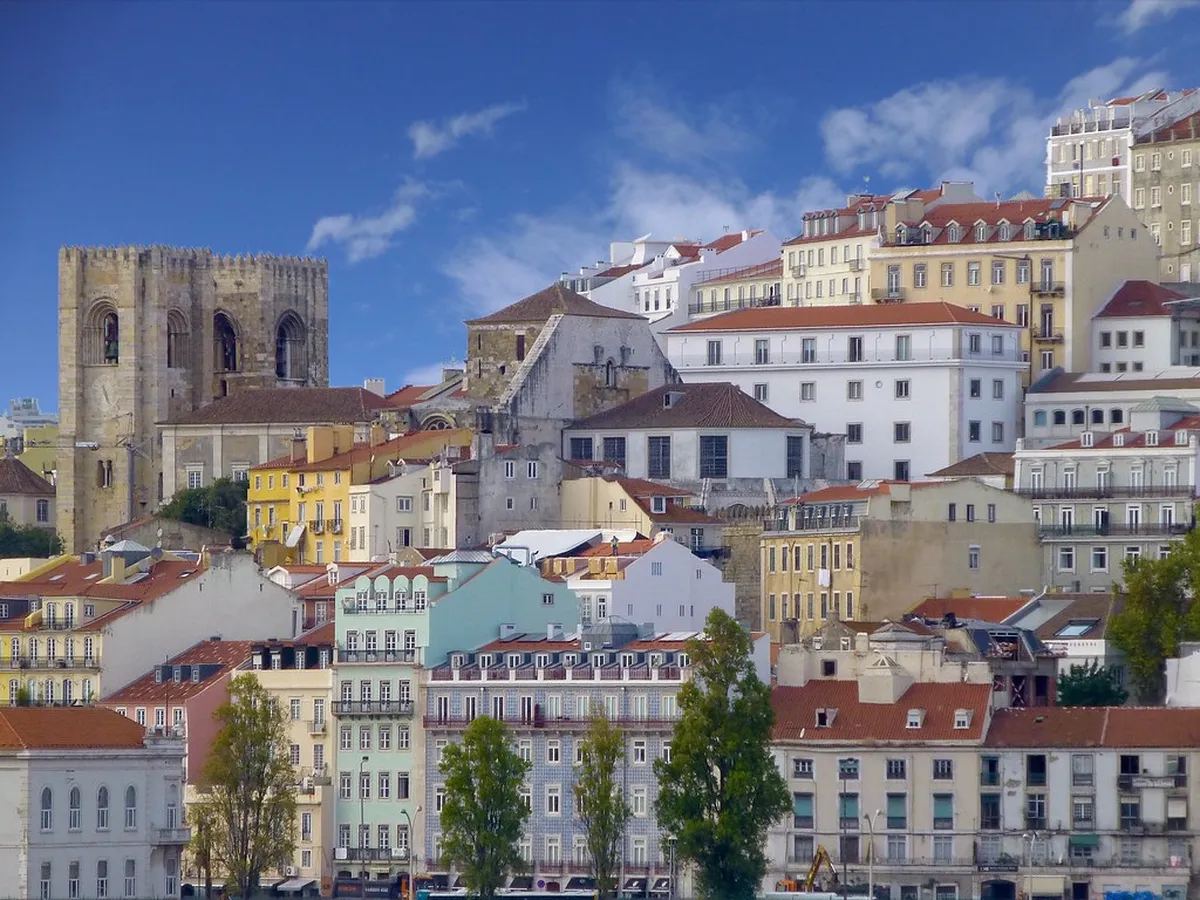
While less complete than the Cerca Velha, significant sections remain. You can find traces in the Baixa and Mouraria districts. Look for tall, sturdy stone walls rising above current buildings. Some sections are integrated into residential structures.
One notable section is near Praça da Figueira. Another part is visible close to Martim Moniz square. These remnants often provide a stark contrast. They stand between modern facades and historic alleyways. A cultural tour of Mouraria's hidden gems may reveal more.
The Cerca Fernandina provides a glimpse into medieval urban planning. Imagine the city entirely enclosed by these strong defenses. Exploring these scattered fragments reveals Lisbon's past grandeur. It showcases the city's continuous resilience throughout history.
| Wall | Period | Best Locations to Visit | Entry | Opening Hours |
|---|---|---|---|---|
| Cerca Velha (Moorish Wall) | Roman / Moorish | Castelo de São Jorge ramparts, Alfama streets, Sé de Lisboa | €15 (castle) | 9:00 AM – 6:00 PM (winter) / 9:00 PM (summer) |
| Cerca Fernandina (Fernandine Wall) | 14th century (medieval) | Praça da Figueira, Martim Moniz, Baixa, Mouraria | Free (street-level) | Accessible at any time |
Key Sites and Tips for Exploring Lisbon City Walls
Several locations offer excellent views or direct access to the walls. The Castelo de São Jorge is undoubtedly the best starting point. Its ramparts provide the most intact wall experience. Allow ample time to explore the castle grounds thoroughly.
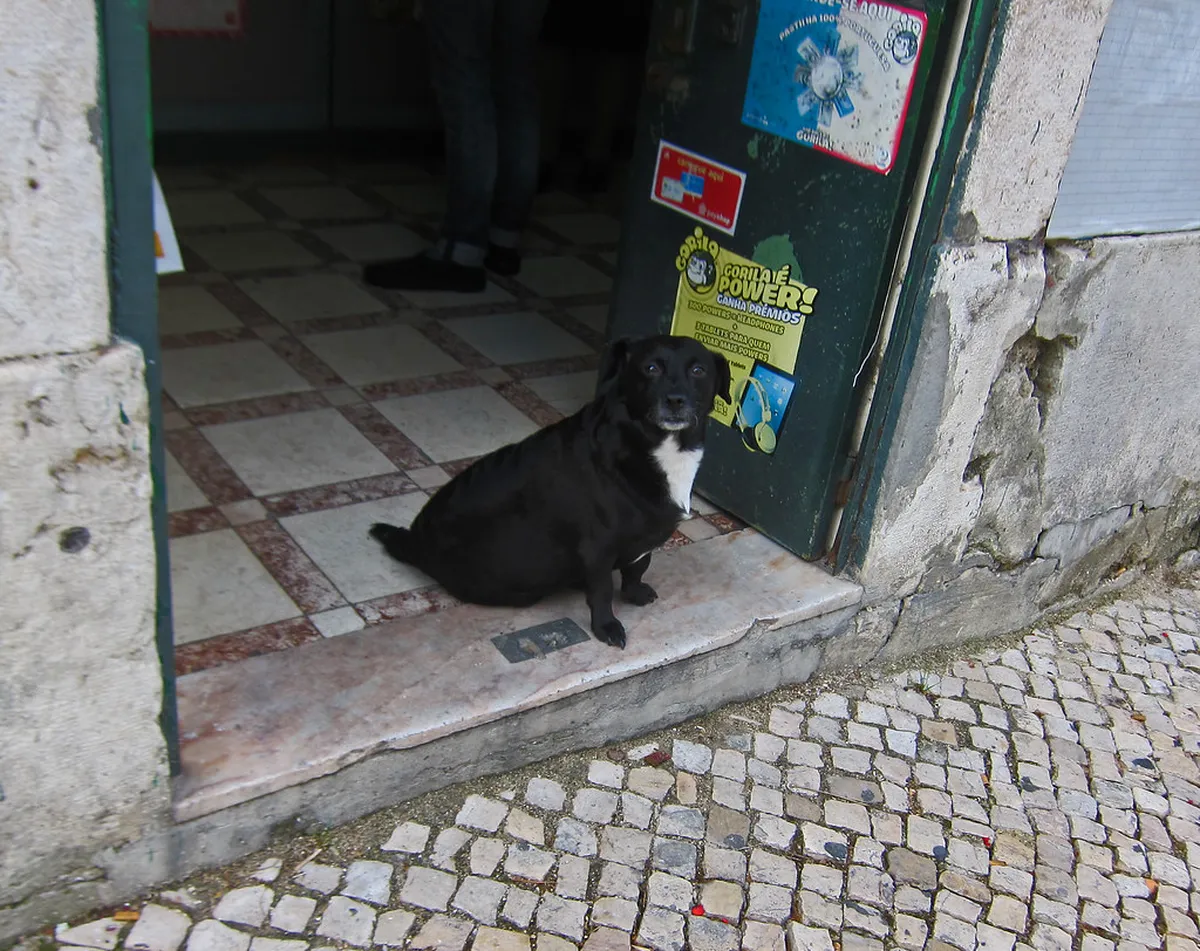
For the Cerca Velha, walk through Alfama's labyrinthine streets. Specific sections are visible near Portas do Sol viewpoint. Also, check around the Cathedral (Sé de Lisboa) area. Parts of the ancient wall form its foundations.
To see the Cerca Fernandina, look for remnants in Baixa and Mouraria. Some are near Rua da Prata or Rua dos Fanqueiros. These sections are less grand but historically significant. They often rise behind modern storefronts or apartment buildings.
Practical Tips for Your Exploration:
- Wear comfortable shoes: Lisbon is very hilly, especially in Alfama.
- Carry water: Stay hydrated, particularly during warmer months.
- Use a map: A detailed map or a good GPS app helps find hidden sections.
- Go early: Avoid crowds, especially at the castle ramparts.
- Consider a guide: A local guide offers deeper historical context and insights.
Lisbon is very hilly, especially in the Alfama district where the Cerca Velha runs. Cobblestone streets can be slippery when wet. Wear sturdy, comfortable shoes — sandals or flat-soled shoes are not recommended for wall-exploration walks.
Frequently Asked Questions
What is the best way to see the ancient Lisbon city walls?
The best way to see the ancient Lisbon city walls is by walking. Start at Castelo de São Jorge for well-preserved sections. Then, wander through the historic Alfama district. Many wall fragments are integrated into buildings there.
Are there guided tours available for Lisbon's old walls?
Yes, many guided tours focus on Lisbon's historical aspects. Several companies offer specialized tours of Alfama. These often highlight the Cerca Velha and its connection to the castle. Check local tour operators for options in 2026.
What happened to most of Lisbon's city walls?
Most of Lisbon's city walls were gradually dismantled or destroyed. Urban expansion led to their removal for new development. The devastating 1755 earthquake also caused significant damage. You can learn more about this at Lisbon's Earthquake History. Today, only fragments remain to tell their story.
Can I walk along the entire length of the Cerca Fernandina?
No, you cannot walk along the entire length of the Cerca Fernandina. Much of this medieval wall has disappeared over time. However, you can explore various scattered remnants. These pieces offer fascinating insights into its original scale. Consult historical maps to trace its former route.
Exploring Lisbon city walls offers a profound historical experience. From Roman foundations to medieval defenses, each stone tells a tale. Discover the Cerca Velha near Castelo de São Jorge. Seek out remnants of the grand Cerca Fernandina. These ancient structures are key to understanding Lisbon’s past. Plan your journey to uncover these remarkable historical treasures today.
Key Takeaways
- Lisbon's city walls reveal layers of Roman, Moorish, and medieval history.
- The Cerca Velha is best seen around Castelo de São Jorge and Alfama.
- Find Cerca Fernandina remnants in Baixa and Mouraria districts.
- Wear comfortable shoes and allow ample time for exploration.
Continue exploring Lisbon's historic quarter

 Discover the Ancient Lisbon City Walls HistoryDecember 13, 2025
 Walking Ancient Walls Lisbon: A Historic JourneyDecember 13, 2025
- Discover Lisbon City Walls: An Ancient History GuideDecember 12, 2025
 Discovering Lisbon's Ancient Roman Walls in 2026December 12, 2025