Baixa Pombaline Architecture History in Lisbon
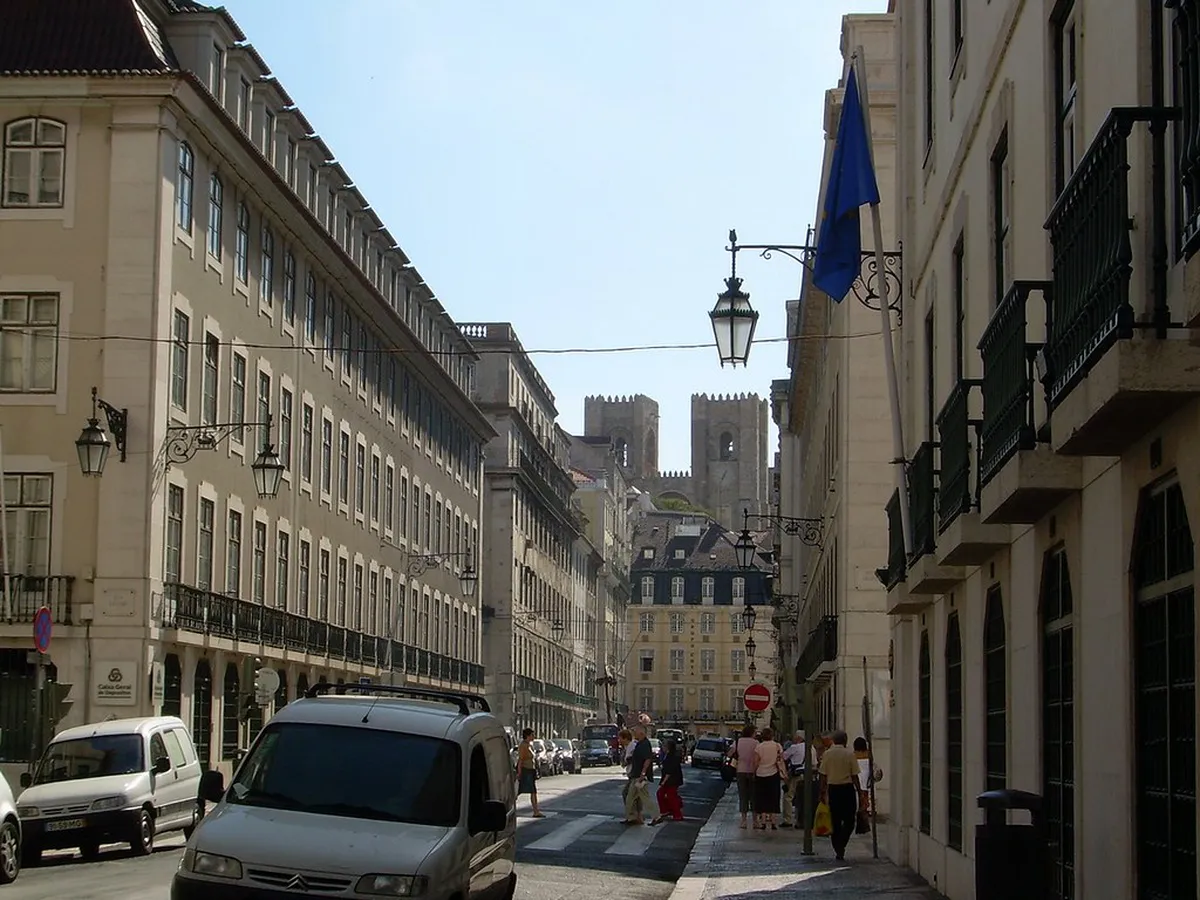
Table of Contents
Lisbon's Baixa district showcases incredible urban resilience. Its unique style, Baixa Pombaline architecture, defines downtown Lisbon. This remarkable design emerged from immense tragedy. It tells a powerful story of renewal and innovation. Explore its fascinating history and enduring legacy.
The Great Lisbon Earthquake of 1755
A catastrophic earthquake struck Lisbon in 1755. This devastating event occurred on November 1, All Saints' Day. It measured an estimated 8.5–9.0 on the moment magnitude scale. The earthquake caused widespread destruction across the city.
Following the earthquake, a massive tsunami hit Lisbon. Fires then raged for days, destroying much of what remained. The central Baixa district was almost completely obliterated. Thousands of lives were tragically lost.
This triple disaster presented an unprecedented challenge. Portugal needed a strong leader to rebuild its capital. The city lay in ruins, demanding urgent action. Learn more about Lisbon's earthquake history and its profound impact.
Marquis of Pombal's Vision for Baixa
Sebastião José de Carvalho e Melo led the reconstruction. He later became the Marquis of Pombal. His vision for Baixa was revolutionary and pragmatic. He aimed to rebuild Lisbon stronger and more efficiently.
Pombal implemented a groundbreaking grid plan. This rational layout replaced the old medieval street patterns. The uniform streets allowed for rapid, organized construction. This new design was a marvel of urban planning for its time.
Engineers developed the 'Pombaline cage' (gaiola pombalina). This early anti-seismic timber frame strengthened buildings. It was ingeniously designed to absorb earthquake shocks. This innovative technique demonstrated remarkable foresight.
Key Features of Pombaline Architecture
Baixa Pombaline architecture features a distinctive style. It is characterized by its neoclassical elements. Buildings possess clean lines and consistent facades. Uniformity and functionality were paramount in their design.
Multi-story buildings line the wide, straight avenues. Shops occupied the ground floors, with residences above. Cast iron balconies and azulejo tiles often adorn the exteriors. These details add elegance to the practical design.
Construction used a modular system. Pre-fabricated elements were brought to the site for assembly. This method sped up the rebuilding process significantly. It was an early example of modern construction techniques.
Iconic Baixa Landmarks to Discover
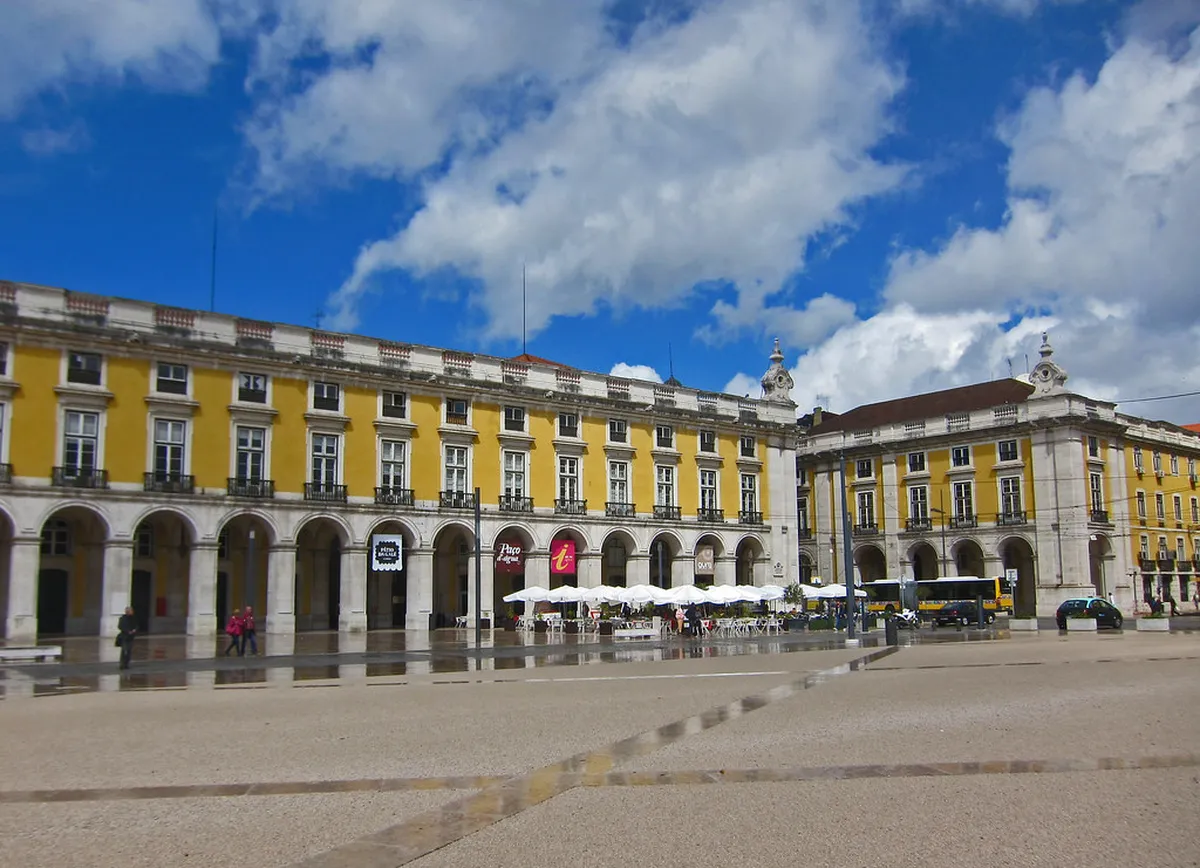
Several landmarks exemplify Baixa Pombaline architecture history Lisbon. The grand Praça do Comércio stands majestically by the Tagus River. Its magnificent arcades frame the square. This plaza serves as a powerful symbol of Lisbon's rebirth.
Rossio Square, or Praça Dom Pedro IV, is another central hub. It features a distinctive wave-patterned mosaic pavement. The Santa Justa Lift connects Baixa to the Bairro Alto district. This iron elevator offers stunning city views.
The Rua Augusta Arch leads into the Praça do Comércio. It celebrates Lisbon's reconstruction and resilience. Walking these streets in 2026 provides a direct connection. You will witness Pombal's vision brought to life.
| Landmark | Location in Baixa | What Makes It Pombaline | Highlight |
|---|---|---|---|
| Praça do Comércio | Tagus riverfront | Arcaded neoclassical facades, part of Pombal's grid plan | Symbol of Lisbon's post-earthquake rebirth |
| Rossio Square (Praça Dom Pedro IV) | Northern end of Baixa | Uniform surrounding buildings, central civic space | Wave-patterned mosaic pavement |
| Rua Augusta Arch | Entry to Praça do Comércio | Triumphal arch commemorating reconstruction | Rooftop terrace with panoramic views |
| Santa Justa Lift | Rua de Santa Justa | Iron structure linking Pombaline Baixa to upper Bairro Alto | City views from the top platform |
| Rua Augusta | Central pedestrian axis | Uniform building heights, consistent neoclassical style | Main shopping and strolling street |
Experiencing Baixa Architecture Today in 2026
Today, exploring the Baixa district is a journey through history. The wide, pedestrian-friendly streets invite leisurely strolls. Notice the architectural harmony and structural innovation. Many buildings still house traditional shops and cafes.
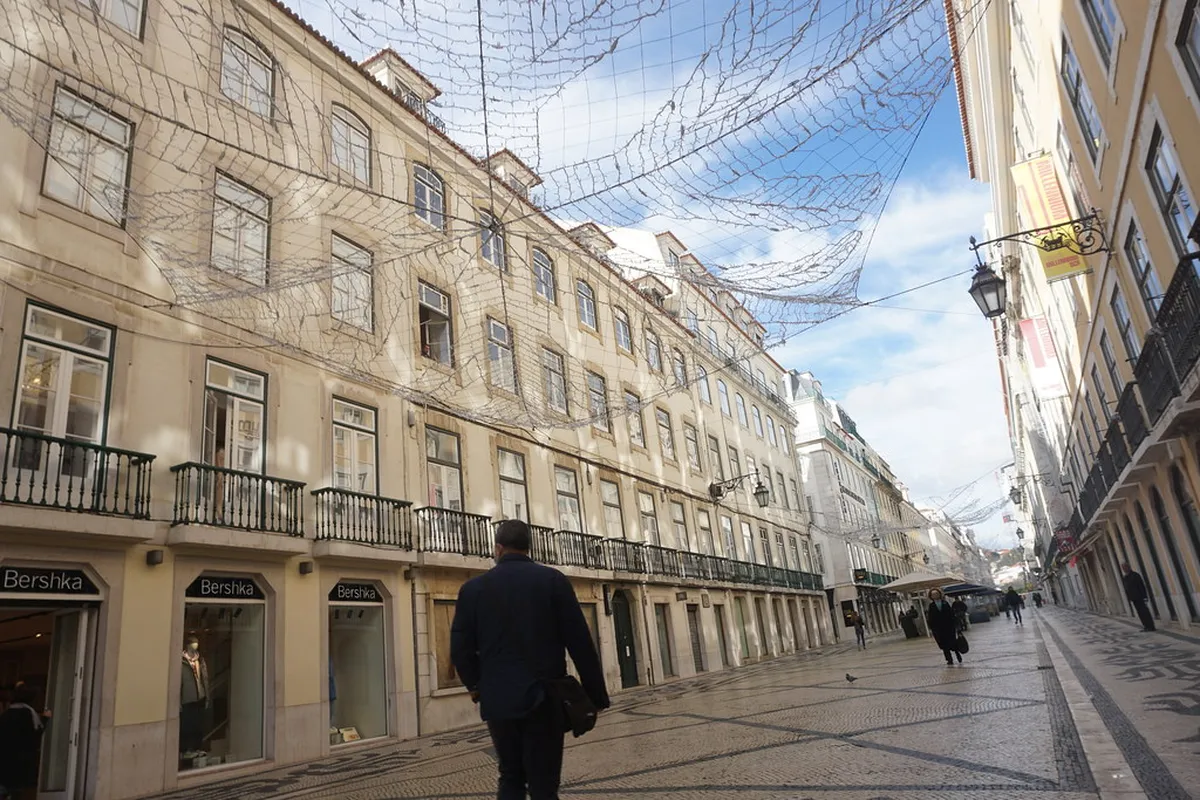
Consider a self-guided walking tour to appreciate the details. Start at Rossio Square and walk towards the Praça do Comércio. Observe the uniform building heights and elegant facades. Pay attention to the consistent street design.
The self-guided walk from Rossio Square south to Praça do Comércio covers about 700 metres along Rua Augusta — Lisbon's main pedestrian boulevard. Allow 1–2 hours to pause at the Rua Augusta Arch and explore the arcaded square by the Tagus at a leisurely pace.
The grid system makes navigation incredibly easy. This area is perfect for admiring Lisbon's planned urban beauty. It remains a bustling commercial and tourist center. You can still feel the historical echoes of its innovative past.
Baixa and Rossio Square are among Lisbon's busiest tourist corridors. Pickpocketing is a known issue on crowded Rua Augusta, especially in peak summer months. Keep bags zipped and valuables out of back pockets when strolling through the district.
Frequently Asked Questions
What makes Baixa Pombaline architecture unique?
Baixa Pombaline architecture is unique due to its innovative anti-seismic design. It incorporates a wooden 'cage' structure within buildings. This revolutionary technique protects against earthquakes. The style also features a rational grid plan and uniform neoclassical facades.
Who was responsible for rebuilding Lisbon after the 1755 earthquake?
Sebastião José de Carvalho e Melo, later the Marquis of Pombal, spearheaded the rebuilding. He was Portugal's Secretary of State for Internal Affairs. His leadership and urban planning vision reshaped the city. The architectural style bears his name.
Can I easily explore Baixa's historic architecture in 2026?
Yes, exploring Baixa's historic architecture is very easy in 2026. The district is largely flat and pedestrian-friendly. Most key landmarks are within walking distance. Consider taking a guided tour to gain deeper insights into the must-see Baixa historic landmarks. Many cafes and shops enhance the experience.
Baixa Pombaline architecture history Lisbon stands as a testament to human resilience. It transformed disaster into an opportunity for innovation. This district offers a unique blend of history, design, and vibrant city life. Plan your visit to discover this remarkable legacy. Explore the heart of Lisbon's enduring spirit.
Key Takeaways
- The Baixa district was rebuilt after the 1755 earthquake using innovative anti-seismic designs.
- Marquis of Pombal's grid plan and modular construction revolutionized urban planning in the 18th century.
- Key landmarks like Praça do Comércio and Rossio Square exemplify the uniform neoclassical style.
Continue exploring Lisbon's historic quarter
- Baixa Pombaline Architecture History in LisbonDecember 13, 2025
 Visiting Praça do Comércio Lisbon: Grand Square GuideDecember 12, 2025
 Discover Baixa: Lisbon's Iconic Historic Sights in 2026December 11, 2025
 Must-See Baixa Historic Landmarks in Lisbon 2026December 11, 2025