Explore Lisbon's Famous Historic Streets in 2026
Table of Contents
Lisbon, a city of hills and vibrant history, invites exploration. Its famous streets in Lisbon historic areas tell ancient tales. From medieval alleys to grand avenues, each path offers unique charm. Prepare to discover the soul of Portugal's capital in 2026.
These cobblestone pathways reveal centuries of culture. They connect various historic neighborhoods, bustling squares, and scenic viewpoints. Walking them is the best way to truly experience Lisbon's magic. Let's explore these iconic thoroughfares together.
Alfama's Enchanting Labyrinths and Fado
Alfama is Lisbon's oldest district. Its narrow, winding streets predate the 1755 earthquake. They form a true medieval labyrinth. Here you will find true authentic Lisbon.
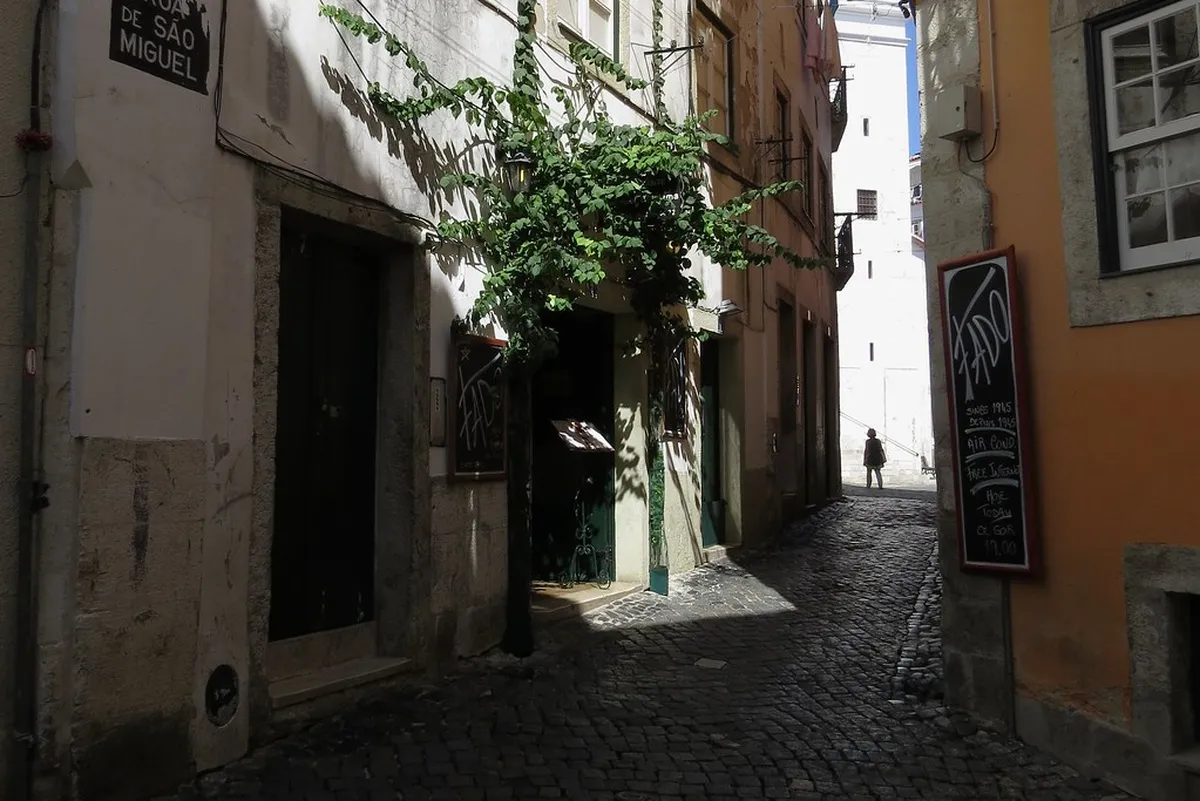
Explore places like Beco das Lavadeiras or Largo das Portas do Sol. These streets offer breathtaking views of the Tagus River. The atmosphere here feels incredibly authentic. Fado music often drifts from open doorways at night.
Visit during the day for peaceful wandering. Return at night for traditional Fado performances. Many small restaurants line these historic alleys. Dining costs are generally affordable, around €15-€25 per person. Consider taking an Alfama walking tour to discover hidden gems.
Getting lost here is part of the experience. Wear comfortable shoes for the steep climbs. The historic Tram 28 also winds through parts of Alfama. It offers a nostalgic ride through ancient streets.
Alfama's steep alleys are best explored during the day for peaceful wandering. Return in the evening for live Fado performances at local restaurants, where a meal with music typically costs €15–€25 per person.
Baixa's Grand Reconstructed Avenues
The Baixa district showcases Lisbon's resilience. It was completely rebuilt after the 1755 earthquake. This area features a grid-like street plan. It remains one of the city's most elegant districts.
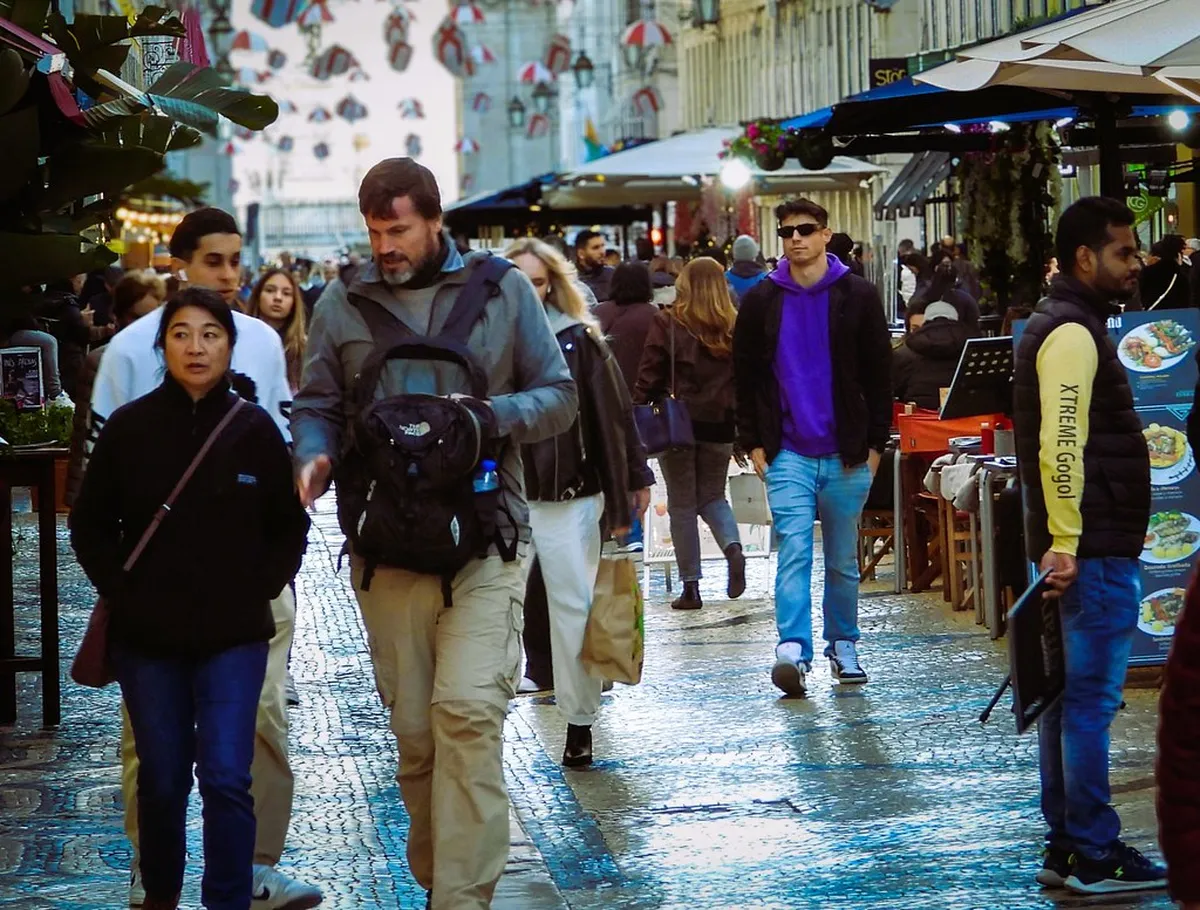
Rua Augusta is the most famous street in Lisbon historic Baixa. It stretches from Praça do Comércio to Rossio Square. This pedestrian street is lined with shops and cafes. Street performers often entertain visitors here.
Nearby, Rua da Prata and Rua do Ouro are also significant. These names reflect the trades once found there. Rua da Prata means 'Silver Street', and Rua do Ouro 'Gold Street'. They are home to many traditional jewelers and craft shops.
Most shops open from 10 AM to 7 PM daily. Exploring Baixa is easy due to its flat terrain. Many of Lisbon's historic sights are just steps away. Enjoy coffee at a sidewalk cafe in 2026.
| District | Famous Street(s) | Best Time to Visit | Typical Cost | Highlight |
|---|---|---|---|---|
| Alfama | Beco das Lavadeiras, Largo das Portas do Sol | Day (sightseeing) / Evening (Fado) | Dinner €15–€25 pp | Medieval labyrinth, Tagus River views |
| Baixa | Rua Augusta, Rua da Prata, Rua do Ouro | 10 AM – 7 PM | Free to walk | Pedestrian avenue, shops & cafes |
| Bairro Alto / Chiado | Rua Garrett | Day (boutiques) / From 9 PM (bars) | Shops 9 AM – 8 PM | Nightlife, street art, historic cafes |
| Mouraria | Rua do Capelão | Evening (Fado shows from 8:30 PM) | Fado show €20–€40 | Birthplace of Fado, multicultural roots |
Bairro Alto and Chiado's Cultural Hubs
Bairro Alto comes alive after dark. Its narrow streets are filled with bars and restaurants. This neighborhood is known for its vibrant nightlife. Expect lively crowds from 9 PM onwards.
During the day, Bairro Alto offers a different charm. You'll find quirky boutiques and street art. It's a great spot for unique shopping. Many viewpoints also provide stunning city panoramas.
Chiado sits adjacent to Bairro Alto. It is Lisbon's elegant and cultural heart. Rua Garrett is its main commercial street. Famous cafes like A Brasileira attract many visitors.
Chiado hosts several historic theaters and bookstores. It offers a sophisticated shopping experience. Stores typically open from 9 AM to 8 PM. It's perfect for a leisurely afternoon stroll in 2026.
Mouraria's Authentic Roots and Fado Heritage
Mouraria is one of Lisbon's most historic districts. It's also one of its most multicultural. This area was once home to the city's Moorish population. Its diverse heritage is still very evident today.
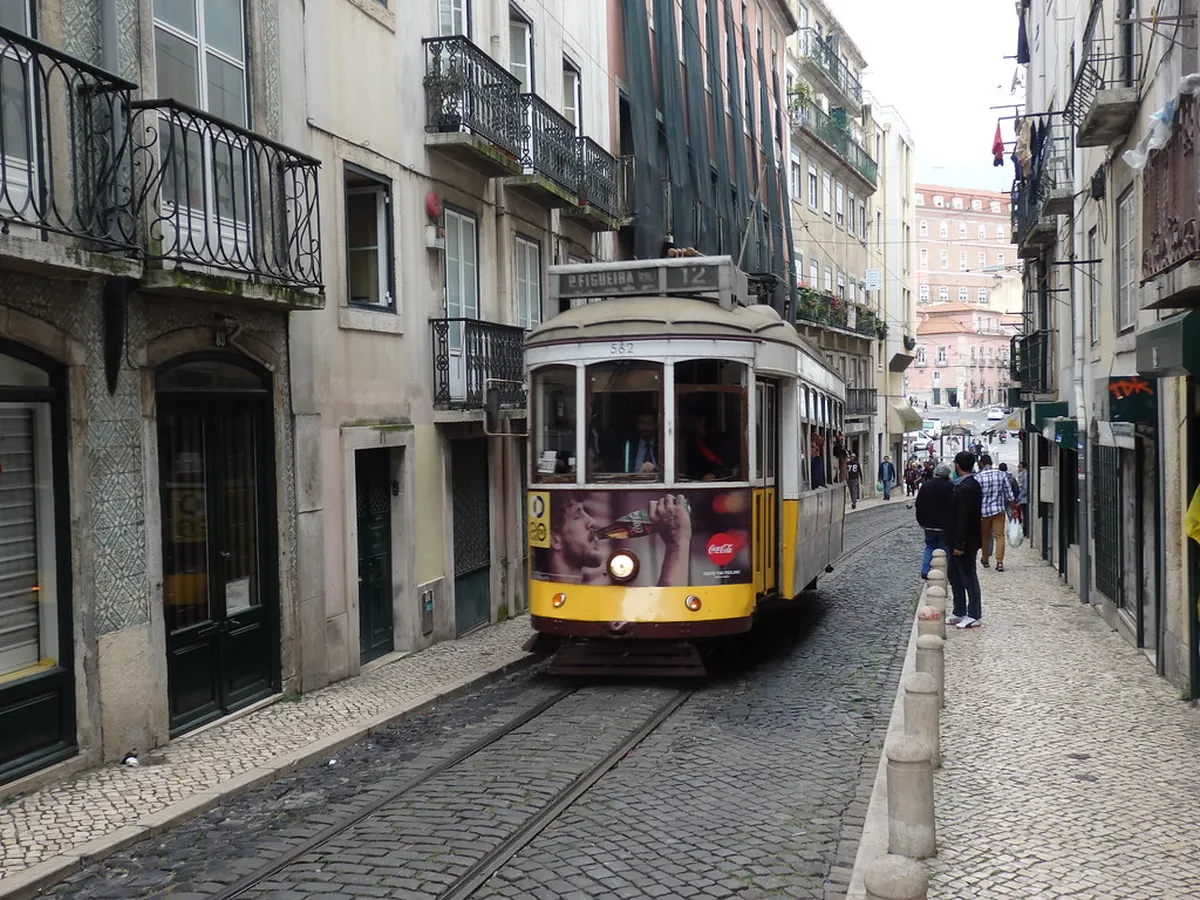
The narrow, winding streets here are full of character. You will discover many small, local businesses. Mouraria is also recognized as the birthplace of Fado music. Many famous Fado singers started their careers here.
Explore Rua do Capelão, a famous Mouraria street. It holds deep Fado history and cultural significance. Look for traditional tavernas offering live Fado. Some shows start around 8:30 PM, costing €20-€40.
Walking through Mouraria offers a glimpse into authentic Lisbon life. Enjoy delicious, affordable local food. Street art adds a modern touch to ancient walls. It is a true hidden gem for visitors.
Timeless Tips for Exploring Lisbon's Streets
Lisbon's streets are best explored on foot. Comfortable walking shoes are absolutely essential. Many areas feature steep hills and cobblestone paths. Taxis and trams can help with longer distances.
Consider purchasing a Viva Viagem card for public transport. This rechargeable card makes travel easy. It costs a few euros initially and can be topped up. It works for metro, buses, and trams in 2026.
Always stay aware of your surroundings, especially in crowded areas. Pickpocketing can occur in popular tourist spots. Keep valuables secure and out of sight. Enjoy the vibrant atmosphere responsibly.
Pickpocketing can occur in popular tourist spots such as Rua Augusta and on Tram 28 through Alfama. Keep valuables secure and out of sight, particularly in crowded areas during peak hours.
Don't be afraid to wander off the main paths. Some of the best discoveries are found in small alleys. Engage with locals and try traditional Portuguese pastries. Lisbon's true charm lies in its unexpected corners.
Frequently Asked Questions
Which historic street in Lisbon is best for Fado music?
Rua do Capelão in Mouraria is renowned for its Fado heritage. You will find several traditional Fado houses there. Alfama also offers many excellent Fado venues. Evening performances are a truly memorable experience.
What are the oldest streets in Lisbon to visit?
The streets of the Alfama district are Lisbon's oldest. They survived the great earthquake of 1755. These narrow, winding alleys retain their medieval layout. Exploring them feels like stepping back in time.
Is Rua Augusta always pedestrianized in Lisbon?
Yes, Rua Augusta in the Baixa district is fully pedestrianized. It is perfect for leisurely walks and shopping. This grand avenue connects major squares. It offers a delightful experience for visitors in 2026.
Lisbon's famous historic streets offer a journey through time. From Alfama's ancient alleys to Baixa's grand avenues, each tells a unique story. Embrace the city's vibrant culture and rich heritage. Plan your unforgettable walking adventure in 2026.
Key Takeaways
- Wear comfortable shoes for Lisbon's hilly, cobblestone streets.
- Explore Alfama for medieval charm and authentic Fado music.
- Discover Baixa's elegant grid plan and Rua Augusta's bustling atmosphere.
Continue exploring Lisbon's historic quarter
 Lisbon Historic Street Names: Uncovering City SecretsDecember 13, 2025
 Lisbon Oldest Street Names History: A Guide for 2026December 13, 2025
- Explore Lisbon's Famous Historic Streets in 2026December 11, 2025
 Decoding Lisbon Historic Street Names: A Guide for 2026December 11, 2025