Lisbon's Historic Churches: A Must-Visit Guide for 2026
Table of Contents
Lisbon, Portugal's capital, boasts a rich religious past. Its ancient churches tell stories of centuries gone by. You can explore stunning architecture and deep spiritual history. Prepare to discover the most historic churches to visit in Lisbon in 2026.
These sacred sites survived earthquakes and political changes. Each church offers a unique glimpse into Portuguese heritage. From grand cathedrals to serene chapels, Lisbon's churches await your visit. Plan your journey through these captivating landmarks.
Lisbon Cathedral (Sé de Lisboa): City's Oldest
The Lisbon Cathedral, known as Sé de Lisboa, stands proudly. It is the city's oldest and most significant church. Construction began in 1147 after the Reconquista. This robust fortress-like structure survived many events.
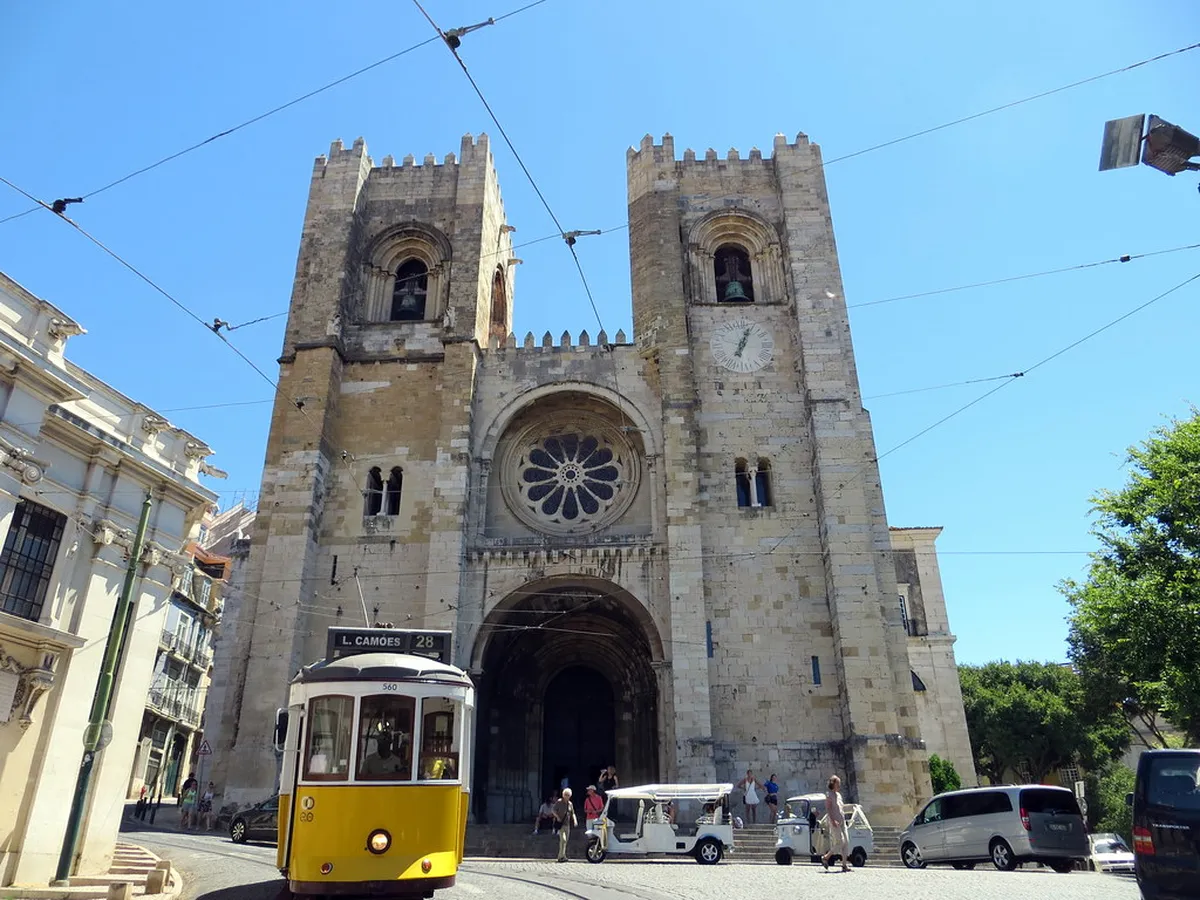
Its architecture blends Romanesque, Gothic, and Baroque styles. Inside, visitors can admire the cloisters and treasury. The Gothic rose window is particularly striking. Experience centuries of history within these ancient walls. Learn more about the Lisbon Cathedral's rich history.
Admission to the cathedral is free for the main area. However, accessing the cloisters and treasury costs around €2.50. The cathedral opens daily from 9:00 AM to 7:00 PM. Always check specific hours for 2026.
It sits in the Alfama district, easily reachable by Tram 28. This area itself offers many charming historical spots. The cathedral provides a wonderful start to your Lisbon church tour. You can combine it with a walk through Alfama's winding streets.
The cathedral underwent significant restoration after the 1755 earthquake. Modern techniques reinforced its ancient structure. This resilience showcases Lisbon's enduring spirit. These historic churches are fundamental to the city's identity.
Igreja de São Roque and its Golden Chapel
The Church of São Roque offers a surprising interior. Its unassuming facade hides incredible riches. This Jesuit church was built during the 16th century. It is located in the Bairro Alto district of Lisbon.
The highlight is the Chapel of St. John the Baptist. It is renowned as one of Europe's most expensive chapels. Crafted in Rome, it was then disassembled and shipped to Lisbon. This chapel features intricate mosaics and precious metals.
The chapel's opulent design includes lapis lazuli and gold. Pope Benedict XIV consecrated it in 1747. It survived the 1755 earthquake without damage. This stunning site is one of the essential historic churches to visit in Lisbon.
Visiting São Roque is free of charge. The church and museum are open Tuesday to Sunday. Hours are generally 10:00 AM to 5:00 PM. Always check for up-to-date timings for 2026 before your visit.
Entry to the main areas of many Lisbon churches — including the Lisbon Cathedral and Igreja de São Roque — is completely free. Budget extra for specific sections: cloisters and treasury at the Sé cost around €2.50, Carmo Convent is about €5.00, and São Vicente de Fora charges around €5.00.
The adjoining museum displays religious artifacts. You can see vestments, chalices, and other treasures. This church provides a stark contrast. It shows modest exteriors hiding opulent grandeur and deep history.
Carmo Convent: A Gothic Ruin after 1755
The Carmo Convent stands as a poignant reminder. It symbolizes the devastating 1755 Lisbon earthquake. This grand Gothic church was once the city's largest. Today, only its magnificent arches remain roofless.
The convent's ruins are hauntingly beautiful. They offer a powerful sense of history. The sky now serves as its ceiling. This site hosts an archaeological museum inside the former altar area.
The museum exhibits artifacts from prehistoric to Roman times. You'll find tombs, mosaics, and Mummified Peruvian children. It's a unique collection under the open sky. Carmo Convent is a significant example among historic churches to visit in Lisbon.
Entry to the Carmo Archaeological Museum costs about €5.00. It opens Monday to Saturday, from 10:00 AM to 6:00 PM. Allow at least an hour to explore the ruins thoroughly. This iconic landmark sits near the Santa Justa Lift.
Walking through Carmo provides a unique experience. You witness the raw power of nature. It teaches about Lisbon's resilience. This site is a must-see for history enthusiasts and photographers alike.
Igreja de Santo António: Saint Anthony's Birthplace
The Church of Santo António holds special significance. It stands on the alleged birthplace of Saint Anthony. He is Lisbon's beloved patron saint. This charming church is very popular with locals.
Its interior is Baroque, rebuilt after the 1755 earthquake. A crypt exists where Saint Anthony was reportedly born. Many devoted followers leave prayer requests here. The church welcomes visitors for quiet reflection.
The annual Feast of Saint Anthony occurs on June 13th. The church becomes a focal point of celebrations. Expect lively parades and traditional festivities. For a deeper dive into sacred history, include this in your list of historic churches to visit in Lisbon.
Access to Igreja de Santo António is free. Donations are always appreciated. It is open daily from morning until early evening. It is conveniently located right next to the Lisbon Cathedral.
Many couples choose this church for their weddings. They seek Saint Anthony's blessing. He is also the patron saint of lost things. This makes the church a site of profound personal importance to many.
Mosteiro de São Vicente de Fora: Royal Pantheon
The Monastery of São Vicente de Fora is another gem. This impressive 17th-century monastery showcases Mannerist architecture. It is one of the most significant historic churches to visit in Lisbon. King Philip I commissioned its construction.
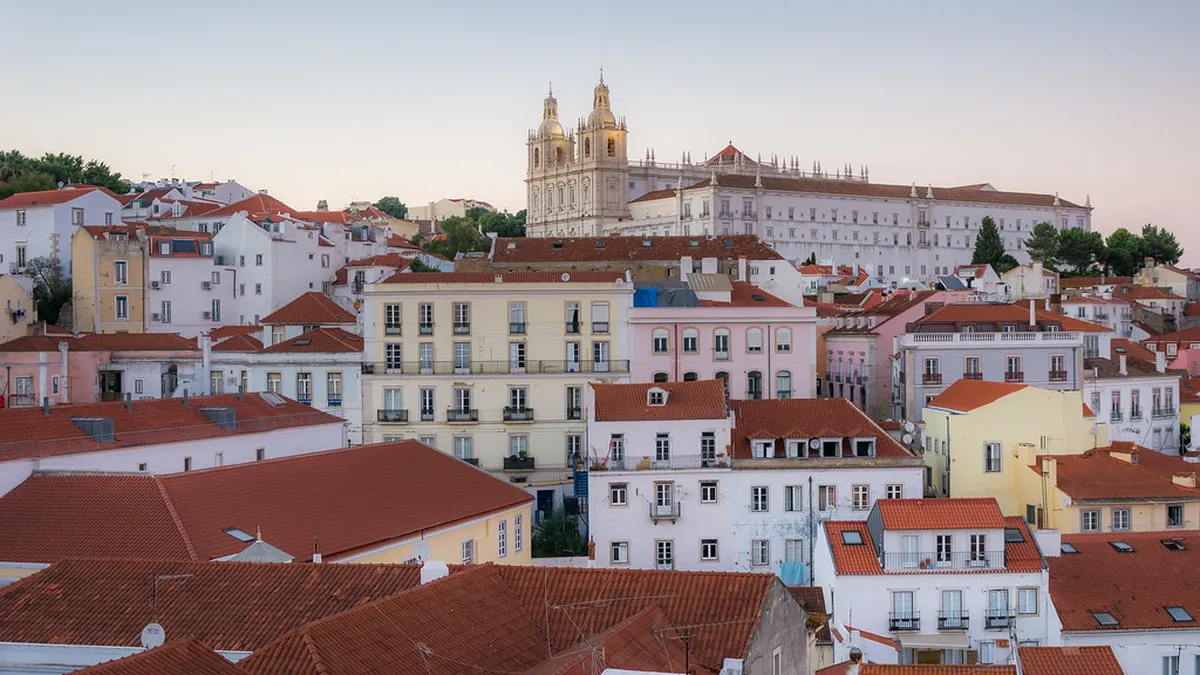
Visitors can explore the grand church and cloister. The monastery houses the royal pantheon. Here, many Portuguese monarchs are interred. The stunning azulejos (tiles) depicting La Fontaine's fables are a highlight.
The views from the rooftop terrace are breathtaking. You can see the Tagus River and Alfama's rooftops. This panoramic vista is well worth the climb. It provides a unique perspective of the city.
Admission to the monastery costs around €5.00. It opens Tuesday to Sunday, generally 10:00 AM to 6:00 PM. Plan at least an hour and a half for your visit. It offers spectacular views of the city from its rooftop.
Located in the Alfama district, it's a short walk from the Lisbon Cathedral. This area is rich in history and charm. Discover more about the oldest churches in Lisbon as you explore.
Exploring Lisbon's Historic Neighborhoods
Beyond individual churches, Lisbon's neighborhoods are key. Each district offers unique historical churches. Exploring them provides a fuller picture. Discover the city's deep cultural and religious fabric.
| Church | District | Admission | Opening Hours |
|---|---|---|---|
| Sé de Lisboa (Cathedral) | Alfama | Free (cloisters/treasury ~€2.50) | Daily 9:00 AM – 7:00 PM |
| Igreja de São Roque | Bairro Alto | Free | Tue–Sun 10:00 AM – 5:00 PM |
| Carmo Convent & Museum | Chiado | ~€5.00 | Mon–Sat 10:00 AM – 6:00 PM |
| Igreja de Santo António | Alfama | Free (donations welcome) | Daily, morning to early evening |
| Mosteiro de São Vicente de Fora | Alfama | ~€5.00 | Tue–Sun 10:00 AM – 6:00 PM |
The Alfama district is especially rich in ancient sites. Narrow, winding streets lead to hidden chapels. São Vicente and Santo António are both found here. This area feels like a step back in time.
Venture into Baixa and Chiado for more grand buildings. You will find churches showcasing different architectural eras. The vibrant historic neighborhoods in Lisbon each tell a unique story. Consider a guided tour to maximize your experience.
Many local guides offer walking tours. They provide insights into church histories. These tours often cover multiple sites. You can learn about their cultural significance and hidden details.
Plan your tour among the best historic churches to visit in Lisbon. This allows for a deeper connection. You will appreciate the resilience and beauty of this ancient city. Each visit enriches your understanding of Portugal.
Frequently Asked Questions
What is the oldest church in Lisbon?
The Lisbon Cathedral, or Sé de Lisboa, is generally considered the oldest. Its construction began in 1147. It has undergone many changes and additions over centuries. The cathedral stands as a symbol of the city's enduring history.
Do I need to pay to enter Lisbon's historic churches?
Entry to the main areas of many churches is free. This includes the Lisbon Cathedral and São Roque. However, some charge for specific sections. These might include cloisters, museums, or treasuries. Always check specific church websites for 2026 pricing details.
How much time should I allocate for visiting Lisbon churches?
For a quick visit, 30-45 minutes per church is usually enough. For deeper exploration, allow an hour or more. Sites like Carmo Convent or São Vicente de Fora might need longer. Plan your itinerary based on your interests.
Are there any dress code requirements for Lisbon churches?
Yes, visitors should dress respectfully. This generally means covering shoulders and knees. This applies to both men and women. It shows respect for these sacred places.
Exploring Lisbon's historic churches offers a profound journey. You will discover incredible architecture and deep spiritual connections. These sites tell the story of a resilient city. Make sure to include them in your 2026 travel plans.
From the grandeur of the Sé to the ruins of Carmo, each church is unique. Plan your visits to learn about Lisbon's vibrant past. Immerse yourself in the captivating history of Portugal's capital. Your spiritual and cultural adventure awaits.
Visitors must dress respectfully at all Lisbon churches — shoulders and knees should be covered for both men and women. Some churches will turn visitors away at the door if they are not dressed appropriately. Carry a light scarf or shawl in your bag as a simple backup.
Key Takeaways
- Lisbon's churches offer diverse architectural styles and rich histories.
- Check specific church opening hours and entrance fees for 2026.
- Dress respectfully when visiting sacred sites.
Continue exploring Lisbon's historic quarter
- Lisbon's Historic Churches: A Must-Visit Guide for 2026December 13, 2025
 Explore Ancient Lisbon Churches: A 2026 Travel GuideDecember 12, 2025
 Explore Lisbon's Oldest Churches: A Historic Journey in 2026December 12, 2025
 Lisbon Cathedral Sé History: A Guide for 2026December 11, 2025