Lisbon Cathedral Sé History: A Guide for 2026
Table of Contents
Discovering Lisbon's past is a captivating journey. The Lisbon Cathedral Sé history stands as a testament to this rich heritage. It is one of the city's most significant religious buildings. This ancient monument offers insights into centuries of Portuguese history. Visiting Sé de Lisboa in 2026 promises a deep cultural experience.
This guide will explore the cathedral's fascinating story. We will cover its construction, transformations, and enduring legacy. Prepare to step back in time. Learn about this resilient symbol of Lisbon.
The Ancient Origins of Lisbon Cathedral Sé
The Lisbon Cathedral, known locally as Sé de Lisboa, dates back to 1147. King Afonso Henriques ordered its construction. This followed the Christian reconquest of Lisbon. It was built upon the ruins of a former mosque. This location had once been a Roman forum.
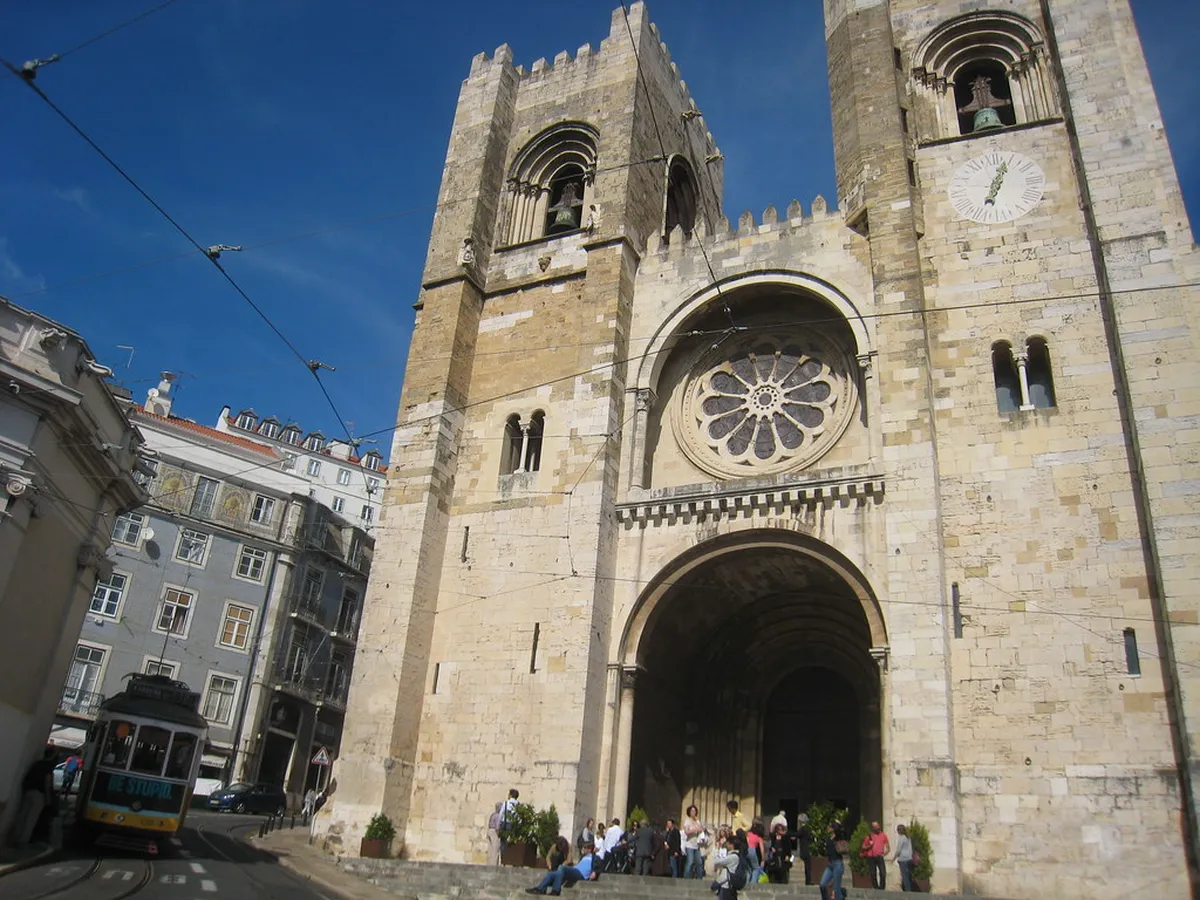
Its initial design was a robust Romanesque fortress-church. This style reflected the defensive needs of the era. The cathedral served as a symbol of Christian victory. It marked a new chapter for the city. Its thick walls stood strong against various challenges.
Archaeological excavations reveal earlier foundations. Roman and Visigothic structures lie beneath the current building. These layers of history show Lisbon's enduring significance. The site has always been a central gathering place. It truly embodies centuries of human presence.
Architectural Evolution: Romanesque to Gothic
The original Sé de Lisboa was predominantly Romanesque. Its imposing facade features twin bell towers. These provide a fortress-like appearance. The interior has a basilica floor plan. Strong pillars and rounded arches characterize this early style.
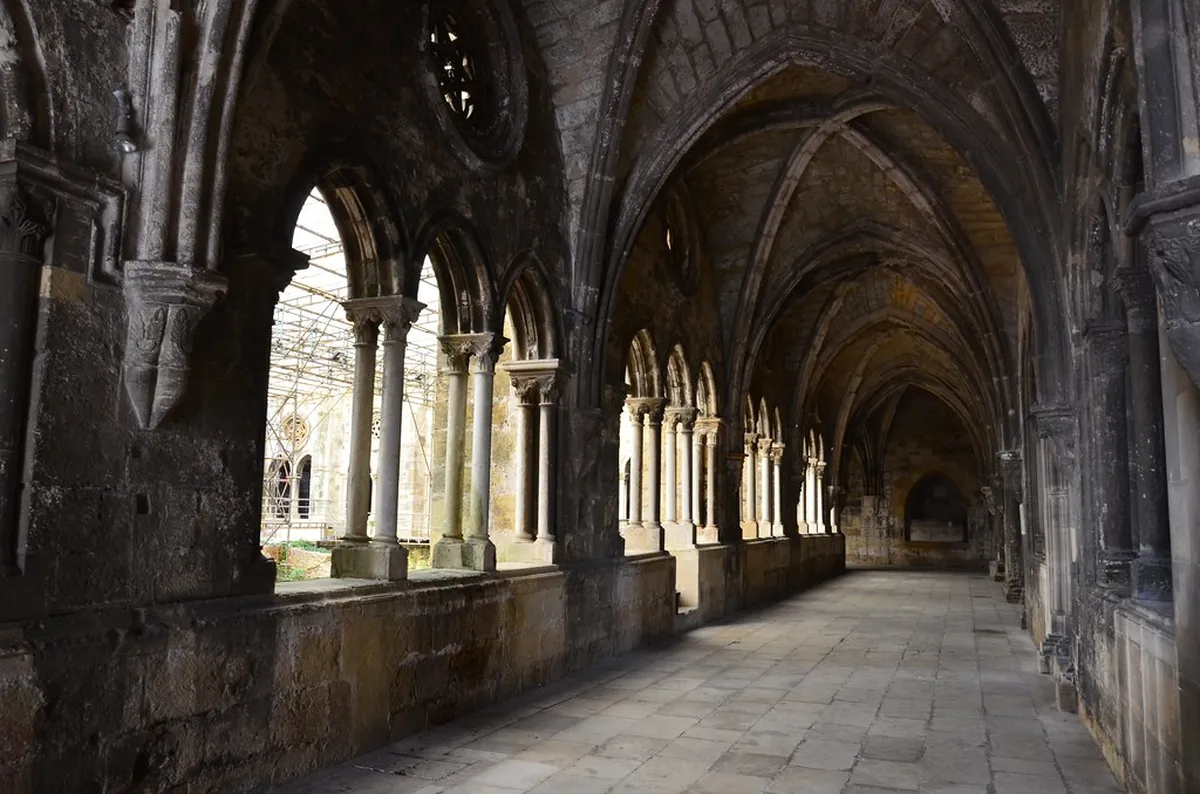
Later centuries brought significant architectural changes. The 13th and 14th centuries introduced Gothic elements. These additions included a beautiful Gothic cloister. The main chapel was also rebuilt in a Gothic style. These changes reflect evolving artistic trends.
Earthquakes greatly impacted the cathedral's structure. The devastating 1755 Lisbon earthquake caused immense damage. Reconstruction efforts aimed to restore its grandeur. They also incorporated Baroque and Neoclassical influences. This blend creates its unique appearance today.
Visitors can observe these different styles. The Romanesque nave contrasts with the Gothic ambulatory. The treasury houses precious religious artifacts. Each section tells a part of the city's architectural journey. Explore the complex layers of its design.
Key Historical Moments for Sé de Lisboa
Lisbon Cathedral Sé history is marked by many dramatic events. It witnessed royal baptisms and coronations. Many significant religious ceremonies took place within its walls. The cathedral has been a continuous spiritual center for the city. It represents resilience through various epochs.
The 1755 earthquake was a pivotal moment. Much of the original structure collapsed. This included the main chapel and royal Pantheon. The reconstruction after the disaster was monumental. It highlighted the importance of this sacred space. Its restoration helped define the city's recovery.
In the 20th century, restoration efforts focused on its medieval roots. Architects removed later additions. They aimed to reveal the original Romanesque design. This ongoing work continues to preserve its heritage. It ensures future generations can appreciate its history.
Today, the cathedral stands as a living museum. It is a symbol of faith and endurance. Many people visit Sé de Lisboa yearly. They come to admire its beauty and historical depth. You can easily include this gem in your ancient Lisbon churches tour. It is a truly unmissable landmark for 2026.
Visiting Lisbon Cathedral Sé in 2026
Planning your visit to Sé de Lisboa is straightforward. The cathedral is located in the historic Alfama district. It is easily accessible by foot or public transport. Tram 28 passes right by its entrance. Consider a guided tour for deeper insights.

The cathedral operates daily for visitors. Admission to the main church is often free. There is a small fee for the cloister and treasury. These areas offer stunning views and priceless artifacts. Check official websites for updated hours and costs for 2026.
Practical Information (2026):
- Location: Largo da Sé, 1100-585 Lisboa, Portugal.
- Opening Hours: Typically 9:00 AM - 7:00 PM (main church). Cloister/Treasury hours may vary.
- Admission: Main church free; cloister/treasury ~€2.50 - €5.00.
- Best Time: Mornings are usually less crowded.
| Area | Admission (2026) | Typical Hours | Highlights |
|---|---|---|---|
| Main Church (Nave) | Free | 9:00 AM – 7:00 PM | Romanesque nave, twin bell towers, main altar |
| Gothic Cloister | ~€2.50 | 10:00 AM – 6:00 PM | Gothic arches, archaeological excavation site |
| Treasury | ~€5.00 | 10:00 AM – 5:00 PM | Religious relics, precious artifacts, medieval art |
Mornings are usually less crowded at Sé de Lisboa. Arriving before 10:00 AM gives you a quieter experience and better light for photos inside the Romanesque nave.
Dress code is strictly enforced at the cathedral. Shoulders and knees must be covered before entering. Lightweight scarves or a spare layer in your bag will save you from being turned away at the door.
Remember to dress respectfully when visiting. Shoulders and knees should be covered. Allow at least one hour to explore the entire complex. This will ensure you fully appreciate its historical significance.
Frequently Asked Questions
What is the historical significance of Lisbon Cathedral Sé?
The Lisbon Cathedral Sé history is very significant. It was built after Lisbon's reconquest in 1147. This symbolized Christian victory over Moorish rule. It stands on ancient Roman and Moorish foundations. The cathedral has endured earthquakes and rebuilding. It represents Lisbon's resilience and long history.
When was the Lisbon Cathedral originally built?
Lisbon Cathedral was originally built in the 12th century. Construction began shortly after 1147. This followed the city's recapture from the Moors. It was built by order of King Afonso Henriques. The initial structure featured a Romanesque design.
Are there any specific parts of Sé de Lisboa worth seeing for history buffs?
Yes, history buffs will find several highlights. Explore the Romanesque nave and Gothic cloister. The archaeological excavations reveal ancient ruins beneath. Don't miss the treasury with its religious relics. Each section offers a glimpse into the cathedral's past.
The Lisbon Cathedral Sé history offers a profound journey through time. From its 12th-century origins to its 2026 appeal, it stands resilient. This iconic landmark embodies Lisbon's spirit. It shows centuries of architectural and historical change. Plan your visit to this remarkable site.
Immerse yourself in Portugal's enduring heritage. Discover the stories etched in its ancient walls. Your exploration of Sé de Lisboa will be unforgettable. It is a truly essential stop for any history enthusiast.
Key Takeaways
- Sé de Lisboa was built in 1147 on former mosque ruins.
- Its architecture blends Romanesque, Gothic, and Baroque styles.
- The cathedral symbolizes Lisbon's resilience against earthquakes and time.
Continue exploring Lisbon's historic quarter
 Lisbon's Historic Churches: A Must-Visit Guide for 2026December 13, 2025
 Explore Ancient Lisbon Churches: A 2026 Travel GuideDecember 12, 2025
 Explore Lisbon's Oldest Churches: A Historic Journey in 2026December 12, 2025
- Lisbon Cathedral Sé History: A Guide for 2026December 11, 2025