Explore Lisbon's Historic Fountains in 2026
Table of Contents
Lisbon boasts a rich tapestry of history. Many charming historic fountains adorn its beautiful streets. These ancient water sources tell stories of the city's past. They offered essential public water for centuries. This guide explores the most notable historic fountains to see in Lisbon in 2026.
Visiting these fountains provides a unique cultural experience. You can admire their intricate designs and learn about their significance. Prepare to uncover hidden gems throughout Lisbon's historic neighborhoods. Each fountain offers a glimpse into local life.
Tracing Lisbon's Ancient Water System
Lisbon's water history is fascinating. Public fountains were vital for daily life. They provided fresh water before modern plumbing. Many were connected to aqueducts like Águas Livres. You can still see elements of this old system today.
These fountains served as meeting points. They were central to neighborhood communities. Locals gathered for water and conversation. Exploring them offers a unique historical perspective. Learn more about Lisbon's ancient water sources here.
Many fountains survived the 1755 earthquake. Their resilience is a testament to their construction. Look for carved dates on their stone facades. These markings reveal their age and significance. Some date back to Roman or Moorish times.
Fountains of Baixa and Rossio Square
The Baixa district features several prominent fountains. The area was rebuilt after the 1755 earthquake. Marquês de Pombal designed a grid-like layout. Fountains were integrated into this new urban plan.
One notable example is the Chafariz do Carmo. It stands proudly near the Carmo Convent ruins. This elegant fountain was crucial for local residents. Its intricate details are worth admiring closely. It dates back to the 18th century.
Rossio Square itself hosts two grand fountains. These twin Baroque fountains are iconic landmarks. They were added in the 19th century. They feature mythical figures and lush vegetation. They offer a tranquil spot amidst the bustling square.
Practical Information:
- Chafariz do Carmo: Largo do Carmo, 1200-092 Lisboa. Always accessible. Free to visit.
- Rossio Fountains: Praça Dom Pedro IV, 1100-200 Lisboa. Always accessible. Free to visit.
Alfama's Charming Historic Fountains
Alfama, Lisbon's oldest district, is full of surprises. Its narrow, winding streets hide many historic treasures. Several small fountains dot this ancient neighborhood. They once provided water to its residents.
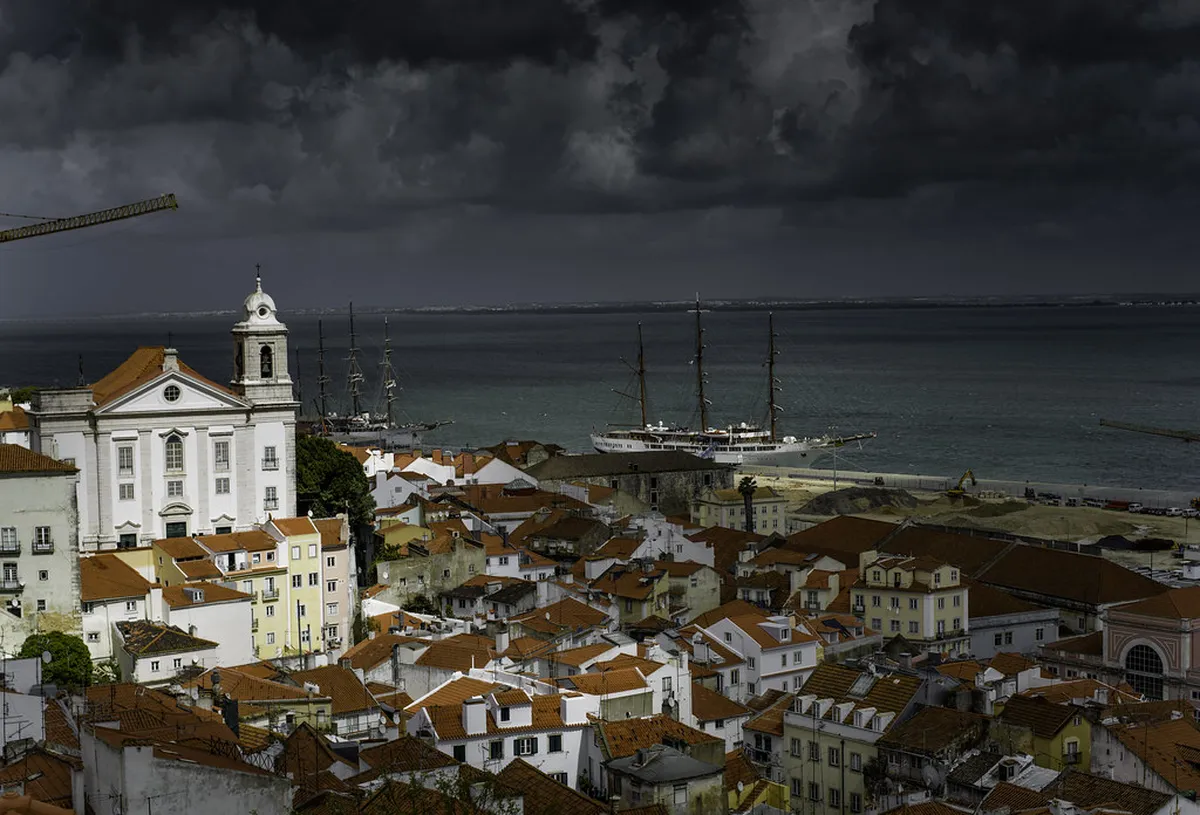
The Chafariz de Dentro is a beloved Alfama landmark. It sits near the Santa Luzia Viewpoint. This fountain has served the community for centuries. Its simple design blends seamlessly with the surroundings. It's a perfect spot for photos.
Another quaint fountain is found at Largo de São Rafael. These smaller fountains connect you to local life. Imagine daily routines centered around fetching water. Walking through Alfama reveals these historical necessities.
Local Tip: Many fountains in Alfama are still active. You can often refill your water bottle there. Always check the water quality first if unsure. Most are safe for drinking, especially in 2026.
Not all historic fountains in Lisbon display potability signs. If there is no "água potável" sign, do not drink from the fountain — use bottled water instead to stay safe.
Discovering Lesser-Known Water Sources
Beyond the famous sites, Lisbon holds other gems. Many smaller, equally historic fountains exist. Seek out fountains in less touristy areas. They offer an authentic glimpse into Lisbon's past. Venture slightly off the beaten path.

The Chafariz da Esperança is one such example. It is located in the Madragoa district. This 18th-century fountain supplied water to fishermen. Its design is less ornate but equally significant. It reflects the local working-class history.
Consider exploring the Graça neighborhood. You will find charming, historic water points there. These often feature simple stone designs. They reveal the practical side of Lisbon's infrastructure. Each tells a unique story.
| Fountain | District | Address / Square | Entry Cost |
|---|---|---|---|
| Rossio Fountains | Baixa | Praça Dom Pedro IV | Free |
| Chafariz do Carmo | Baixa / Chiado | Largo do Carmo | Free |
| Chafariz de Dentro | Alfama | Near Santa Luzia Viewpoint | Free |
| Largo de São Rafael Fountain | Alfama | Largo de São Rafael | Free |
| Chafariz da Esperança | Madragoa | Madragoa district | Free |
Planning Your Fountain-Hopping Tour in 2026
Exploring Lisbon's fountains is a delightful activity. It offers a fresh perspective on the city. Plan your route to include various districts. You can combine fountain visits with other sightseeing. Wear comfortable walking shoes.
Start in Baixa for the grander structures. Then, wander into Alfama's winding alleys. Consider a guided walking tour for deeper insights. Many guides specialize in Lisbon's history. They can share fascinating stories.
The best time to visit is during spring or autumn 2026. The weather is mild and pleasant. Fewer crowds make for a more relaxed experience. Bring a reusable water bottle. You can refill it at some of the active public fountains.
Spring and autumn are the best seasons to explore Lisbon's fountains. Mild temperatures and smaller crowds make walking between Baixa, Alfama, and Madragoa far more comfortable than in peak summer heat.
Frequently Asked Questions
Are Lisbon's historic fountains still working?
Yes, many historic fountains in Lisbon remain active. They provide fresh water for residents and visitors. Always check for signs indicating potability. Most public drinking fountains are safe in 2026.
Which historic district has the most fountains?
The Alfama district, being very old, has many small historic fountains. Baixa also features prominent ones in its main squares. Exploring Lisbon's historic neighborhoods is the best way to find them.
Can I drink water from public fountains in Lisbon?
Many public fountains offer safe drinking water. Look for specific signage indicating "água potável." If no sign is present, it's safer to avoid drinking it. When in doubt, purchase bottled water.
Lisbon's historic fountains offer a window into its past. They are more than mere decorations. They represent centuries of daily life and public utility. Make sure to include them in your 2026 travel plans. Explore these beautiful and significant landmarks.
Discover the beauty and history embedded in each stone. These water sources tell compelling stories. Embark on your own fountain adventure soon. You will surely gain a deeper appreciation for Lisbon.
Key Takeaways
- Lisbon's historic fountains are integral to its rich history and daily life.
- Visit fountains in Baixa and Alfama for grand designs and quaint local charm.
- Many public fountains are still active and provide drinking water.
- Combine fountain visits with walking tours for a comprehensive cultural experience.
Continue exploring Lisbon's historic quarter
 Discover Lisbon's Ancient Water Sources: A GuideDecember 11, 2025
 Lisbon's Historic Fountains & Wells: A Timeless Water JourneyDecember 11, 2025
- Explore Lisbon's Historic Fountains in 2026December 10, 2025
 Uncovering Lisbon Old Public Wells HistoryDecember 10, 2025