Discover Lisbon's Ancient Water Sources: A Guide

Table of Contents
Lisbon, a city of seven hills, holds a rich history. Its ancient water sources tell fascinating tales. These systems once supplied vital fresh water. Exploring them offers a unique glimpse into the past. This 2026 guide helps you uncover Lisbon's ancient water sources.
You will discover impressive aqueducts and beautiful historic fountains. Learn about the ingenuity behind these crucial structures. They shaped the city's development over centuries. Prepare for an enriching journey through Lisbon's hydraulic heritage.
The Grand Aqueduto das Águas Livres
The Aqueduto das Águas Livres is an 18th-century marvel. It is one of Lisbon's most iconic ancient water sources. This magnificent aqueduct spans 18 kilometers. Its goal was to bring fresh water to the city. The structure survived the devastating 1755 earthquake.
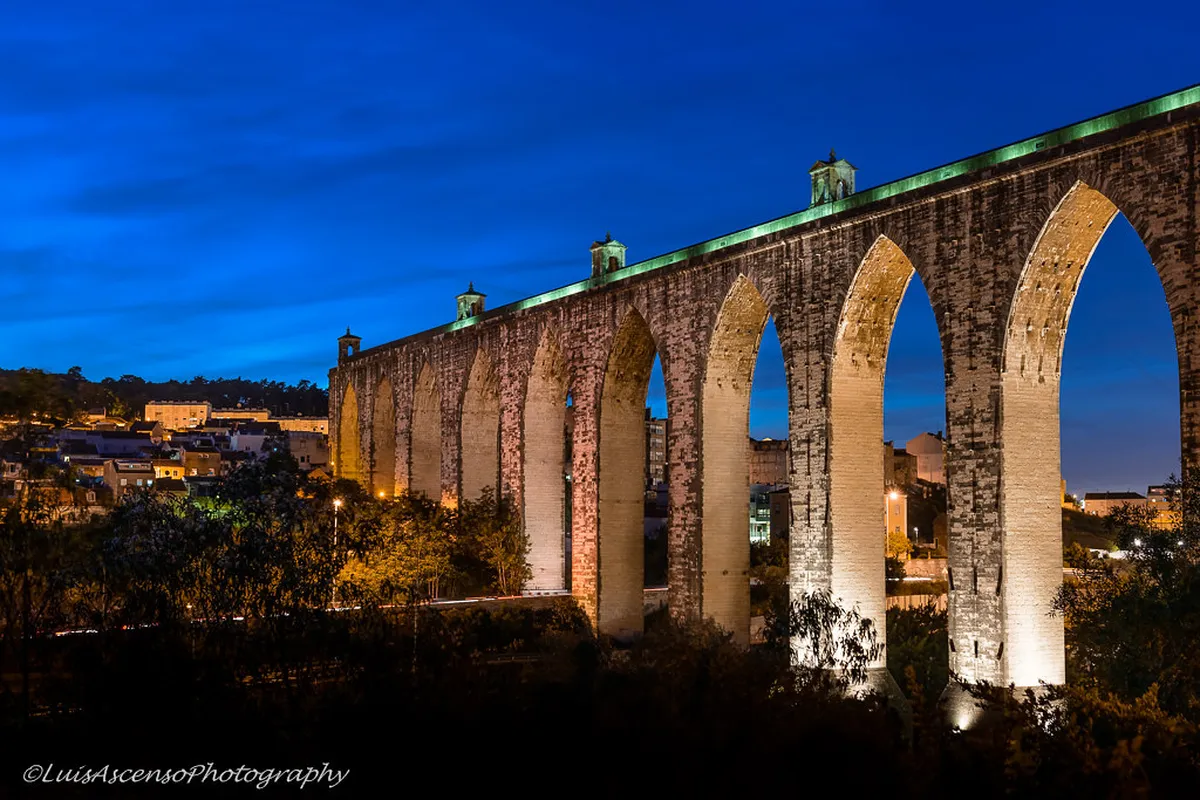
The aqueduct's most impressive section is in the Alcântara Valley. Here, 35 arches reach up to 65 meters high. The main arch is truly colossal. It represents a significant feat of engineering. Visitors can walk along the aqueduct's interior. This offers incredible views of Lisbon.
Visiting the Aqueduto is a must-do in 2026. Access is usually through the Mãe d'Água das Amoreiras Reservoir. This grand reservoir itself is a historical monument. It now functions as a museum space. Check current opening hours and ticket prices online. Admission costs around 4-5 euros for adults.
The Mãe d'Água is located near Praça das Amoreiras. It served as the aqueduct's main distribution point. Its grand hall showcases impressive architecture. It also provides insights into Lisbon's historic water management. This site offers an incredible educational experience.
Admission to the Mãe d'Água das Amoreiras Reservoir costs around 4–5 euros for adults. This fee also grants access to walk along a section of the Aqueduto das Águas Livres, so check the official website for current guided tour schedules before you visit.
Lisbon's Historic Fountains (Chafarizes)
Lisbon's streets are dotted with charming chafarizes, or fountains. These historic fountains were once vital for daily life. They provided drinking water to residents. Many also served as social gathering points. Each fountain tells a part of the city's story.

One notable example is the Chafariz d'El Rei in Alfama. It is one of Lisbon's oldest public fountains. Records indicate its existence since the 13th century. It underwent several renovations over time. This fountain provided water to a bustling neighborhood.
Another important site is the Chafariz da Esperança. This beautiful fountain is near Largo do Rato. It was also supplied by the Aqueduto das Águas Livres. Its ornate design reflects 18th-century artistry. Many fountains are found within Lisbon's historic neighborhoods.
The Chafariz do Carmo sits gracefully in the Chiado district. It once supplied water to the Carmo Convent. Today, it remains a picturesque landmark. These fountains are more than just water sources. They are monuments to Lisbon's enduring past. Seek them out on your walking tours.
| Fountain / Water Source | Neighbourhood | Period | Notes |
|---|---|---|---|
| Aqueduto das Águas Livres | Alcântara Valley / Amoreiras | 18th century | 18 km aqueduct; walk the interior from Mãe d'Água (entry ~4–5 €) |
| Mãe d'Água das Amoreiras Reservoir | Praça das Amoreiras | 18th century | Main distribution point; now a museum and events space |
| Chafariz d'El Rei | Alfama | 13th century (records) | One of Lisbon's oldest public fountains; underwent several renovations |
| Chafariz da Esperança | Largo do Rato | 18th century | Supplied by the Aqueduto das Águas Livres; ornate 18th-century design |
| Chafariz do Carmo | Chiado | Historic | Once supplied the Carmo Convent; picturesque landmark today |
Uncovering Ancient Public Wells and Cisterns
Before the grand aqueduct, Lisbon relied on wells and cisterns. These subterranean systems were crucial for survival. Many hidden wells still exist within the old city. They represent a more primitive water supply. Their history dates back centuries.

Exploring neighborhoods like Alfama reveals these hidden gems. Some private residences still have ancient wells. Public wells were often shared resources. They provided water for homes and businesses. Many are now covered or integrated into buildings.
The historical importance of these wells cannot be overstated. They sustained Lisbon before modern plumbing. Information on Lisbon's old public wells offers deeper context. They highlight the daily challenges of past residents. Look for subtle signs of their former presence.
Some ancient cisterns are also preserved. They collected rainwater for storage. These underground chambers ensured water availability. They were especially important during dry periods. While less visible, their legacy is profound. They remind us of Lisbon's enduring water heritage.
The Legacy of Lisbon's Water Infrastructure
Lisbon's ancient water infrastructure shaped its growth. Water availability dictated where people settled. It influenced urban planning and development. The Aqueduto das Águas Livres especially transformed the city. It ensured a reliable, clean water supply for centuries.
These systems were engineering marvels of their time. They show incredible foresight and skill. Their construction involved massive labor and resources. They provided resilience against drought and disease. Lisbon's residents benefited greatly from these projects.
Even today, these structures stand as testaments. They symbolize human ingenuity and perseverance. Modern Lisbon still values this historical legacy. Conservation efforts aim to preserve these sites. They offer valuable lessons about sustainability.
In 2026, exploring these sites connects you to Lisbon's soul. You will appreciate the daily struggle for water. You will also admire the solutions people created. This journey is more than just sightseeing. It is an immersion into the city's living history.
Planning Your Ancient Water Sources Tour
Embarking on a water sources tour is a unique experience. Start with the Aqueduto das Águas Livres and Mãe d'Água. Allow a few hours for this comprehensive visit. Check their official website for updated hours and guided tours. The views from the aqueduct are spectacular.
Next, wander through Alfama and Baixa districts. These areas boast several historic fountains. A self-guided walking tour is highly recommended. Look for the Chafariz d'El Rei or other smaller fountains. Many are nestled in charming squares. Wear comfortable shoes for walking Lisbon's hills.
Consider joining a specialized heritage tour. Some local guides offer insights into water history. These tours often cover hidden gems. They provide context you might otherwise miss. Ask about tours focused on Lisbon's urban development. Many historical tours indirectly touch upon water.
The best time to visit is spring or fall. The weather is mild and pleasant. You will enjoy walking without extreme heat. Remember to stay hydrated during your explorations. Bring a reusable water bottle. Lisbon's ancient water sources await your discovery in 2026.
Many of Lisbon's historic chafarizes are still running, but their water is generally not potable today. Always check on-site signage before drinking from any fountain, and carry your own water — especially important when walking Lisbon's steep hills in warmer months.
Frequently Asked Questions
What is the most famous ancient water source in Lisbon?
The Aqueduto das Águas Livres is Lisbon's most famous ancient water source. It is an impressive 18th-century aqueduct. This structure brought fresh water into the city. Its magnificent arches are a true engineering wonder. You can visit parts of it today.
Are Lisbon's historic fountains still functional?
Many of Lisbon's historic fountains, or chafarizes, are still functional. However, their water is generally not potable today. They serve as beautiful historical landmarks. They add charm to the city's ancient squares. Always check signage before attempting to drink any water.
Can you walk along the Aqueduto das Águas Livres?
Yes, you can walk along a significant section of the Aqueduto das Águas Livres. Access is typically through the Mãe d'Água das Amoreiras Reservoir. This offers a unique perspective. You get stunning views of the city. There is usually a small entrance fee.
Where can I learn more about Lisbon's water history?
You can learn more about Lisbon's water history at the Mãe d'Água das Amoreiras Reservoir. It serves as a museum. Several books and historical archives also cover the topic. Walking tours sometimes focus on this fascinating aspect. Online resources also provide good information.
Lisbon's ancient water sources offer a compelling journey. They reveal the city's enduring spirit and ingenuity. From grand aqueducts to humble wells, each tells a story. These structures shaped Lisbon's very existence. They are testaments to human perseverance.
Plan your 2026 exploration of these vital historical sites. Discover the beauty and significance of Lisbon's water heritage. It promises a truly unique and enlightening experience. Dive into the past to understand the present. Book your trip to Lisbon today!
Key Takeaways
- Visit the Aqueduto das Águas Livres and Mãe d'Água das Amoreiras for a comprehensive experience.
- Explore historic neighborhoods like Alfama to find beautiful chafarizes (fountains).
- Wear comfortable shoes for walking Lisbon's hilly terrain during your historical tour.
- Research opening hours and potential entrance fees for specific sites before your visit in 2026.
Continue exploring Lisbon's historic quarter
- Discover Lisbon's Ancient Water Sources: A GuideDecember 11, 2025
 Lisbon's Historic Fountains & Wells: A Timeless Water JourneyDecember 11, 2025
 Explore Lisbon's Historic Fountains in 2026December 10, 2025
 Uncovering Lisbon Old Public Wells HistoryDecember 10, 2025