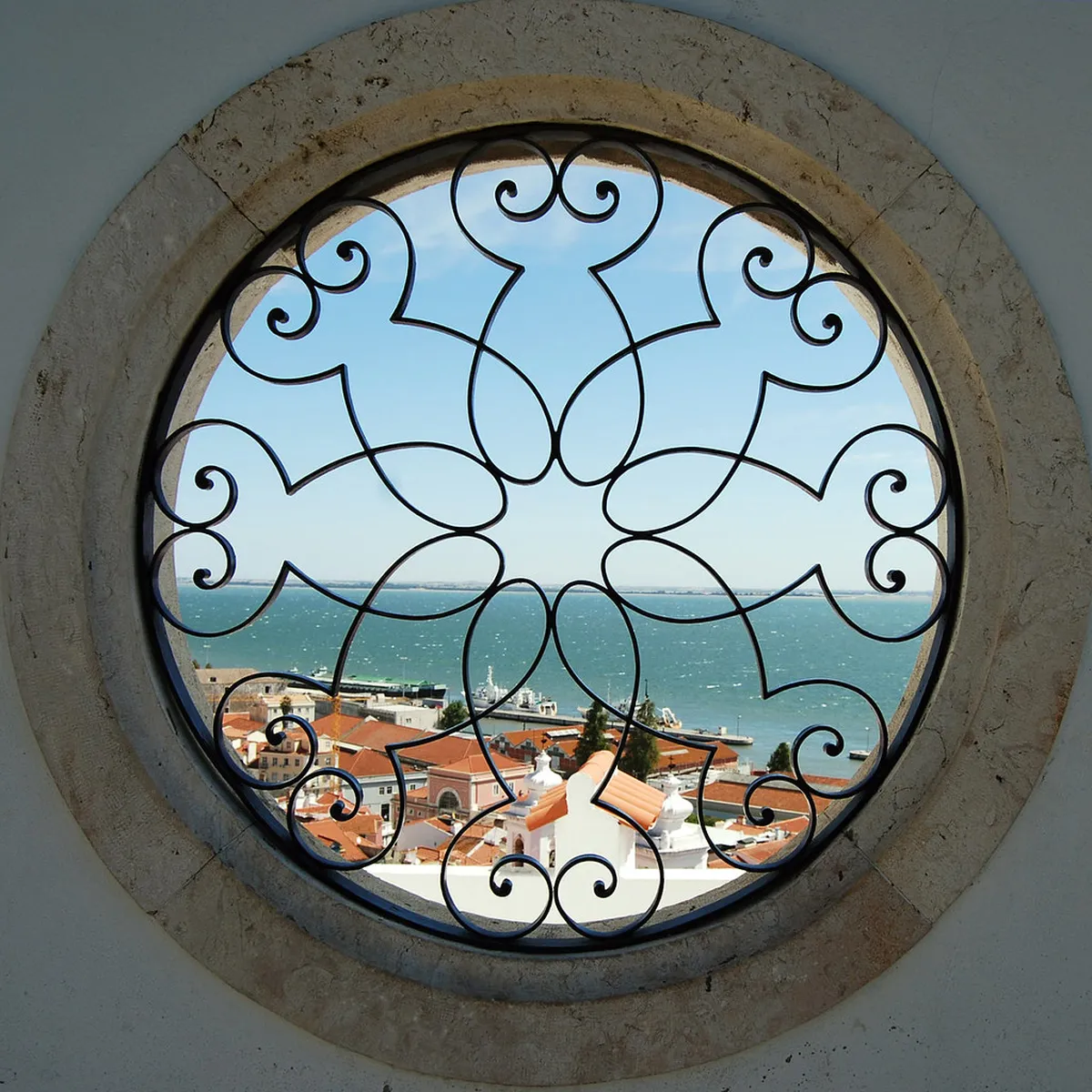
Lisbon Roman Theatre Ruins: A Deep Dive into History
Table of Contents
Lisbon holds centuries of incredible history. Among its many layers are the fascinating Lisbon Roman theatre ruins. These ancient remains offer a unique glimpse into the city's past. They reveal a vibrant Roman presence in old Olisipo. This guide helps you uncover this remarkable archaeological treasure. Plan your visit in 2026 to experience ancient Lisbon.
A Glimpse into Roman Olisipo: The Theatre's Origins
Lisbon was once Olisipo, a thriving Roman city. The Roman theatre was built in the 1st century AD. Emperor Augustus likely commissioned its construction. It served as a vital cultural hub for the city. Citizens gathered here for plays and public performances.
This impressive structure featured a large semicircular seating area. It also had an orchestra pit and a decorative stage building. Roman architects designed it for thousands of spectators. Its strategic location offered stunning views over the Tagus River. This theatre played a key role in Roman social life.
Over centuries, the theatre's use declined. It eventually fell into disrepair. Earthquakes and subsequent constructions buried the ruins. New buildings rose atop the ancient foundations. The theatre's memory faded over time.
Yet, the foundations remained preserved underground. They lay hidden beneath Lisbon's modern streets. This rich history awaited rediscovery. The layers of time protected its secrets for centuries.
Rediscovery and Excavation: Unearthing Lisbon's Past
The Great Lisbon Earthquake of 1755 devastated the city. This catastrophic event exposed many buried structures. Builders clearing rubble accidentally found Roman theatre remains. They stumbled upon ancient walls and columns.
This discovery sparked great archaeological interest. Marquis of Pombal ordered initial excavations. Later, in the 20th century, modern digs began. Archaeologists carefully uncovered more of the theatre. They meticulously pieced together its history.
Today, you can see significant portions of the original structure. Visible elements include parts of the seating area. Sections of the orchestra and stage are also exposed. These ruins tell a powerful story of resilience. They remind us of Lisbon's continuous rebirth.
Archaeological work continues at the site. Each new find adds to our understanding. It helps historians reconstruct ancient Olisipo. The ongoing efforts ensure these ruins are protected. They remain accessible for future generations to explore.
The Roman Theatre Museum: What to See Inside
The Roman Theatre Museum offers deeper insights. It sits right next to the excavated ruins. The museum provides context to your visit. It helps you understand the theatre's significance.
Inside, you will find various artifacts. Exhibitions showcase pottery, coins, and sculptures. Detailed models illustrate the theatre's original grandeur. You can also view interactive displays. These displays bring ancient Olisipo to life.
The museum highlights the daily life of Romans in Lisbon. It explains the theatre's construction techniques. You will learn about the types of performances held there. The exhibits paint a vivid picture of the past.
Don't miss the viewing platform within the museum. It offers an excellent perspective over the ruins themselves. This vantage point helps connect the indoor exhibits with the outdoor site. Allow about 45 minutes to an hour for your museum visit.
Allow at least 45 minutes to an hour for the full museum experience. The indoor viewing platform gives the best overhead perspective of the excavated theatre — don't leave without seeing it.
Planning Your 2026 Visit to the Lisbon Roman Theatre Ruins
The Roman Theatre is located in the historic Alfama district. You can find it at Rua da Saudade, 2A. This area is easily reachable by foot from central Lisbon. Consider taking Lisbon's historic Tram 28 nearby. The tram provides a scenic journey through the old city.
The museum and ruins are open Tuesday to Sunday. Hours are typically from 10:00 AM to 6:00 PM. Always check the official website for current timings in 2026. They sometimes close for public holidays or special events.
The museum is closed on Mondays and on certain public holidays. Always verify current opening hours on the official website before making the trip, as hours can change for special events or seasonal schedules.
Admission to the museum costs around €3 for adults. There are often discounts for students and seniors. Children usually enter for free. This small fee contributes to the site's preservation.
Practical Tips for Your Visit:
- Wear comfortable shoes for walking Alfama's cobbled streets.
- Combine your visit with nearby attractions like Castelo de São Jorge.
- Arrive early in the morning for fewer crowds.
- Bring a camera for stunning photos of the ruins and Alfama views.
| Visitor Info | Details |
|---|---|
| Address | Rua da Saudade, 2A, Alfama, Lisbon |
| Open Days | Tuesday – Sunday |
| Hours | 10:00 AM – 6:00 PM |
| Adult Admission | ~€3 |
| Students & Seniors | Reduced fare available |
| Children | Free |
| Nearest Tram | Tram 28 (stop nearby) |
| Nearest Metro | Terreiro do Paço (short uphill walk) |
Exploring Alfama: Beyond the Roman Theatre Ruins
The Roman Theatre sits within the charming Alfama neighborhood. This district is Lisbon's oldest. Its narrow, winding streets invite exploration. Many historic buildings surround the theatre.
After visiting the ruins, wander through Alfama's labyrinthine alleys. You can discover hidden viewpoints and traditional Fado houses. The area offers an authentic Lisbon experience. It is a perfect place to enjoy local culture.
Consider joining an Alfama walking tour. These tours provide fascinating insights. Guides share stories of the district's past. You will learn about its unique traditions. They often highlight other historic gems.
Alfama is also home to Lisbon Cathedral. Its imposing structure dates back to the 12th century. The district's rich history is evident everywhere. Take time to soak in the atmosphere of this ancient quarter.
Frequently Asked Questions
Where are the Lisbon Roman theatre ruins precisely located?
The Lisbon Roman theatre ruins are in the Alfama district. You will find them at Rua da Saudade, 2A. They are very close to the Sé Cathedral. This central location makes them easy to find. It is an ideal stop on any Alfama tour.
What is the best way to get to the Roman Theatre in Lisbon?
You can easily walk to the Roman Theatre from Baixa. Many enjoy the scenic walk through Alfama. Alternatively, take Tram 28. It stops nearby. The nearest metro station is Terreiro do Paço. From there, it's a short uphill walk.
How much does it cost to visit the Roman Theatre Museum?
As of 2026, adult admission to the museum is approximately €3. Reduced fares are available. Check the official website for precise and up-to-date pricing. This small fee supports archaeological preservation efforts.
Can you see the Lisbon Roman theatre ruins without paying?
You can view parts of the ruins from the street for free. The external facade and some excavated sections are visible. However, entering the museum provides the best experience. It offers more in-depth information. You gain a better understanding of the site's history.
What other Roman sites exist in Lisbon besides the theatre?
Lisbon has other Roman traces. You can find Roman galleries beneath Rua da Prata. Some archaeological sites also reveal Roman foundations. The Baixa district, built after the 1755 earthquake, still sits on Roman land. These sites offer glimpses of Olisipo's ancient past.
The Lisbon Roman theatre ruins offer a compelling journey. They transport visitors back to ancient Olisipo. Exploring this site reveals Lisbon's deep historical layers. It's a testament to the city's enduring legacy. Plan your visit to this remarkable destination soon. Discover more of Lisbon's incredible past on Historic Quarters.
Key Takeaways
- The Roman Theatre was a vital cultural center in ancient Olisipo.
- The 1755 earthquake aided in the rediscovery of the buried ruins.
- The museum enhances your visit with artifacts and historical context.
- Combine your visit with exploring the charming Alfama district.
- Expect around €3 for museum entry; check 2026 timings online.
Continue exploring Lisbon's historic quarter
- Lisbon Roman Theatre Ruins: A Deep Dive into HistoryDecember 12, 2025
 Roman Theatre Museum Lisbon Hours: Plan Your 2026 VisitDecember 12, 2025
 History of Roman Lisbon Theatre: Uncovering Ancient OlisipoDecember 11, 2025
 Visiting Lisbon Roman Theatre Ruins in 2026December 11, 2025