Manueline Architecture Lisbon: Top Examples in 2026
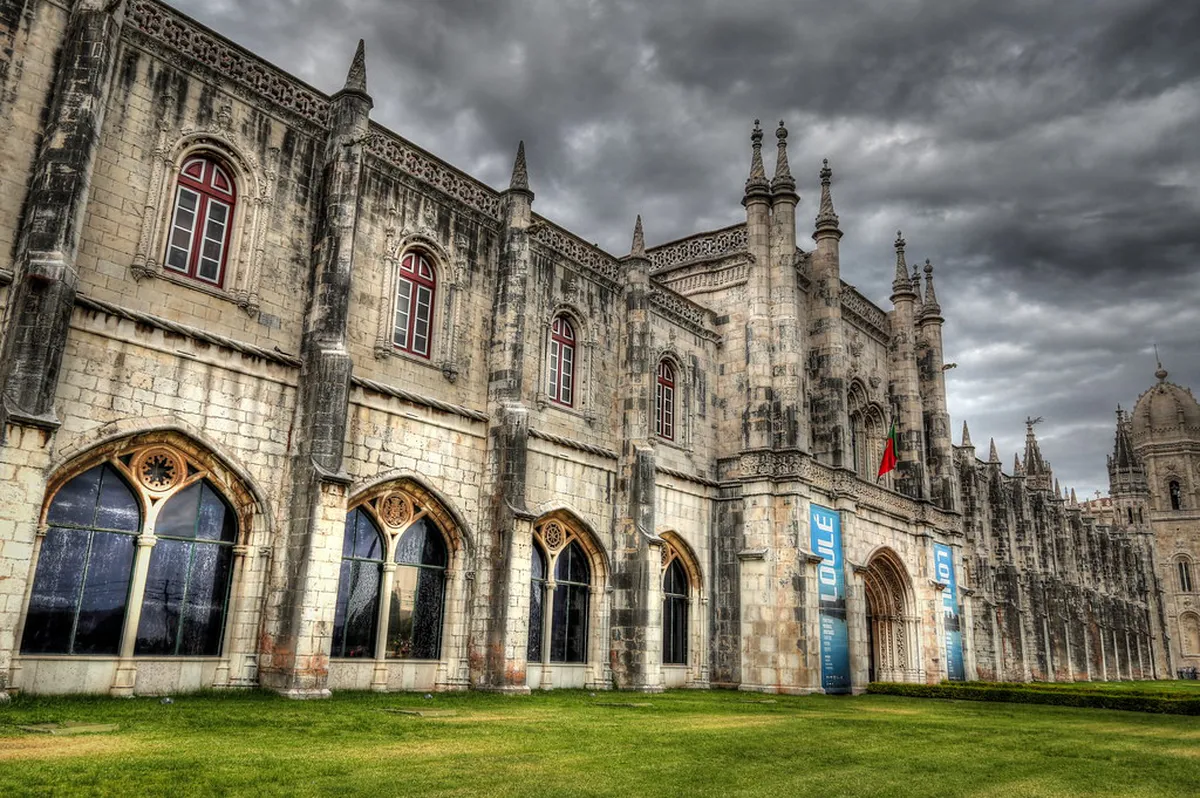
Table of Contents
Lisbon boasts a rich tapestry of architectural styles. Among these, Manueline architecture truly stands out. This unique Portuguese style emerged during the Age of Discoveries. It features intricate maritime and natural motifs.
Visiting Lisbon in 2026 offers a chance to explore these historical treasures. Manueline examples are found across the city. They reflect Portugal's golden age of exploration. Prepare to be amazed by their beauty and detail.
What Defines Manueline Architecture?
Manueline architecture represents a unique Portuguese style. It blends late Gothic and Renaissance elements. The style flourished during the reign of King Manuel I (1495-1521). It showcases Portugal's maritime power.
Key characteristics include ornate carvings and nautical themes. You will often see ropes, shells, and armillary spheres. The cross of the Order of Christ is another common symbol. These details celebrate overseas voyages and discoveries.
This distinct aesthetic moved beyond mere decoration. It shaped entire structures and their grand facades. Manueline works often inspire a sense of awe. They beautifully capture a pivotal era in Portuguese history.
Jerónimos Monastery: Lisbon's Manueline Masterpiece
The Jerónimos Monastery is a prime example of Manueline architecture. Located in Belém, it's a UNESCO World Heritage site. King Manuel I commissioned its construction in 1501. It replaced an earlier church for sailors.
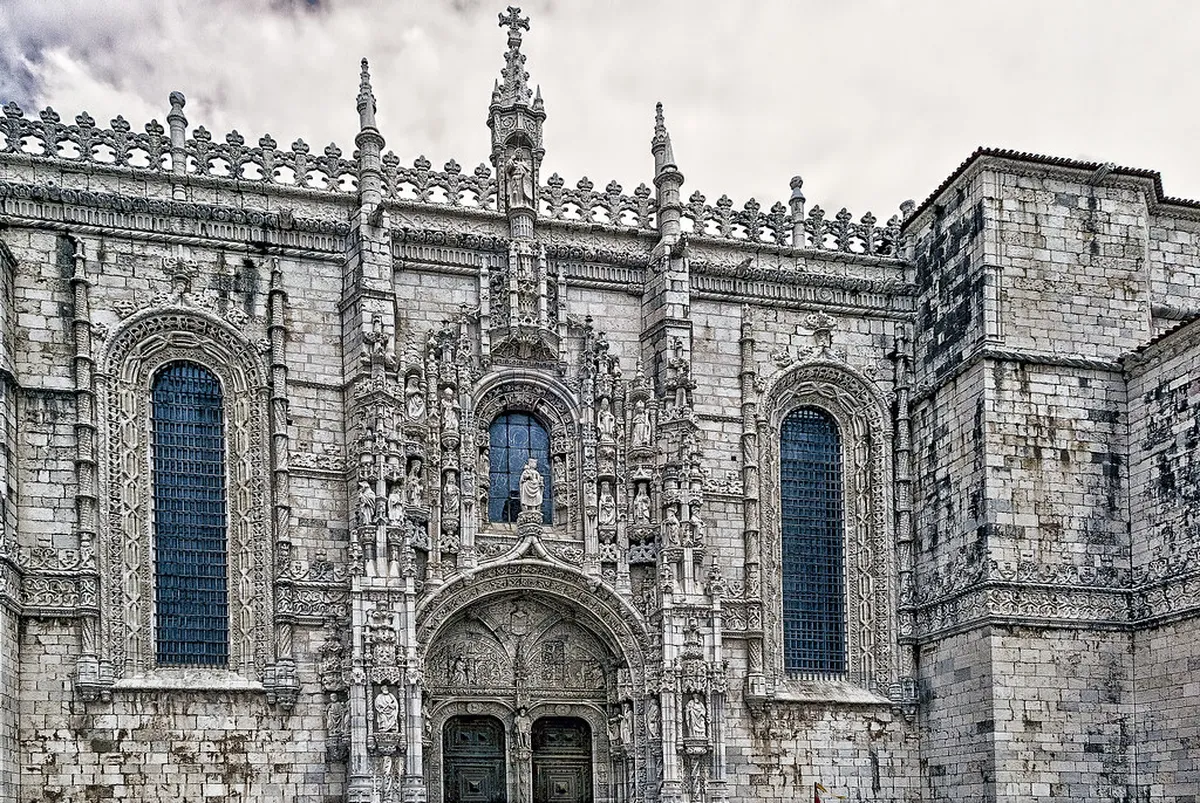
Its elaborate south portal is breathtaking. Look closely for detailed statues and intricate stonework. The cloister is equally stunning. It showcases incredible Manueline carvings and open arches.
Entry to the church is free of charge. Accessing the cloister costs 12 euros for adults (2026 prices). Allow at least two hours to explore properly. The monastery truly embodies the spirit of the Age of Discoveries. For more on the area, check out Belém's historic attractions.
Belém Tower: A Fortified Manueline Jewel
The Belém Tower, or Torre de Belém, is another iconic Manueline structure. It stands proudly at the Tagus River's edge. This fortress once defended Lisbon's harbor. It also served as a ceremonial gateway.
Completed in 1519, its design is truly unique. It features Moorish influences alongside Manueline motifs. Notice the delicate balconies and detailed turrets. The famous rhinoceros gargoyle is a standout detail.
The tower is open Tuesday to Sunday. Entry costs around 8 euros (2026 estimate). You can climb to the top for panoramic river views. It’s an essential stop for understanding Lisbon's historic architecture styles.
Other Notable Manueline Examples in Lisbon
While Jerónimos and Belém Tower are paramount, other sites bear Manueline marks. The Church of Santa Engrácia, now the National Pantheon, has Manueline traces. Its history extends back to a 16th-century church. Some remaining elements hint at the style.
You can also spot Manueline details in older city areas. Look for specific portals or window frames. The Casa dos Bicos, though modified, once featured Manueline-era elements. Keep an eye out for armillary spheres carved into stone.
Even small churches sometimes hold hidden Manueline gems. These might be a specific carving or a decorative arch. Exploring Lisbon's historic quarters reveals many such surprises. Each discovery tells a part of the city's rich past.
Experiencing Manueline History in 2026
Planning your visit to these Manueline sites is easy. Most are concentrated in the Belém district. Take tram 15E or a taxi from central Lisbon. Early mornings offer fewer crowds, especially at Jerónimos.
Consider purchasing a Lisbon Card for discounts. It covers public transport and some entry fees. Book tickets online where possible. This saves valuable time waiting in lines.
Remember to wear comfortable shoes for walking. Many sites have uneven surfaces. Take your time to appreciate the intricate details. Each carving tells a story of Portugal's golden age. Enjoy immersing yourself in this fascinating history.
Frequently Asked Questions
What is the most famous Manueline building in Lisbon?
The Jerónimos Monastery is widely considered the most famous. Its grand scale and intricate details are unparalleled. It perfectly represents the Manueline style. This UNESCO site attracts many visitors.
Where can I see the best Manueline carvings in Lisbon?
The cloisters of the Jerónimos Monastery display exquisite carvings. Look for maritime motifs and royal symbols there. The south portal also features incredibly rich sculptural work. Belém Tower also has unique details, like its famous rhino gargoyle.
When was Manueline architecture popular in Portugal?
Manueline architecture was popular from roughly 1490 to 1520. Its peak coincided with King Manuel I's reign. This period marked Portugal's greatest discoveries. The style quickly spread across the empire.
Manueline architecture offers a fascinating glimpse into Portugal's past. Its unique blend of styles and rich symbolism captivates visitors. From the majestic Jerónimos Monastery to the iconic Belém Tower, Lisbon's Manueline examples are stunning. Plan your journey to explore these masterpieces in 2026. Discover the legacy of the Age of Discoveries for yourself.
Key Takeaways
- Manueline architecture blends Gothic, Renaissance, and nautical themes.
- The Jerónimos Monastery and Belém Tower are must-see Manueline sites.
- Look for intricate carvings of ropes, shells, and armillary spheres.
Continue exploring Lisbon's historic quarter
 Pombaline Architecture Guide: Lisbon's Resilient StyleDecember 13, 2025
 Uncovering Lisbon Historic Architecture Styles GuideDecember 11, 2025
 Lisbon's Moorish Architecture Influence in 2026December 11, 2025
- Manueline Architecture Lisbon: Top Examples in 2026December 10, 2025