Discover Mouraria's Ancient Origins in Lisbon

Table of Contents
Mouraria holds a special place in Lisbon's heart. Its ancient origins tell a compelling story. This historic neighborhood truly reveals the essence of Mouraria ancient origins Lisbon. It offers a unique window into the city's rich cultural tapestry.
Mouraria's Ancient Origins: The Moorish Legacy
Mouraria earned its name after the Christian Reconquista. Moors were allowed to stay here following the 1147 siege. This area became known as the "Moorish quarter." It signifies a period of coexistence and cultural exchange.
The neighborhood was once outside the city walls. It sat beyond the Castle of São Jorge. This isolation helped preserve its unique character. Its winding alleys reflect this ancient layout.
Ancient buildings whisper tales of old Lisbon. Many structures showcase traditional architectural elements. Look for intricate tilework and hidden courtyards. These details connect directly to its rich past.
Historians call Mouraria Lisbon's birthplace of Fado music. Moorish influences contributed to its melancholic sound. This art form flourished within these very streets. It remains a strong cultural identifier.
Beyond the Walls: A Historical Timeline
Mouraria's history predates the modern city center. It existed before the 1755 earthquake devastated Lisbon. The district survived relatively intact. Its street plan offers a rare glimpse into pre-earthquake Lisbon neighborhoods.
Early maps depict Mouraria as a bustling hub. Merchants and artisans thrived within its confines. Different cultures merged over centuries. This created a vibrant, diverse community.
During the 15th and 16th centuries, new residents arrived. Africans and Gypsies joined the existing Moorish population. Their cultures blended into the neighborhood's fabric. This further enriched Mouraria's heritage.
The neighborhood faced periods of decline. However, its spirit always endured. Community efforts preserved its unique identity. Today, it remains a testament to resilience.
Cultural Tapestry: Fado and Modern Mouraria
Mouraria is synonymous with Fado, Portugal's soulful music. Many legendary Fado singers were born here. Marisa Monte and Fernando Maurício are prime examples. Their voices still echo through the streets.
Visitors can experience authentic Fado houses. Small, intimate venues host incredible performances. Check local listings for shows in 2026. Reservations are often recommended for popular spots.
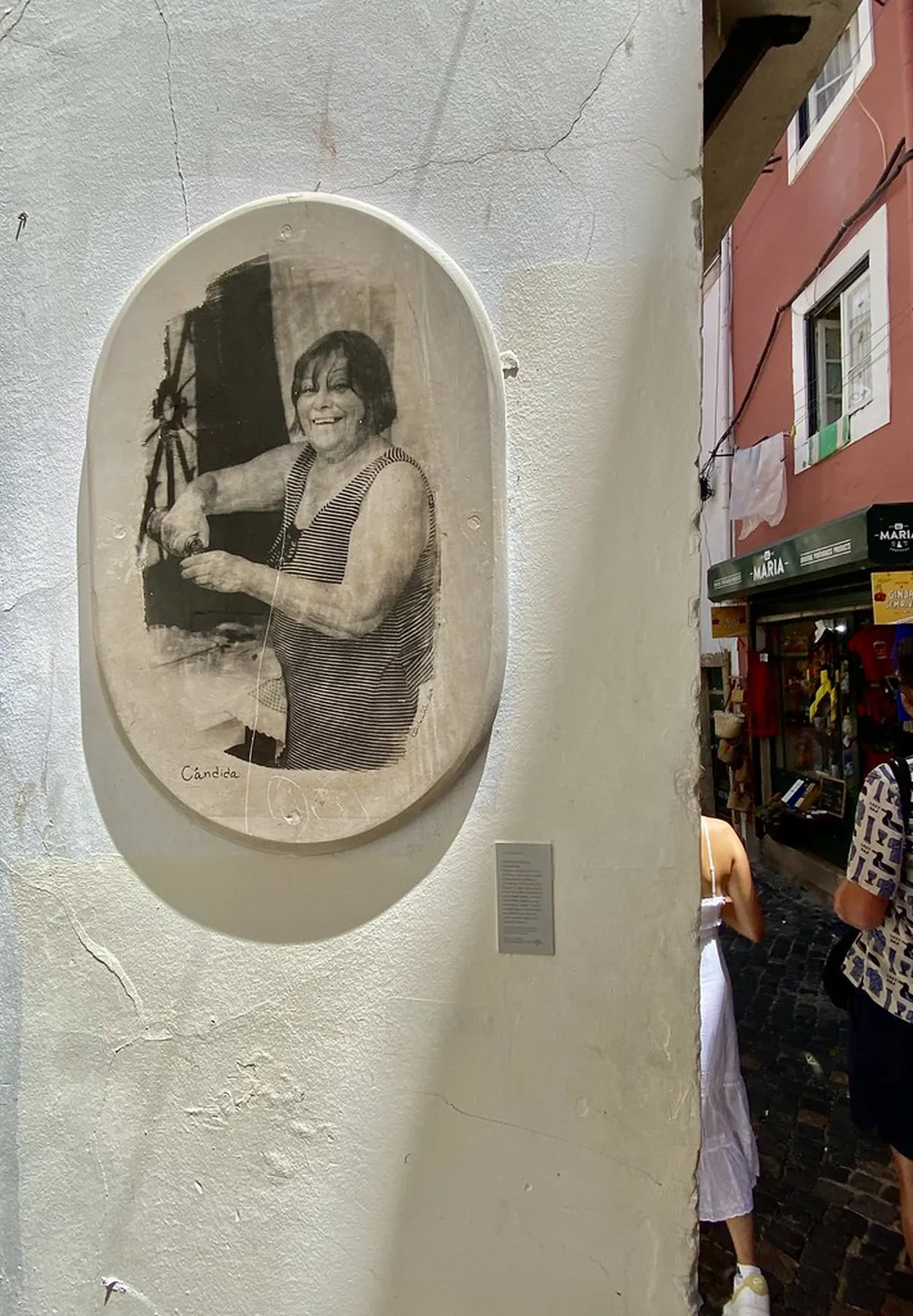
Beyond Fado, Mouraria is a vibrant, living community. Diverse cultures continue to enrich the area. You'll find a mix of traditional shops and new businesses. Explore its hidden gems on a Mouraria cultural tour.
Street art brightens many alleyways and walls. Local artists contribute colorful murals. These artworks often tell modern stories. They blend seamlessly with Mouraria's ancient charm.
Visiting Mouraria in 2026: Tips for Travelers
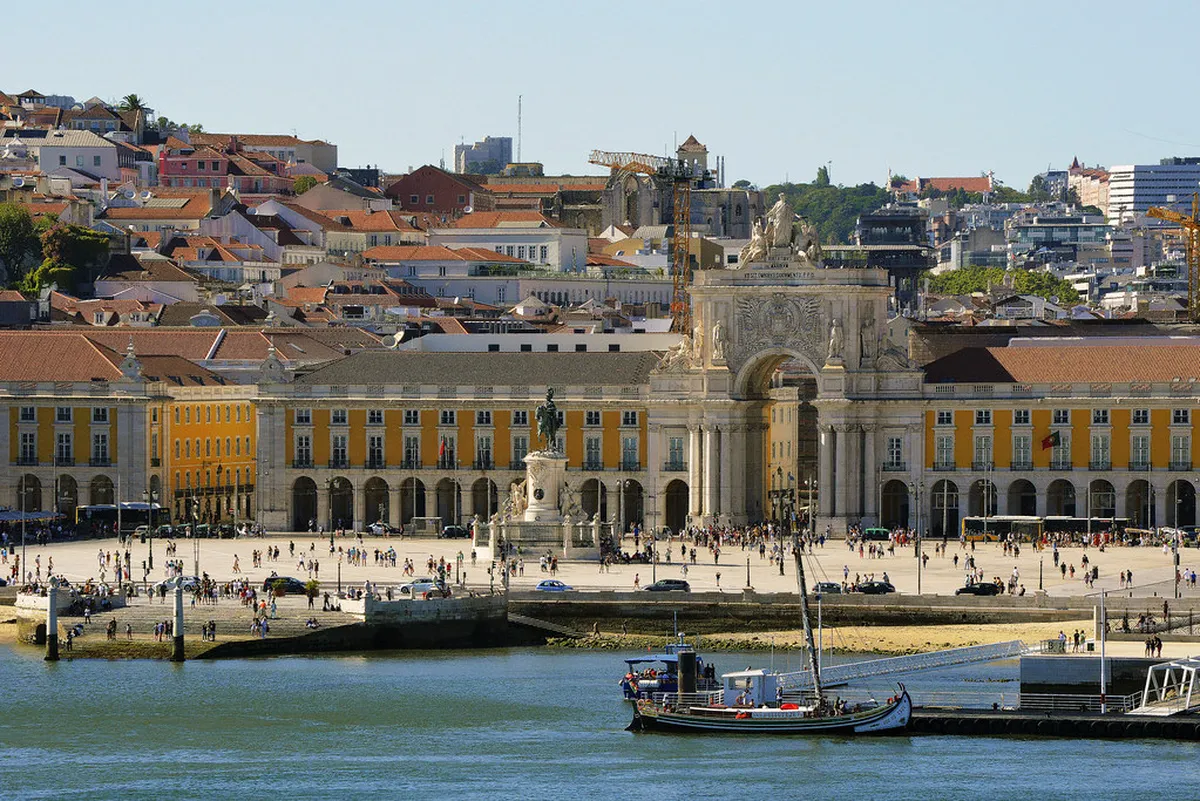
Mouraria is easily accessible by public transport. Tram 28 passes nearby. You can also reach it via the Martim Moniz metro station. Walking from Baixa takes about 15 minutes.
Wear comfortable shoes for walking the steep, cobbled streets. The neighborhood is best explored on foot. Take your time to discover its hidden corners. Allow at least half a day for your visit.
Dining in Mouraria offers authentic flavors. Many small restaurants serve traditional Portuguese dishes. Expect affordable prices and a local atmosphere. Try a *bica* (espresso) at a traditional cafe.
For safety, be aware of your surroundings. Like any busy urban area, pickpocketing can occur. Keep valuables secure and out of sight. Enjoy the vibrant, bustling street life responsibly.
Frequently Asked Questions
How old is Mouraria in Lisbon?
Mouraria dates back to the 12th century. It was designated as a Moorish quarter after 1147. This makes it one of Lisbon's oldest surviving neighborhoods. Its historical roots are truly ancient.
What is Mouraria famous for today?
Mouraria is most famous as the birthplace of Fado music. It is also known for its diverse cultural heritage. The neighborhood features historic architecture and vibrant street art. Visitors experience an authentic side of Lisbon.
Is Mouraria safe for tourists?
Mouraria is generally safe for tourists during the day. Exercise normal urban precautions, especially at night. Be mindful of your belongings in crowded areas. Enjoy exploring this historic district responsibly.
Mouraria offers a compelling journey through time. Its ancient origins profoundly shape its character. This neighborhood celebrates Lisbon's diverse history and vibrant spirit. Plan your visit to discover Mouraria's unique charm in 2026.
Key Takeaways
- Mouraria's ancient origins stem from its Moorish quarter designation post-1147.
- It is the birthplace of Fado music and a hub of cultural diversity.
- Explore its historic alleys on foot; plan for at least a half-day visit in 2026.