Pre-Earthquake Lisbon Neighborhoods History Guide
Table of Contents
Lisbon holds a captivating, ancient past. Many of its historic quarters existed long before 1755. The devastating earthquake profoundly reshaped the city. This guide explores the pre-earthquake Lisbon neighborhoods history. Discover their unique character and enduring legacies today. Learn more about historic neighborhoods in Lisbon.
Alfama: Lisbon's Enduring Medieval Heart
Alfama stands as Lisbon's oldest surviving district. Its labyrinthine streets predate the 1755 earthquake. This area escaped major destruction due to its bedrock foundation. Moorish influence remains visible in its winding alleys. Explore this unique, resilient quarter.
Before the quake, Alfama was a bustling fishing village. Homes were built close together, creating a tight-knit community. Medieval walls once protected this vibrant district. The sound of Fado music echoed through its narrow paths. Experience the authentic spirit of old Lisbon.
Today, visitors can still feel its ancient soul. Walk along cobbled streets that existed for centuries. The history of Alfama Lisbon is palpable around every corner. Explore its hidden viewpoints and traditional restaurants. Plan your visit to this timeless neighborhood in 2026.
Mouraria: Ancient Moorish Quarter's Rich Legacy
Mouraria boasts a deep, diverse history. It was once the designated Moorish quarter after the Christian reconquest. The area existed outside the city walls. This allowed a unique cultural melting pot to thrive. Its original layout largely survived the great earthquake.
Life in Mouraria before 1755 was vibrant and multicultural. Artisans, merchants, and musicians called this home. It is widely considered the birthplace of Fado music. The neighborhood was known for its narrow, interconnected streets. These pathways fostered a strong sense of community.
Discover the ancient origins of Mouraria on your next visit. The area retains much of its historic charm. Explore the hidden squares and colorful buildings. Learn about the rich Mouraria ancient origins in Lisbon. Immerse yourself in this fascinating part of Lisbon's past today.
Castelo & Sé: Royal and Religious Hubs
The Castelo de São Jorge area once housed Lisbon's elite. It was a strategic military and royal stronghold. The castle itself dates back to Roman times. This high ground offered protection and panoramic views. It was a central point of power before the earthquake.
Below the castle lay the impressive Sé de Lisboa, or Lisbon Cathedral. Construction began in 1147. This major religious center served the growing city. Its robust structure withstood many seismic events. The Sé was a focal point for spiritual life.
The neighborhoods around the castle and cathedral were vital. They combined royal residences with essential religious institutions. These areas formed the heart of early Lisbon's governance. Their ancient foundations proved remarkably resilient. Visit these enduring historic sites in 2026.
Baixa: Lisbon's Lost Commercial Core
The Baixa district before 1755 looked dramatically different. It was Lisbon's bustling commercial center. However, its layout was organic and winding. Narrow streets and dense buildings characterized the area. This vibrant hub connected the riverfront to the upper city.
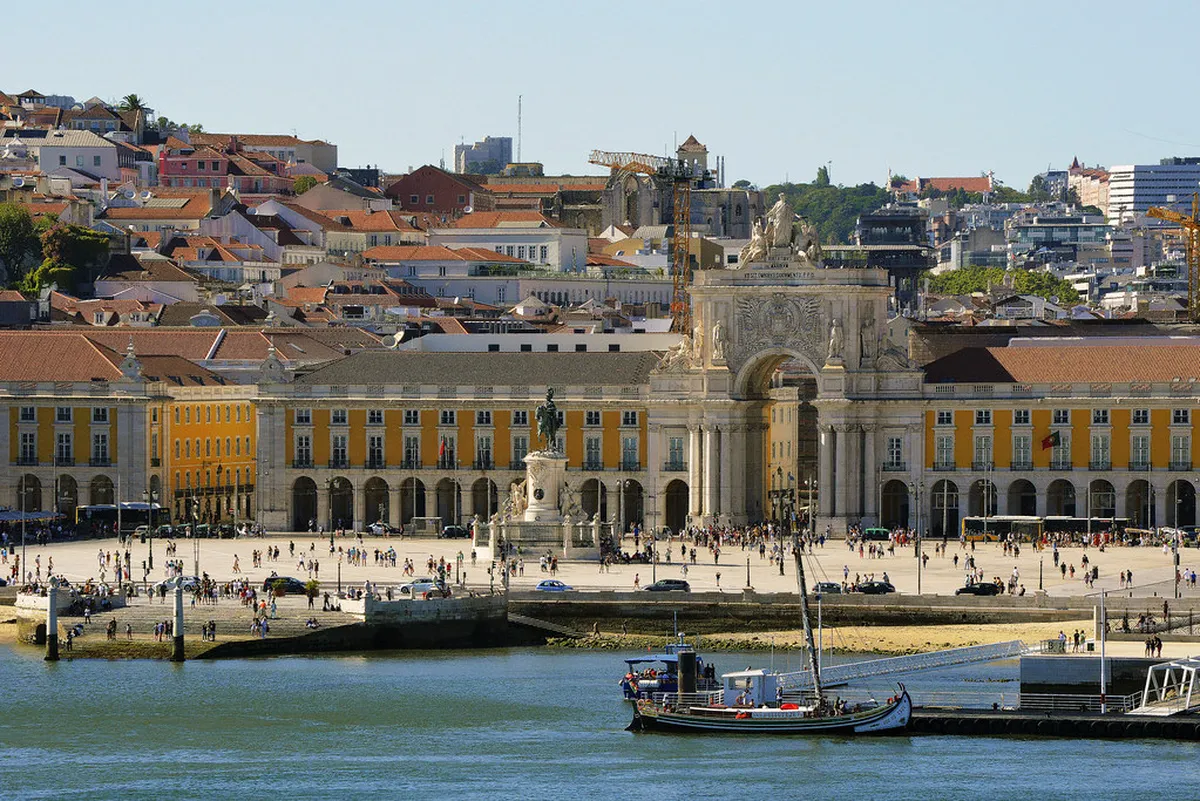
Merchants sold their wares in lively open-air markets. Artisans had workshops along various specialized streets. The Praça do Comércio, or Terreiro do Paço, bordered the Tagus River. This grand square served as the gateway to Lisbon. It was a symbol of the city's maritime power.
The earthquake of 1755 utterly destroyed the Baixa. It was rebuilt with a revolutionary grid plan. This modern design contrasts sharply with its former self. Today's Baixa stands as a testament to renewal. Imagine its vibrant, chaotic past before reconstruction.
Frequently Asked Questions
How did the 1755 earthquake change Lisbon's neighborhoods?
The 1755 earthquake caused widespread destruction. Many older neighborhoods were completely leveled. Baixa was rebuilt on a new, grid-like plan. Other areas like Alfama and Mouraria largely retained their original layouts. The city transformed from medieval to modern.
Which Lisbon neighborhoods survived the 1755 earthquake best?
Alfama and Mouraria were the most resilient. Their strong foundations helped them withstand the tremors. Their ancient, winding street plans remained largely intact. The Castelo district also saw significant survival. These areas offer a glimpse into pre-earthquake Lisbon.
What was Lisbon like before the Great Earthquake of 1755?
Pre-1755 Lisbon was a thriving port city. It had a complex, medieval urban fabric. Narrow, winding streets defined many neighborhoods. Grand palaces, churches, and bustling markets filled the city. It was a major European trading power.
Exploring pre-earthquake Lisbon neighborhoods history reveals a resilient city. Districts like Alfama and Mouraria offer a unique window into the past. Their ancient streets whisper stories of centuries. Lisbon's spirit persevered through catastrophe. Discover this incredible heritage for yourself in 2026.
Key Takeaways
- Alfama and Mouraria best represent pre-1755 Lisbon's layout.
- The Baixa district was completely redesigned after the earthquake.
- Lisbon's historic resilience is evident in its surviving ancient quarters.