History of Alfama Lisbon: Uncover Ancient Facts
Table of Contents
Alfama stands as Lisbon's most ancient district. Its winding streets tell tales of centuries past. Understanding the History of Alfama Lisbon facts enriches any visit. This guide explores its unique heritage. Prepare to step back in time in 2026.
This historic neighborhood survived countless changes. It offers a glimpse into pre-earthquake Lisbon. Discover its captivating story. Explore the charm of this timeless quarter.
Alfama's Roots: Roman, Visigothic, and Moorish Influence
Alfama's story begins with Roman foundations. They established a settlement near hot springs. Visigoths followed, leaving their mark. These early inhabitants shaped the landscape.
The Moorish occupation was profound. From the 8th to the 12th century, it was a thriving hub. They called it 'Al-hama,' meaning 'hot springs.' This period gifted Alfama its labyrinthine layout.
Narrow alleys and steep staircases reflect Moorish design. Many houses still retain ancient features. The district housed a diverse population. Merchants, fishermen, and artisans lived here.
Their influence remains visible today. The street names and architecture echo this past. It is a living testament to centuries of history. Alfama truly feels like an open-air museum.
The name "Alfama" derives from the Arabic "Al-hama," meaning "hot springs." The Moors prized this area for its thermal waters during their occupation from the 8th to the 12th century — a legacy still embedded in the district's very name.
Medieval Alfama: Life Outside the Castle Walls
After the Christian Reconquista, Alfama was a vital area. It lay outside the main city walls. The district became home to fishermen and laborers. It developed a distinct community identity.
Lisbon's cathedral, Sé de Lisboa, was built here. It stands as a symbol of the Reconquista. This era saw churches and convents emerge. These buildings added to the district's character.
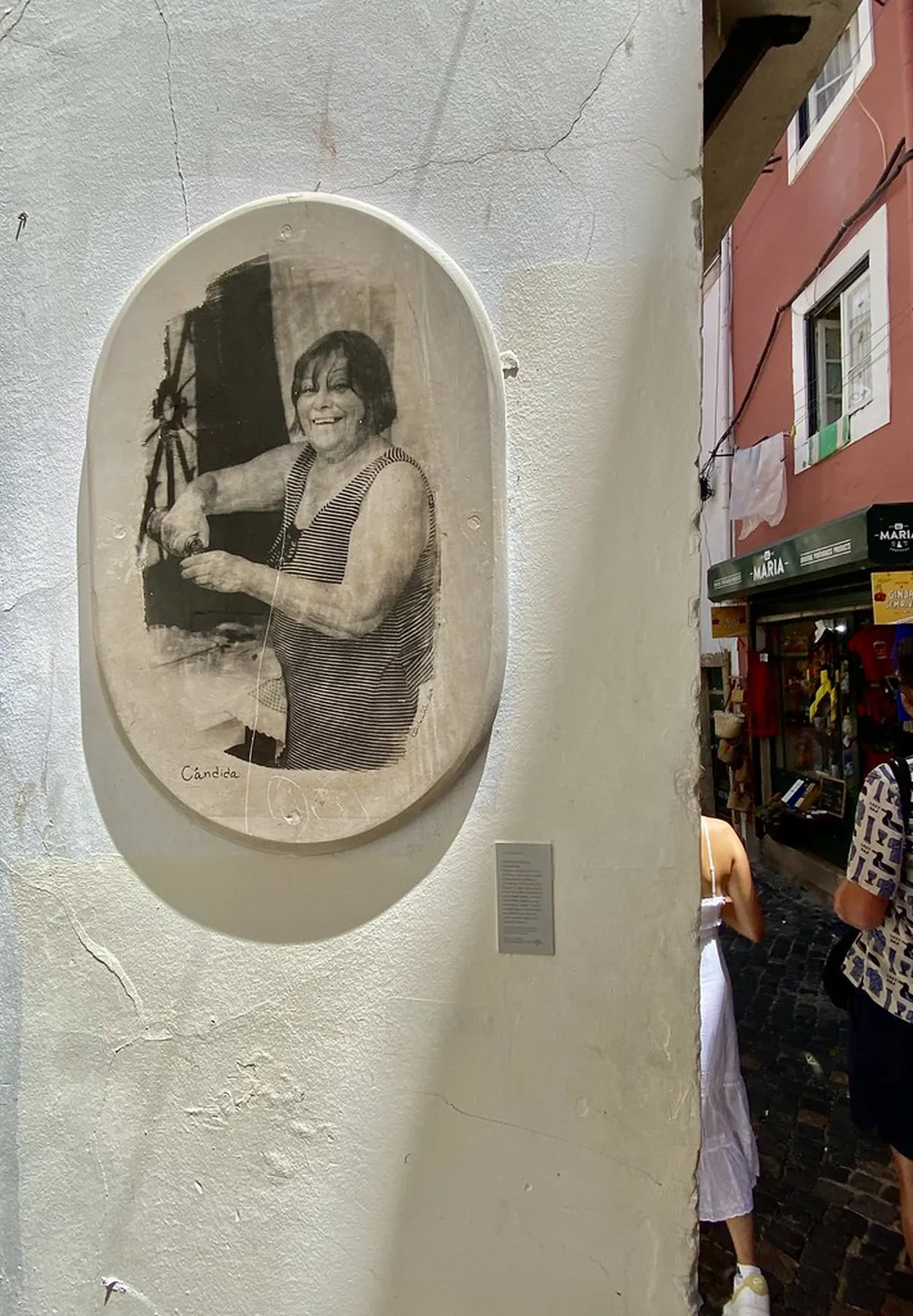
Alfama was often considered a poor neighborhood. Yet, it possessed a rich cultural life. Its inhabitants were resilient. They built strong community bonds.
The castle of São Jorge stood guard above. It offered protection to the area. Life here was vibrant and authentic. This medieval spirit still lingers today.
Surviving the Devastating 1755 Earthquake
The Great Lisbon Earthquake of 1755 was catastrophic. Most of Lisbon was utterly destroyed. Baixa, the downtown area, crumbled. New city plans emerged from the rubble.
However, Alfama largely withstood the disaster. Its solid rock foundations proved resilient. The tightly packed, irregular buildings helped too. This survival is a remarkable historical fact.
Because of this, Alfama retained its ancient layout. It offers a unique window into old Lisbon. Its pre-earthquake charm is preserved. No other district shows such continuity.
This makes Alfama invaluable for historians. It shows how Lisbon rebuilt after the earthquake. Its survival tells a powerful story. It showcases the district's enduring strength.
The Soul of Fado: Alfama's Musical Legacy
Alfama is widely recognized as Fado's birthplace. This melancholic music emerged from its taverns. It expresses saudade, a deep sense of longing. Fado tells tales of love, loss, and the sea.

Fishermen and sailors often sang Fado. It was a voice for the working class. Fado houses, or casas de fado, are plentiful here. They keep this profound tradition alive.
Visiting a Fado show is essential. It connects you to Alfama's true spirit. The music is a living part of its history. It represents the soul of the district.
This cultural heritage remains strong in 2026. Many locals cherish these traditions. You can hear Fado echoing through the streets. It's an unforgettable cultural experience.
Fado houses (casas de fado) in Alfama are popular and fill up quickly, especially on weekends. Book your table in advance to avoid missing out on a show — walk-in spots are rare during peak season.
Iconic Landmarks and Modern Charms of Alfama
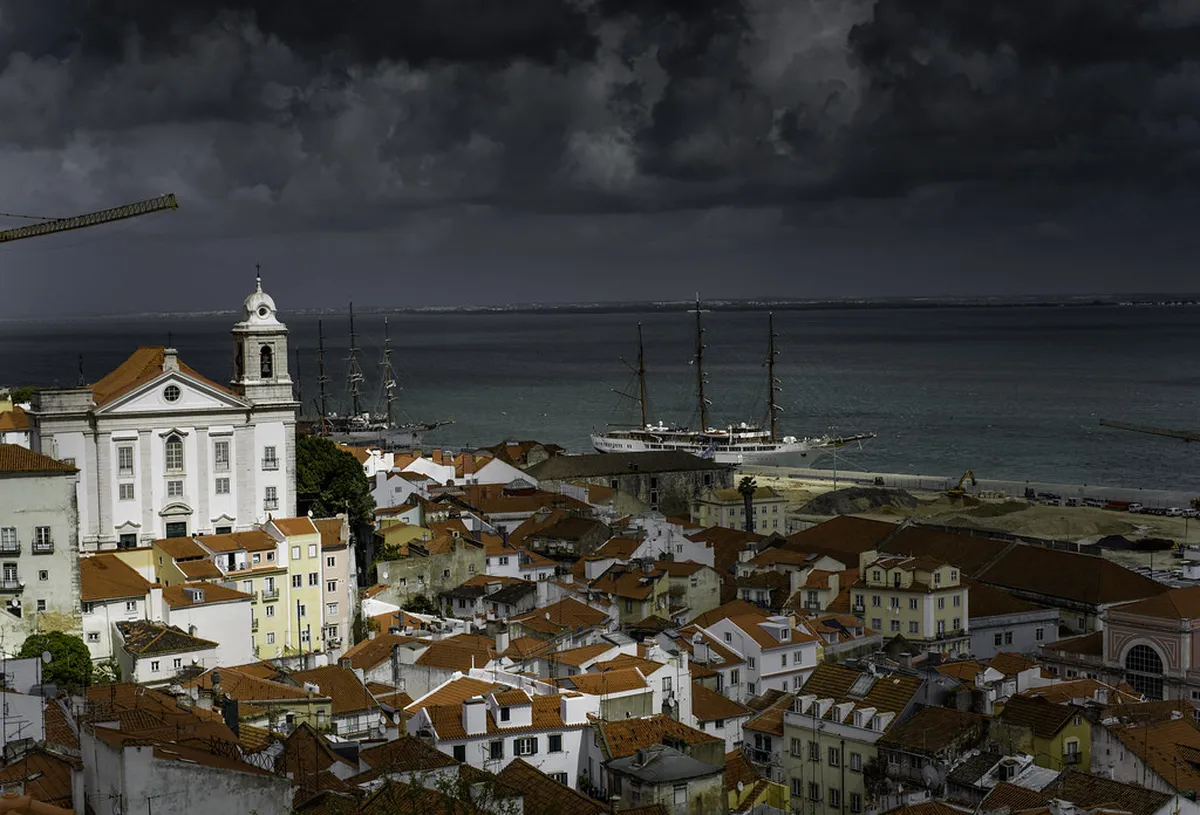
Alfama is home to several historic landmarks. The imposing Castelo de São Jorge crowns the highest hill. It offers panoramic city views. Its walls hold centuries of history.
The Lisbon Cathedral (Sé de Lisboa) stands proudly. It is one of Lisbon's oldest churches. Its sturdy facade is instantly recognizable. Many ancient churches dot the district.
Miradouros, or viewpoints, offer stunning vistas. Miradouro das Portas do Sol is famous. Miradouro de Santa Luzia provides beautiful tile work. These spots offer perfect photo opportunities.
Today, Alfama combines old-world charm with modern life. Tourists mingle with locals in its squares. Small shops sell local crafts. Traditional restaurants serve authentic Portuguese cuisine.
Frequently Asked Questions
What is Alfama known for historically?
Alfama is known for its ancient origins. It survived the 1755 earthquake largely intact. This makes it Lisbon's oldest surviving district. It is also the birthplace of Fado music.
Why is Alfama considered one of Lisbon's oldest neighborhoods?
Alfama traces its history to Roman times. Its Moorish layout is still preserved. It escaped the great earthquake's destruction. This makes it a truly ancient part of the city. Discover more Lisbon oldest neighborhoods facts to appreciate its age.
Can visitors experience Alfama's history firsthand in 2026?
Absolutely, visitors can walk its ancient streets. You can visit historic landmarks like the Castle. Attending a Fado show offers a deep cultural connection. Explore its unique heritage fully.
The History of Alfama Lisbon facts reveals a resilient district. Its ancient roots, earthquake survival, and Fado heritage make it unique. Alfama remains a captivating place to explore. It offers an authentic slice of Lisbon's past in 2026.
Walk its narrow alleys and discover its timeless beauty. Experience the charm of this historic neighborhood. Alfama is a journey through time. Plan your adventure to this incredible place.
Key Takeaways
- Alfama is Lisbon's oldest district, largely preserved from the 1755 earthquake.
- Its labyrinthine streets reflect its deep Roman and Moorish past.
- Alfama is the birthplace of Fado music, integral to its cultural identity.