Walking Tour Baixa Lisbon Streets: Your 2026 Guide
Table of Contents
Lisbon invites you to explore its captivating charm. The Baixa district stands as the city's vibrant heart. It offers a unique glimpse into Lisbon's resilience. This area was rebuilt meticulously after the 1755 earthquake.
A walking tour of Baixa Lisbon streets reveals stunning architecture. You will discover grand squares and bustling pedestrian zones. Prepare to immerse yourself in history and local culture. This guide helps you plan your perfect 2026 adventure among the historic neighborhoods in Lisbon.
The Grandeur of Praça do Comércio
Your walking tour begins at Praça do Comércio. This majestic square opens onto the Tagus River. It is one of Europe's largest public spaces. The square once hosted the royal palace.
Admire the impressive Arco da Rua Augusta. This triumphal arch leads into Baixa's grid. Climb to its top for breathtaking city views. The cost is around 3.50 EUR for adults in 2026. Access is available from 10 AM to 6 PM daily.
The square's yellow buildings reflect sunlight beautifully. They house government offices and cafes. Enjoy a coffee while watching river activity. This spot is perfect for memorable photographs.
Strolling Along Rua Augusta and Baixa Lisbon Streets
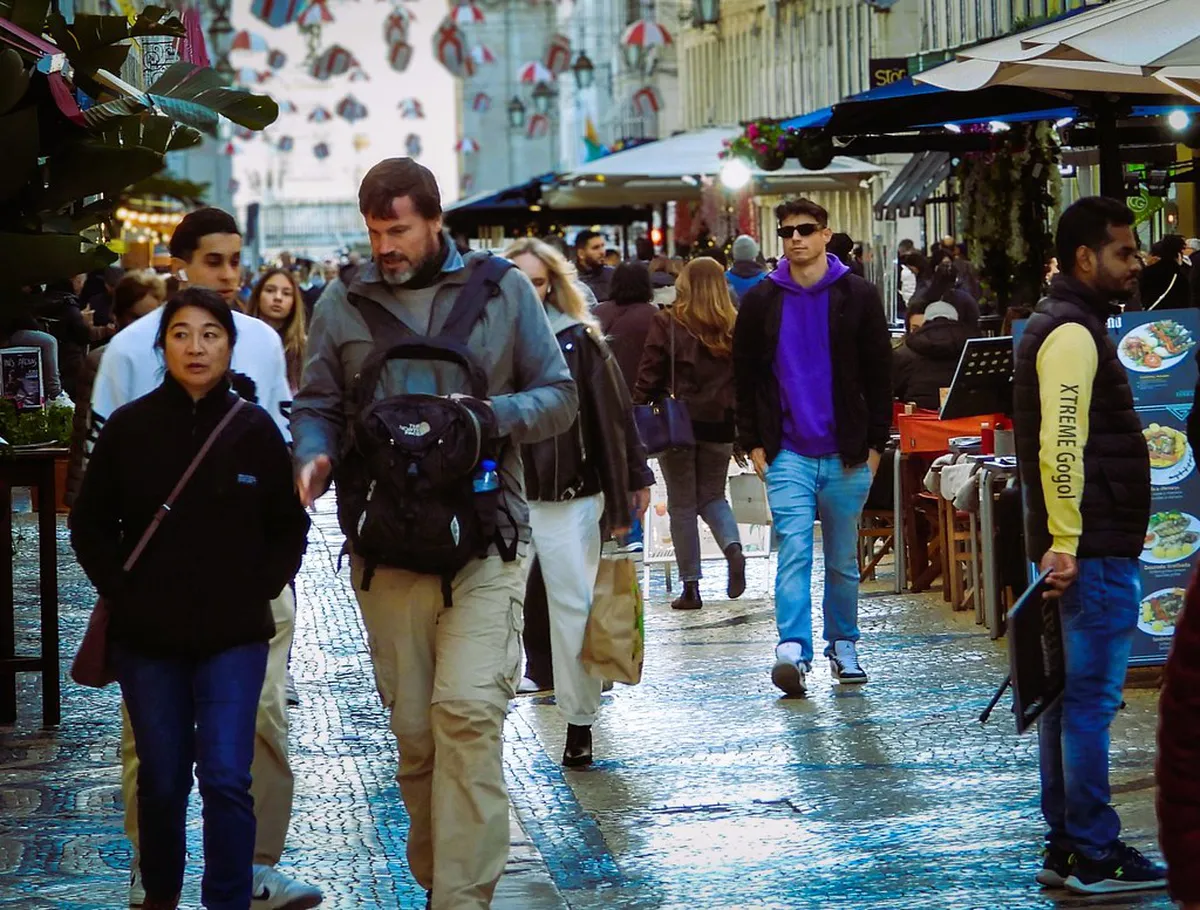
Rua Augusta is Baixa's most famous pedestrian street. It connects Praça do Comércio to Rossio Square. This lively street teems with shops and street performers. You will find everything from international brands to local souvenirs here.
Many cafes line the bustling Rua Augusta. Stop for a traditional Portuguese pastry. Ginjinha, a cherry liqueur, is also readily available. Prices for pastries start around 1.50 EUR. Discover more about Rua Augusta shopping in our dedicated guide.
Explore the smaller side streets branching off Rua Augusta. They reveal hidden gems and local eateries. These parallel streets follow the Pombaline grid pattern. Each street often specialized in certain trades historically.
Rossio and Praça da Figueira: Lisbon's Bustling Hubs
Rossio Square, officially Praça Dom Pedro IV, is a historical meeting point. Its distinctive wavy mosaic pavement is iconic. Two Baroque fountains adorn the square. The Column of Pedro IV stands proudly in the center.
Nearby, Praça da Figueira offers vibrant market atmosphere. It hosts various cultural events throughout the year. The square is a major transport hub for buses and trams. Enjoy fresh produce or local crafts here.
Both squares are perfect spots for people-watching. Surrounding cafes provide ample seating. Consider visiting these squares mid-morning for fewer crowds. These sites are key parts of Baixa's historic sights.
Discovering Baixa's Pombaline Architecture
Baixa's architecture is a testament to urban planning. The area was rebuilt after the 1755 earthquake. Marquis of Pombal led this innovative reconstruction. Buildings feature uniform facades and earthquake-resistant structures.
Notice the distinctive grid layout of the streets. This design was revolutionary for its time. It emphasized functionality and symmetry. The lower two floors are often reserved for shops.
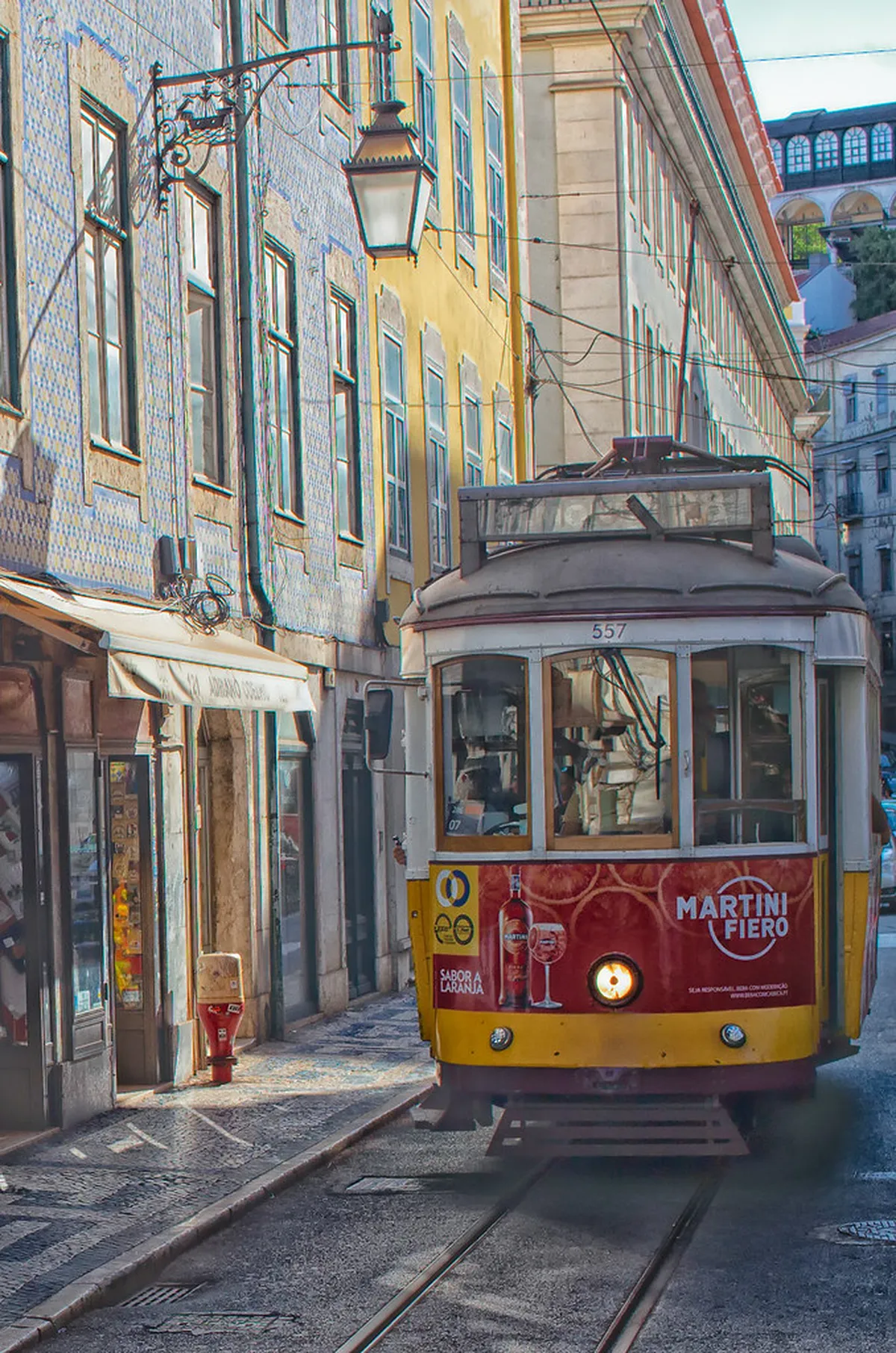
Many buildings display beautiful traditional tiles. Look for unique storefronts and old signs. They tell stories of past businesses. This architectural style gives Baixa its unique character.
Take your time to observe the details. The 'Pombaline cage' was an early seismic-resistant method. It involved a wooden frame within the stone walls. This clever engineering helped the city rebuild quickly and safely.
Essential Tips for Your Baixa Walking Tour in 2026
Wear comfortable walking shoes. You will cover significant ground on your tour. Lisbon's charming streets often feature uneven cobblestones. Be prepared for some gentle slopes, though Baixa is mostly flat.
The best time for a Baixa walking tour is spring or fall. March to May and September to October offer mild weather. Summer months can be very hot and crowded. Early mornings provide cooler temperatures and fewer people.
Carry a reusable water bottle. Staying hydrated is important during your walk. Many cafes offer public restrooms for customers. Download an offline map of Baixa before you start your exploration.
Consider starting your tour at 9:00 AM. This avoids the busiest midday rush. A self-guided tour typically takes 2-3 hours. This duration allows for stops at cafes and shops. Public transport is readily available if you need a break.
Baixa's pedestrian streets are packed with shoppers and street performers by midday. Start at Praça do Comércio around 9:00 AM and walk north toward Rossio to enjoy the squares and Rua Augusta before the crowds arrive. Wear comfortable shoes for the uneven cobblestones, and plan to climb the Arco da Rua Augusta (around 3.50 EUR, open 10 AM to 6 PM) once it opens.
Baixa Walking Tour Stops at a Glance
Use this overview to plan your route through the key stops named on this self-guided tour, including the costs and notes mentioned above.
| Stop | What to see | Cost / notes |
|---|---|---|
| Praça do Comércio | Riverside royal square, one of Europe's largest public spaces | Free; start point by the Tagus |
| Arco da Rua Augusta | Triumphal arch with rooftop city views | Around 3.50 EUR; open 10 AM to 6 PM daily |
| Rua Augusta | Main pedestrian street with shops, cafes and performers | Free; pastries from around 1.50 EUR |
| Rossio (Praça Dom Pedro IV) | Wavy mosaic pavement, two Baroque fountains, Column of Pedro IV | Free; best mid-morning for fewer crowds |
| Praça da Figueira | Market atmosphere and major bus/tram transport hub | Free; cultural events year-round |
Self-Guided Baixa Walking Route
Follow this geographically ordered route to link the squares and streets covered above. It runs south to north from the riverfront up through the Pombaline grid, exactly as Rua Augusta connects Praça do Comércio to Rossio.
- Start at Praça do Comércio, facing the Tagus River, and take in the grand riverside square.
- Walk to the Arco da Rua Augusta and, once it opens, climb up for sweeping views over the Baixa grid.
- Pass through the arch onto Rua Augusta, browsing the shops and pausing for a pastry or ginjinha.
- Detour into the smaller side streets branching off Rua Augusta to find local eateries and hidden gems.
- Continue north to Rossio (Praça Dom Pedro IV) to see the wavy mosaic pavement, fountains, and central column.
- Finish a few steps east at Praça da Figueira, soaking up the market atmosphere before catching a bus or tram.
Frequently Asked Questions
How long does a walking tour of Baixa Lisbon streets typically take?
A comprehensive self-guided walking tour of Baixa Lisbon streets generally takes two to three hours. This allows time for sightseeing and short breaks. You can adjust the duration based on your interests.
What are the main attractions to see during a Baixa walking tour?
Key attractions include Praça do Comércio, Rua Augusta, and Rossio Square. Don't miss the Santa Justa Lift for city views. Explore the grid of Pombaline architecture. Discover local shops and traditional eateries.
Is Baixa Lisbon pedestrian-friendly for families?
Yes, Baixa is very pedestrian-friendly for families. Its grid layout is relatively flat. Many streets are car-free zones. Sidewalks are wide and easy to navigate. Children will enjoy the open squares and street performers.
Embarking on a walking tour of Baixa Lisbon streets offers a rich experience. You uncover history, admire architecture, and enjoy local life. The district's unique charm will captivate you. It remains a must-visit destination in 2026.
Plan your visit to this magnificent part of Lisbon. Discover its squares, shops, and delicious food. Baixa promises an unforgettable journey. Start exploring this vibrant district soon!
Key Takeaways
- Wear comfortable shoes for walking on cobblestone streets.
- Visit during spring or fall for pleasant weather and fewer crowds.
- Explore both major squares and smaller side streets for hidden gems.
Continue exploring Lisbon's historic quarter
 Explore Lisbon's Baixa Pedestrian Streets in 2026December 12, 2025
 Rua Augusta Shopping: Baixa Lisbon's Retail HubDecember 11, 2025
 Best Pedestrian Areas Baixa Lisbon in 2026 GuideDecember 10, 2025
- Walking Tour Baixa Lisbon Streets: Your 2026 GuideDecember 10, 2025