
Discover the Rich History of Batalha Square Porto
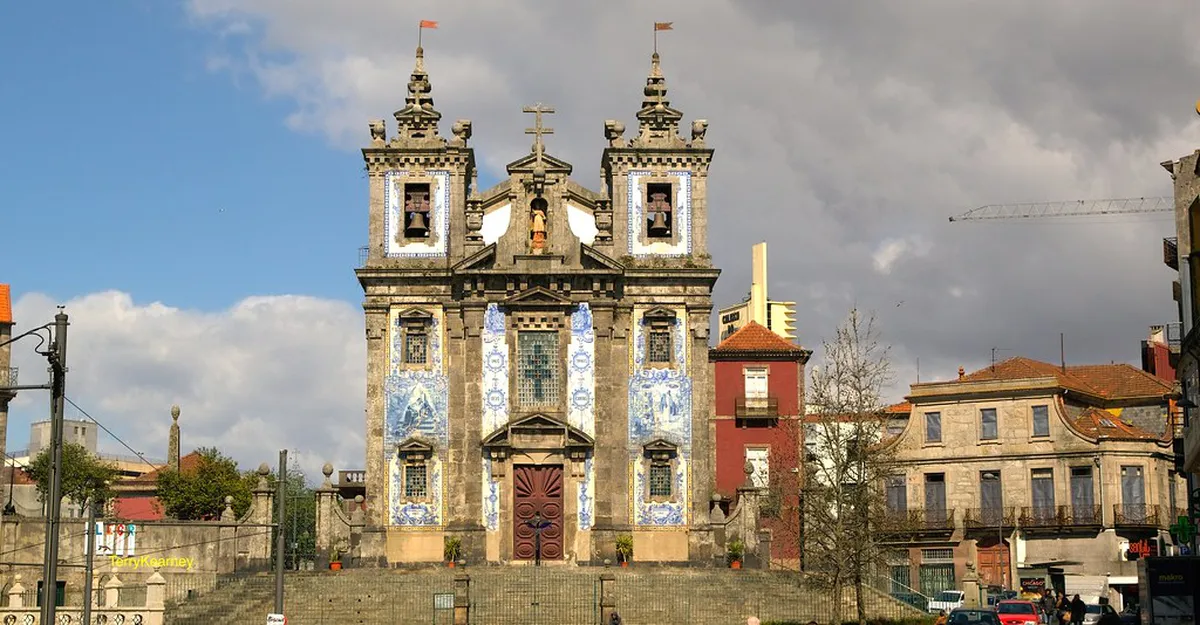
Table of Contents
Batalha Square, or Praça da Batalha, stands as a vibrant hub in Porto. This iconic square holds centuries of compelling history. Its name, "Battle Square," evokes tales from the past. You can feel the echoes of time walking its cobblestones today. Visiting in 2026 offers a chance to experience this rich heritage.
This guide delves into the deep history of Batalha Square Porto. We explore its medieval beginnings and significant urban changes. Discover the stories behind its famous buildings. Understand how this square became a central part of Porto's identity.
Early Beginnings and Medieval Roots
Batalha Square boasts a storied past dating back to medieval times. Its origins are linked to the city's ancient walls. The area was once outside the original city limits. It served as a strategic point for defense and trade.
The square earned its name from a significant battle. In the 10th century, Christians fought Moors here. This conflict shaped early Porto's landscape. The victory solidified the area's importance.
Over centuries, the square grew slowly. It became a gathering place for locals. Markets and public events were common occurrences. This early period laid the groundwork for its future development. The square remains a historical cornerstone.
Transformation and Urban Development
The 18th and 19th centuries brought major changes to Batalha Square. Porto experienced significant urban growth. The square transformed from a simple gathering area. It became a grand urban space reflecting the city's prosperity.
Key buildings began to rise around the square. These structures influenced its new elegant character. Streets were widened and new access points created. This modernizing vision reshaped the entire district.
Architectural styles evolved, adding new layers of history. Many notable architects contributed to its appearance. The square developed into a central point for culture and commerce. This period defined much of its current layout.
Key Landmarks of Batalha Square Porto
Batalha Square is home to several magnificent landmarks. The most prominent is the Teatro Nacional São João. This stunning national theatre first opened in 1798. It hosts a rich program of plays and performances today.
Nearby, you'll find the beautiful Church of Santo Ildefonso. This church is famous for its blue and white azulejos. These traditional Portuguese tiles depict religious scenes. It's a true masterpiece of local artistry.
The square also features a statue of King Pedro IV. He was a pivotal figure in Portuguese history. His presence honors his contributions to the nation. Exploring these sites reveals Porto's deep cultural heritage.
The Teatro Nacional São João first opened in 1798 and was originally known as the Royal Theatre of São João. After a fire in the early 20th century it was rebuilt — check the current program before your visit, as it showcases diverse performances throughout the year.
Batalha Square Through the Centuries
Throughout history, Batalha Square has witnessed countless events. It served as a political stage during various regimes. Public celebrations and protests often took place here. The square reflects the city's evolving social fabric.
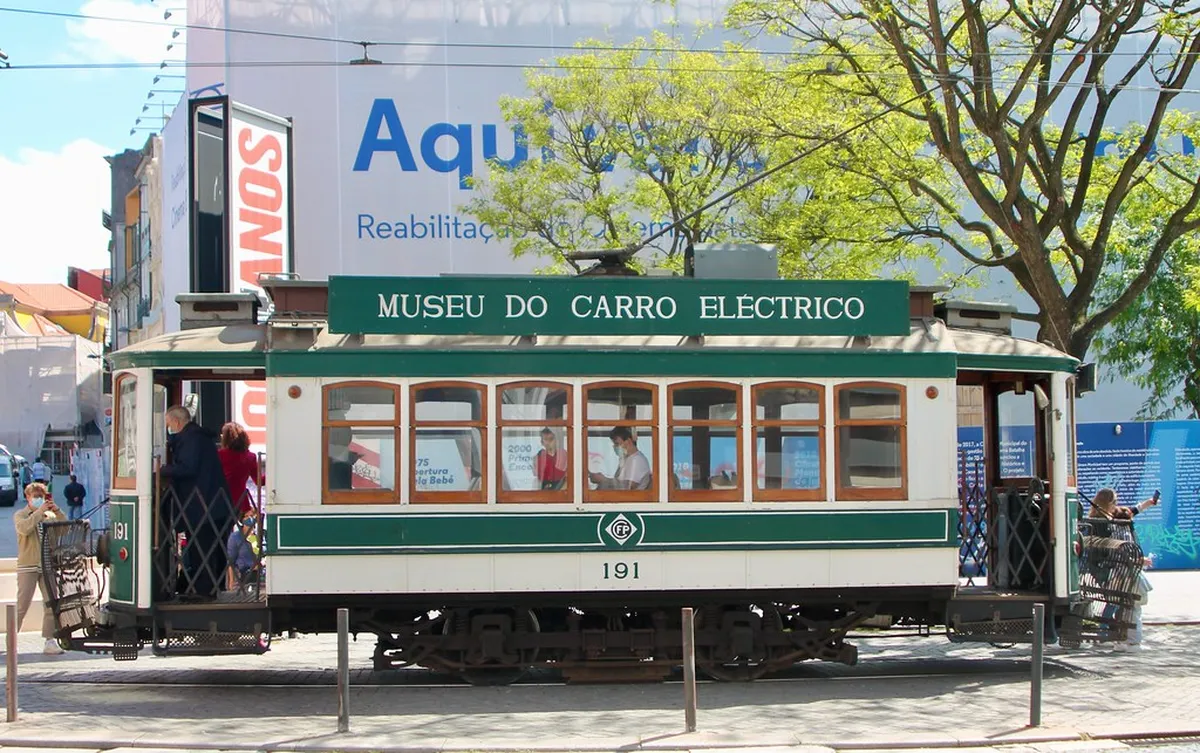
In the 20th century, transportation hubs grew around it. Trams and buses made it a key transit point. This further cemented its role as a central area. The square adapted to modern life while retaining its charm.
Today, it continues to be a vibrant meeting place. Locals and tourists alike enjoy its atmosphere. You can easily access other historic neighborhoods in Porto from here. The square stands as a living testament to Porto's enduring spirit. Nearby landmarks like the Clérigos Tower add to the area's cultural richness.
Batalha Square is a major tram and bus interchange, so the area around it can be very congested — especially during morning and evening rush hours. If you plan to linger and explore the landmarks, aim to visit mid-morning or early afternoon to avoid the heaviest crowds.
Visiting Batalha Square in 2026
Planning a trip to Batalha Square in 2026 promises a memorable experience. The square is easily accessible by public transport. Many major bus routes pass through this area. The São Bento Station is also a short walk away.
Allow time to explore the surroundings thoroughly. You can visit the São João Theatre for a show. Admire the stunning azulejos at Santo Ildefonso Church. Enjoy a coffee at one of the charming local cafes.
Batalha Square provides an excellent starting point for exploration. From here, walk to Santa Catarina Street for shopping. Discover many other attractions nearby. This historic square perfectly blends past and present for all visitors. You can easily reach nearby neighborhoods like Baixa and Ribeira for further exploration.
Frequently Asked Questions
What is the historical significance of Batalha Square?
Batalha Square holds deep historical importance for Porto. It is named after a 10th-century battle against the Moors. The square developed from medieval times into a grand urban center. It has served as a critical defense point and a hub for public life. Its landmarks reflect centuries of architectural and cultural changes.
When was Teatro Nacional São João built in Batalha Square?
The Teatro Nacional São João, a prominent landmark, opened in 1798. It was originally known as the Royal Theatre of São João. The theatre underwent rebuilding after a fire in the early 20th century. Today, it remains a vital cultural institution in Porto. It showcases diverse performances throughout the year.
Are there any hidden historical gems near Batalha Square?
Yes, many historical gems surround Batalha Square. Just a short walk away, you can find remnants of the old city walls. Explore the narrow streets leading to the Ribeira District. Discover charming, less-traveled alleys and traditional shops. Seek out local taverns for an authentic taste of Porto's past. Each corner holds a piece of history.
Batalha Square truly embodies the enduring spirit of Porto. Its rich history spans from medieval battles to modern-day vibrancy. The square offers a fascinating glimpse into the city's past and present. Visiting its landmarks tells a powerful story.
Plan your journey to this historical gem in 2026. Experience the charm, culture, and deep heritage of Porto. Batalha Square is a must-see destination for any history enthusiast. It perfectly encapsulates the essence of this captivating Portuguese city.
Key Takeaways
- Batalha Square's name originates from a 10th-century battle.
- The square transformed significantly in the 18th-19th centuries.
- Key landmarks include Teatro São João and Santo Ildefonso Church.
- It remains a central cultural and historical hub in Porto.
Continue exploring Porto's historic quarter
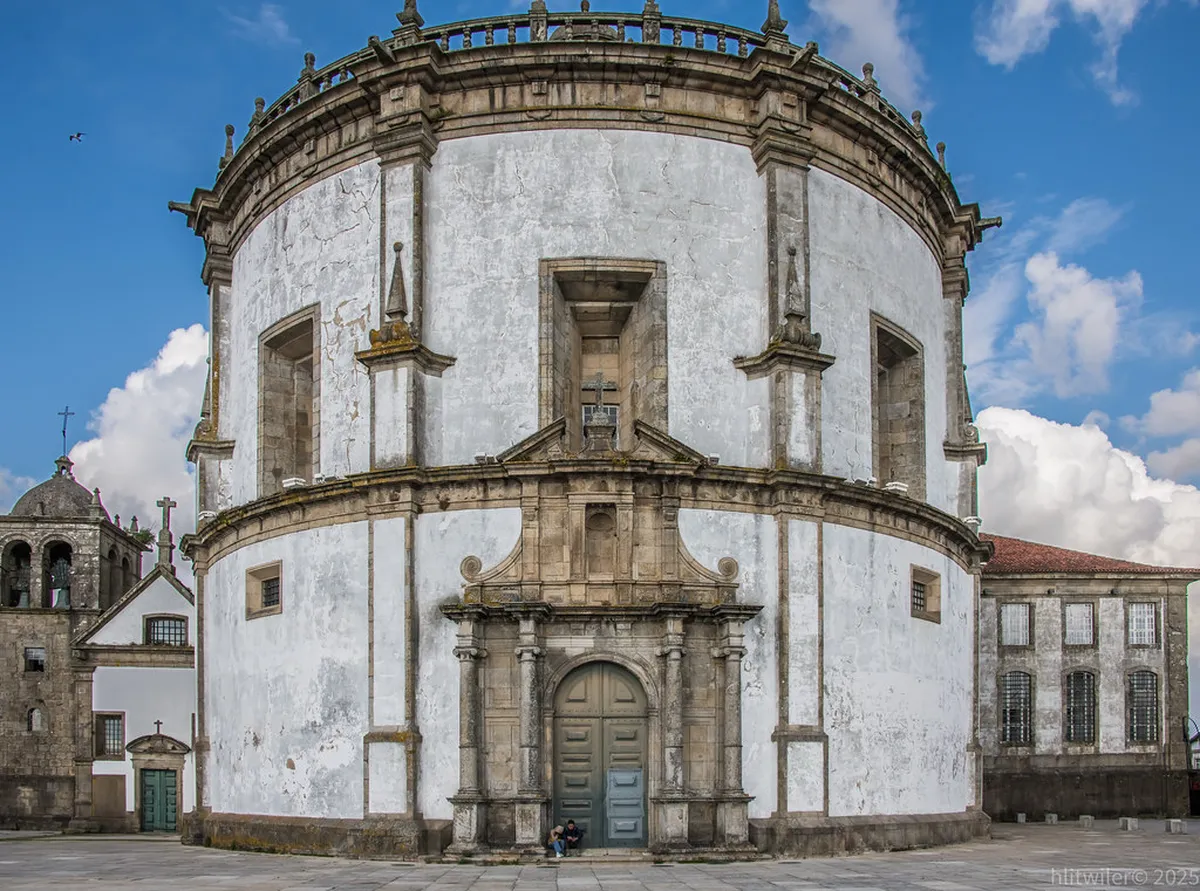 Batalha Square Porto Guide: Explore its Historic Charm in 2026December 12, 2025
- Discover the Rich History of Batalha Square PortoDecember 12, 2025
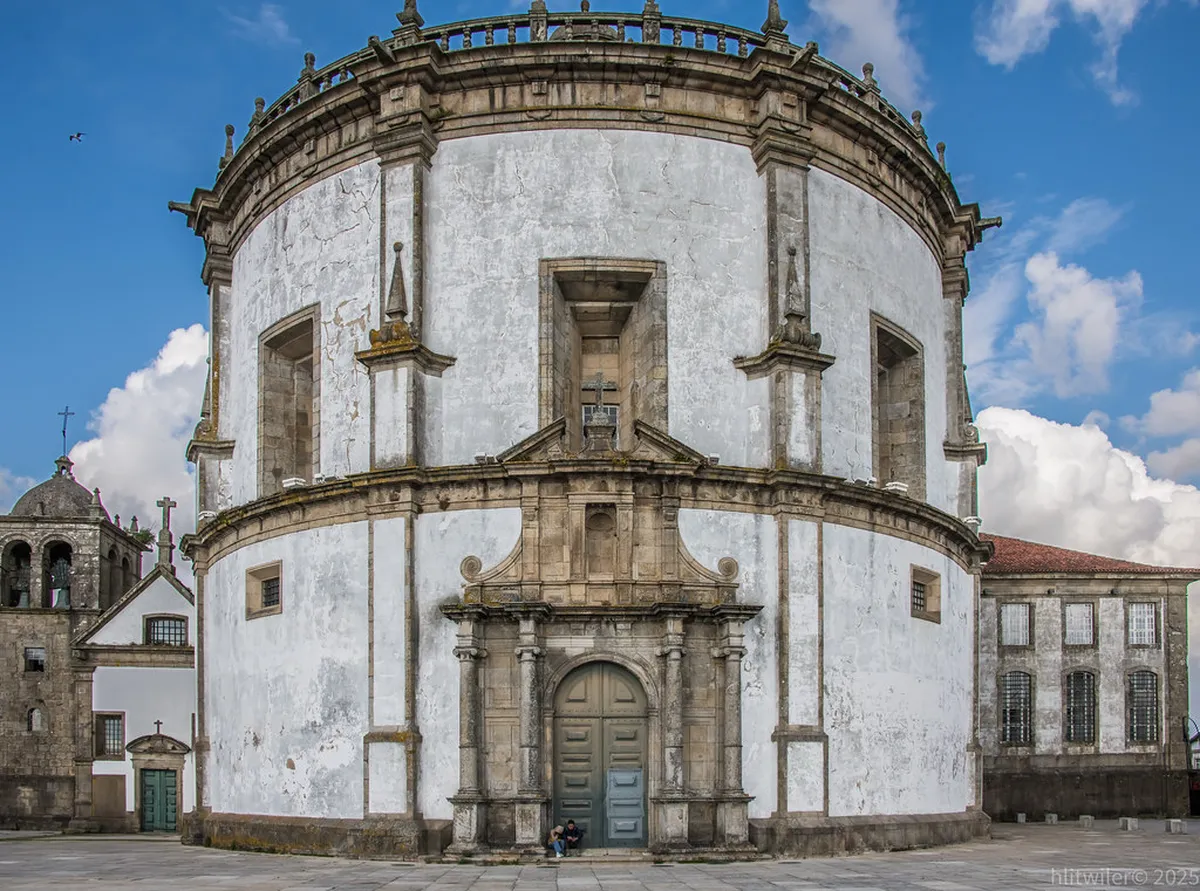 Top Attractions Near Batalha Square Porto in 2026December 10, 2025
 Fun Activities for Kids in Porto Old Town 2026December 13, 2025
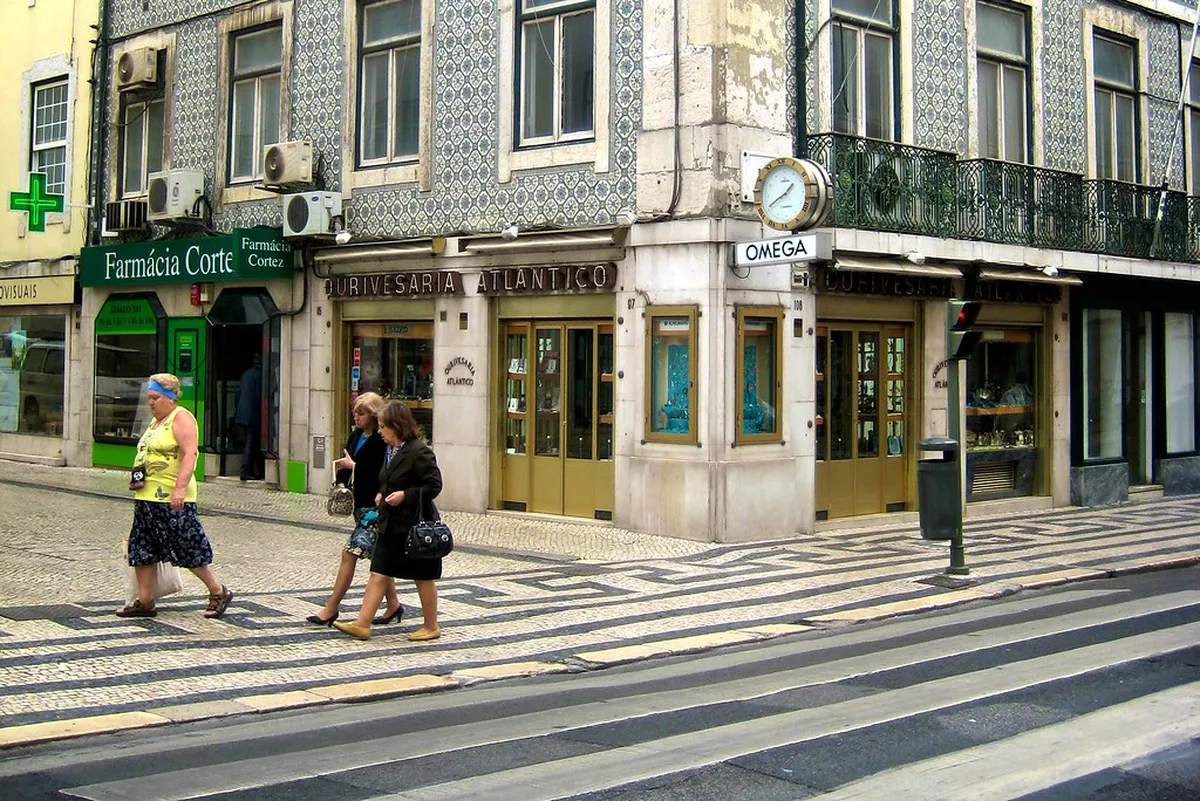 Top Baixa Budget Restaurants Porto Options 2026December 13, 2025