
The Enduring History of Porto Sé Cathedral
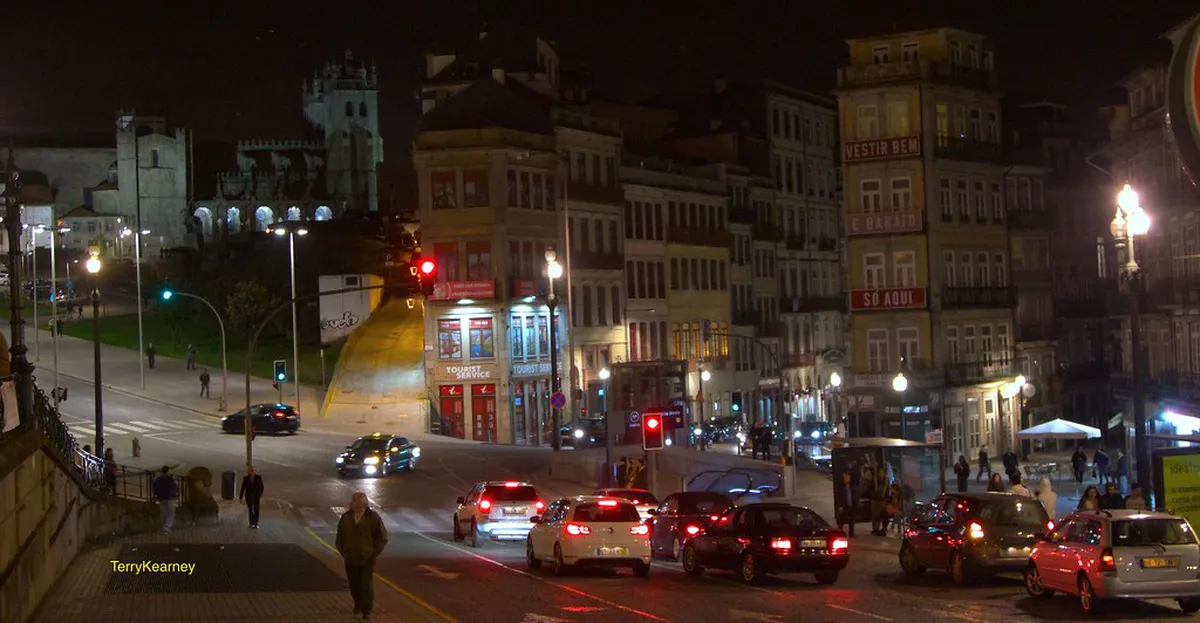
Table of Contents
Porto's Sé Cathedral stands majestically above the city. Its ancient stones tell a powerful story. This iconic landmark boasts a rich and complex history. Understanding its past enhances your visit in 2026.
The history of Porto Sé Cathedral stretches back centuries. It reflects the evolution of Porto itself. From Romanesque origins to Baroque additions, each era left its mark. Discover the architectural wonders and historical significance within its walls.
Romanesque Foundations and Early Beginnings
Construction of the Sé Cathedral began in the 12th century. Bishop Hugo initiated this ambitious project. It was originally built as a Romanesque fortress-church. This style provided strong defenses for the city.
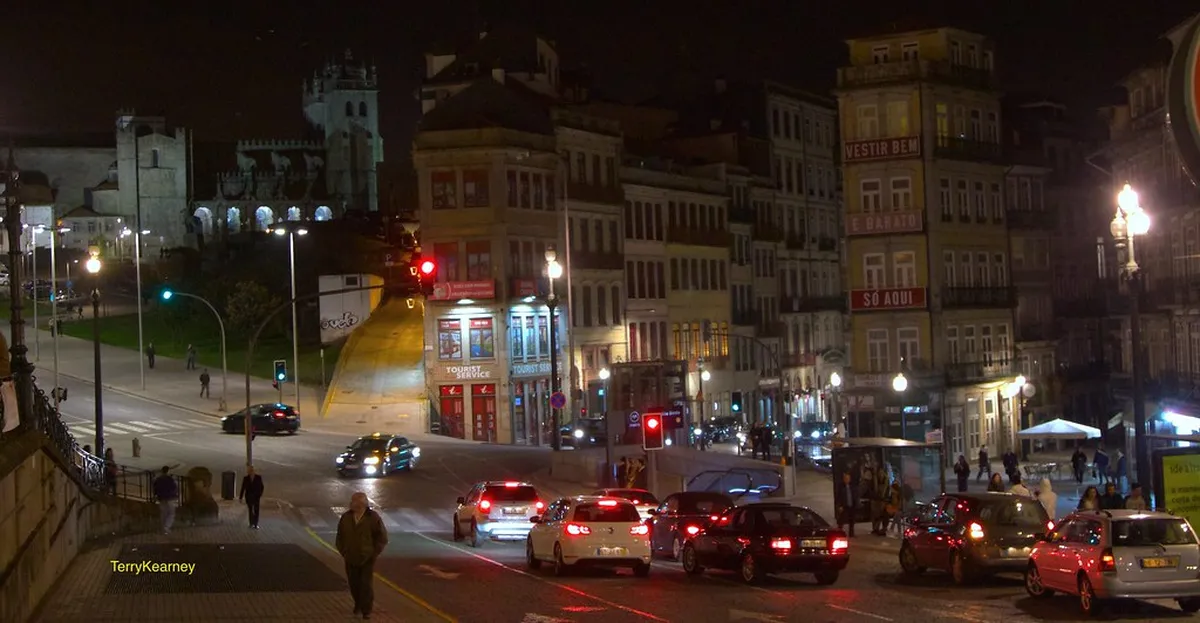
The early structure featured thick walls and battlements. These elements protected Porto from invaders. It also served as a spiritual center. The cathedral's position offered strategic views over the Douro River.
Archaeological findings support its Romanesque heritage. Experts uncovered remnants beneath the current building. These discoveries reveal its deep historical roots. They connect the cathedral to Porto's medieval past.
Early documents describe the original layout. It was simpler than today's complex structure. This foundational period laid the groundwork. It shaped the enduring presence of Porto's Sé Cathedral.
Gothic Transformations and Medieval Life
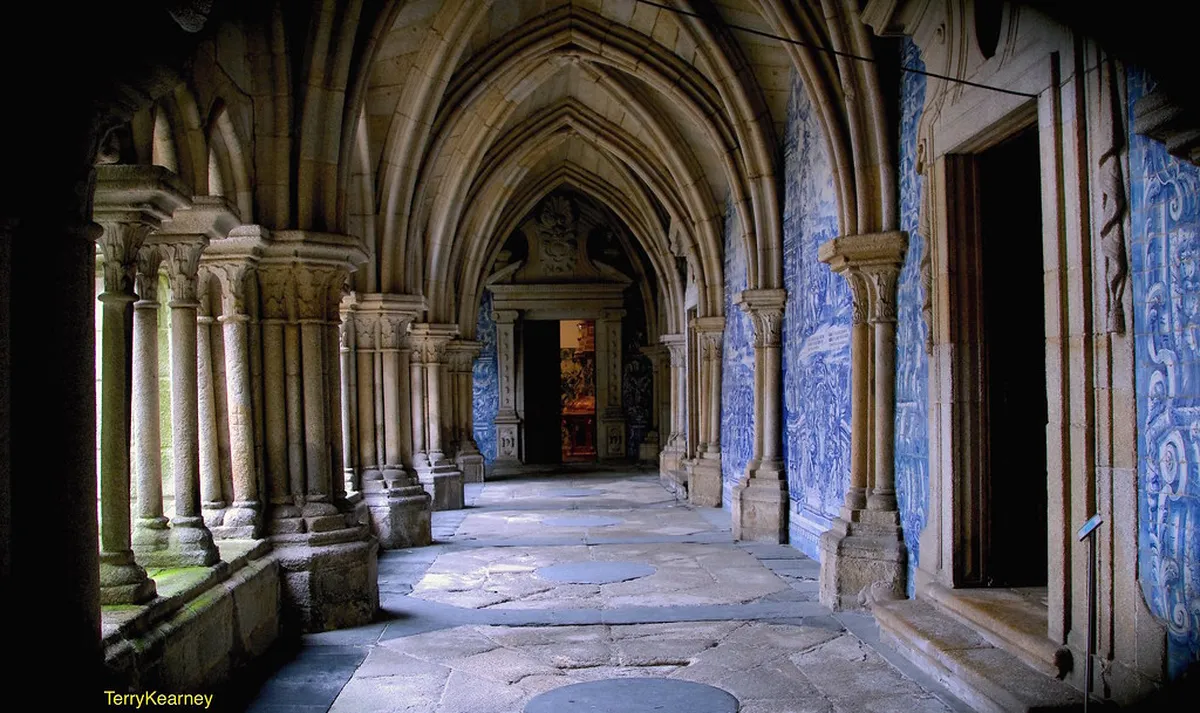
Later centuries brought significant Gothic alterations. The cloisters are a prime example of this style. They were added during the 14th century. These additions created a peaceful, enclosed space.
The Gothic cloisters feature beautiful azulejo tiles. These tiles were added much later, in the 18th century. They depict scenes from the Song of Solomon. This blend of styles is quite unique.
The original Gothic rose window remains. It illuminates the interior with soft light. New chapels were also constructed. These changes reflected evolving architectural tastes.
The cathedral was central to medieval life. It hosted coronations and royal weddings. Religious ceremonies were vital for the community. The Sé Cathedral truly served as the heart of Porto.
The city's growth influenced the cathedral's expansion. Porto became a vital trading port. Merchants and bishops contributed funds. Their generosity shaped the building's grandeur.
Baroque Splendor and Artistic Evolution
The Baroque period brought dramatic changes. During the 17th and 18th centuries, renovations transformed the interior. Gilded altarpieces became prominent features. Silverwork adorned many areas.
Nicolau Nasoni designed the iconic loggia. This stunning structure graces the cathedral's facade. His Baroque influence is visible throughout. Nasoni also worked on other Porto landmarks.
The main chapel received a magnificent silver altarpiece. This piece is a true masterpiece of Portuguese craftsmanship. It took many years to complete. Visitors marvel at its intricate details today.
These Baroque additions reflect changing religious art trends. They aimed to inspire awe and devotion. The ornate decorations remain impressive. They stand in contrast to the earlier Romanesque austerity.
Visitors in 2026 can admire these intricate details. Explore the chapels and main altar. Each element tells a story. This blend of styles defines the rich architecture here.
The Sé Cathedral's Enduring Legacy in Porto
The history of Porto Sé Cathedral holds immense historical value. It witnessed countless pivotal moments. Royal figures were baptized within its walls. Important political events also unfolded here.
It served as a starting point for pilgrims. Many began their Camino de Santiago journey from here. The cathedral provided spiritual guidance. Its location offered a clear path to Santiago de Compostela.
Today, it is a UNESCO World Heritage site. This recognition highlights its global importance. It is a testament to its architectural evolution. The cathedral stands as a symbol of Porto.
The area surrounding the cathedral is equally historic. Visitors can explore the charming historic neighborhoods in Porto. Narrow streets lead to stunning viewpoints. The entire complex offers a glimpse into Porto's past.
It continues to be an active place of worship. Its bells still chime across the city. The Sé Cathedral remains a vital part of Porto's identity. Its enduring legacy is truly remarkable.
Planning Your 2026 Visit to Porto Sé Cathedral
Visiting the Sé Cathedral is a must for any traveler. Plan your trip for 2026 to experience its grandeur. The cathedral is open daily to tourists. Check specific hours before your arrival.
Entry to the main church is free. A small ticket fee is charged for access to the cloisters and treasury — both are well worth it. Pick up tickets at the entrance on the day of your visit.
A small entrance fee grants access to the cloisters and treasury. The main church is free to enter. Purchase tickets at the entrance. Consider a guided tour for deeper insights.
| Area | Access | Highlights | Time Needed |
|---|---|---|---|
| Main Church | Free | Baroque silver altarpiece, Gothic rose window | ~20 min |
| Cloisters | Paid (small fee) | 14th-century Gothic architecture, 18th-century azulejo tiles | ~20 min |
| Treasury | Paid (small fee) | Religious artefacts and silverwork | ~15 min |
| Exterior & Terrace | Free | Baroque loggia by Nasoni, panoramic views over Porto | ~15 min |
Wear comfortable shoes for walking around. The cathedral sits on a hill. The surrounding area has cobblestone streets. Allow at least an hour to explore thoroughly.
The cathedral sits on one of Porto's highest hills and the surrounding streets are steep cobblestone. Wear sturdy, flat-soled shoes — heels or sandals without grip can make the approach slippery, especially after rain.
Photography is generally permitted inside. Be respectful of worshippers during services. The views from the terrace are breathtaking. They offer panoramic vistas of Porto.
For more detailed information on visiting, refer to our comprehensive Sé Cathedral Porto visit guide. It provides practical tips for an enjoyable experience. Exploring this site is truly unforgettable.
Frequently Asked Questions
What are the main architectural styles seen in Porto Sé Cathedral?
The cathedral showcases a blend of architectural styles. Its origins are firmly Romanesque, with strong, fortress-like features. Later additions introduced beautiful Gothic elements, particularly in the cloisters. Finally, significant Baroque renovations added ornate details and grandiosity, especially visible in the façade and altars.
Can I explore the cloisters of the Sé Cathedral?
Yes, the cloisters are a highlight of any visit. Access to the cloisters typically requires a small entrance fee. Inside, you will find stunning 18th-century azulejo tiles. These depict biblical scenes and add vibrant color to the Gothic architecture.
How long should I budget for a visit to the Porto Sé Cathedral complex?
Most visitors spend about 1 to 1.5 hours exploring the cathedral. This allows time for the main church, the cloisters, and the treasury. You can also enjoy the exterior views. Factor in extra time for walking through the surrounding historic areas.
What is the significance of the cathedral's location in Porto?
The Sé Cathedral sits on one of Porto's highest points. This strategic location provided defense in ancient times. It also offered a commanding view of the city and river. Historically, it symbolized religious and political power. It remains central to exploring Porto's Old City today.
The history of Porto Sé Cathedral is a compelling narrative. It spans nearly a millennium of construction and change. Each era left its indelible mark. This magnificent structure truly embodies Porto's enduring spirit.
From Romanesque strength to Baroque artistry, it tells an incredible story. Make sure to include this historical gem in your 2026 travel plans. Experience its grandeur and immerse yourself in Porto's rich past.
Key Takeaways
- Porto Sé Cathedral blends Romanesque, Gothic, and Baroque styles.
- The cloisters feature unique 18th-century azulejo tilework.
- Allow 1-1.5 hours for a comprehensive visit to the complex.
Continue exploring Porto's historic quarter
- The Enduring History of Porto Sé CathedralDecember 13, 2025
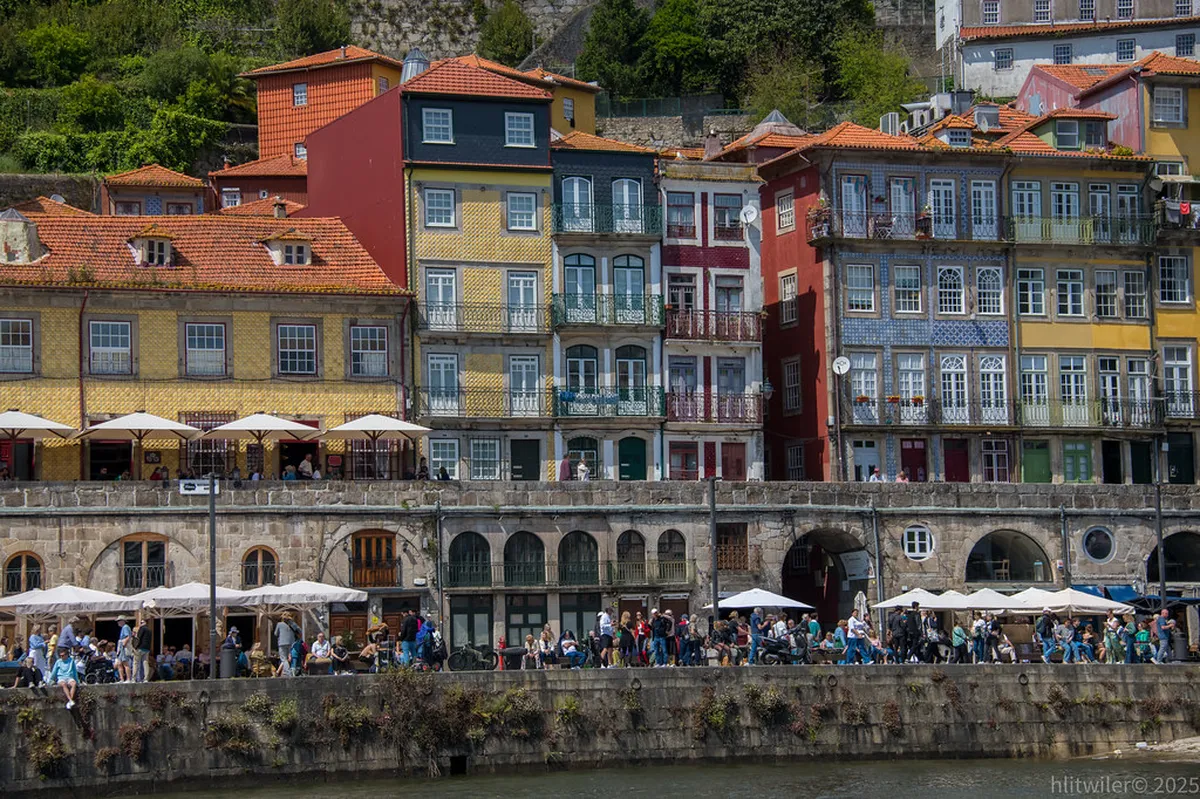 Porto Sé Cathedral Opening Hours & Visit Guide 2026December 10, 2025
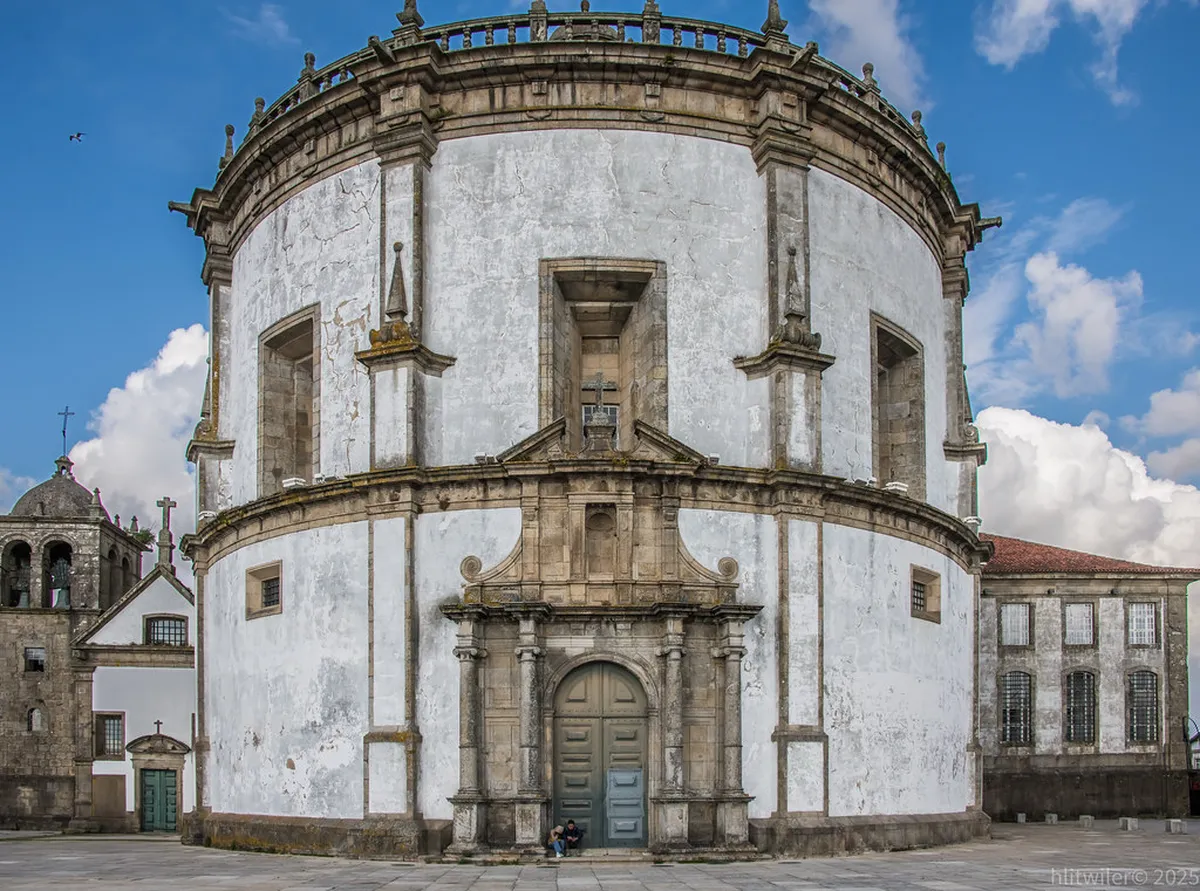 Your Guide to an Unforgettable Sé Cathedral Porto VisitDecember 10, 2025
 Fun Activities for Kids in Porto Old Town 2026December 13, 2025
 Top Baixa Budget Restaurants Porto Options 2026December 13, 2025