
History of São Bento Station Porto: A Deep Dive
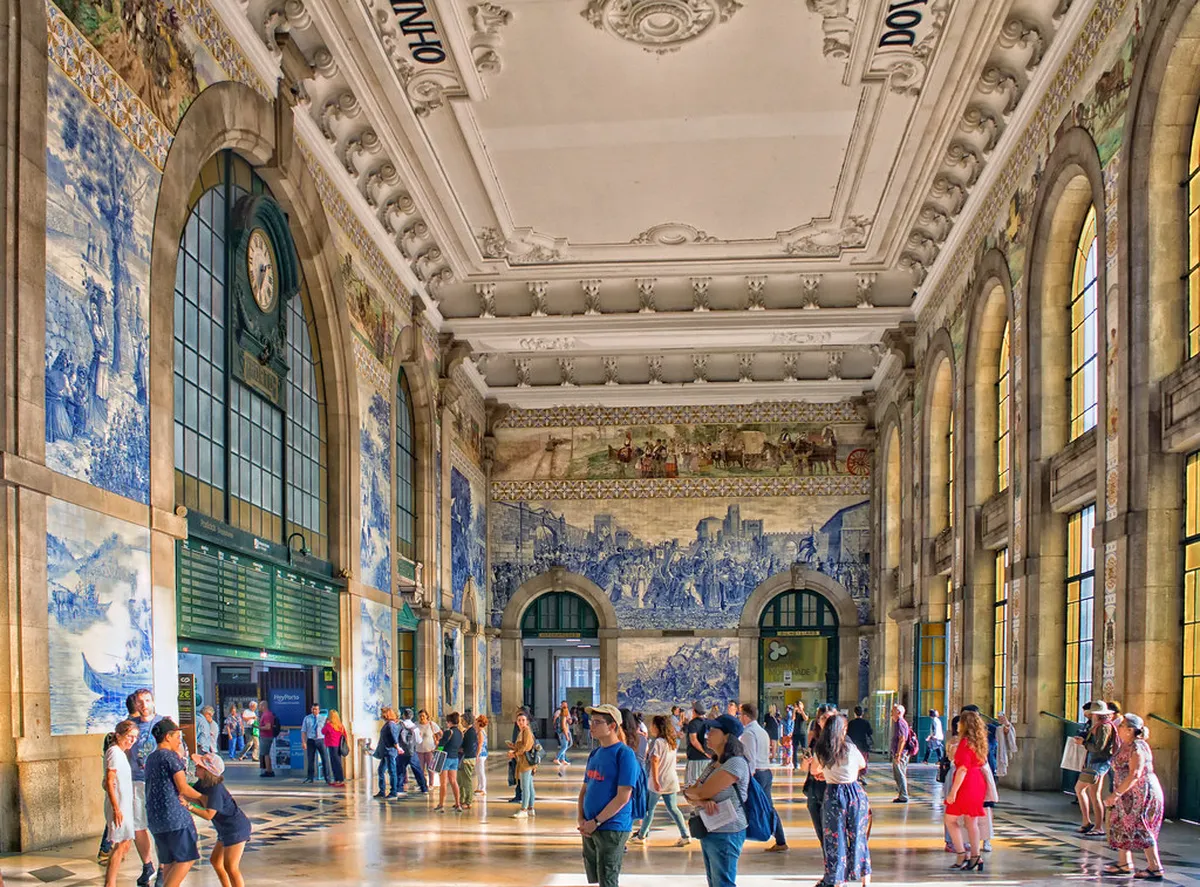
Table of Contents
São Bento Station in Porto stands as a true architectural marvel. Its intricate history dates back many centuries. This guide explores the fascinating history of São Bento Station Porto. You will learn about its transformation from a convent to a bustling rail hub. Prepare to be captivated by its story and stunning beauty.
Many visitors consider it one of the world's most beautiful stations. Its famous azulejo panels depict grand historical scenes. We will uncover the station's past and practical visitor insights for 2026. Explore more about São Bento Station Porto and its charm.
From Convent to Grand Railway Station
The site of São Bento Station holds deep historical roots. Originally, it housed the Benedictine Convent of São Bento de Avé-Maria. This convent was established in the 16th century. It became a significant religious landmark over time.
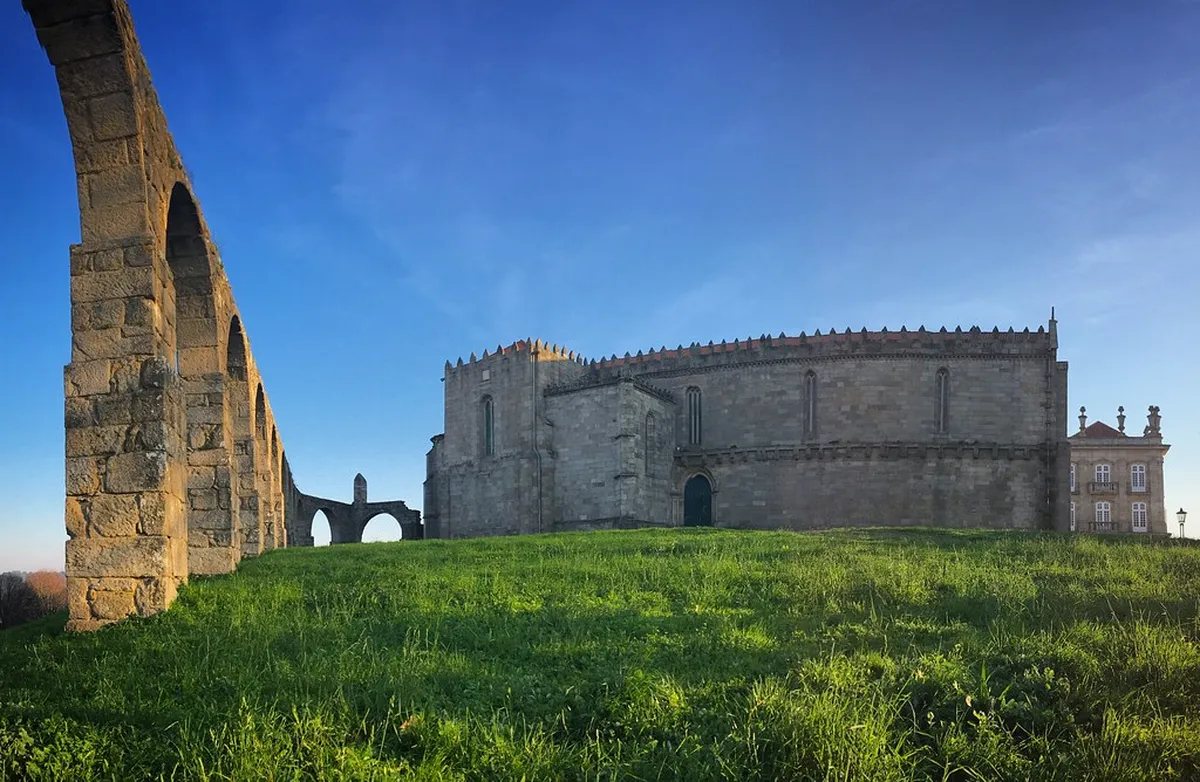
However, the convent faced decline in the 19th century. A series of events led to its eventual closure. The last nuns departed in 1892. This marked the end of an era for the religious institution.
The city of Porto then sought a central location for a new railway station. The old convent grounds proved ideal for this purpose. Demolition of the convent began in 1894. This cleared the way for a modern transportation hub.
Architectural Design and Early Construction
The design for the new station was entrusted to José Marques da Silva. He was a prominent Porto architect. His vision blended Beaux-Arts and Art Nouveau styles. The foundation stone was laid by King Carlos I in 1900.
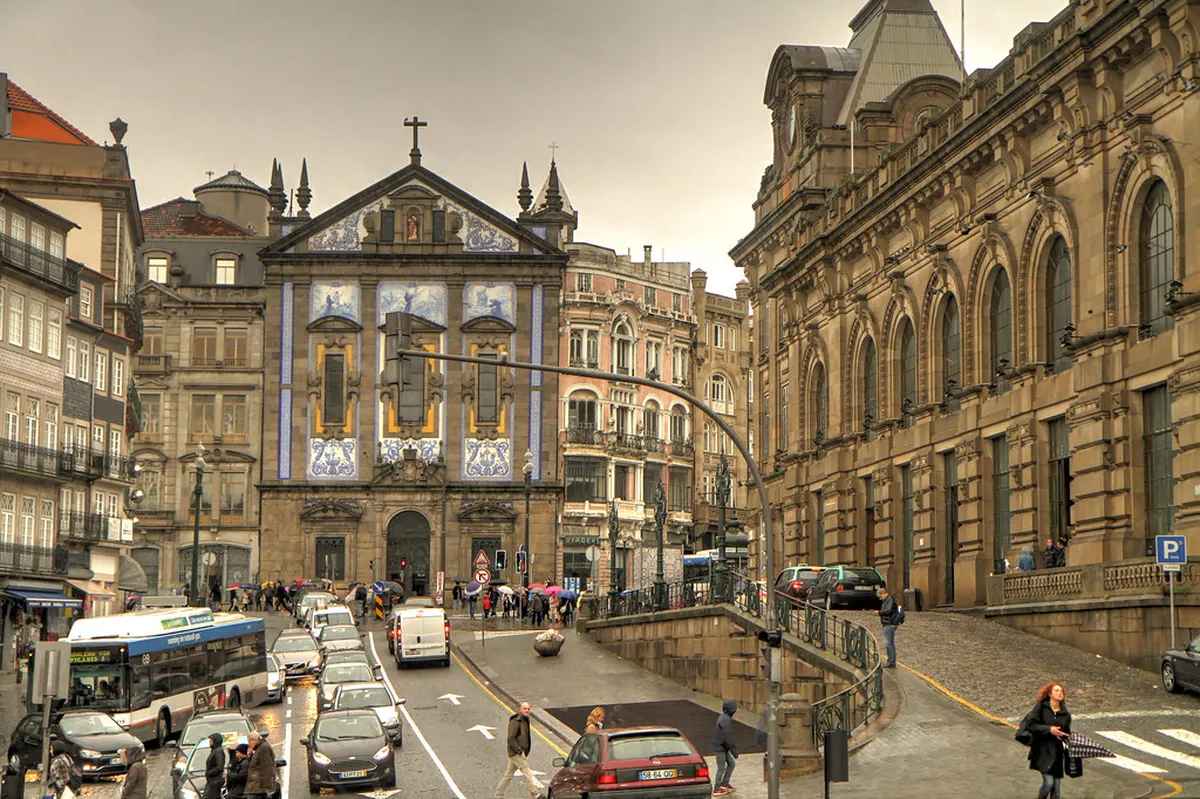
Construction proceeded slowly but meticulously. The station's grand façade started taking shape. Its elegant stone carvings hinted at the beauty within. Local materials and craftsmanship were highly valued.
The building was completed in 1916 after many years. Its impressive structure instantly became a city icon. The station opened to serve a growing number of passengers. It quickly became central to Porto's transport network.
The Iconic Azulejo Tile Panels of São Bento
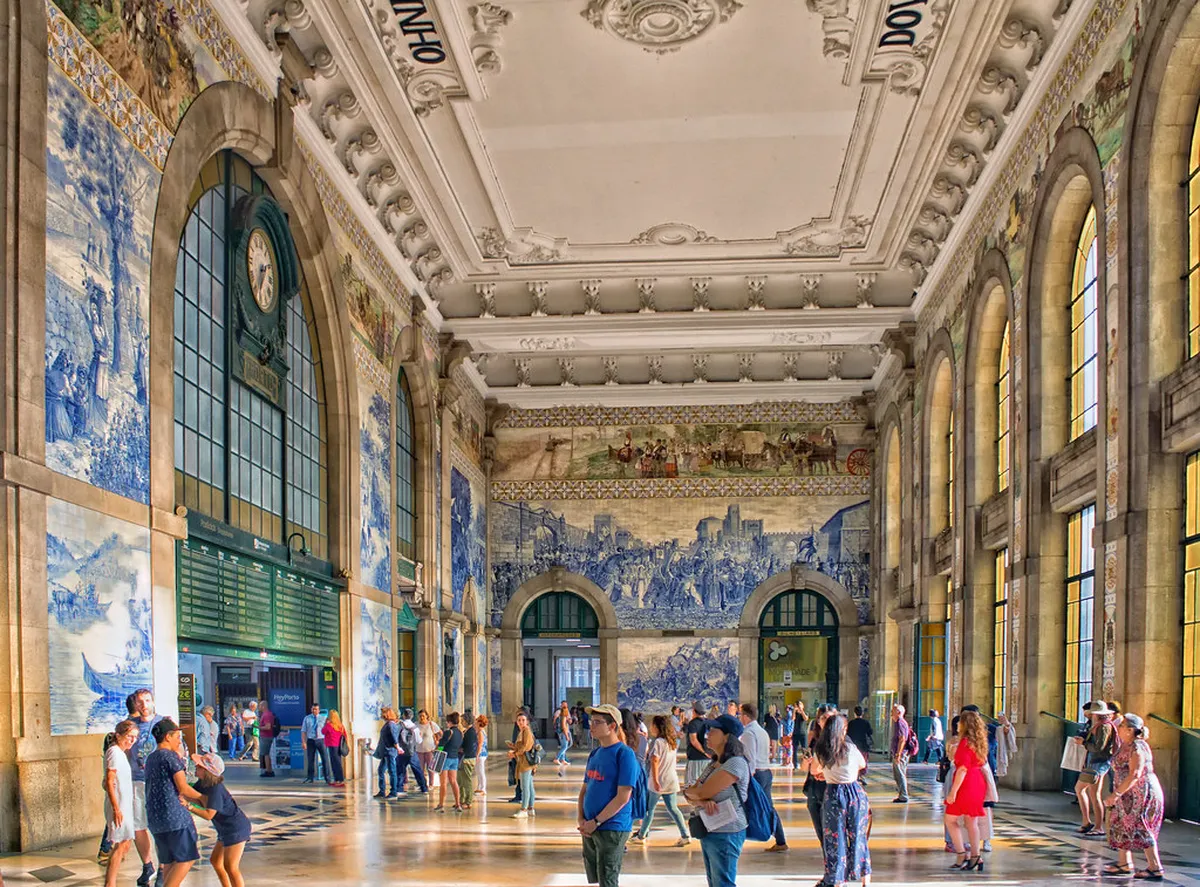
Perhaps the most famous feature is its spectacular tile work. The main hall boasts over 20,000 azulejo tiles. Jorge Colaço, a renowned artist, painted these panels. His work depicts significant moments in Portuguese history.
The installation of these breathtaking tiles began in 1905. It took about 11 years to complete this monumental task. The scenes include historical battles and royal events. They also show rural life and traditional customs.
These panels are more than just decoration. They serve as a vibrant history lesson for all visitors. The intricate details capture the imagination. Learn more with our guide to São Bento Station tile art.
Expect to spend at least 15-30 minutes admiring the hall. Entry is free for all visitors in 2026. Photography is encouraged but be mindful of fellow travelers. The station is usually busiest during morning and evening rush hours.
Entry to the main hall at São Bento Station is completely free for all visitors in 2026. Budget at least 15–30 minutes to take in the 20,000 azulejo tiles at a comfortable pace — and photography is actively encouraged.
São Bento Station is significantly more crowded during morning and evening rush hours. For the best experience photographing the tile panels without large crowds, visit mid-morning on a weekday.
São Bento Station Today: A Living Monument
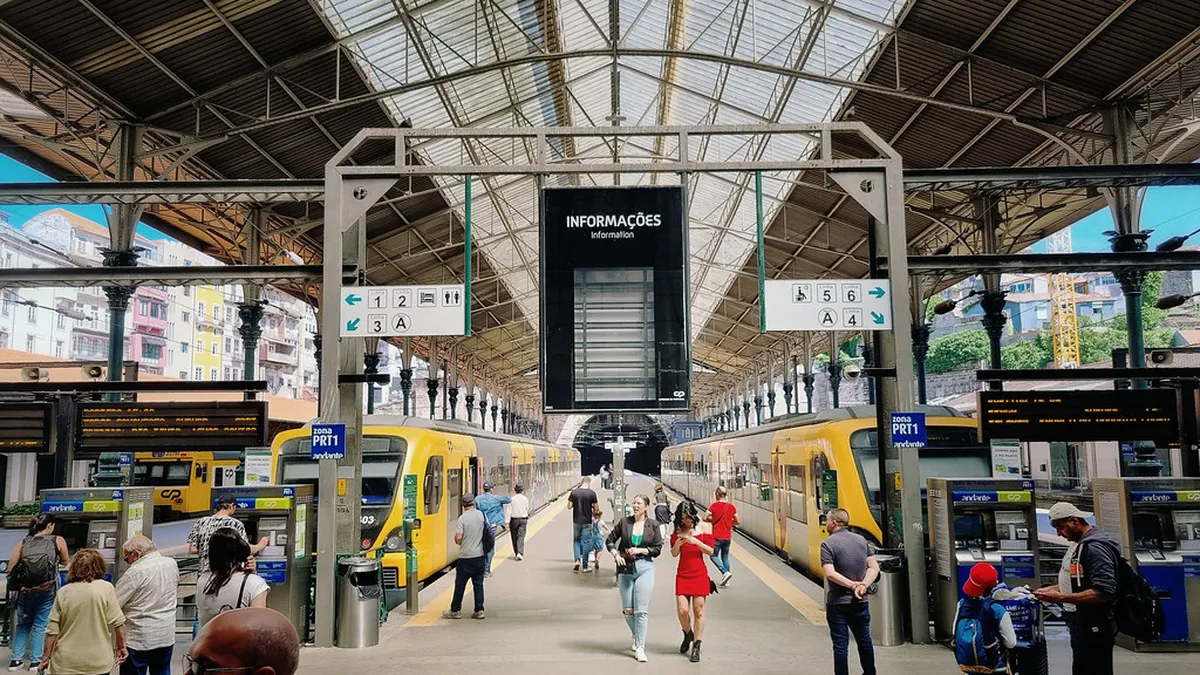
Today, São Bento Station remains a vital transport hub. It serves both regional and national routes. Thousands of commuters and tourists pass through daily. Its historical significance is widely recognized.
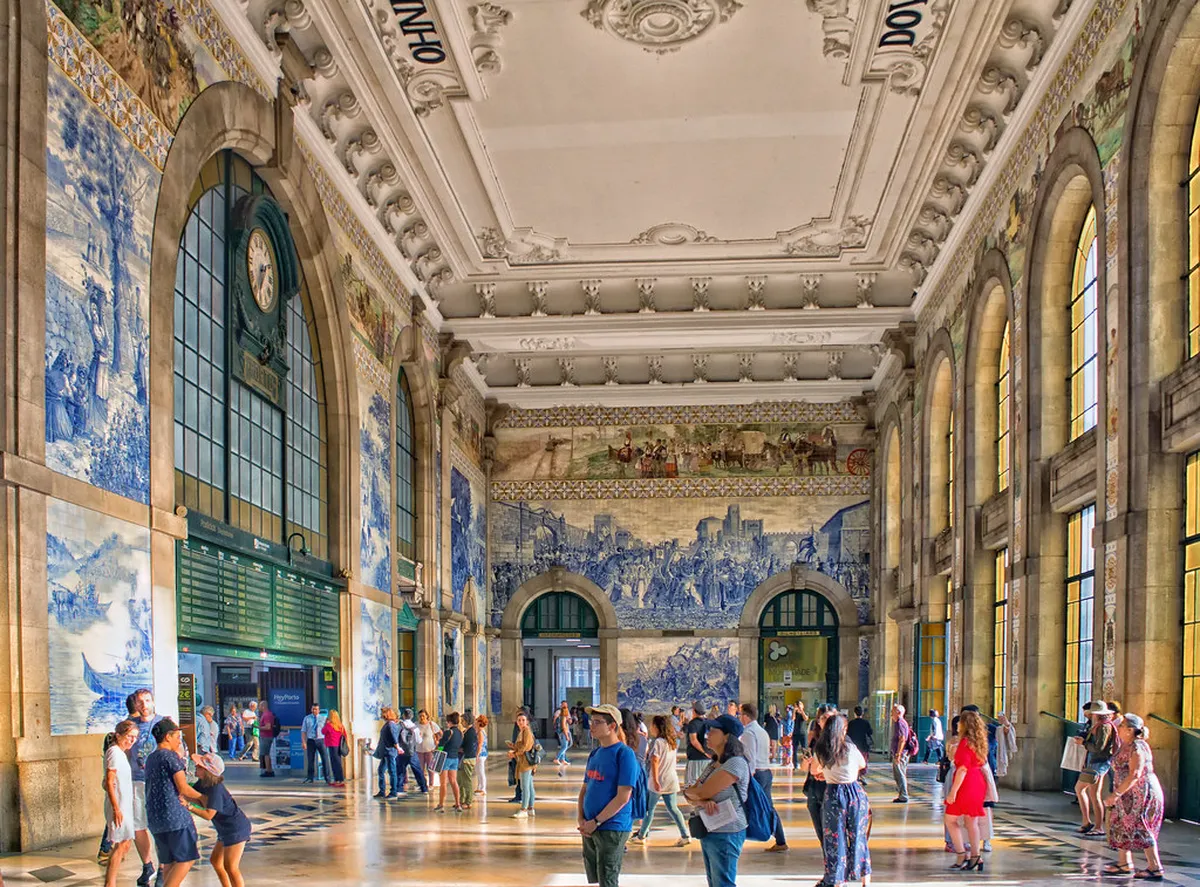
The station has been beautifully preserved over the years. Its original architectural splendor endures. It stands as a testament to early 20th-century design. Maintenance efforts ensure its lasting beauty.
| Year | Milestone |
|---|---|
| 16th century | Benedictine Convent of São Bento de Avé-Maria established on the site |
| 1892 | Last nuns depart; convent officially closes |
| 1894 | Demolition of the convent begins to clear land for a railway station |
| 1900 | Foundation stone laid by King Carlos I; architect José Marques da Silva commissioned |
| 1905 | Installation of the 20,000 azulejo tile panels by artist Jorge Colaço begins |
| 1916 | Station construction completed; building opens as a major transport hub |
Visitors in 2026 can still experience its grandeur. The main hall's tiles remain vibrant and captivating. It provides a stunning introduction to Porto's rich heritage. It truly feels like stepping back in time.
Beyond its beauty, the station offers practical amenities. These include ticketing services, shops, and cafes. It is conveniently located near many other attractions. Exploring nearby historic neighborhoods in Porto is easy from here. The adjacent Ribeira district and the charming Miragaia waterfront are just a short walk away.
Frequently Asked Questions
What was São Bento Station before it became a train station?
Before becoming the famous train station, the site was home to a Benedictine convent. This convent was known as São Bento de Avé-Maria. It operated from the 16th century until its closure in 1892.
The convent's demolition made way for the modern railway station. This transformation began in the late 19th century. It completely changed the land's purpose.
Who designed São Bento Station and its famous tiles?
The main architectural design for São Bento Station was by José Marques da Silva. He was a renowned Portuguese architect. His work reflects Beaux-Arts influences.
The iconic azulejo tile panels were created by Jorge Colaço. He was a master tile artist. His intricate work brought Portuguese history to life on the station walls.
When was São Bento Station inaugurated?
Construction of the station's main building finished in 1916. While the foundation stone was laid in 1900, the station officially opened that year. It has served Porto's travelers ever since.
The history of São Bento Station Porto is a compelling narrative. It showcases a blend of religious heritage and architectural ambition. From a quiet convent to a bustling transport hub, its story is truly unique. Make sure to visit this incredible landmark during your 2026 trip to Porto.
Its azulejo art and grand design offer an unforgettable experience. Plan to spend time exploring its main hall. São Bento Station is a must-see for history lovers and art enthusiasts alike.
Key Takeaways
- São Bento Station was built on the site of a 16th-century Benedictine convent.
- The station's architecture is a stunning example of Beaux-Arts style by José Marques da Silva.
- Over 20,000 azulejo tiles by Jorge Colaço depict Portuguese history and culture.
- Visiting the main hall is free and offers a rich historical and artistic experience.
- The station remains a vital transport hub and a major tourist attraction in Porto.
Continue exploring Porto's historic quarter
 São Bento Station Tile Art Guide: Porto's Azulejo MasterpieceDecember 13, 2025
 São Bento Station Porto: A Guide to Its Azulejo ArtDecember 12, 2025
- History of São Bento Station Porto: A Deep DiveDecember 11, 2025
 Fun Activities for Kids in Porto Old Town 2026December 13, 2025
 Top Baixa Budget Restaurants Porto Options 2026December 13, 2025