
São Bento Station Tile Art Guide: Porto's Azulejo Masterpiece
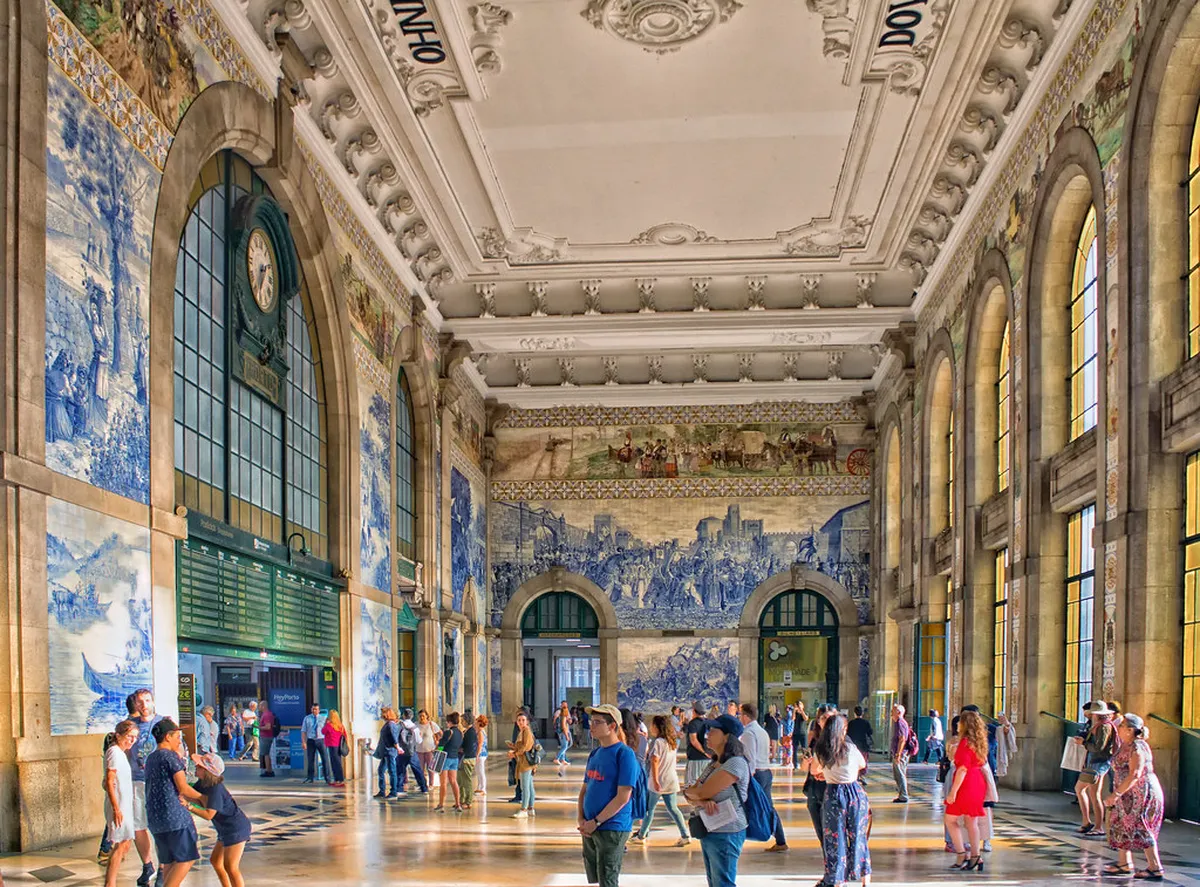
Table of Contents
São Bento Station in Porto is more than a train hub. It is a true masterpiece of Portuguese tile art. This São Bento Station tile art guide helps you explore its beauty. You will learn about its history and incredible details. Prepare to be amazed by these stunning azulejos in 2026.
This iconic station draws visitors worldwide. Its grand hall features twenty thousand hand-painted tiles. These beautiful artworks depict crucial moments in Portugal's past. A visit here is a journey into history itself.
The Grandeur of São Bento Station's Azulejos
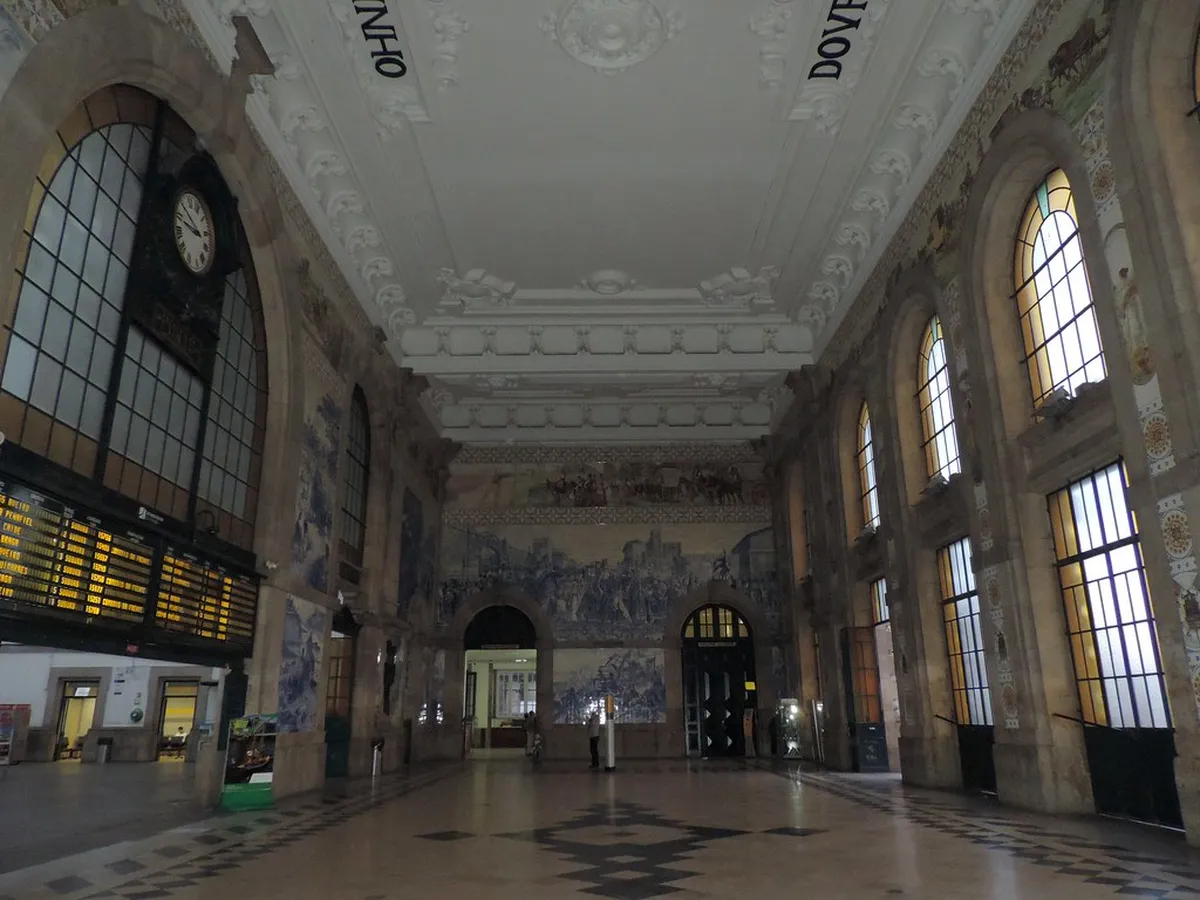
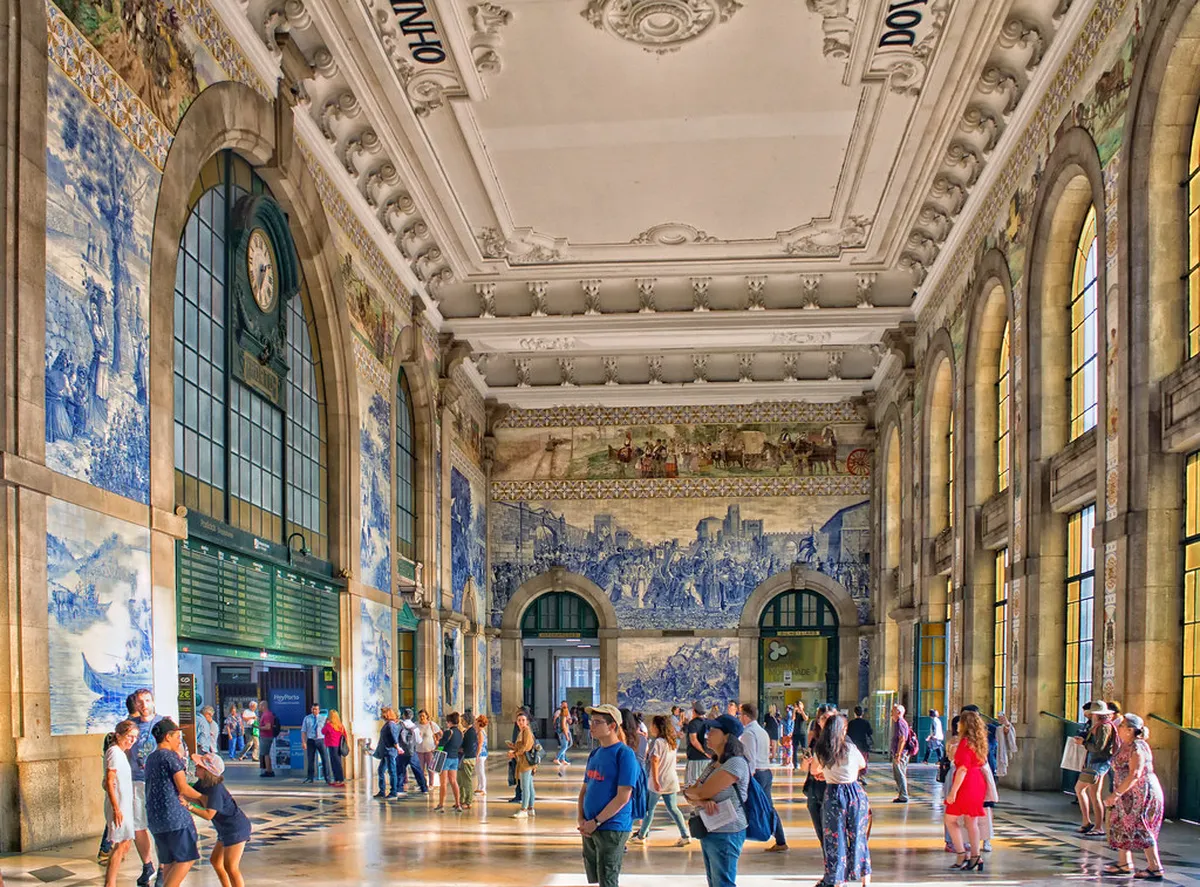
The main hall of São Bento Station captivates all who enter. It is adorned with vast azulejo panels. These ceramic tiles cover over 551 square meters of wall space. The sheer scale is truly breathtaking.
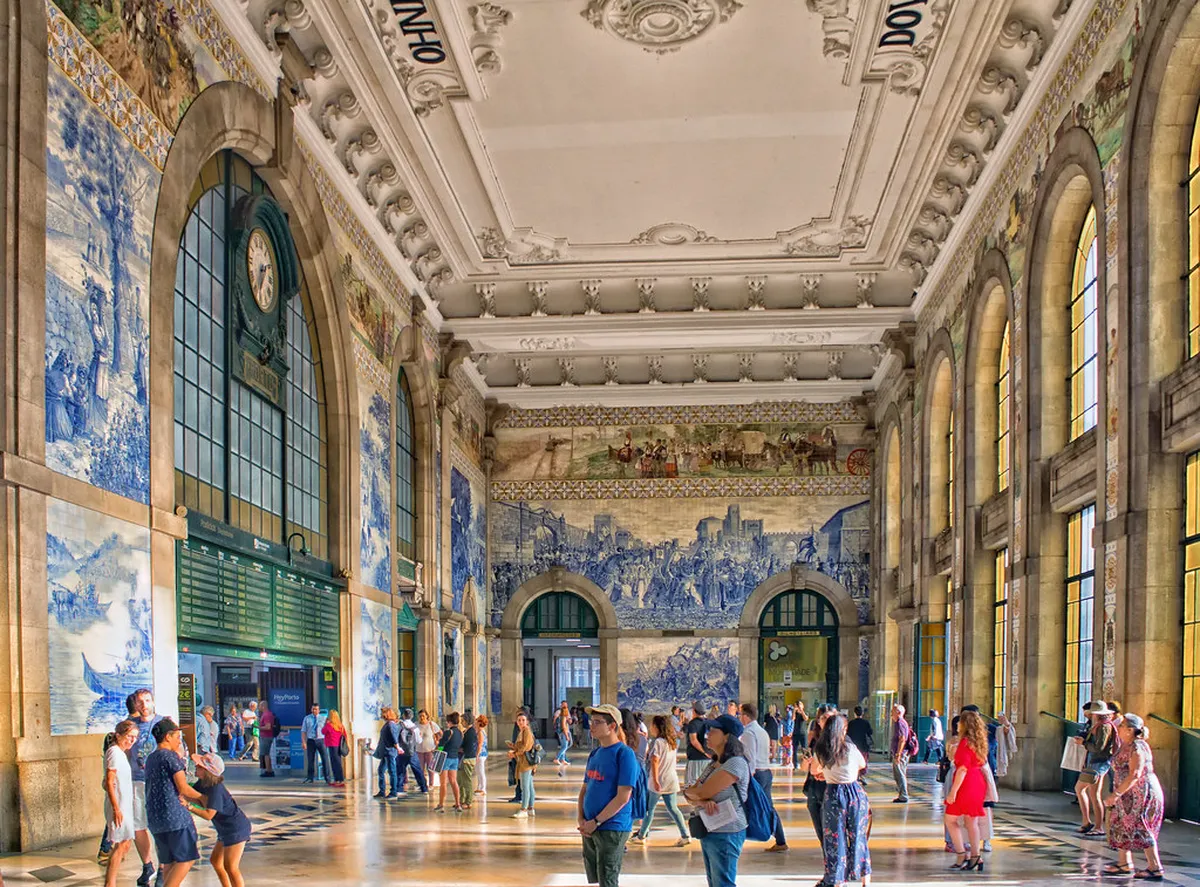
You will see intricate designs and vibrant blue and white hues. The tiles form a continuous narrative. They tell stories of battles, royalty, and daily life. Spend time looking at each detailed section.
The installation of these amazing tiles began in 1905. It took many years to complete this grand project. The station officially opened in 1916. This historical station remains a key landmark in São Bento Station Porto.
Historic Narratives in São Bento Tile Art
The azulejo panels at São Bento Station illustrate significant events. They showcase the rich tapestry of Portuguese history. Key moments from the nation's past unfold before your eyes. Each mural tells a powerful story.
One prominent panel depicts the Battle of Valdevez. This battle occurred in 1140. It marked a crucial point in Portugal's independence. Another famous scene shows the Conquest of Ceuta in 1415. This event marked the beginning of Portugal's Age of Discoveries.
You will also find images of royal weddings. Look for the marriage of King John I and Philippa of Lancaster. This union created the Anglo-Portuguese Alliance. Other panels portray rural life and transportation. These give glimpses into traditional Portuguese culture. To understand more, delve into the history of São Bento Station.
| Panel / Scene | Date | Significance |
|---|---|---|
| Battle of Valdevez | 1140 | Decisive battle marking a crucial point in Portugal's independence |
| Conquest of Ceuta | 1415 | Launched Portugal's Age of Discoveries and overseas empire |
| Marriage of John I & Philippa of Lancaster | 1387 | Founded the Anglo-Portuguese Alliance, the world's oldest active alliance |
| Rural Life & Transportation | c. 1905–1916 | Depicts traditional Portuguese peasant life and early rail travel |
Meet the Artist: Jorge Colaço's Vision
The remarkable São Bento Station tile art is the work of Jorge Colaço. He was a highly acclaimed Portuguese artist. Colaço is celebrated for his masterful azulejo creations. His artistic vision brought these historical scenes to life.
Colaço began painting these tiles in 1905. He meticulously crafted each panel. His technique combined traditional azulejo artistry with a modern sensibility. He managed to convey complex historical events with great clarity.
His work at São Bento Station is considered one of his finest achievements. It showcases his incredible skill and dedication. The station stands as a testament to his enduring legacy. It truly is a national treasure.
Insider Tips for Your Tile Art Visit
Visiting São Bento Station to see the tile art is free. The station is open daily to the public. It serves as an active train station. You can view the azulejos from morning until evening in 2026.
Entry to São Bento Station is completely free — no ticket required. Arrive before 9 AM for the fewest crowds and the best conditions for photography. Allow at least 30–60 minutes to properly take in all the panels.
Best Viewing Times:
- Early Mornings (before 9 AM): Fewer crowds allow for better photos.
- Late Evenings (after 7 PM): The light creates a dramatic effect on the tiles.
Avoid midday if you prefer tranquility. The station gets very busy then. Take your time to appreciate the details. Allow at least 30-60 minutes for your visit. Remember to be respectful of commuters.
São Bento is a working train station and gets extremely crowded between 10 AM and 6 PM, especially in summer. Backpacks and camera equipment can make navigation difficult in peak periods — keep belongings close and stay aware of departing passengers.
The station is located in the heart of Porto. Its address is Praça de Almeida Garrett. It is easily accessible by metro or bus. Consider exploring nearby Porto's historic areas after your visit.
Frequently Asked Questions
What is the history behind the São Bento Station tiles?
The São Bento Station tiles, or azulejos, illustrate key moments from Portuguese history. These include battles, royal events, and everyday life. Artist Jorge Colaço created them between 1905 and 1916. They celebrate the nation's rich heritage.
How much does it cost to visit the São Bento Station tile art?
Visiting the São Bento Station tile art is completely free of charge. The station is a public transportation hub. This means you can enter at any time to admire the artwork. There are no tickets or entry fees required.
Who was the artist of the São Bento Station azulejos?
The renowned Portuguese artist Jorge Colaço painted the azulejos. He began this monumental work in 1905. His intricate designs transformed the station's main hall. His artistic legacy lives on in these incredible murals.
The São Bento Station tile art offers an unforgettable experience. It combines history, culture, and stunning artistic skill. This guide helps you unlock its many stories. Make sure to include this gem on your Porto itinerary for 2026.
Plan your visit to fully appreciate its grandeur. The azulejos of São Bento Station truly capture Portugal's soul. It is a must-see landmark for any traveler. Discover this amazing cultural treasure.
Key Takeaways
- São Bento Station azulejos are free to view and open daily.
- Jorge Colaço created the twenty thousand hand-painted tiles.
- The tile art depicts major historical events and daily Portuguese life.
- Visit early morning or late evening for the best viewing experience.
- Allow 30-60 minutes to fully appreciate the intricate details.
Continue exploring Porto's historic quarter
- São Bento Station Tile Art Guide: Porto's Azulejo MasterpieceDecember 13, 2025
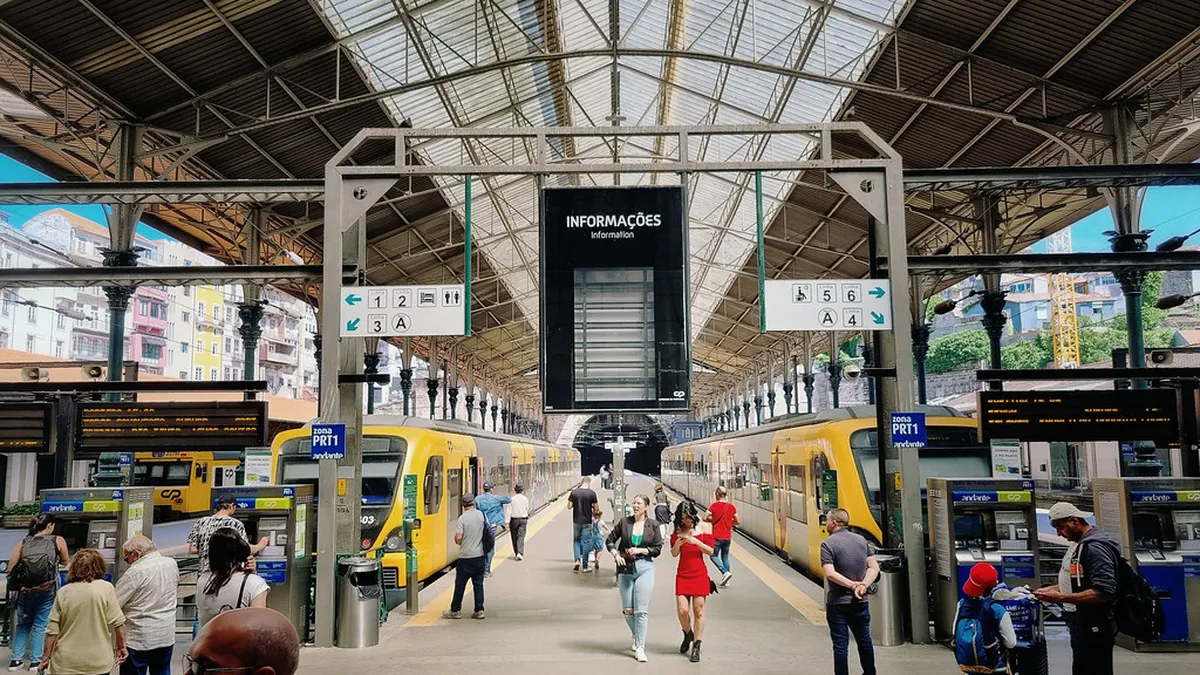 São Bento Station Porto: A Guide to Its Azulejo ArtDecember 12, 2025
 History of São Bento Station Porto: A Deep DiveDecember 11, 2025
 Fun Activities for Kids in Porto Old Town 2026December 13, 2025
 Top Baixa Budget Restaurants Porto Options 2026December 13, 2025