
Porto Tiled Buildings Guide: A City of Azulejos
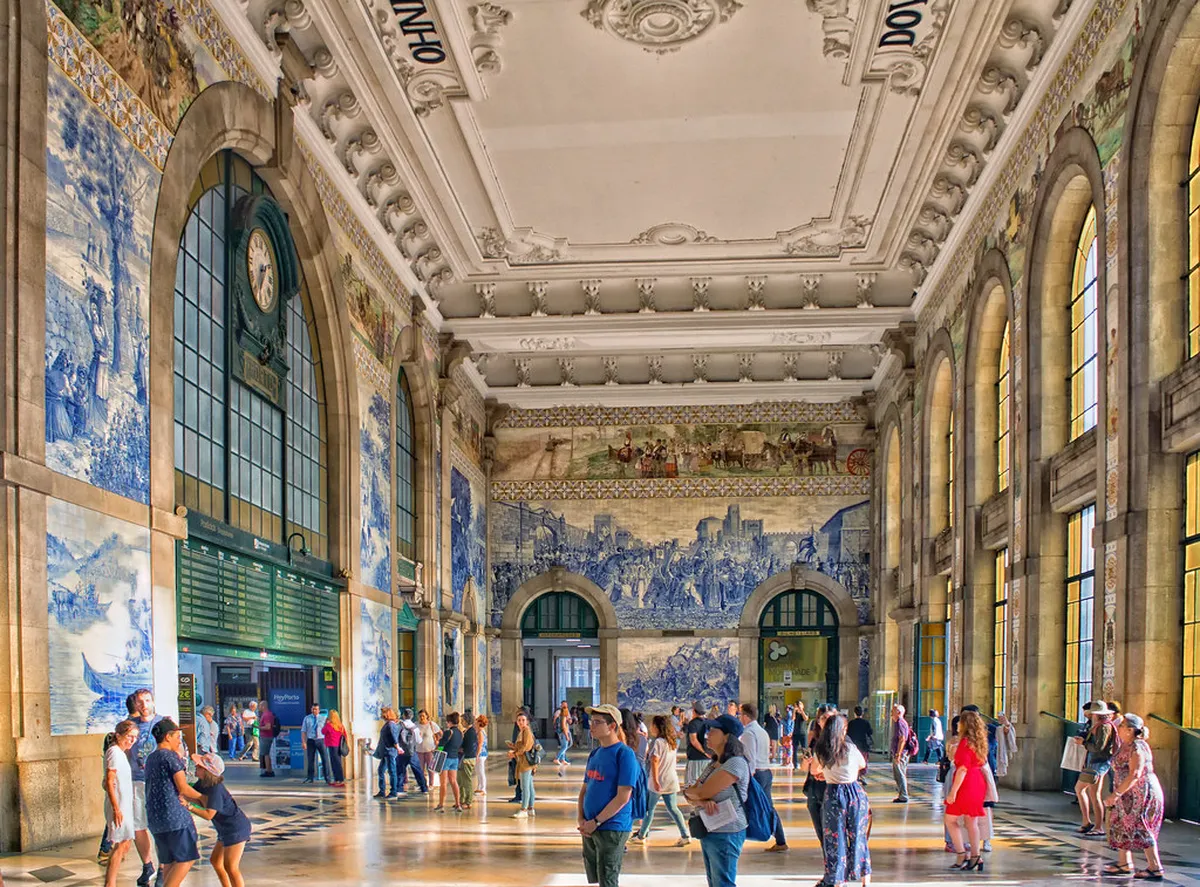
Table of Contents
Porto, Portugal, captivates visitors with its stunning architecture. The city's streets proudly display magnificent tiled buildings. These vibrant azulejos share rich stories of history and culture. Located along the Douro River, this Porto tiled buildings guide helps you explore this unique artistic heritage.
Unveiling Porto's Tiled History: The Azulejo Story
The history of azulejos in Porto is truly fascinating. These ceramic tiles arrived in Portugal during the 15th century. Moorish influence brought intricate geometric designs initially. Over time, Portuguese artisans developed their unique styles.
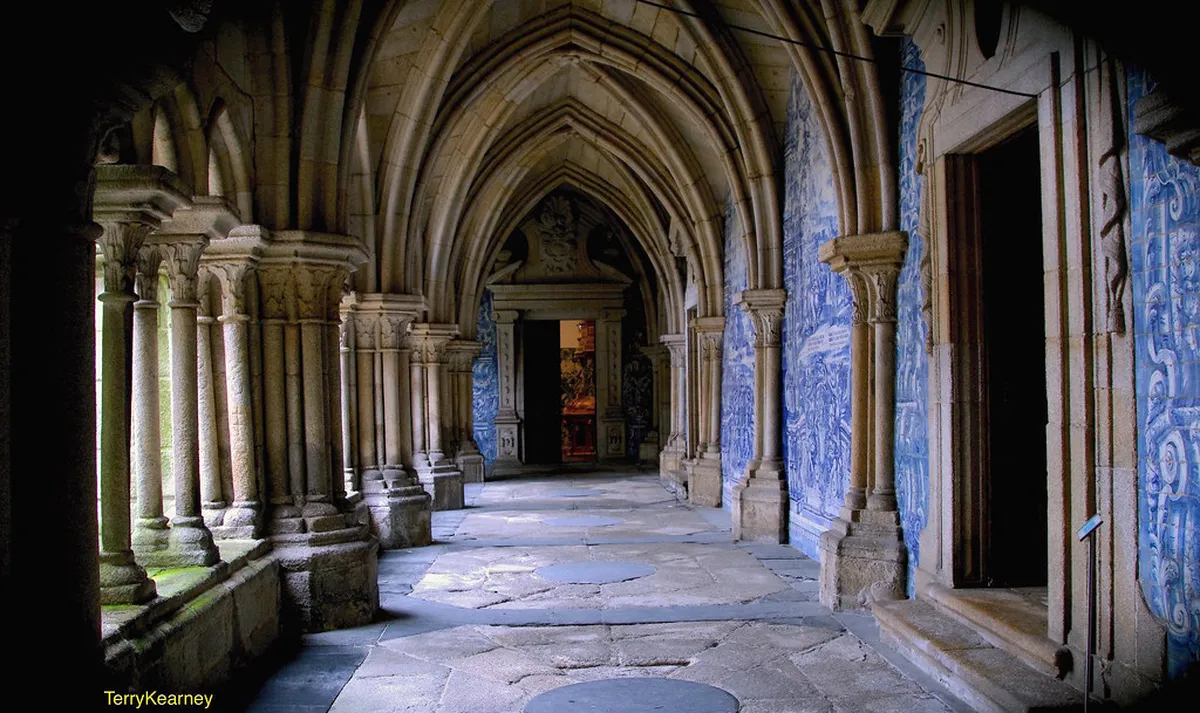
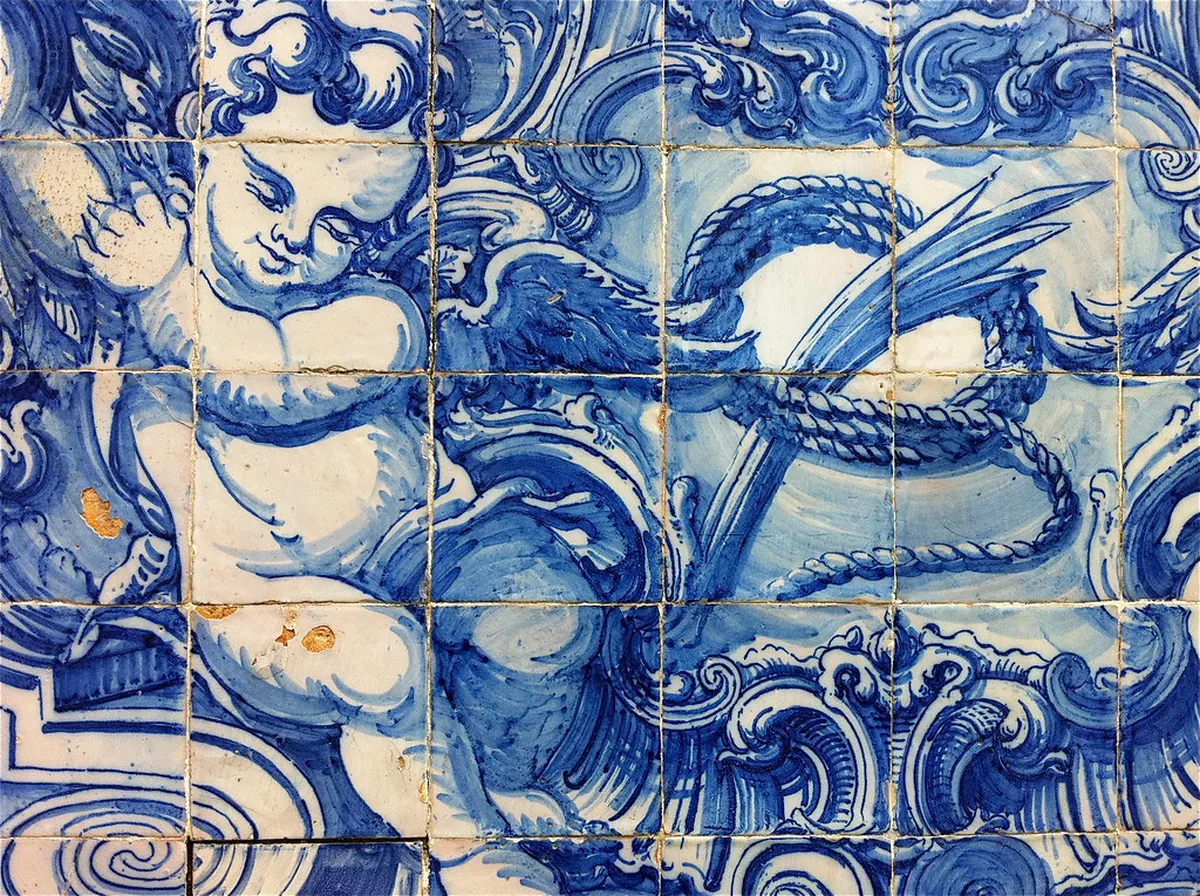
By the 18th century, blue and white azulejos became popular. These tiles decorated churches, palaces, and private homes. They served both decorative and practical purposes. Azulejos protected buildings from humidity and heat.
The 19th and early 20th centuries saw a resurgence. Industrial production made tiles more accessible. Many public buildings received elaborate tile panels. These panels often depicted historical events or daily life scenes.
Today, these Porto tiled buildings are iconic landmarks. They represent a significant part of the city's identity. Understanding their past enhances your viewing experience. Seek out older examples for their historical depth.
Top Spots to Admire Porto's Tiled Buildings in 2026
Porto offers countless places to see stunning azulejos. Many visitors start at São Bento Railway Station. Its main hall features over 20,000 blue and white tiles. These panels depict key moments in Portuguese history.
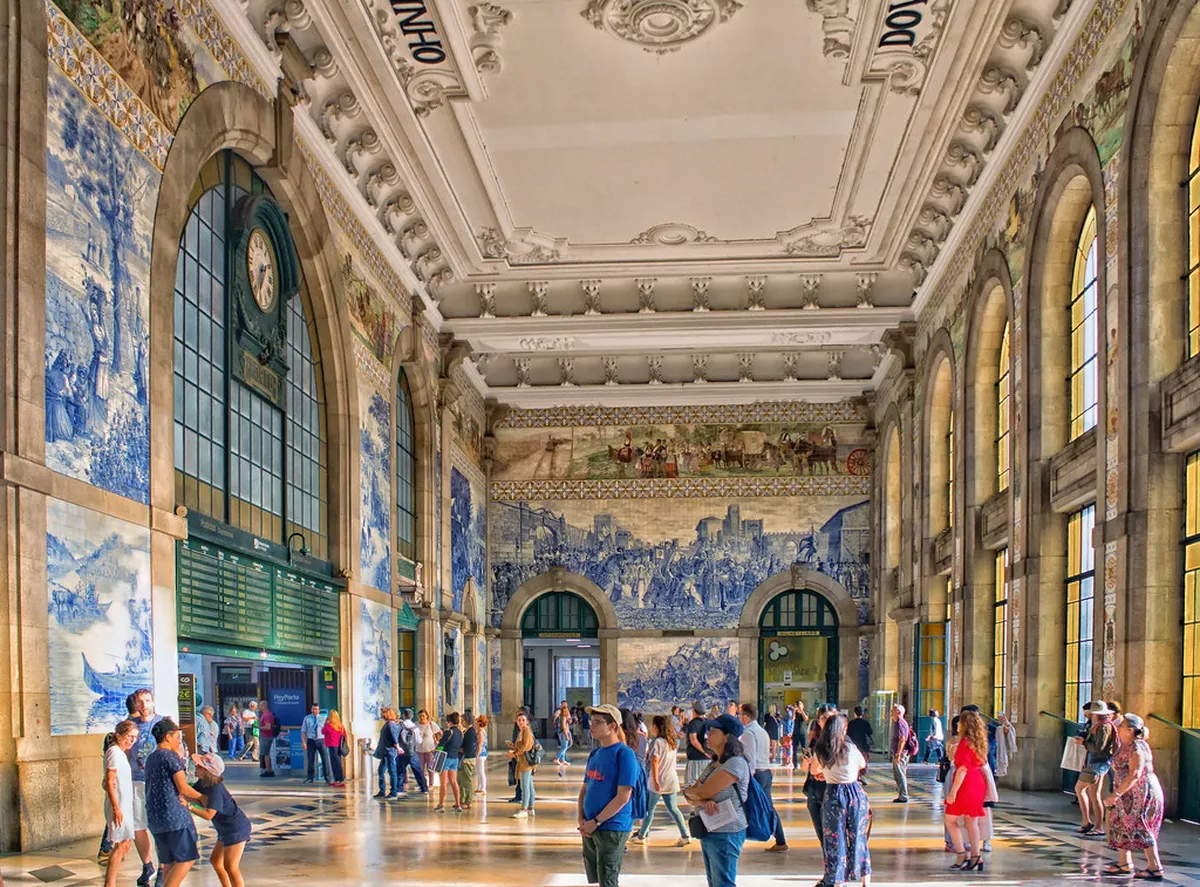
The station is located at Praça de Almeida Garrett. It is open daily, usually from 5 AM to 1 AM. Entry is completely free for all visitors. This makes it a must-see destination for tiled artistry. You can learn more about São Bento Station here.
Another magnificent site is the Igreja do Carmo. This Baroque church boasts an incredible side facade. It features a vast blue and white azulejo mural. The mural shows scenes from the Carmelite Order's history.
Find Igreja do Carmo at Rua do Carmo. Visiting hours for the church vary seasonally. Typically, it is open from 10 AM to 6 PM. Check current times for 2026 before your visit.
Don't miss the Capela das Almas on Rua de Santa Catarina. This chapel is entirely covered in blue and white tiles. Its exterior portrays scenes from the lives of saints. It truly stands out in the bustling shopping street.
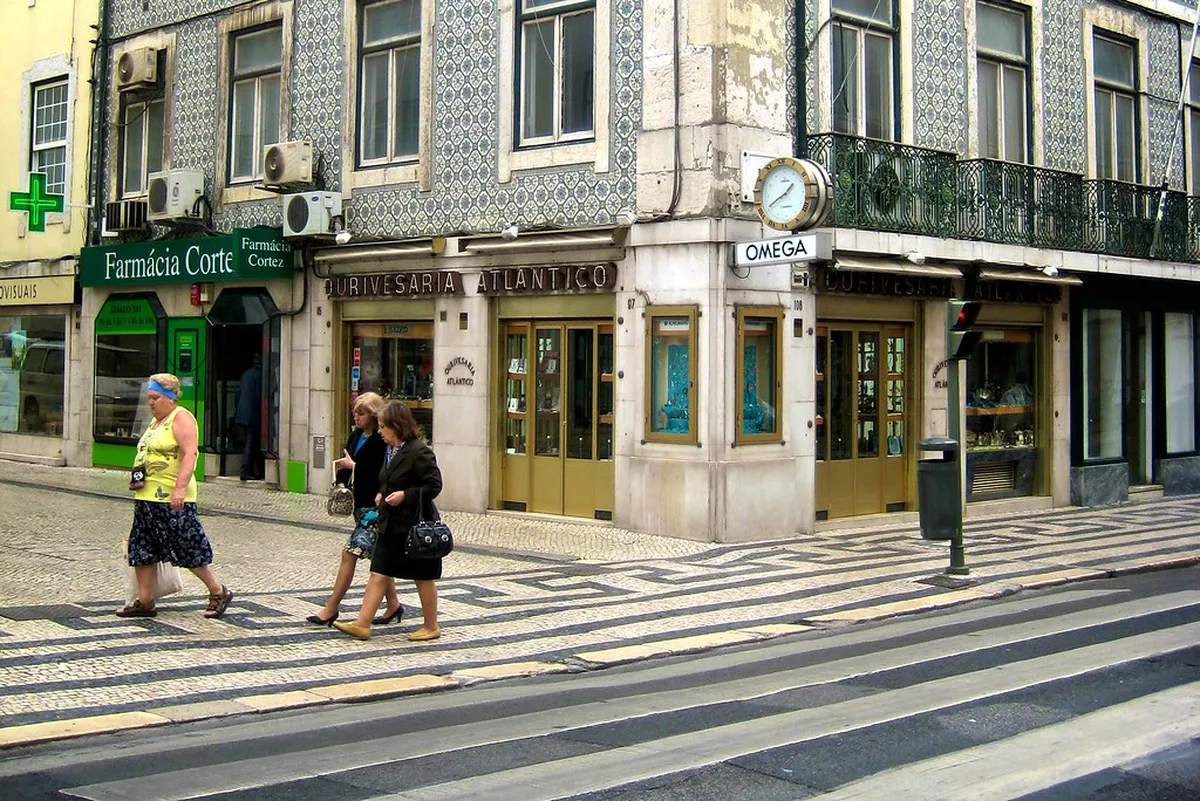
Explore the historic Baixa district for more discoveries. Wander through its charming streets and alleys. Many traditional Porto tiled buildings reside there. You will find hidden gems around every corner.
São Bento Railway Station is free to enter and open daily from around 5 AM to 1 AM — making it the easiest and most spectacular azulejo stop to fit into any itinerary at no cost.
| Site | Location | Hours | Entry |
|---|---|---|---|
| São Bento Railway Station | Praça de Almeida Garrett | 5 AM – 1 AM daily | Free |
| Igreja do Carmo | Rua do Carmo | 10 AM – 6 PM (seasonal) | Check locally |
| Capela das Almas | Rua de Santa Catarina | Varies | Free (exterior) |
| Baixa District (street facades) | Baixa, Porto | Always open | Free |
Deciphering Azulejo Styles and Their Meanings
Porto's azulejos come in various distinct styles. Early tiles featured simple geometric patterns. These often used multiple vibrant colors. Islamic art heavily influenced these initial designs.
The "Pombaline" style emerged after the 1755 earthquake. These tiles often have strong symmetrical patterns. They usually feature yellow, green, and blue hues. This style focused on functional beauty.
Art Nouveau and Art Deco brought new approaches. Floral motifs and fluid lines became popular. These styles show an artistic evolution. You can spot them on early 20th-century buildings.
Many tiles tell detailed stories or myths. Blue and white panels often depict religious scenes. Historical narratives are common on public buildings. Look closely to understand their hidden messages.
Understanding these styles enriches your experience. It helps you appreciate the craftsmanship involved. Consider joining a walking tour for deeper insights. Explore more about Porto's architecture styles for context.
Tips for Capturing Porto's Tiled Facades Perfectly
Photographing Porto's tiled buildings requires good timing. Early morning or late afternoon light works best. The softer light minimizes harsh shadows. It also brings out the vibrant colors of the tiles.
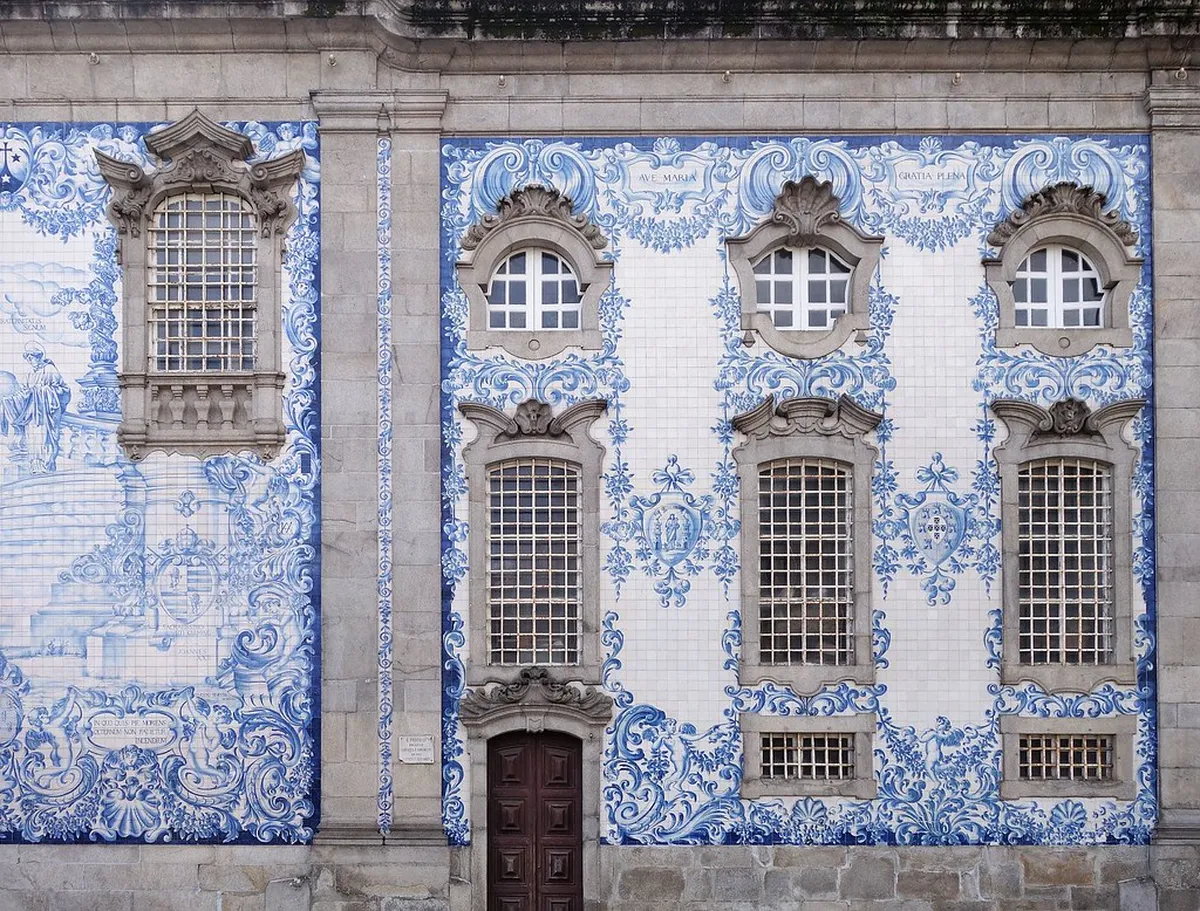
Pay attention to unique details and patterns. Zoom in on intricate designs or specific motifs. A wide-angle lens can capture entire facades. Look for interesting compositions with surrounding elements.
Consider the weather conditions for your shots. Cloudy days offer diffused, even lighting. This can be perfect for showcasing tile textures. Sunny days create strong contrasts and vibrant hues.
Respect local privacy when photographing homes. Ask permission if people are visible in your shot. Be mindful of your surroundings always. Enjoy the process of capturing these unique artworks.
For more prime locations, check a Porto heritage sites map. This will guide you to lesser-known spots. Discover new angles and perspectives. Porto offers endless photographic opportunities.
Preserving Porto's Unique Tiled Architectural Heritage
Preserving azulejos is crucial for Porto's identity. Many organizations work to restore old tile panels. They replace damaged tiles with authentic reproductions. This ensures their longevity for future generations.
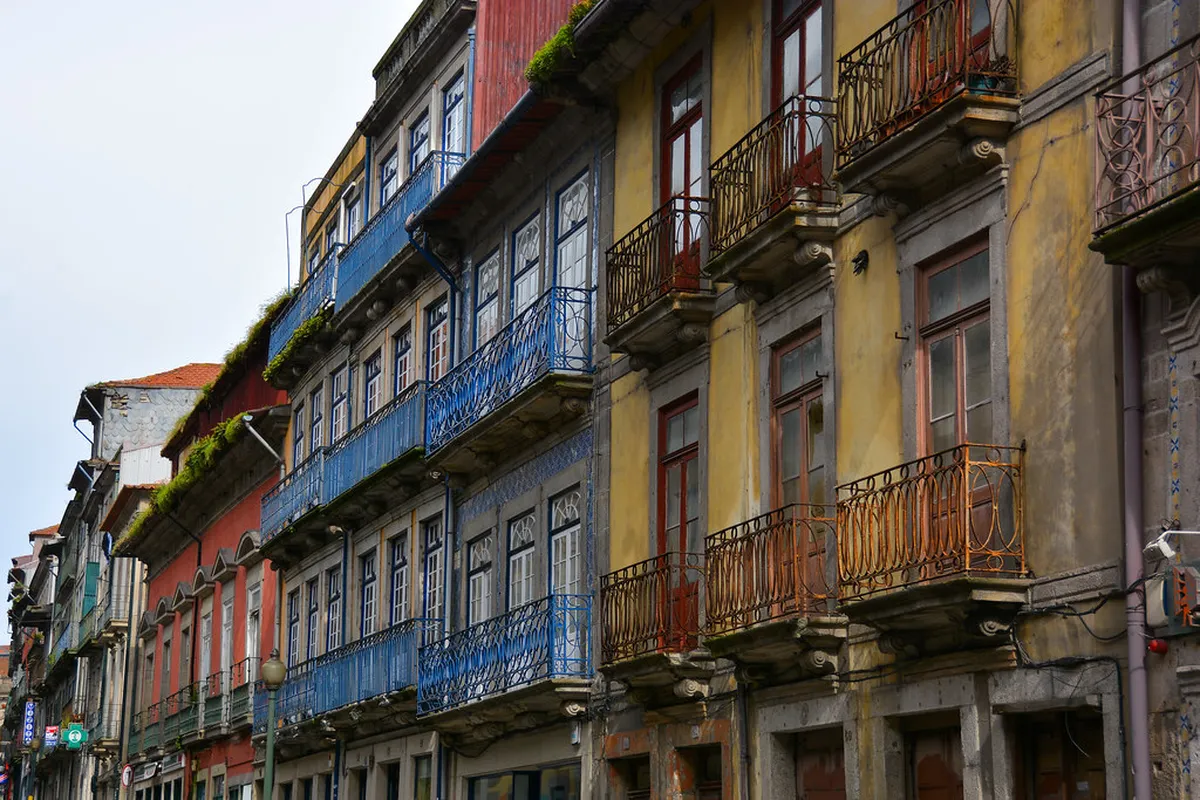
The city enforces regulations to protect these facades. New construction often includes azulejo elements. This maintains the traditional aesthetic. It also encourages a sense of continuity.
As a visitor, you can help in preservation efforts. Avoid touching the tiles unnecessarily. Do not attempt to remove any tiles as souvenirs. Support local artisans who create new azulejos.
Never attempt to remove azulejo tiles as souvenirs — it is illegal and causes irreversible damage to irreplaceable heritage. Touching facades can also accelerate weathering of the glaze.
Visit local workshops to learn about tile making. Some offer demonstrations and hands-on experiences. This provides valuable insight into the craft. It also helps sustain the tradition financially.
Porto's tiled buildings are part of its UNESCO status. This designation highlights their global importance. Explore the city's historic neighborhoods to appreciate more. Your responsible tourism supports their ongoing preservation.
Frequently Asked Questions
What is the best way to explore Porto's azulejo-covered buildings?
The best way is by walking through the city's historic areas. Focus on districts like Baixa and Ribeira. Many guided walking tours also specialize in azulejo spotting. Wear comfortable shoes for extensive exploration.
Are there any museums dedicated to azulejos in Porto?
Porto itself does not have a dedicated azulejo museum. However, many art galleries showcase contemporary tile art. You can also see stunning examples inside historic churches. The São Bento station is a living museum of tiles.
Can I buy authentic azulejos in Porto as souvenirs?
Yes, you can certainly buy authentic azulejos. Many artisan shops and craft markets sell them. Look for reputable stores to ensure quality. Prices vary based on size, age, and intricacy.
What is the typical cost to visit major azulejo sites?
Most outdoor azulejo displays are free to admire. Churches might charge a small entrance fee for interiors. São Bento Station offers free access to its tiled hall. Budget around €5-€10 if visiting church museums.
Porto's tiled buildings are a true marvel. They offer a unique blend of art and history. This Porto tiled buildings guide helps you uncover their secrets. From ancient designs to modern interpretations, azulejos delight every visitor. Plan your 2026 trip to experience this captivating city.
Key Takeaways
- Porto's azulejos are a blend of Moorish and Portuguese art.
- São Bento Station and Igreja do Carmo are must-visit tiled sites.
- Observe azulejo styles to understand historical narratives.
Continue exploring Porto's historic quarter
 Porto's Most Beautiful Tiled Buildings in 2026December 13, 2025
 Porto Azulejo Art Walking Tour: Explore Tiled BeautyDecember 13, 2025
- Porto Tiled Buildings Guide: A City of AzulejosDecember 13, 2025
 Fun Activities for Kids in Porto Old Town 2026December 13, 2025
 Top Baixa Budget Restaurants Porto Options 2026December 13, 2025