
Porto Historic Architecture Styles: A Complete Guide
Table of Contents
Porto, Portugal, boasts an incredible array of historic architecture styles. This vibrant city offers a visual feast for every visitor. You will discover centuries of design, reflecting its rich past. Understanding these styles enhances your journey through Porto in 2026.
From ancient Romanesque structures to intricate Baroque churches, Porto's buildings tell a compelling story. Its charming streets reveal a unique blend of influences. Prepare to be captivated by Porto's enduring architectural beauty.
Tracing Porto's Earliest Architectural Roots
Porto's history is deeply etched in its oldest buildings. The city's architectural journey began with Romanesque influences. These sturdy, simple designs mark early religious structures. They provided foundational elements for future growth.
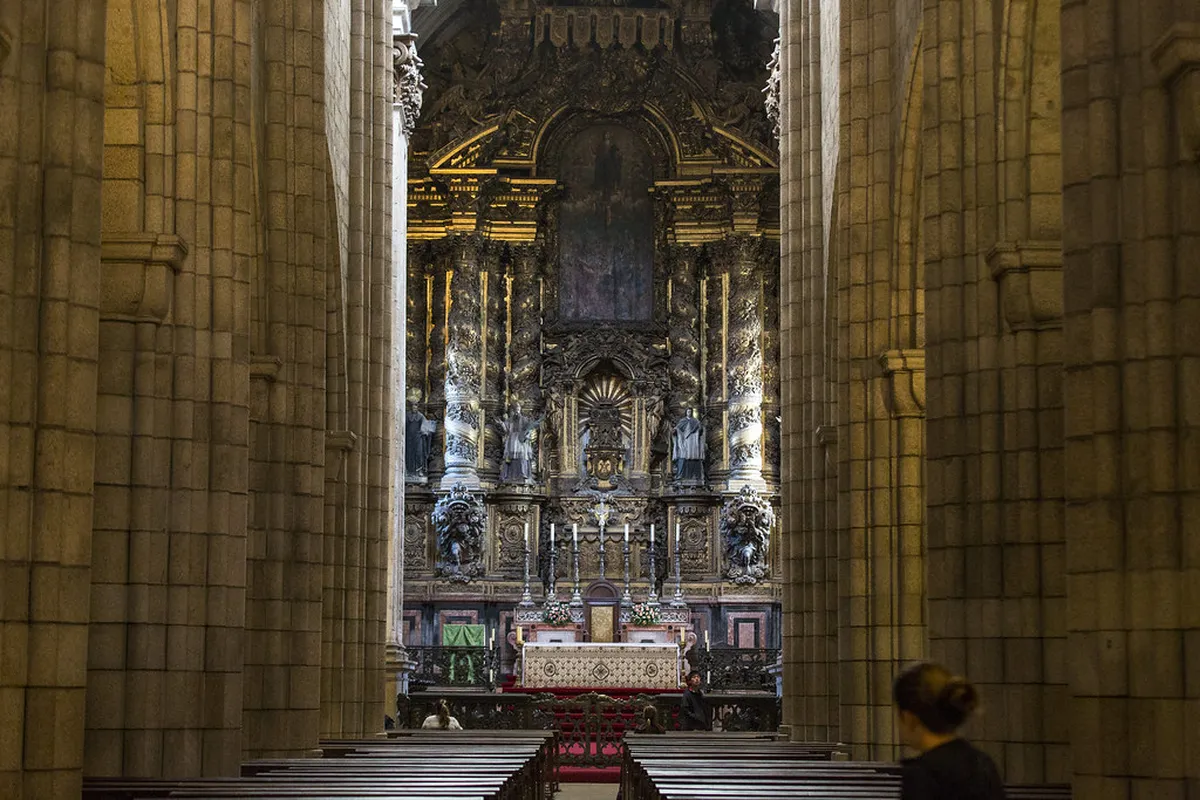
The Sé Cathedral offers a prime example of Romanesque design. Its original 12th-century structure featured thick walls. Small windows were common for defense and light. This impressive fortress-like cathedral dominates the cityscape.
You can explore more of these early periods. Wander through the oldest parts of the city. These areas reveal subtle hints of ancient craftsmanship. Discover the enduring strength of early Porto architecture.
Gothic Grandeur and Manueline Flourishes
As centuries passed, Gothic styles emerged in Porto. Tall arches and soaring spires characterized this period. Churches became lighter and more elaborate. Intricate stained-glass windows became common features.
The Igreja de São Francisco showcases stunning Gothic origins. However, its interior underwent significant Baroque transformation. Despite this, its exterior retains its Gothic essence. It stands as a testament to evolving design.
Later, the unique Manueline style appeared. This Portuguese Gothic variant celebrates maritime discoveries. You'll find nautical motifs and armillary spheres. Look for these distinctive details on older buildings. This style adds a truly national character.
Baroque and Neoclassical Splendor in Porto
The 17th and 18th centuries brought Baroque opulence to Porto. This style features dramatic curves and rich ornamentation. Gold leaf and elaborate carvings became prevalent. Many churches received stunning Baroque makeovers.
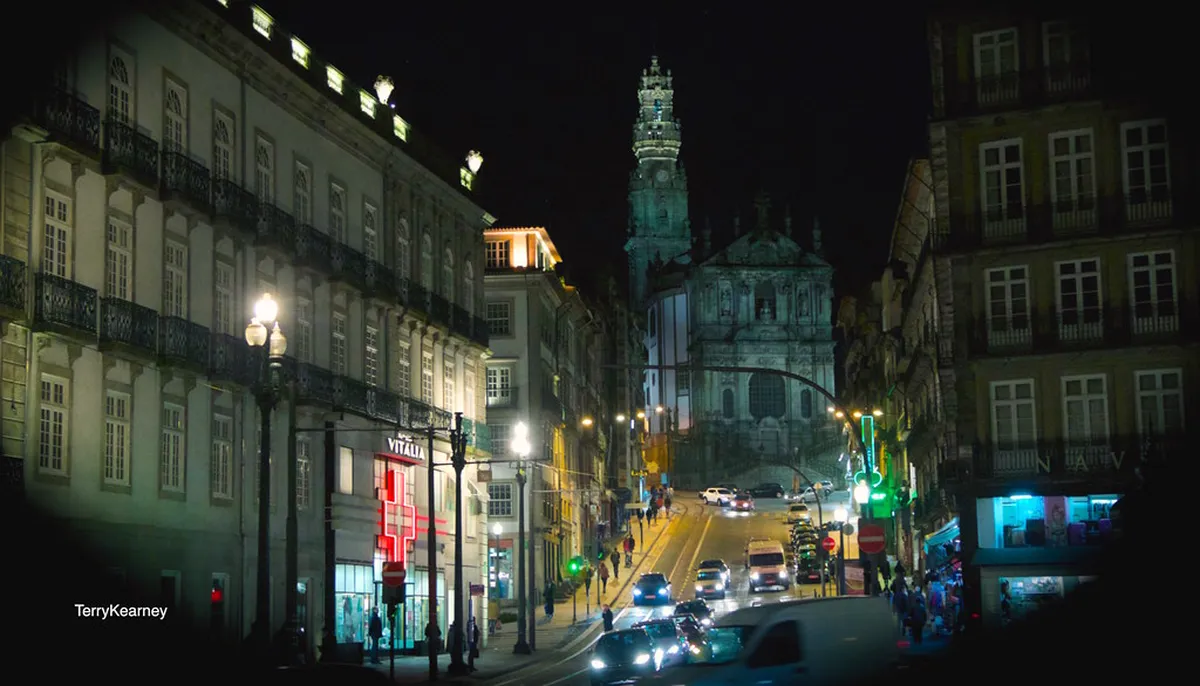
The Clérigos Church, designed by Nasoni, is a Baroque masterpiece. Its iconic tower dominates the city skyline. Visiting the tower costs around 8 euros in 2026. This allows incredible panoramic views. Learn more about Clérigos Tower history here.
Climbing the Clérigos Tower costs around 8 euros per person in 2026. The staircase is narrow and steep — not suitable for visitors with limited mobility or claustrophobia. Arrive early to avoid queues, especially in summer.
Neoclassical architecture followed, favoring symmetry and classical lines. Buildings adopted simpler, more restrained facades. This style offered a stark contrast to Baroque extravagance. Many public buildings reflect Neoclassical ideals.
| Landmark | Architectural Style | District | Entry Fee (2026) |
|---|---|---|---|
| Sé Cathedral | Romanesque / Gothic | Historic Centre | Free (cloisters ~3 €) |
| Igreja de São Francisco | Gothic / Baroque interior | Ribeira | ~8 € |
| Clérigos Church & Tower | Baroque | Baixa | ~8 € |
| São Bento Railway Station | Beaux-Arts / Azulejos | Baixa | Free |
| Livraria Lello | Art Nouveau / Neo-Gothic | Baixa | ~5–6 € |
The Iconic Azulejos and Art Nouveau Gems
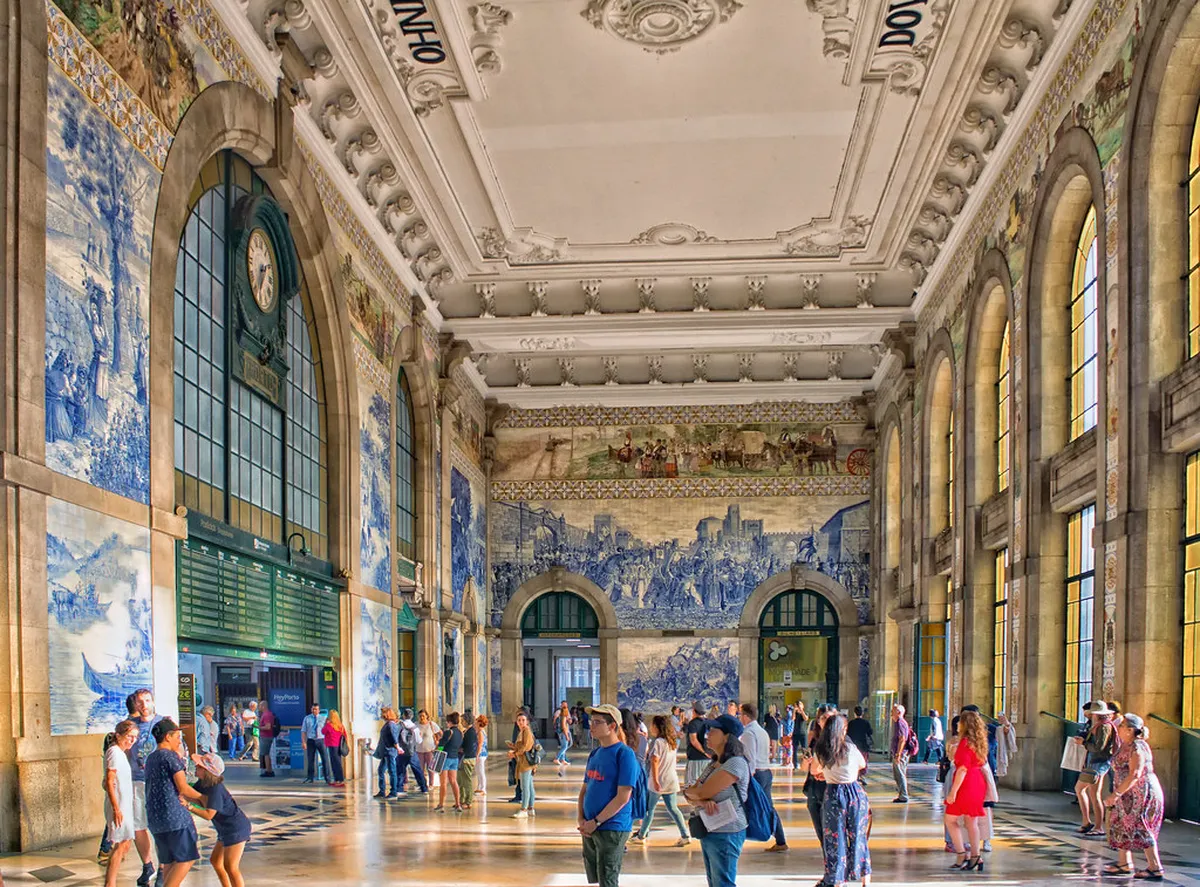
Porto is famous for its vibrant azulejos, or ceramic tiles. These beautiful tiles adorn countless building facades. They depict historical scenes, geometric patterns, and vivid colors. Many date back centuries, others are modern additions.
São Bento Railway Station offers an unparalleled azulejo display. Its main hall features over 20,000 tiles. They illustrate scenes from Portuguese history. This is a must-see for any visitor to Porto. Discover the beauty of São Bento Station.
Art Nouveau also left its mark on Porto. This early 20th-century style emphasizes natural forms and flowing lines. Distinctive ironwork and organic motifs characterize these buildings. Look for them in the Baixa district.
Livraria Lello is a stunning example of Art Nouveau. Its intricate interior captivates visitors daily. Expect an entrance fee of about 5-6 euros in 2026. It is best to visit early to avoid crowds. This bookstore is truly magical.
Livraria Lello charges an entrance fee of around 5–6 euros in 2026, which is redeemable against a book purchase. Visit first thing in the morning (opening at 9am) to enjoy its stunning Art Nouveau interior before the day-tour crowds arrive.
Exploring Porto's Architectural Districts
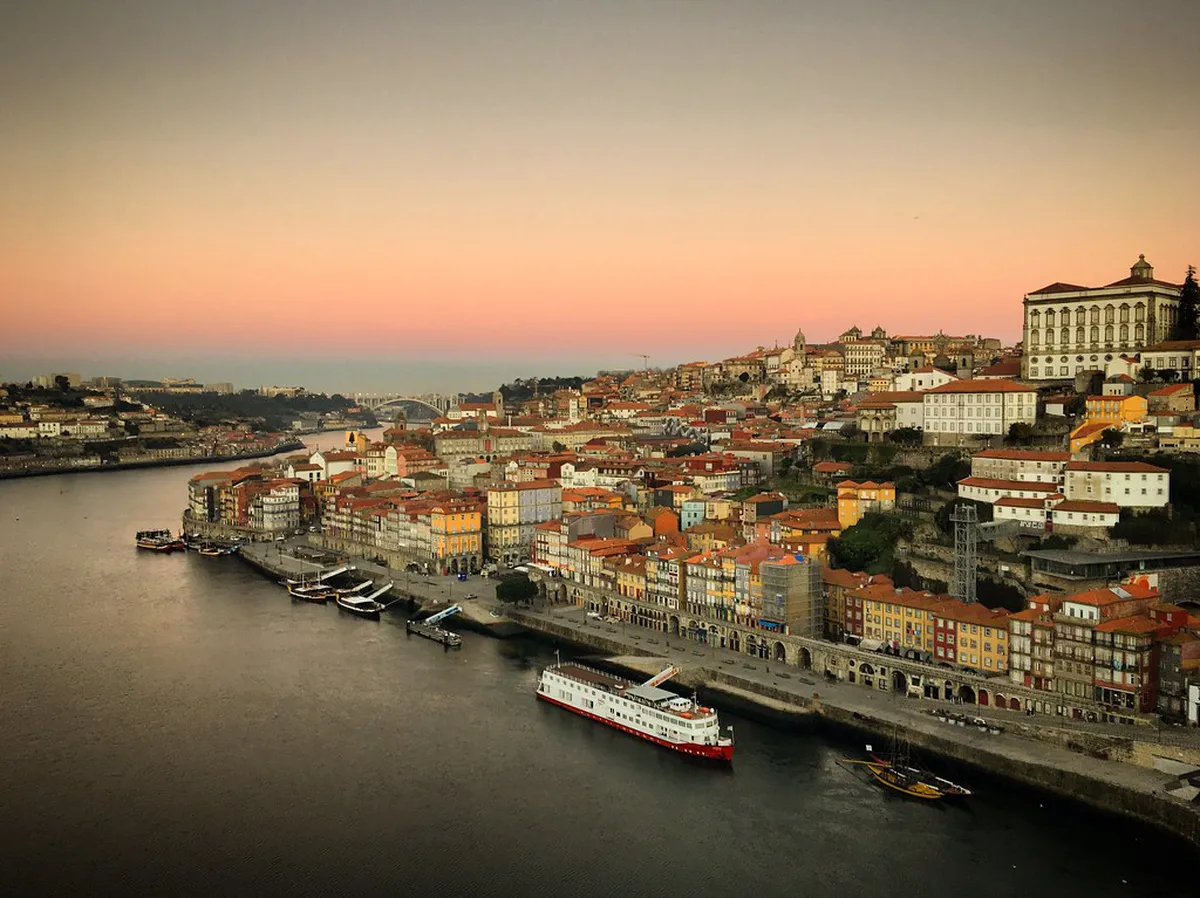
To fully appreciate Porto's architectural styles, explore its diverse districts. Ribeira, a UNESCO World Heritage site, showcases medieval charm. Its colorful houses and narrow streets line the Douro River. This historic area feels like stepping back in time. Explore the Ribeira district with our guide.
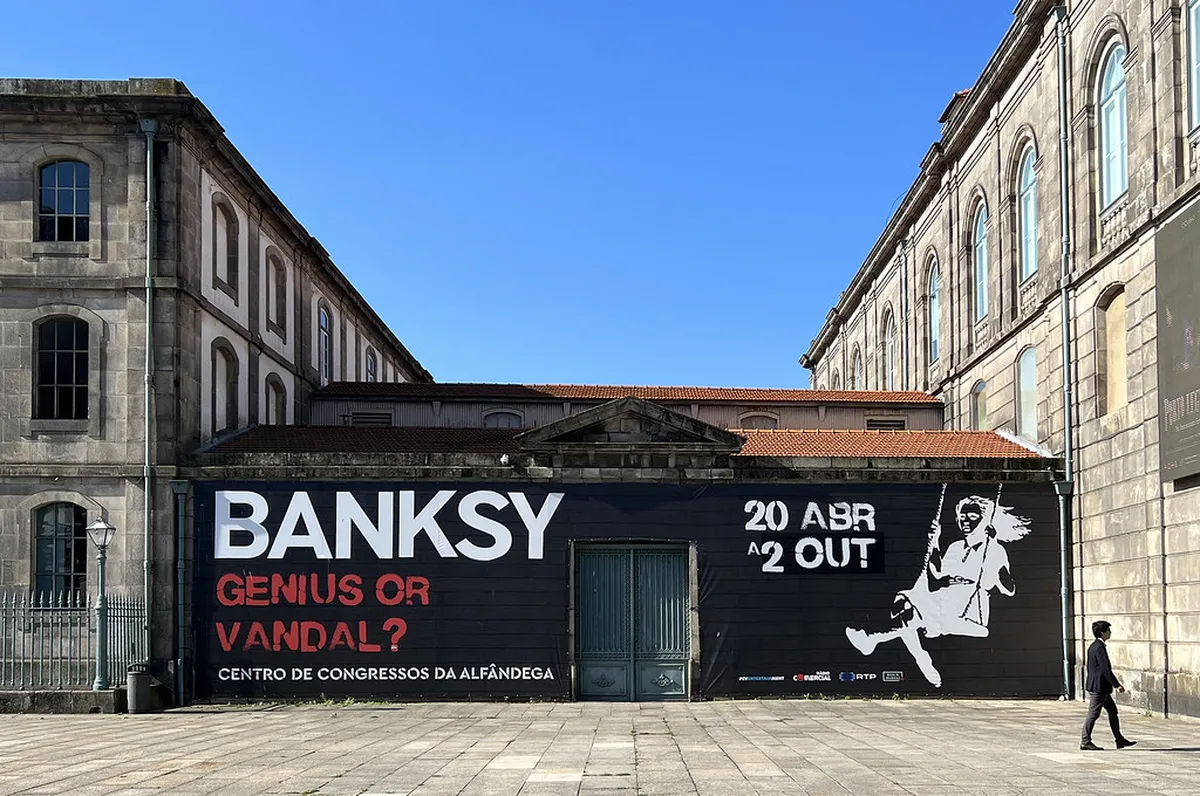
The Baixa district offers a mix of Baroque, Neoclassical, and Art Nouveau. Grand avenues and bustling squares define this central area. Visit Avenida dos Aliados for impressive facades. This is Porto's civic heart.
Miragaia presents another unique architectural experience. It blends traditional fishing village houses with industrial elements. The district's winding alleys reveal hidden treasures. Each neighborhood tells a different story through its buildings. Uncover Miragaia's hidden gems on your visit.
Frequently Asked Questions
What are the most famous architectural landmarks in Porto?
Porto features several renowned architectural landmarks. The Clérigos Tower offers stunning Baroque design. São Bento Railway Station boasts incredible azulejo panels. The Porto Cathedral represents Romanesque and Gothic styles. These are essential stops for architecture lovers.
Where can I see traditional tiled buildings in Porto?
You can find beautiful tiled buildings, known as azulejos, everywhere in Porto. São Bento Station is a highlight. Many churches, like Igreja do Carmo, also feature impressive tile work. Wander through the historic center for countless examples. Discover more Porto tiled buildings here.
Are there walking tours focused on Porto's architecture?
Yes, many walking tours in Porto focus on its architecture. Local guides can provide deep insights. These tours often cover the Ribeira and Baixa districts. They highlight key architectural periods and specific buildings. Consider booking one for a richer experience.
What is the best way to experience Porto's historic architecture in 2026?
The best way to experience Porto's architecture in 2026 is on foot. Wear comfortable shoes for walking the hilly streets. Allow ample time to explore each district. Combine walking with visits to key sites. Consider a Douro River cruise for unique city views.
Porto's historic architecture styles create an unforgettable urban landscape. From ancient Romanesque to vibrant Art Nouveau, every building holds history. Plan your visit to soak in its unique beauty. Explore its diverse districts and iconic landmarks. Embrace the captivating charm of this Portuguese treasure.
Key Takeaways
- Explore Porto's diverse architectural styles, from Romanesque to Art Nouveau.
- Visit key sites like Sé Cathedral, Clérigos Tower, and São Bento Station.
- Walk through Ribeira and Baixa districts to experience different periods.
- Look for intricate azulejos (tiles) on building facades throughout the city.
- Budget for entrance fees to some iconic landmarks like Livraria Lello.
Continue exploring Porto's historic quarter
 Famous Historic Buildings in Porto: Your 2026 GuideDecember 12, 2025
 Porto's Azulejos: Historic Tiling Architecture ExploredDecember 12, 2025
- Porto Historic Architecture Styles: A Complete GuideDecember 10, 2025
 Fun Activities for Kids in Porto Old Town 2026December 13, 2025
 Top Baixa Budget Restaurants Porto Options 2026December 13, 2025