
Porto's Azulejos: Historic Tiling Architecture Explored
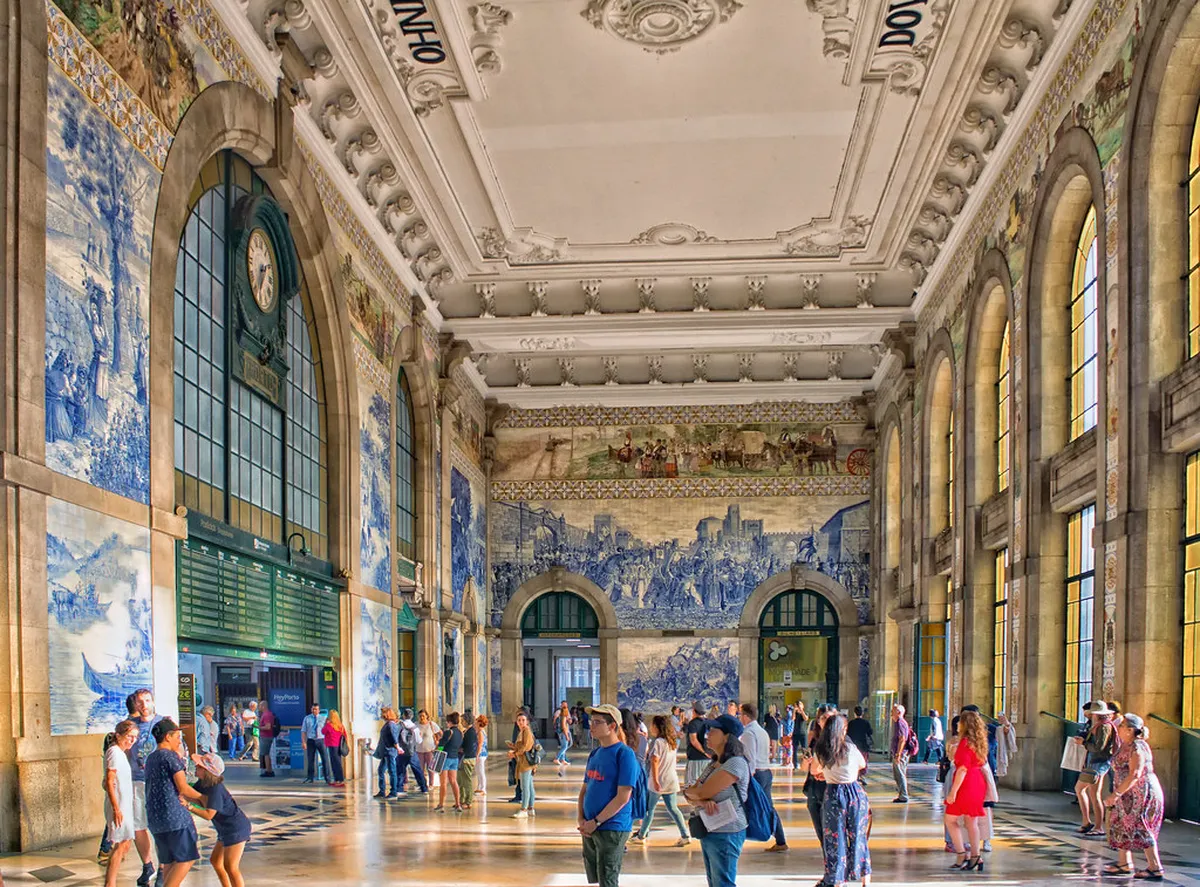
Table of Contents
Porto captivates visitors with its vibrant charm. The city's historic architecture styles truly stand out. Among these, Porto historic tiling architecture, known as azulejos, shines brightest. These ceramic tiles adorn many buildings. They tell stories of art, history, and culture.
Visiting Porto in 2026 means discovering these intricate artworks. They transform ordinary facades into masterpieces. Get ready to explore this unique visual heritage. Our guide helps you uncover Porto's tiled wonders.
The Enduring Legacy of Porto's Azulejos
Azulejos arrived in Portugal from Spain. Moorish influences shaped their early designs. Over centuries, Portuguese artisans developed unique styles. These tiles decorated churches, palaces, and homes.
Porto embraced azulejos with great enthusiasm. They became a signature element of the city. The tiles often depict historical events or religious scenes. Other designs feature intricate geometric patterns or natural motifs.
Today, these historic tiles are more than decoration. They are a vital part of Porto's identity. Many older buildings still boast their original tilework. New buildings sometimes incorporate traditional azulejo designs.
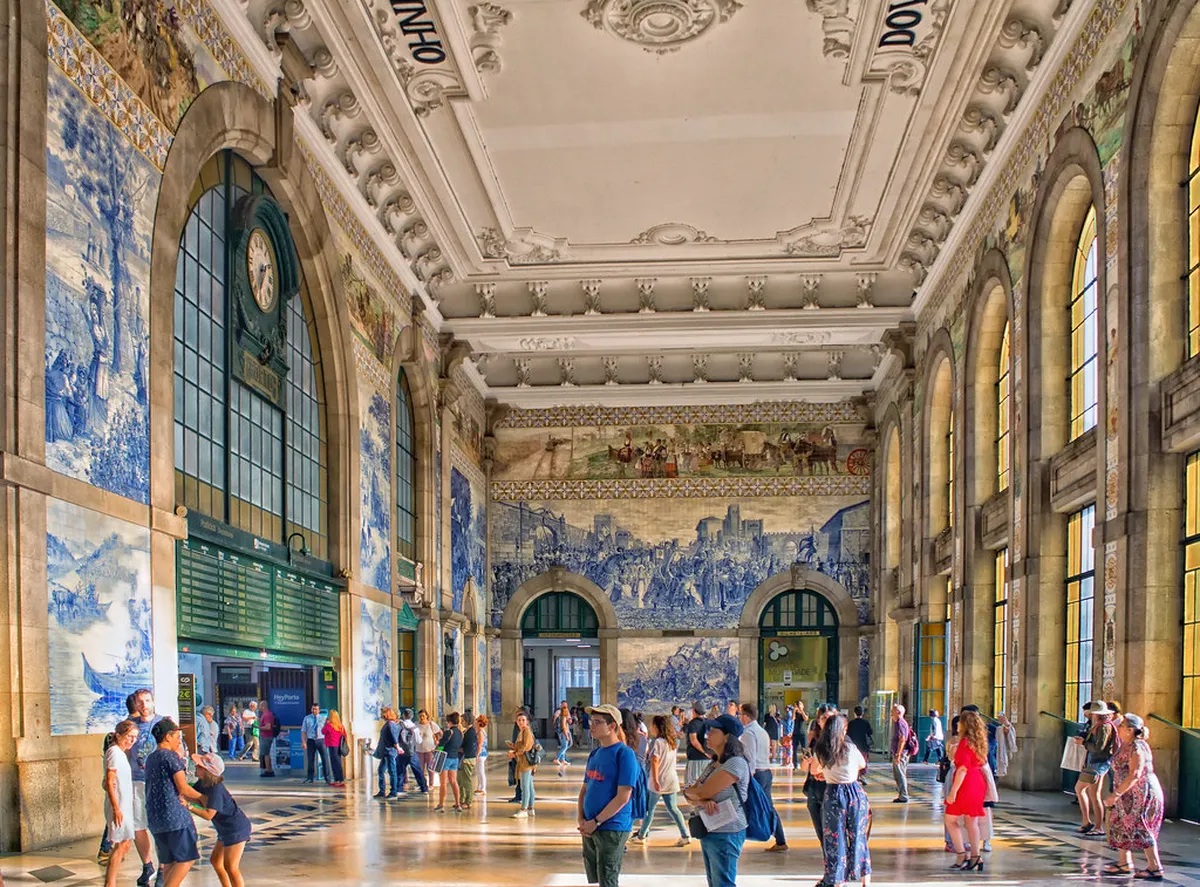
São Bento Station alone features twenty thousand individual azulejo tiles in its main hall. Visit in the morning when the light is soft and the hall is less crowded for the best photographs.
Where to Find Porto's Most Beautiful Tiles
Porto offers countless places to admire azulejos. São Bento Station is a must-see. Its main hall features twenty thousand tiles. They illustrate scenes from Portuguese history and rural life.
The Igreja do Carmo and Igreja dos Carmelitas are also stunning. These twin churches share a magnificent tiled side facade. The blue and white panels depict Carmelite order history. It is an impressive example of tiled artistry.
Other notable spots include the Capela das Almas. This chapel is entirely covered in blue and white tiles. Its vibrant exterior shows the lives of saints. Wander through Porto's famous historic buildings to find hidden gems. Many ordinary houses still feature beautiful tilework too.
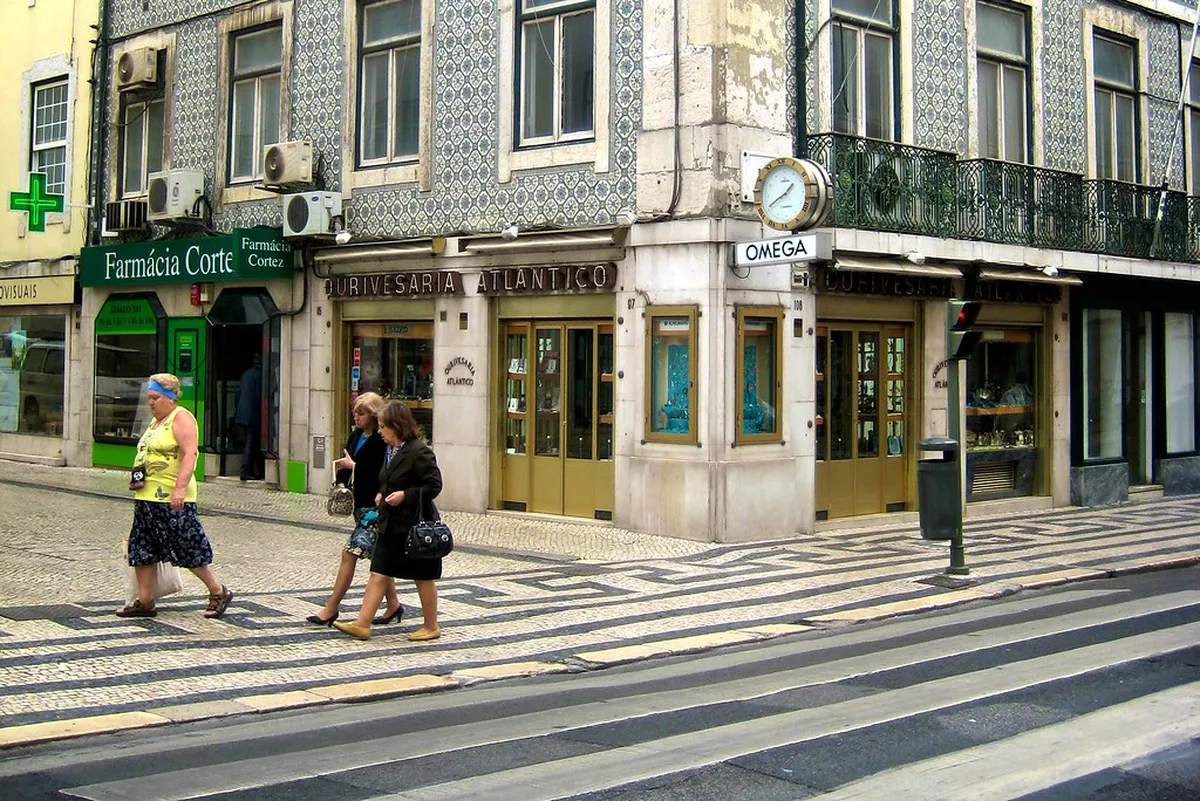
Look for tiled signs above old shops. Many traditional businesses preserve their original facades. These smaller examples add charm to city streets. Each tile contributes to Porto's unique character.
| Location | Tile Style | Highlight |
|---|---|---|
| São Bento Station | Blue and white narrative panels | 20,000 tiles depicting Portuguese history and rural life |
| Igreja do Carmo | Blue and white relief panels | Magnificent tiled side facade showing Carmelite order history |
| Igreja dos Carmelitas | Blue and white relief panels | Twin church sharing facade with Igreja do Carmo |
| Capela das Almas | Blue and white figurative tiles | Entire exterior covered depicting the lives of saints |
| Historic shop facades | Multi-colored decorative tiles | Tiled signs and storefronts throughout the city center |
Understanding Azulejos: Artistry and Craft
Traditional azulejos are made from glazed ceramic. Artisans paint the designs by hand. The firing process locks in the colors. This makes the tiles durable and long-lasting.
Blue and white are the most common colors. This color palette became popular in the 17th century. It often mimics Chinese porcelain. Earlier tiles featured a wider range of colors.
Many azulejos were mass-produced later on. They still maintained high artistic quality. Some factories in Portugal continue these ancient traditions today. You can find modern interpretations in local shops.
Preserving Porto's Tiled Heritage in 2026
Maintaining azulejos is a continuous effort. Weather and time can damage the tiles. Conservation projects work to restore old facades. They ensure this beauty endures for future generations.
Local organizations promote azulejo appreciation. They offer workshops and guided tours. Visitors can learn about the craft firsthand. Consider joining a walking tour for deeper insights.
Responsible tourism helps protect this heritage. Avoid touching or damaging the tiles. Support local artisans and conservation efforts. Your visit contributes to their preservation.
Weather and time can damage azulejo tiles. Do not touch or lean against tiled facades — the glazed surface chips easily and many panels are centuries old. If you notice loose or fallen tiles, report them to the local conservation office rather than handling them yourself.
Planning Your Tiled Architecture Tour in Porto
Start your tiled journey in the city center. São Bento Station is a great first stop. From there, walk towards the Clérigos Tower. You will pass many tiled buildings along the way.
Allocate plenty of time for exploration. Allow for unexpected discoveries. Many side streets reveal stunning tile displays. Wear comfortable shoes for walking cobblestone streets.
Consider a guided tour for expert insights. Guides can share stories behind the tiles. They often point out easily missed details. Booking ahead for 2026 tours is recommended.
Bring a good camera to capture the beauty. The light changes throughout the day. Morning and late afternoon offer soft, flattering light. Take your time to explore Porto's old city at your own pace.
Frequently Asked Questions
What is the best way to see azulejos in Porto?
Walking tours are excellent for seeing azulejos. Many famous buildings are within walking distance. Focus on the city center and historic districts. Use a map to plan your route efficiently.
Are azulejos only blue and white?
While blue and white are iconic, azulejos come in many colors. Early tiles featured green, yellow, and brown. The blue and white style became dominant in later centuries. You can still find multi-colored examples.
Can I buy authentic azulejos in Porto?
Yes, you can buy authentic azulejos. Visit artisan workshops or specialty shops. Look for reputable sellers to ensure quality. New and antique tiles are available for purchase.
Porto's historic tiling architecture offers a visual feast. These beautiful azulejos tell a rich cultural story. From grand stations to humble homes, they define the city. Plan your visit to Porto in 2026 and admire this unique art form. Discover the vibrant beauty of Portugal's tiled heritage today.
Key Takeaways
- Prioritize São Bento Station and Capela das Almas for iconic azulejos.
- Walk the historic city center to discover hidden tiled facades.
- Support local artisans by purchasing authentic azulejo souvenirs.
Continue exploring Porto's historic quarter
 Famous Historic Buildings in Porto: Your 2026 GuideDecember 12, 2025
- Porto's Azulejos: Historic Tiling Architecture ExploredDecember 12, 2025
 Porto Historic Architecture Styles: A Complete GuideDecember 10, 2025
 Fun Activities for Kids in Porto Old Town 2026December 13, 2025
 Top Baixa Budget Restaurants Porto Options 2026December 13, 2025