
Explore Coimbra's Rich Literary History in 2026
Table of Contents
Coimbra, Portugal, offers a profound literary history. Its ancient university shaped countless writers. This guide explores the city's intellectual soul. Discover its deep connections to literature in 2026.
You will explore key literary sites. We will highlight influential authors. Learn about the unique academic traditions. Prepare for an enriching cultural journey.
The University of Coimbra: A Literary Cradle
The University of Coimbra stands as Portugal's oldest institution. It consistently attracted brilliant minds for centuries. This rich academic environment fostered immense literary talent. Students often penned their first works here.
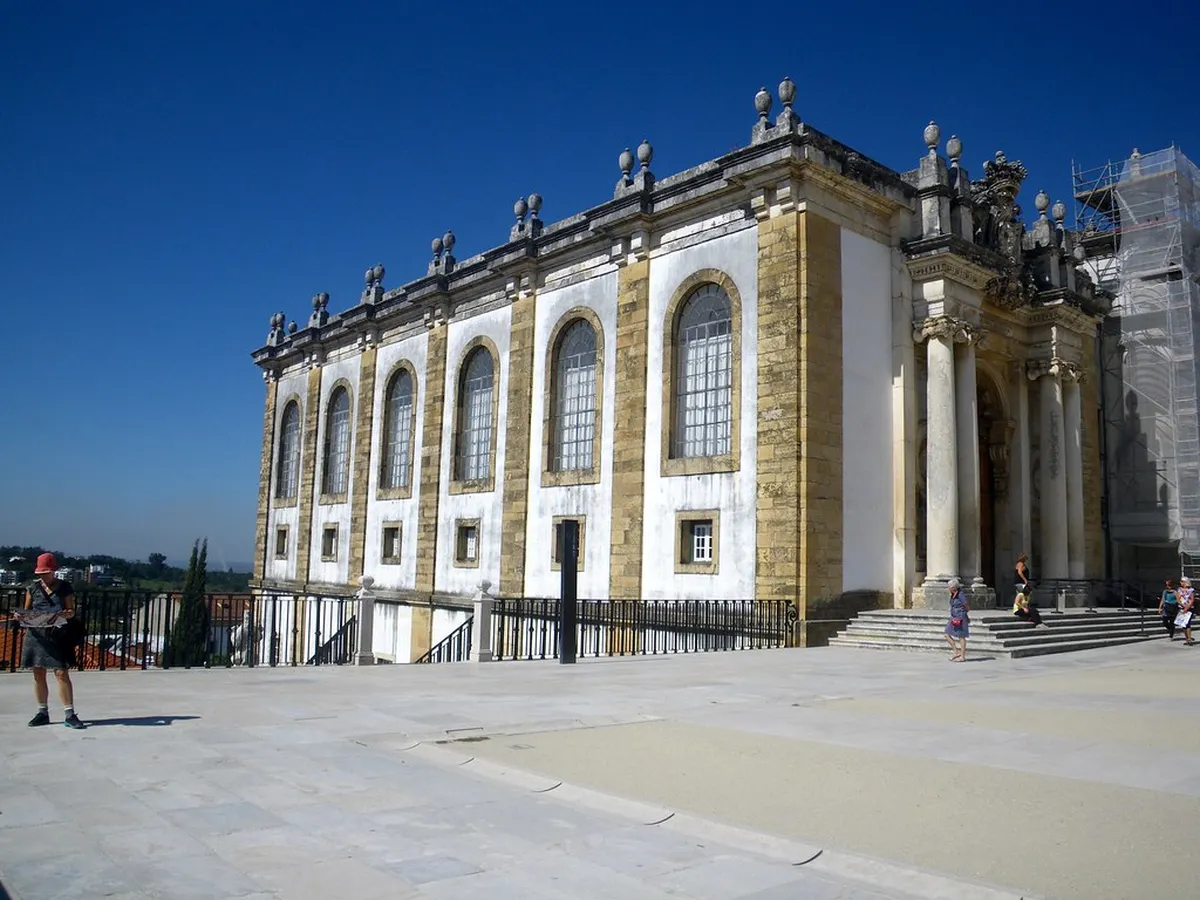
The magnificent Joanina Library is a prime example. This Baroque masterpiece houses over 250,000 ancient books. Its stunning interior inspires awe and reverence. It remains a key symbol of scholarly pursuit. Entrance costs approximately €12.50.
Students traditionally lived in communal "Repúblicas" or student houses. These homes encouraged intense intellectual discourse. Many future poets and writers shared ideas there. This vibrant atmosphere fueled creative expression among peers.
Entry to the Joanina Library costs approximately €12.50. Timed entry slots fill up fast in peak season — book your ticket online in advance to avoid missing Coimbra's most spectacular literary landmark.
The unique academic life greatly influenced student writing. Coimbra's traditions shaped their perspectives deeply. They often wrote about love, longing, and social critique. This created a distinct Coimbra literary style. Explore more on University Hill's history.
Famous Literary Figures of Coimbra
Many celebrated authors have strong ties to Coimbra. Eça de Queirós, a renowned novelist, studied law here. His satirical realism often reflected Portuguese society. He remains a giant of Portuguese literature.
Miguel Torga, a notable poet and doctor, also graced Coimbra. His works often depicted rural Portugal with great insight. Torga's writing captured the essence of local life. He explored themes of identity and nature powerfully.
Luís Vaz de Camões, Portugal's greatest epic poet, reportedly studied here. His epic "The Lusiads" defines Portuguese identity. Though unconfirmed, his presence is highly celebrated. His literary legacy echoes through the entire city.
Other figures like Padre António Vieira influenced Portuguese prose. His powerful sermons are considered literary masterpieces. Coimbra's intellectual rigor shaped his rhetoric. He left an indelible mark on Portuguese letters. Discover more about Coimbra's literary connections.
Coimbra's Academic Traditions and Fado
Coimbra's academic traditions are deeply intertwined with its literature. The students' distinctive black capes are iconic. These capes symbolize scholarly dedication. They are a visible part of the city's literary scene even today.
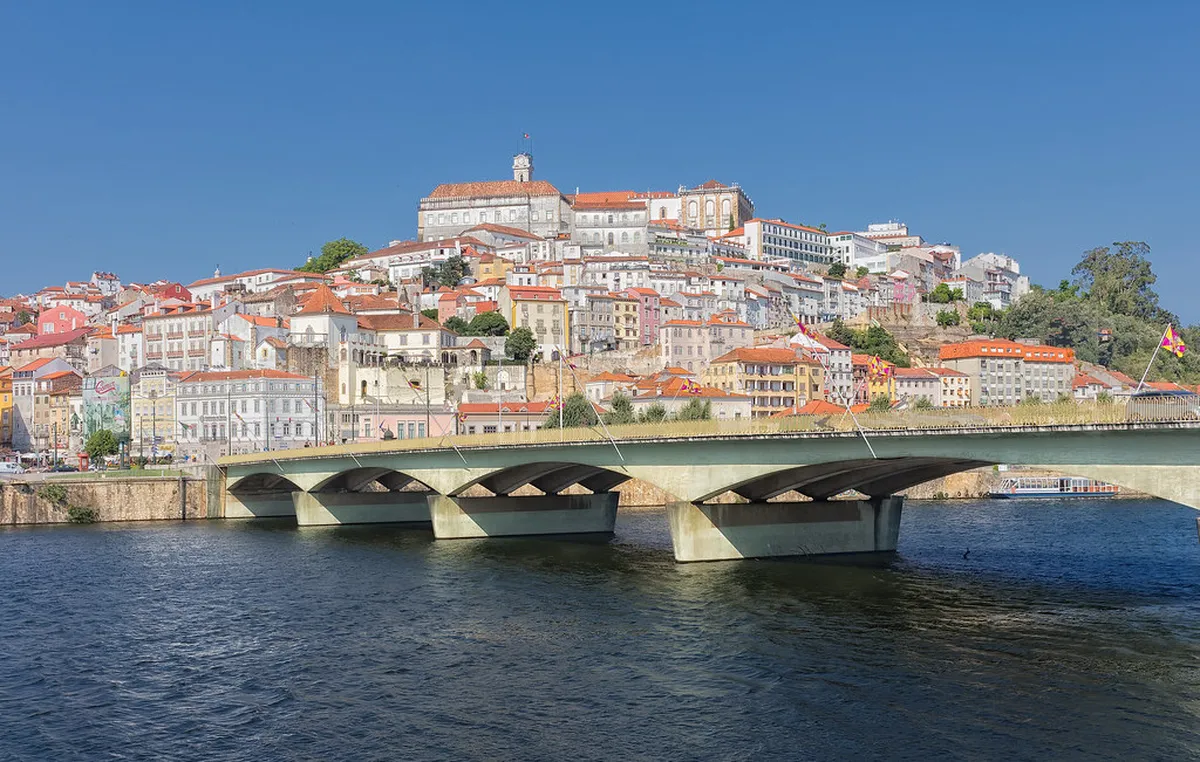
Coimbra Fado is another unique cultural expression. It differs significantly from Lisbon Fado in style and theme. Often sung by male students, it tells tales of academic life. Melancholy melodies convey longing, love, and farewell. For more on this, see Fado in Coimbra neighborhoods.
The lyrics of Coimbra Fado frequently come from student poets. They reflect on academic experiences and youthful dreams. These songs are a living part of the city's literary heritage. They are typically performed at night, creating a magical atmosphere.
Seek out authentic Fado performances in local taverns. Many intimate venues near the university host these events. Check schedules for "fado ao centro" or similar reputable groups. Tickets often cost around €10-€15 for an evening show.
Coimbra Fado is traditionally performed only by male students and is rarely staged during university holiday periods. If you are visiting outside term time, confirm show dates directly with venues before making plans around an evening performance.
Literary Landmarks and Historic Bookstores
Explore Coimbra's winding streets to find literary echoes everywhere. The historic Alta and Sofia areas hold many secrets. Walk the same ancient paths as legendary writers. Each stone whispers stories of the past.
Livraria Minerva, near the university, is a truly historic bookstore. It has served generations of Coimbra students. Browse its extensive shelves for classic Portuguese works. You might find a treasured first edition or a rare academic find.
The National Library of Portugal's Coimbra branch is highly significant. It holds vast collections of precious manuscripts. Researchers and literary enthusiasts often visit this site. It serves as a true treasure trove of knowledge and history.
Consider joining a guided literary walking tour of Coimbra. Expert guides share fascinating anecdotes about authors. They point out former homes and haunts of famous figures. This offers a deeper, immersive understanding of the city's literary past.
| Literary Site | Location | Admission | Highlight |
|---|---|---|---|
| Joanina Library | University of Coimbra, Alta district | ~€12.50 | Over 250,000 ancient books; stunning Baroque interior |
| National Library (Coimbra branch) | Historic centre | Free (reading rooms) | Precious manuscripts and academic archives |
| Livraria Minerva | Near the university | Free entry | Historic bookstore serving generations of students |
| Fado ao Centro (and similar venues) | Near the university | ~€10–€15 | Live Coimbra Fado with student poetic lyrics |
| Guided literary walking tour | Alta and Sofia areas | Varies by operator | Author homes, haunts, and anecdotes from expert guides |
Coimbra in Famous Literature and Media
Coimbra has appeared as a setting in numerous literary works. Authors often use its unique charm as a vivid backdrop. The city's timeless atmosphere inspires countless narratives. It consistently serves as a muse for creative minds. Explore the influence of Coimbra in famous literature.

Eça de Queirós’s seminal novel "The Crime of Father Amaro" features Coimbra prominently. The novel paints a vivid picture of 19th-century life there. It critiques the hypocrisy prevalent in that era. This work is a classic of Portuguese realism.
Miguel Torga's renowned diaries often mention his time in Coimbra. He reflected on his challenging student years. His deeply personal accounts offer unique insights. They reveal the city's profound impact on his intellectual development.
Modern authors and filmmakers also find inspiration in Coimbra. Its timeless beauty and strong academic spirit endure. Look for its presence in contemporary novels and films. The city continues to inspire new generations of artists.
Frequently Asked Questions
What makes Coimbra a literary city?
Coimbra is a literary city primarily due to its ancient university. It fostered centuries of intellectual life. Many famous Portuguese writers studied here. The city's unique student traditions also inspire art and poetry.
Which famous authors are connected to Coimbra?
Eça de Queirós and Miguel Torga are strongly connected. Luís Vaz de Camões also has traditional ties to the city. These figures significantly shaped Portuguese literary history.
Can I visit literary sites in Coimbra?
Yes, you can visit many fascinating literary sites. Explore the magnificent Joanina Library at the university. Walk through the historic Old Town, seeking hidden gems. Also, visit historical bookstores and traditional Fado houses.
What is Coimbra Fado's literary connection?
Coimbra Fado directly links to student literary traditions. Its poignant lyrics are often poetic and deeply reflective. Many songs tell captivating stories of student life and love. They represent a unique form of musical literature.
Coimbra offers a truly immersive literary experience. Its rich history lives in every ancient street and grand building. Plan your visit to this intellectual haven. Discover the stories woven into its ancient, inspiring fabric.
From student repúblicas to fado performances, literature permeates Coimbra. Take the time to absorb its unique charm. This city will undoubtedly leave a lasting impression.
Key Takeaways
- The University of Coimbra is central to the city's literary identity.
- Explore the Joanina Library and historic student 'repúblicas' for insight.
- Experience Coimbra Fado for a taste of its unique student poetry and music.
- Look for references to Coimbra in classic and modern Portuguese literature.
Continue exploring Coimbra's historic quarter
 Coimbra's Literary Figures: Historic City ConnectionsDecember 13, 2025
 Coimbra Literary Sites: A Guide for 2026 VisitorsDecember 11, 2025
 Coimbra in Famous Literature: A Literary GuideDecember 10, 2025
- Explore Coimbra's Rich Literary History in 2026December 10, 2025
 Aveiro Day Trip from Coimbra: 2026 GuideJune 6, 2026