
Navigating Coimbra: Public Transportation in Historic Areas

Table of Contents
Coimbra offers a unique charm with its ancient university and medieval streets. Exploring the city's historic areas can be challenging due to its hilly terrain. Thankfully, public transportation Coimbra historic areas provides excellent solutions. You can experience all of Coimbra without constant uphill walks.
Understanding Coimbra's Hilly Layout
Coimbra is famous for its distinct geographical divisions. The Baixa Coimbra is the lower, flat commercial district. The Alta Coimbra sits atop a significant hill, housing the university.

Historic areas like the Old Town span both these levels. Navigating between them requires some planning and mobility options. The city's topography makes walking uphill a workout.
Many visitors prefer to save their energy. Public transportation Coimbra historic areas helps immensely for reaching higher points. This ensures you enjoy sights like the Joanina Library more.
Coimbra's Bus System: SMTUC Routes
SMTUC operates Coimbra's extensive bus network. These buses are the primary public transportation Coimbra historic areas option. They efficiently connect the Baixa, Alta, and surrounding neighborhoods.
Key routes serve the University Hill and Old Town. Routes 1A, 28, and 103 are particularly useful. They climb towards the university and its historic buildings.
Buying bus tickets is straightforward. You can purchase them directly from the driver. Cash payments are accepted. Consider a multi-trip card for better value during your stay.
Elevators and Funiculars for Hill Climbs
Coimbra also features unique mobility solutions for its hills. The Elevador do Mercado connects lower areas to the market. This free elevator saves you a steep climb.

It is especially useful when carrying purchases. While a traditional funicular isn't prominent, similar services exist. Smaller, localized elevators aid pedestrian movement.
These installations make historic exploration easier. They reduce the physical demand of navigating Coimbra. Always check operating hours, as they might differ from buses.
The Elevador do Mercado and similar localized elevators have their own operating hours that differ from SMTUC buses. Check before you rely on them, especially in the evening or on Sundays.
Public Transportation Tickets and Passes (2026)
Coimbra's SMTUC system offers several ticket options. A single bus ride costs about €1.70 when bought on board. This is perfect for occasional use.
The "Cartão Coimbra" provides an economical solution. You can load multiple trips onto this rechargeable card. The card itself costs around €0.50.
Each trip is then cheaper, typically €0.80. Weekly or monthly passes offer unlimited travel. In 2026, verify prices at kiosks or SMTUC office for Coimbra's historic neighborhoods.
The "Cartão Coimbra" rechargeable card costs only €0.50 and drops each bus ride from €1.70 (paid on board) to around €0.80 — a saving of more than 50% per trip. Pick one up at an SMTUC kiosk as soon as you arrive.
| Ticket Type | Cost | Best For |
|---|---|---|
| Single ticket (on board) | ~€1.70 | Occasional, one-off journeys |
| Cartão Coimbra card (card fee) | ~€0.50 | One-time card purchase |
| Per trip with Cartão Coimbra | ~€0.80 | Regular use — best per-ride value |
| Weekly/monthly pass | Verify at kiosk | Extended stays, unlimited travel |
Essential Tips for Coimbra Transport
Plan your routes in advance using online maps or apps. Google Maps often includes SMTUC bus routes and timings. This helps you efficiently reach your desired historic sites.
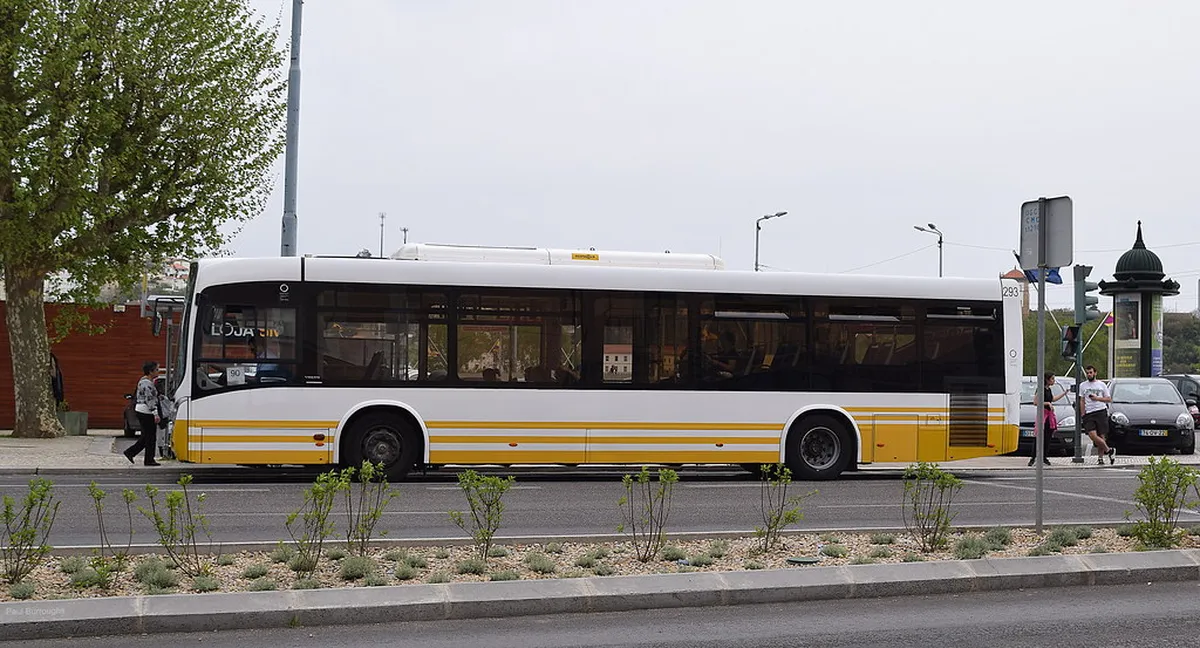
Be prepared for frequent stops on uphill routes. Hold onto railings as buses navigate narrow streets. Validate your ticket upon boarding by tapping your card.
Consider walking downhill whenever possible. This offers fantastic views and unique discoveries. Use public transport for ascents to save energy. Coimbra taxi services can complement your bus travel.
Frequently Asked Questions
Is Coimbra's public transportation accessible for all visitors?
Coimbra's public transportation strives for accessibility. Newer SMTUC buses often have ramps for wheelchairs. However, historic areas with cobblestones can still present challenges.
Can I use public transportation to reach Coimbra University?
Yes, public transportation is excellent for reaching Coimbra University. Several SMTUC bus routes climb directly to the Alta. Routes 1A, 28, and 103 drop you off near the campus.
What is the best way to pay for public transportation in Coimbra?
The "Cartão Coimbra" is the most convenient payment method. Purchase and recharge it at kiosks for better value. Single tickets cost more when bought from drivers. Getting around Coimbra effectively involves using these options.
Exploring Coimbra's beautiful historic areas is incredible. Public transportation in Coimbra makes navigation effortless. The SMTUC bus system connects all key attractions. Use smart ticketing for a smooth trip in 2026.
Key Takeaways
- Use SMTUC buses to easily reach Coimbra's hilly historic areas.
- Get a "Cartão Coimbra" for cheaper and more convenient travel.
- Combine bus rides with walking for the best exploration experience.
Continue exploring Coimbra's historic quarter
 Walking Uphill Coimbra Tips for an Easy ExplorationDecember 13, 2025
 Coimbra Taxi Services Guide 2026: Easy City TravelDecember 12, 2025
 Getting Around Coimbra: Your 2026 Transport GuideDecember 12, 2025
- Navigating Coimbra: Public Transportation in Historic AreasDecember 12, 2025
 Aveiro Day Trip from Coimbra: 2026 GuideJune 6, 2026