
University of Coimbra History Facts: A 2026 Guide

Table of Contents
The University of Coimbra stands as a monument to Portuguese history. It is one of the oldest continually operating universities globally. This institution shapes Coimbra's unique character. Its rich past spans over seven centuries.
Understanding the University of Coimbra history facts enriches any visit. This guide unveils its remarkable journey. Prepare to explore academic excellence and ancient traditions. Plan your 2026 trip to this historic University Hill area.
Founding and Early Evolution of the University
The University of Coimbra began its life in Lisbon in 1290. King Dinis I founded it, initially as a 'Estudo Geral'. It moved between Lisbon and Coimbra several times. This relocation history highlights early political influences.
Coimbra became its permanent home in 1537 under King John III. This move marked a pivotal moment. The university occupied the former Royal Palace. This decision firmly cemented its place in the city's identity.
Early faculties included Arts, Canon Law, Civil Law, and Medicine. Theology was added later by the Pope. These initial subjects laid a strong foundation. They defined the university's academic structure for centuries.
The Golden Age and Architectural Marvels
The 16th to 18th centuries represented the university's golden age. Significant expansion and reform took place. The institution flourished under enlightened monarchs. It attracted scholars from across Europe.
Many iconic buildings emerged during this period. The 'Paço das Escolas' is the university's main square. It showcases magnificent Baroque architecture. This central hub remains vibrant today for students and visitors.
One highlight is the Joanina Library, completed in 1728. King John V commissioned this stunning Baroque masterpiece. It houses over 200,000 ancient volumes. Another key building is the Capela de São Miguel, known for its elaborate altar and organ.
Enduring Academic Traditions and Student Life
Coimbra is famed for its unique academic traditions, known as 'Praxe'. These rituals mark a student's journey. They create a strong sense of community. Freshmen often wear traditional black capes.
Student fado is another deeply rooted tradition. These melancholic songs are unique to Coimbra. They reflect student loves, losses, and hopes. Experiencing fado provides insight into ancient university traditions.
Republics are traditional student housing co-operatives. They have existed for centuries. These offer a glimpse into historical student life. Many operate today, preserving their unique customs.
Visiting the Historic University in 2026
The University of Coimbra became a UNESCO World Heritage site in 2013. This recognition celebrates its history and cultural significance. It draws countless visitors each year. Plan your visit for 2026 to experience its grandeur.
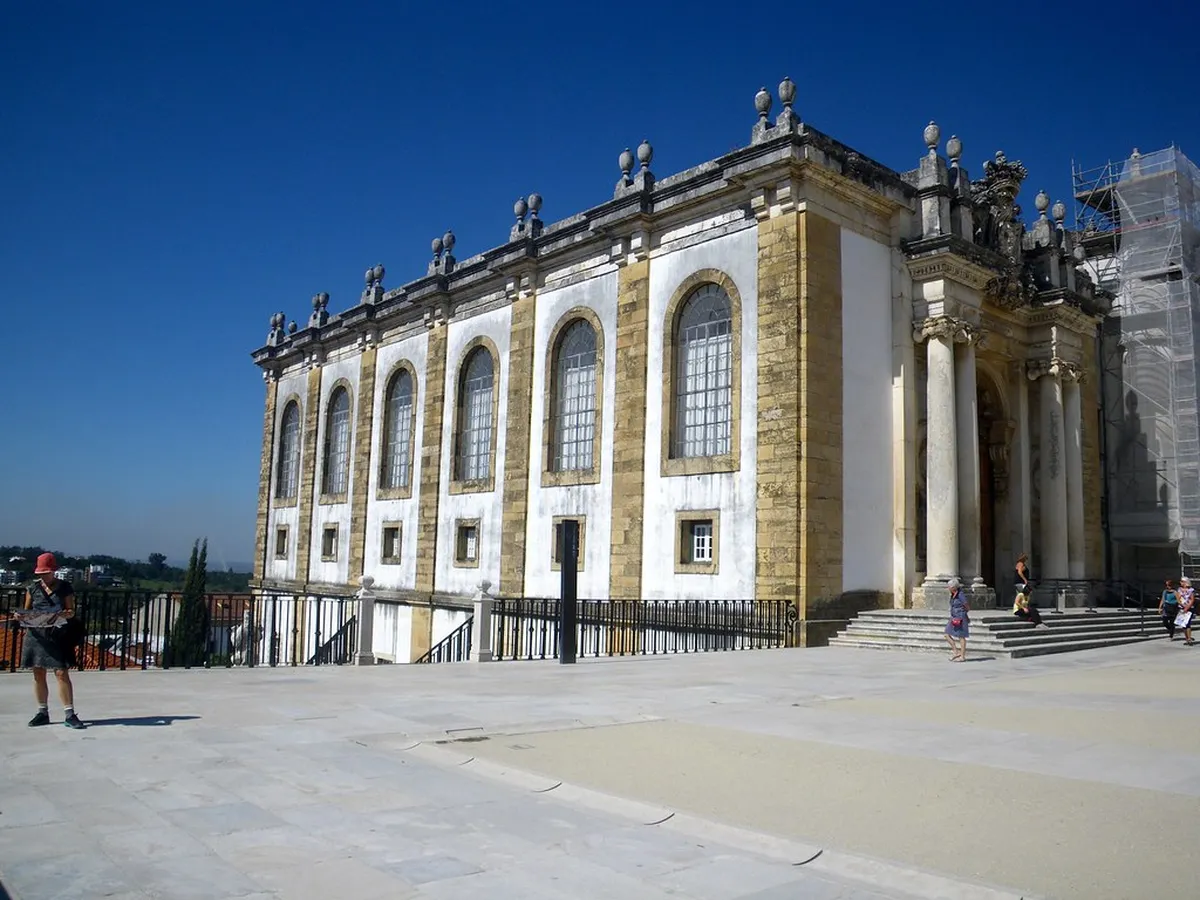
Visitors can explore various key areas. The Royal Palace, Joanina Library, and Chapel are major attractions. Purchase tickets online in advance. This helps avoid long queues, especially during peak seasons.
General admission is around €13.50 for a combined ticket covering the Royal Palace, Joanina Library, and Chapel. Booking online in advance saves time and guarantees entry, particularly during busy months.
Practical Tips for Your Visit:
- Hours: Open daily, typically 9:00 AM - 5:00 PM.
- Cost: General admission is around €13.50 for a combined ticket.
- Location: The university sits atop Alta de Coimbra. This is the highest point of the city.
| Attraction | Style / Period | Highlight |
|---|---|---|
| Paço das Escolas | Baroque / 16th–18th c. | University's magnificent main square |
| Joanina Library | Baroque, completed 1728 | Over 200,000 ancient volumes; commissioned by King John V |
| Capela de São Miguel | Baroque | Elaborate altar and historic pipe organ |
| Royal Palace | Medieval / Renaissance | Former royal residence; houses key university rooms |
Guided tours offer deeper insights into its history. Consider joining one for a comprehensive experience. You will uncover hidden stories and significant details. Many tour options are available throughout Coimbra's historic center.
The university is open daily but typically closes at 5:00 PM. During peak tourist seasons, queues for the Joanina Library in particular can be long — the library's conservation rules also limit the number of visitors inside at one time, so entry is not guaranteed without advance booking.
Frequently Asked Questions
When was the University of Coimbra officially founded?
The University of Coimbra was founded in Lisbon on March 1, 1290. King Dinis I established it. It was initially called a 'Estudo Geral'.
It later moved to Coimbra permanently. This relocation happened in 1537. This decision solidified its place as a leading institution.
What are the most significant historical buildings to see?
You must visit the 'Paço das Escolas', the central square. Don't miss the exquisite Joanina Library. Its Baroque splendor is truly remarkable.
The Capela de São Miguel, with its stunning organ, is also essential. These buildings showcase centuries of architectural history. They represent the university's rich past.
How can I experience Coimbra's unique student traditions today?
You can witness students wearing traditional black capes. Look for them around the university grounds. Attending a Fado de Coimbra performance is highly recommended.
These Fado shows often highlight student themes. They are a unique cultural experience. Consider a walking tour focused on student life in Coimbra's historic Old Town.
The University of Coimbra is more than just an educational institution. It is a living museum of Portuguese history. Its ancient halls echo with centuries of learning. Visitors gain a deep appreciation for its enduring legacy.
Understanding these University of Coimbra history facts enhances your journey. Plan your visit to this UNESCO World Heritage site today. Discover its academic traditions and architectural wonders. Coimbra awaits your exploration.
Key Takeaways
- The University of Coimbra, founded in 1290, is one of the world's oldest universities.
- It became a UNESCO World Heritage site in 2013, recognizing its profound historical impact.
- Explore iconic buildings like the Joanina Library and experience unique academic traditions.
- Plan your 2026 visit to include the 'Paço das Escolas' and a Fado de Coimbra performance.
Continue exploring Coimbra's historic quarter
 Exploring Coimbra University Hill: Your 2026 GuideDecember 13, 2025
 University Coimbra Ancient Traditions Guide 2026December 13, 2025
- University of Coimbra History Facts: A 2026 GuideDecember 12, 2025
 Discovering Coimbra's University Hill History GuideDecember 10, 2025
 Aveiro Day Trip from Coimbra: 2026 GuideJune 6, 2026