
Évora City Wall History Facts: A Complete Guide
Table of Contents
Évora, Portugal, boasts an incredibly rich past. Its ancient city walls tell stories of many civilizations. Understanding Évora city wall history facts enhances any visit. These formidable structures have protected the city for centuries.
Walking along these historic defenses is a journey through time. From Roman origins to medieval expansions, each layer reveals more. Prepare to discover the secrets held within these impressive fortifications. They truly define Évora's enduring legacy.
Roman Foundations: Évora's Earliest Defenses
Évora's first protective walls date back to Roman times. The city, then called Liberalitas Julia, was strategically vital. Romans constructed robust defenses during the 1st century AD. These early walls formed a strong perimeter.
Segments of these Roman foundations still exist today. You can spot massive stone blocks near the Roman Temple of Évora. They demonstrate advanced Roman engineering skills. These remnants are crucial Évora city wall history facts.
The Roman wall enclosed the city's highest point. This provided excellent views for defense. It served as a testament to Rome's power in Lusitania. Its influence laid the groundwork for future fortifications.
Moorish Fortifications: Expanding the Perimeter
Following Roman rule, the Moors arrived in Évora. They occupied the city from the 8th to the 12th centuries. The existing Roman walls were adapted and strengthened. This period saw significant expansion of the defenses.
Moorish builders added new sections to the Roman core. They often used a technique called taipa, or rammed earth. These extensions better protected the growing city. Their strategic insights are key Évora city wall history facts.
Many gates and towers were reinforced during this era. The Moors made Évora a formidable stronghold. Their architectural legacy is visible throughout the old town. This era shaped the city's defensive landscape for centuries.
Medieval Might: The Fernandine Wall of Évora
The most impressive ring of Évora's walls is medieval. King Fernando I ordered its construction in the 14th century. This new, larger wall encircled the expanded city. It became known as the Fernandine Wall.
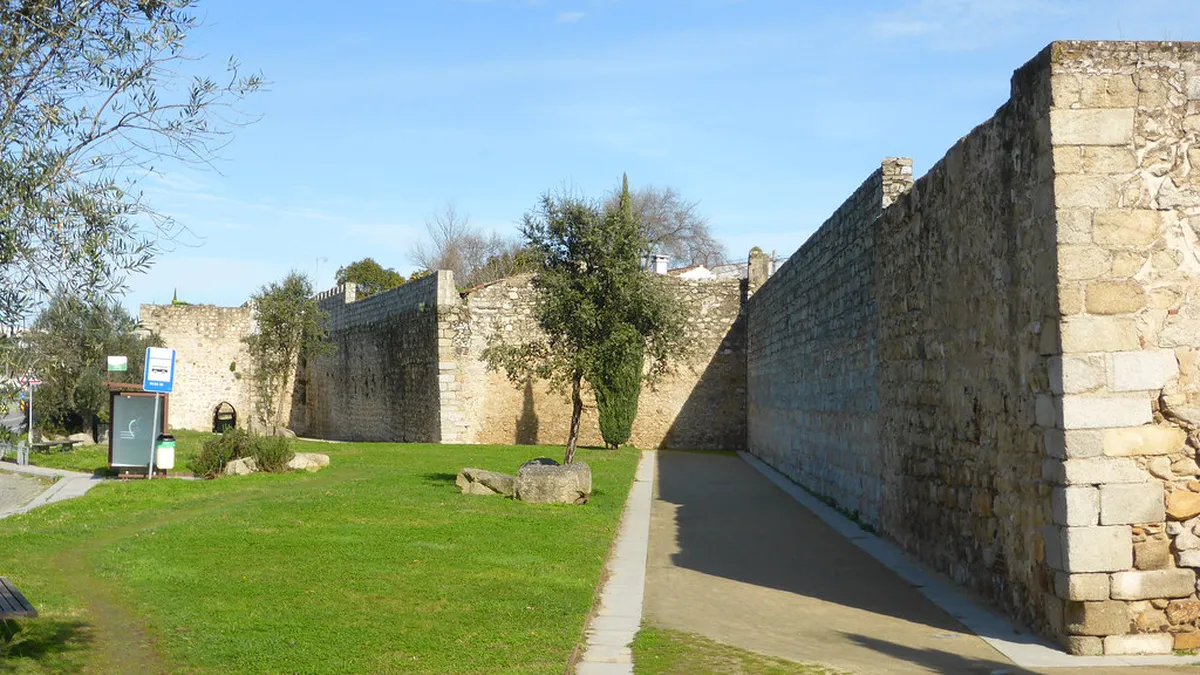
This massive defensive ring protected Évora during conflicts. Its construction involved local masons and engineers. The Fernandine wall measures over 3 kilometers (2 miles) long. It stands as a testament to medieval military architecture.
Visitors in 2026 can explore many parts of this wall. Notable sections include the Portas da Cidade and Porta de Avis. These gates offer glimpses into the city's past. They are crucial elements of Évora city wall history facts.
Consider taking a leisurely stroll atop accessible sections. You can enjoy panoramic views of the Alentejo landscape. The walls offer unique perspectives of Évora's historic center. It is a truly immersive historical experience.
Preservation and UNESCO: Évora's Walls Today
Évora's historic center, including its walls, is a UNESCO World Heritage site. This recognition highlights their universal value. Efforts focus on preserving these ancient structures. They remain a vital part of the city's identity.
Today, the walls are a major attraction for visitors. Several areas allow for public access and exploration. Walking routes guide you along different sections. This offers a unique perspective on Évora's past.
Plan your visit in 2026 to experience these historical marvels. Explore the Roman, Moorish, and Medieval layers. Consider joining a guided tour for deeper insights. Discover more about walking Évora's city walls for incredible views.
Frequently Asked Questions
How old are Évora's city walls?
Évora's city walls boast a long and varied history. The earliest foundations date back to Roman times, around the 1st century AD. Subsequent layers include Moorish and medieval constructions. The prominent Fernandine Wall was built in the 14th century.
Can visitors walk around Évora's city walls?
Yes, visitors can walk along certain sections of Évora's city walls. There are accessible areas offering fantastic views of the city. These walks provide a unique perspective. Many parts of the medieval Fernandine Wall are open for exploration.
What are the key historical periods of Évora's walls?
Évora's walls reflect three main historical periods. The initial Roman phase provided the earliest defenses. The Moorish era saw expansions and adaptations. Finally, the medieval period, highlighted by the Fernandine Wall, completed the main structure.
Évora's ancient city walls are more than just stone structures. They are living testaments to its vibrant history. Each layer reveals stories of empires and battles. Understanding Évora city wall history facts deepens your appreciation.
Make sure to explore these incredible fortifications during your 2026 visit. Walk their length and imagine the past come alive. These walls truly define Évora's enduring historical significance. Plan your unforgettable journey today.
Key Takeaways
- Évora's walls trace back to Roman origins (1st century AD).
- Moorish rulers significantly expanded and reinforced the defenses.
- The 14th-century Fernandine Wall is Évora's most visible medieval defense.
- Many sections are accessible for walking and offer panoramic views.
- The walls are part of Évora's UNESCO World Heritage designation.
Continue exploring Evora's historic quarter
- Évora City Wall History Facts: A Complete GuideDecember 12, 2025
 Walk Évora City Walls: Panoramic Views & History GuideDecember 12, 2025
 Évora Ancient City Walls: A Guide to Portugal's HistoryDecember 11, 2025
 Top Accessible Hotels in Évora Center for 2026December 13, 2025
 Best Boutique Hotels Évora Center for Your 2026 StayDecember 13, 2025