
Exploring Mouraria Évora's Architectural Features in 2026
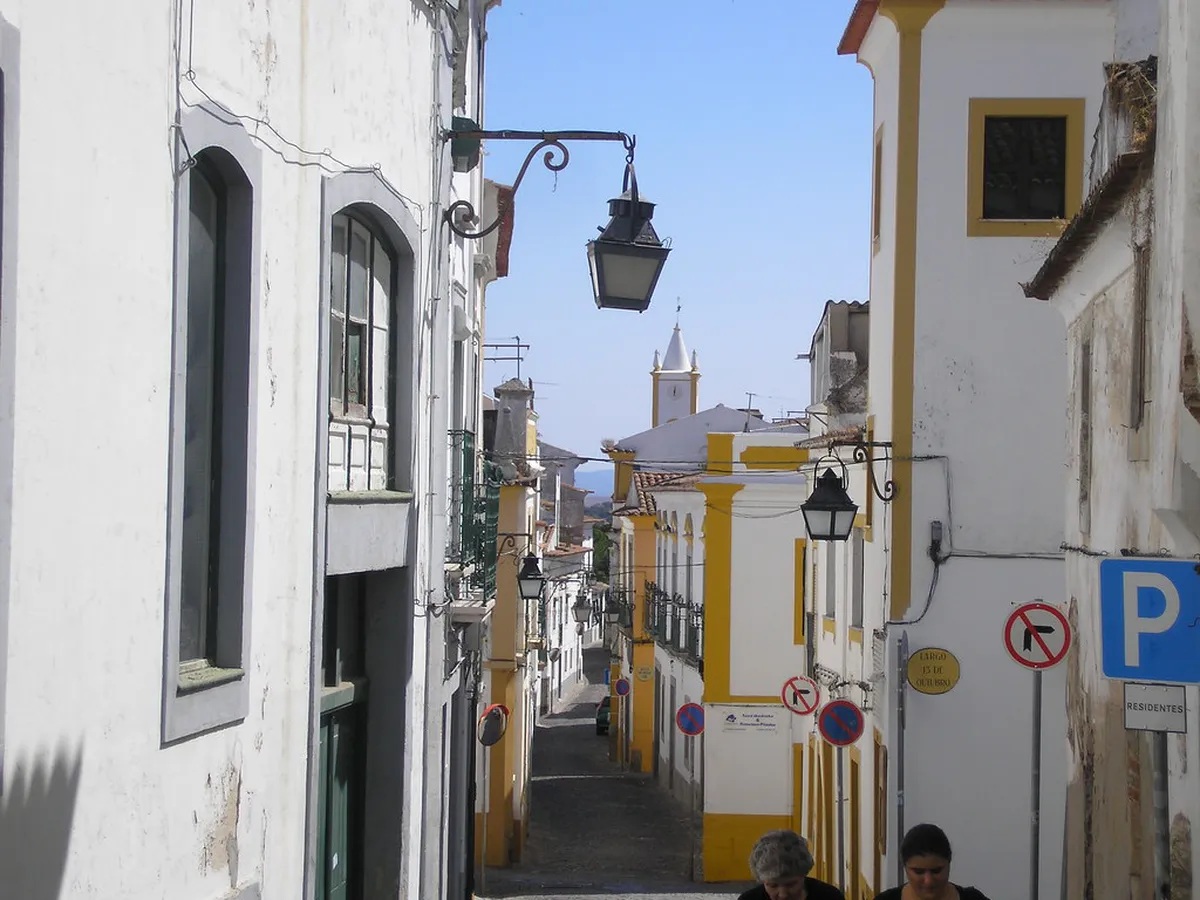
Table of Contents
Évora, a UNESCO World Heritage site, boasts rich history. The Mouraria district offers a vivid glimpse into its past. Here, you will find distinct Mouraria Évora architectural features. These elements clearly showcase the city's profound Moorish heritage.
This historic quarter invites exploration in 2026. Its captivating buildings tell silent stories of centuries past. Understanding this unique architecture truly enhances your Évora visit. Prepare to wander through ancient, charming, and historically significant streets.
The Enduring Legacy of Moorish Architecture
The Mouraria district in Évora profoundly reflects its Moorish roots. Its very name means "Moorish Quarter" in Portuguese. Many buildings retain original Islamic urban planning principles. This historical layer makes the architecture exceptionally special.
After the Christian Reconquista, some Muslim residents remained here. They diligently continued their traditional building practices. This helped to preserve unique Mouraria Évora architectural features. These enduring styles are remarkably evident even today.
Key influences include an efficient use of available space. Houses were constructed very closely together. This offered both natural protection and welcome shade. You can clearly observe these practical designs throughout the district.
The orientation of buildings was also strategic. They often faced away from direct sun. This design maximized coolness indoors. It shows intelligent adaptation to the Alentejo climate.
To learn more about this foundational period, explore Mouraria Évora's Moorish history. It provides invaluable deeper context. The profound past undeniably shaped today's distinctive structures.
Whitewashed Walls and Labyrinthine Streets
One striking feature is the ubiquitous presence of whitewashed walls. These bright, clean facades effectively reflect sunlight. They help keep interiors wonderfully cool during hot Évora summers. This practical tradition is a hallmark of southern Portugal's architecture.
The streets themselves form a truly fascinating labyrinth. They are narrow, winding, and often quite irregular. This intricate design was remarkably common in ancient Moorish cities. It created natural defenses and provided much-needed shade.
Walking these ancient paths feels like stepping back in time. You will continually discover unexpected corners and hidden squares. Many narrow lanes are thankfully too restricted for modern cars. This preserves their authentic ancient charm for 2026 visitors.
Look closely for subtle, intriguing details on these walls. You might spot faint remnants of old paintwork. Some traditional doorways feature intricate stone carvings. Each turn promises to reveal a new and captivating architectural perspective.
The uneven cobblestones underfoot add to the old-world feel. They also encourage a slower pace of exploration. This allows you to truly appreciate the intricate details. Pay attention to the subtle textures and patterns.
Hidden Courtyards and Intimate Sanctuaries
Beyond the bustling street, many homes carefully conceal private courtyards. These beautiful patios are absolutely central to Mouraria's architectural identity. They offer serene and quiet retreats from vibrant city life. Courtyards provide crucial natural light and effective ventilation.
Traditional houses often feature a central, enclosed courtyard. Rooms typically open directly into this serene space. Families historically used these versatile areas for daily activities. They were incredibly vital for social gatherings and communal living.
While most courtyards are understandably private, you can sometimes glimpse them. Look through inviting open gates or unique archways. Many boast small, lush gardens or exquisitely tiled fountains. They collectively represent an intimate and often overlooked side of Mouraria.
The architectural concept of private interior spaces dates back centuries. This strong emphasis on privacy stems from ancient Moorish traditions. This fundamental principle defines many Mouraria Évora architectural features. These hidden gems are certainly worth seeking out during your visit.
These courtyards often host citrus trees or climbing jasmine. Their fragrant blossoms fill the air in spring. This creates a sensory experience for residents. It's a testament to sustainable living practices.
Materials, Colors, and Distinctive Details
The construction materials reflect local, readily available resources. Stout stone, durable clay, and sturdy wood were primary components. Évora's unique, reddish clay tiles often adorn rooftops. These characteristic tiles add a warm, inviting, earthy tone to the district.
Beyond the widespread whitewash, small touches of vibrant color frequently appear. Doorways are sometimes painted in striking, contrasting hues. Elaborate ironwork on balconies or window grilles adds an elegant touch. These thoughtful details significantly enhance the overall visual appeal.
You might notice specific, traditional window styles. Some windows are intentionally small and high-set for privacy. Others feature classic wooden shutters that can be closed. These elements provide both security and undeniable aesthetic charm to the homes.
Small niches or shelves are often built directly into the walls. These might once have held religious figures or decorative items. Such small, unassuming architectural details often tell a deeper story. They genuinely contribute to the district's unique, lived-in character.
Consider the use of decorative tiles, or azulejos. While not as prevalent as in Lisbon, they appear on some building facades. These hand-painted tiles add artistic flair. They offer another layer of visual interest to the architecture.
Adapting to the Ages: Evolution of Mouraria's Architecture
While Moorish influence is undeniably strong, Mouraria's architecture subtly evolved. Later periods, such as the Manueline and Renaissance, added new elements. These distinct styles subtly blended into the existing fabric. This process created a truly unique architectural tapestry.
You can observe this fascinating blend in some of the larger, more prominent buildings. Ornate doorways might feature a distinct Gothic arch. Yet, the overall urban fabric of the district remains profoundly ancient. Évora's rich history is clearly written within its very walls.
Some buildings naturally show adaptations to modern living requirements. However, very strict heritage rules now apply. This careful regulation ensures the preservation of its original charm. The old city diligently protects its invaluable architectural legacy.
Modern interventions are typically subtle and respectful. They aim to maintain the visual harmony. This balance keeps the district both functional and historically accurate. It safeguards Mouraria for future generations of visitors.
For a broader architectural view, discover Évora's historic architecture styles. This valuable context highlights Mouraria's exceptional uniqueness. It clearly shows how this specific district truly stands out within Évora.
Exploring Mouraria's Architectural Wonders: Visitor Tips
Exploring Mouraria is undoubtedly best done on foot. Wear comfortable, sturdy shoes for the uneven cobblestone streets. Allow ample time, perhaps a few hours, to wander freely. The district's true charm lies in its unexpected, delightful discoveries.
Visit during the tranquil morning or the late, soft afternoon. The natural light is ideal for photography during these times. It also helps avoid the midday heat, especially in summer 2026. Many small, authentic cafes open early for coffee.
Do not be afraid to look down intriguing narrow alleys. Always remember to respect the privacy of local residents. These often-hidden passages frequently reveal charming, unheralded views. They are integral to the district's authentic and lived-in character.
Consider joining a guided walking tour for much deeper insights. Experienced local guides can expertly point out specific architectural features. They often share captivating stories behind the historic buildings. This truly enriches your understanding of Mouraria Évora architectural features. Explore other historic neighborhoods in Évora for a complete and comprehensive experience of the city.
Bring a good camera to capture the unique aesthetics. The interplay of light and shadow is beautiful. You will find endless photographic opportunities. Every corner offers a picturesque scene.
Frequently Asked Questions
What are the most distinctive Mouraria Évora architectural features?
The most distinctive features prominently include the pervasive whitewashed houses. You will also find narrow, winding cobblestone streets everywhere. Hidden interior courtyards are another key, defining element. These reflect the district's strong, historical Moorish influence.
Is Mouraria's architecture still well-preserved in 2026?
Yes, Mouraria's architecture remains remarkably well-preserved. Strict conservation rules protect the entire district rigorously. Local residents diligently maintain the traditional aesthetic. You will definitely find an authentic historical atmosphere during your visit.
How do I best experience Mouraria's architectural details?
The absolute best way is to explore the area entirely on foot. Wander freely without a strict plan or itinerary. Look up at the charming balconies and down at the intricate doorways. Consider joining a local walking tour for expert, historical insights.
Are there specific buildings in Mouraria that showcase its architecture?
While no single grand monument strictly dominates, the entire streetscape is the true highlight. Every single house and alley contributes to the overall effect. Look for small, intricate details like traditional tiles and wrought ironwork. The cumulative effect profoundly reveals its unique beauty.
What local insights can enhance my visit to Mouraria?
Talk to local shop owners or residents if you can. They often share personal stories and history. Taste local pastries in a small café. This connects you more deeply to the district's living heritage.
The Mouraria district offers a truly captivating journey into the past. Its Mouraria Évora architectural features are exceptionally unique and historically rich. They reflect a vibrant tapestry of layered history and enduring culture. These ancient designs continue to charm and fascinate visitors in 2026.
Take ample time to appreciate every subtle detail. The iconic whitewashed walls and serene hidden courtyards await your discovery. Immerse yourself in this authentic, living piece of Évora's profound past. Plan your enriching exploration of Mouraria today.
Key Takeaways
- Mouraria's architecture shows strong, preserved Moorish influences.
- Look for distinctive whitewashed houses, narrow streets, and hidden courtyards.
- Walking is the absolute best way to explore its unique, intricate features.
- Visit in 2026 to experience its timeless charm and rich history.
- Respect local privacy and enjoy the district's authentic atmosphere.
Continue exploring Evora's historic quarter
 Discover Moorish Influence in Évora Old Town in 2026December 12, 2025
 Discovering Mouraria Évora: A Journey Through Moorish HistoryDecember 11, 2025
- Exploring Mouraria Évora's Architectural Features in 2026December 10, 2025
 Top Accessible Hotels in Évora Center for 2026December 13, 2025
 Best Boutique Hotels Évora Center for Your 2026 StayDecember 13, 2025