
Brief History of Funchal City: Madeira's Past

Table of Contents
Funchal, Madeira's charming capital, holds a rich and fascinating past. Its history spans centuries of discovery and development. Understanding this brief history of Funchal city deepens your visit. Prepare to journey through time in this beautiful Portuguese destination.
This guide explores Funchal's key historical moments. Learn about its early settlers and economic booms. We highlight significant eras and their lasting impact. Plan your historical exploration of Funchal for 2026.
Funchal's Early Beginnings and Discovery
The island of Madeira was discovered in 1419. Portuguese navigators João Gonçalves Zarco and Tristão Vaz Teixeira landed here. They found a lush, forested island. The name 'Madeira' means wood in Portuguese.
Funchal, named for its abundant fennel ('funcho'), began as a small settlement. Its natural harbor proved ideal for ships. Early colonists quickly recognized its strategic value. This port became crucial for Atlantic voyages.
By 1425, permanent settlements were established. Funchal rapidly grew into a town. Its fertile land attracted many new settlers. The town received its city status in 1508 from King Manuel I.
The city's early development focused on agriculture. Sugarcane cultivation became extremely important. This crop would define Funchal's early economic success. Explore Funchal's origins and historical development for more details.
The Golden Age of Sugar Cane in Funchal
Sugarcane transformed Funchal into a thriving center. The 15th and 16th centuries marked its 'white gold' era. Funchal became Europe's leading sugar producer. This brought immense wealth and influence.
Merchants from across Europe settled in Funchal. They came for the lucrative sugar trade. Flemish traders were particularly prominent. They left a lasting cultural legacy on the island.
This economic boom funded grand construction projects. Many beautiful churches and mansions were built. The Sé Cathedral, completed in 1514, is a prime example. Its intricate details reflect the era's prosperity.
However, the sugar cane industry eventually declined. Competition from Brazil and other colonies increased. Madeira shifted its focus to other valuable exports. Wine production soon took center stage.
Pirate Raids and Shifting Fortunes
Funchal's wealth also attracted unwanted attention. The city faced frequent pirate attacks. French corsairs, like Bertrand de Montluc, raided Funchal. A devastating attack occurred in 1566.
These raids led to strong fortifications. Fortresses were built to protect the city. São Tiago Fort in the Old Town still stands today. These defenses were crucial for Funchal's survival.
In the 17th century, Madeira's wine industry boomed. This new export revitalized Funchal's economy. British merchants played a significant role. They helped establish Madeira wine's global reputation.
The city continued to grow and adapt. It became a crucial port for transatlantic trade. Funchal served as a vital stopover point. Its strategic location remained invaluable for centuries.
Modern Development and Tourism's Rise
The 19th and 20th centuries brought significant modernization. Infrastructure improved dramatically. Roads, hospitals, and public services expanded. Funchal continued its urban development.
Tourism emerged as a major industry. Wealthy Europeans sought Madeira's mild climate. Funchal became a popular health and leisure resort. Grand hotels were built to accommodate visitors.
Many famous figures visited or lived in Funchal. Empress Elisabeth of Austria was a notable visitor. Winston Churchill also enjoyed painting scenes here. These connections boosted the city's profile.
Today, Funchal remains a premier tourist destination. Its history is celebrated in its streets and museums. The city balances tradition with modern amenities. It invites visitors to explore its past.
Exploring Historic Funchal Today
Visitors in 2026 can easily explore Funchal's history. Start in the Zona Velha, or Old Town. This area showcases colonial architecture. Discover charming narrow streets and historic buildings.
The Mercado dos Lavradores offers a glimpse into local life. This vibrant market blends history with daily commerce. You can find traditional crafts and fresh produce. Its building features beautiful azulejo tiles.
Visit the Funchal Cathedral (Sé do Funchal) for historical insight. Its stunning Manueline architecture is captivating. The interior reveals centuries of art and devotion. Admission is free, but check hours before visiting.
Don't miss the Fort of São Tiago near the seafront. This historic fort now hosts an art museum. Entry typically costs around €3-5. It offers great views and a connection to Funchal's defensive past. Discover more by taking one of the best Funchal historical tours.
Frequently Asked Questions
When was Funchal founded?
Funchal was founded shortly after Madeira's discovery in 1419. Portuguese settlers established the permanent settlement around 1425. It quickly grew due to its strategic harbor and fertile land.
What was Funchal famous for historically?
Funchal was historically famous for its sugarcane production. During the 15th and 16th centuries, it was a major European sugar supplier. Later, it became renowned for its high-quality Madeira wine.
What historical sites should I visit in Funchal?
Key historical sites include the Funchal Cathedral (Sé do Funchal) and the Old Town (Zona Velha). Visit the São Tiago Fort for historical defense insights. The Mercado dos Lavradores also offers historical character.
The brief history of Funchal city is one of resilience and transformation. From a small settlement, it grew into a vital Atlantic port. Its legacy of sugar, wine, and defense shaped its character. Visiting Funchal means stepping back in time.
Explore its charming streets and historical landmarks. Each corner tells a story of discovery and prosperity. Funchal promises a memorable historical journey. Start planning your immersive 2026 trip to Madeira today!
Key Takeaways
- Funchal was founded after Madeira's discovery in 1419, becoming a city in 1508.
- The city thrived on sugarcane in its 'Golden Age,' then shifted to famous Madeira wine.
- Funchal's history includes pirate raids, leading to strong fortifications like São Tiago Fort.
- Today, explore the Old Town, Funchal Cathedral, and Mercado dos Lavradores for historical insights.
Continue exploring Funchal's historic quarter
- Brief History of Funchal City: Madeira's PastDecember 12, 2025
 Explore the Rich History of Funchal, PortugalDecember 11, 2025
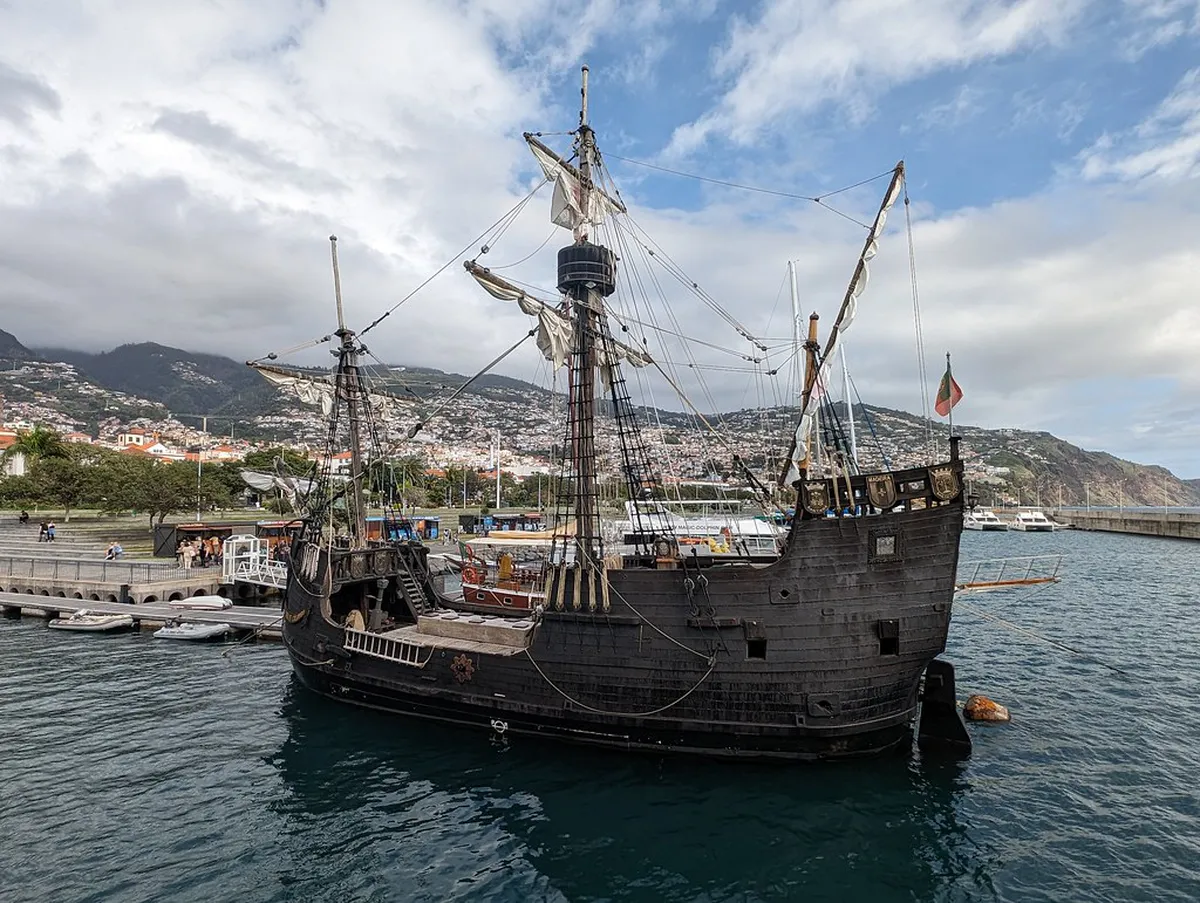 Funchal Origins & Historical Development GuideDecember 10, 2025
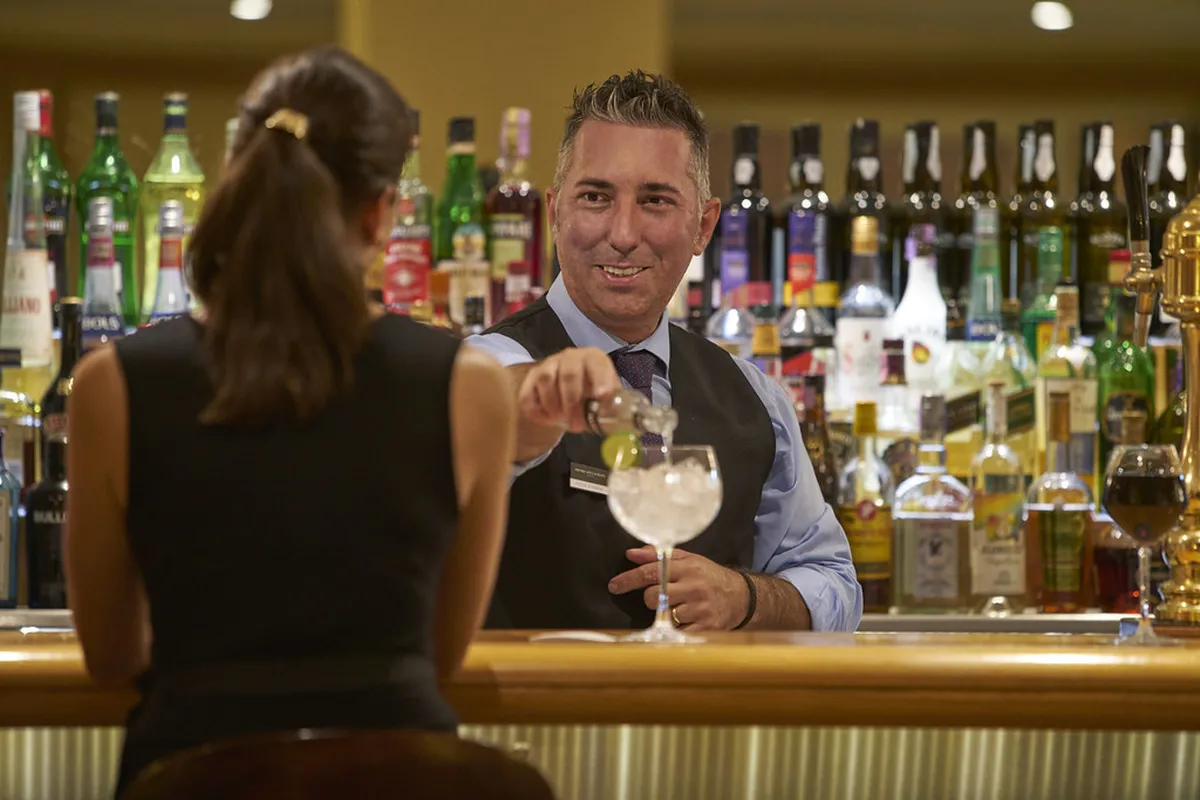 Discover the Best Bars in Funchal Old Town for 2026December 13, 2025
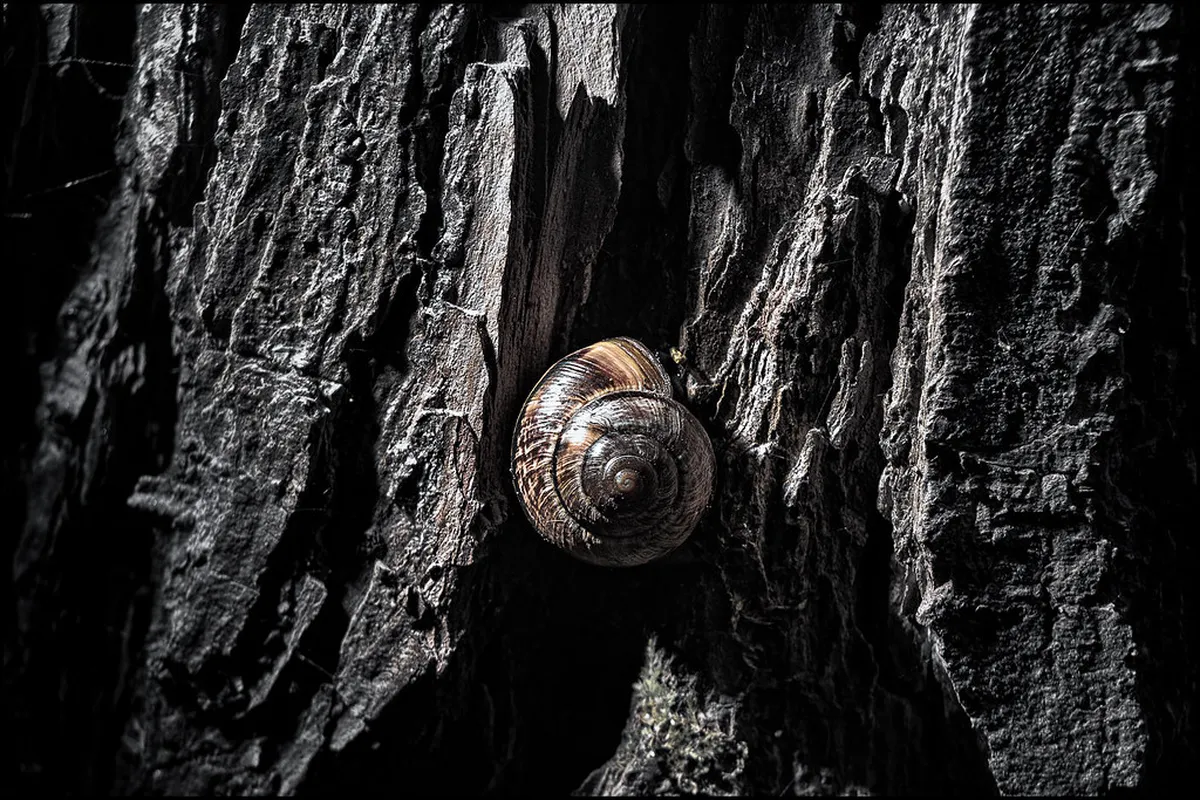 Best Photography Spots Funchal Old Town 2026December 13, 2025