
Funchal Origins & Historical Development Guide
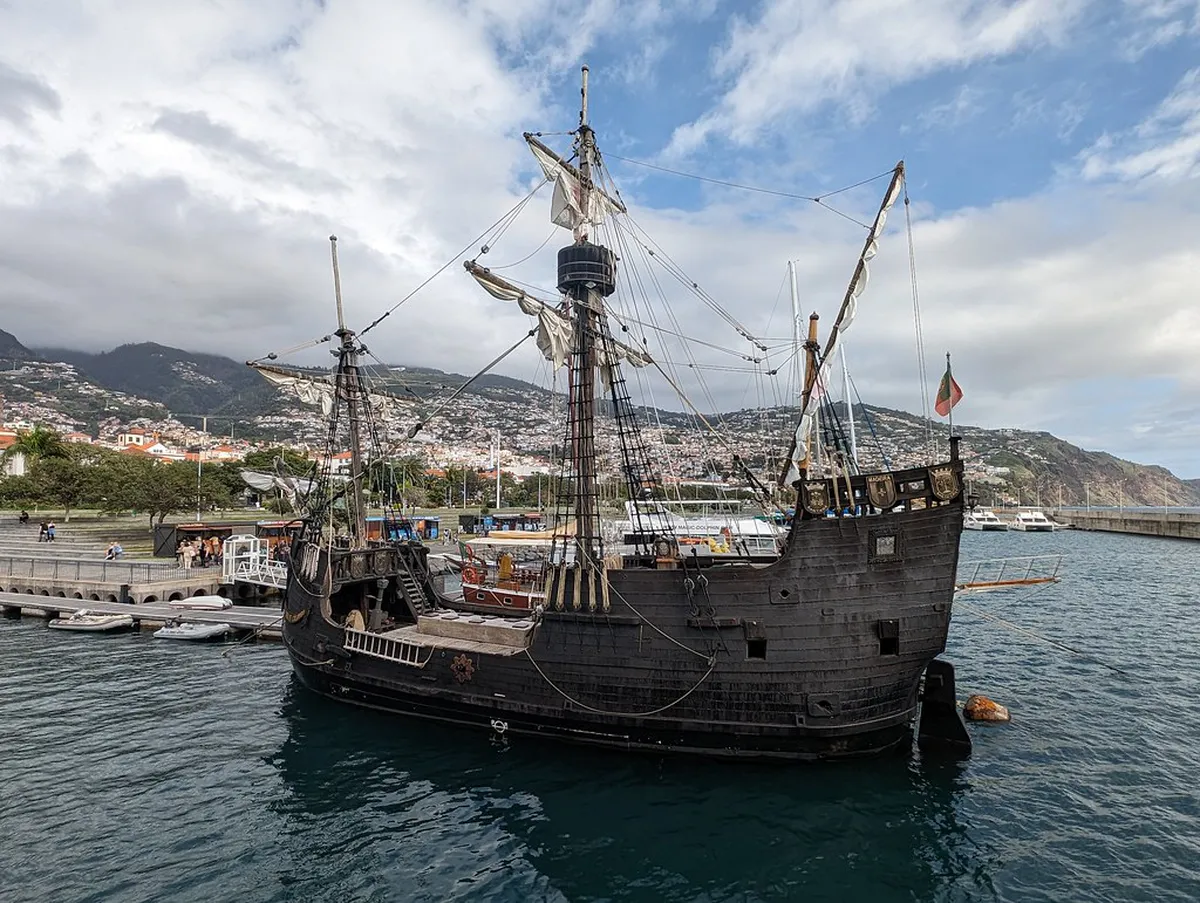
Table of Contents
Funchal, Madeira's vibrant capital, boasts a fascinating past. Its Funchal origins and historical development shaped its unique character. This guide explores the city's journey through centuries. You will learn about key events and influential periods. Plan your visit to this historic city for 2026.
Early Settlement and Funchal's Foundation
Funchal's history began in the early 15th century. Portuguese navigators discovered Madeira in 1419. João Gonçalves Zarco landed here around 1420. He founded a settlement in a valley of fennel, or 'funcho'. This gave the city its distinctive name.
The fertile land and abundant water sources attracted settlers. They started cultivating crops like wheat and sugarcane. Funchal quickly grew into a crucial port. Its strategic location proved highly valuable. The settlement gained village status in 1452.
Prince Henry the Navigator played a vital role. He encouraged exploration and settlement efforts. His vision helped establish Madeira as a key Atlantic outpost. Funchal became an important center for trade. Early structures included a chapel and a modest fort.
The Golden Age: Sugar, Trade, and Prosperity
Funchal entered its golden age during the 15th and 16th centuries. Sugarcane cultivation brought immense wealth. Madeira sugar was highly prized across Europe. This made Funchal a major international trading hub.
Merchants from many nations flocked to the city. Flemish traders were particularly influential. They exchanged textiles and art for sugar. This period saw the construction of grand buildings. The Sé Cathedral, for example, dates from this prosperous era.
However, piracy also posed a constant threat. The city built defensive fortifications against attacks. Fortifications helped protect valuable sugar shipments. Spain controlled Funchal during the Philippine Dynasty. This rule lasted from 1580 to 1640.
Challenges, Decline, and New Beginnings
The 17th century brought significant changes. Competition from Brazilian sugar reduced Funchal's dominance. The sugar industry faced a decline. This economic shift impacted the entire island. Funchal needed to adapt to new realities.
Madeira then turned to wine production. Madeira wine became highly sought after worldwide. This new industry revitalized Funchal's economy. The city again became a significant export port. Wine cellars and trading houses flourished.
Throughout the centuries, Funchal endured various challenges. Earthquakes, fires, and floods tested its resilience. Yet, the city always rebuilt and recovered. Its strategic importance remained undiminished. The harbor continued to serve as a vital link.
Funchal in the Modern Era and Beyond
The 19th and 20th centuries saw Funchal evolve further. It became a popular destination for European aristocracy. Health tourism also gained prominence. Many sought the island's mild climate for recovery. This cemented Funchal's reputation as a resort town.
Today, Funchal thrives as a modern capital. It carefully preserves its rich heritage. Visitors can explore its historic neighborhoods. The Old Town Funchal guide highlights many ancient streets. These areas offer a glimpse into its past.
The city's infrastructure continues to develop for 2026. Modern amenities blend seamlessly with historical sites. Efforts focus on sustainable tourism and growth. Funchal remains a vibrant cultural and economic hub. Its future looks as promising as its past is rich.
Frequently Asked Questions
Who founded the city of Funchal in Madeira?
João Gonçalves Zarco founded Funchal. He was a Portuguese navigator and explorer. Zarco arrived in Madeira around 1420. He established the first settlement in the fennel-rich valley.
What was the primary industry during Funchal's golden age?
Sugarcane cultivation was the main industry. Madeira sugar was a valuable commodity. It brought great wealth to Funchal. This period defined its early prosperity.
How did Funchal overcome the decline of the sugar trade?
Funchal transitioned to wine production. Madeira wine became a globally recognized export. This new industry revitalized the economy. It ensured the city's continued prosperity.
Can visitors explore Funchal's historical areas today?
Yes, absolutely. Funchal offers many preserved historic areas. The historic neighborhoods in Funchal are perfect for exploration. Guided tours often highlight these fascinating sites. Many buildings reflect centuries of history.
Funchal's journey from a small settlement to a thriving capital is remarkable. Its Funchal origins and historical development reflect resilience. From sugar to wine, the city always adapted. Discover its captivating story during your 2026 visit. Explore its ancient streets and vibrant culture. Plan your historic Funchal adventure today.
Key Takeaways
- Funchal was founded by João Gonçalves Zarco in the early 15th century.
- The city's initial wealth came from sugarcane production.
- Madeira wine revitalized Funchal after the sugar trade declined.
- Explore the historic Old Town to experience its rich past.
Continue exploring Funchal's historic quarter
 Brief History of Funchal City: Madeira's PastDecember 12, 2025
 Explore the Rich History of Funchal, PortugalDecember 11, 2025
- Funchal Origins & Historical Development GuideDecember 10, 2025
 Discover the Best Bars in Funchal Old Town for 2026December 13, 2025
 Best Photography Spots Funchal Old Town 2026December 13, 2025