Lisbon is a city that truly comes alive after the sun sets over the Tagus River. This guide provides a tested bairro alto bar crawl itinerary for your first visit in 2026. The route moves naturally from the hilltop medieval streets of Bairro Alto down to the painted lanes of Pink Street and finally to the riverside clubs near Cais do Sodré. First-timers will find the mix of street drinking and hidden clubs both chaotic and charming.
We last walked this route in October 2026 and found the energy peaks much later than in most European cities. This plan helps you pace your drinks, navigate the geography, and choose the right venues at each stage. Follow these ten steps for the ultimate Lisbon nightlife experience from sunset to sunrise.
Lisbon Nightlife Overview: What to Expect
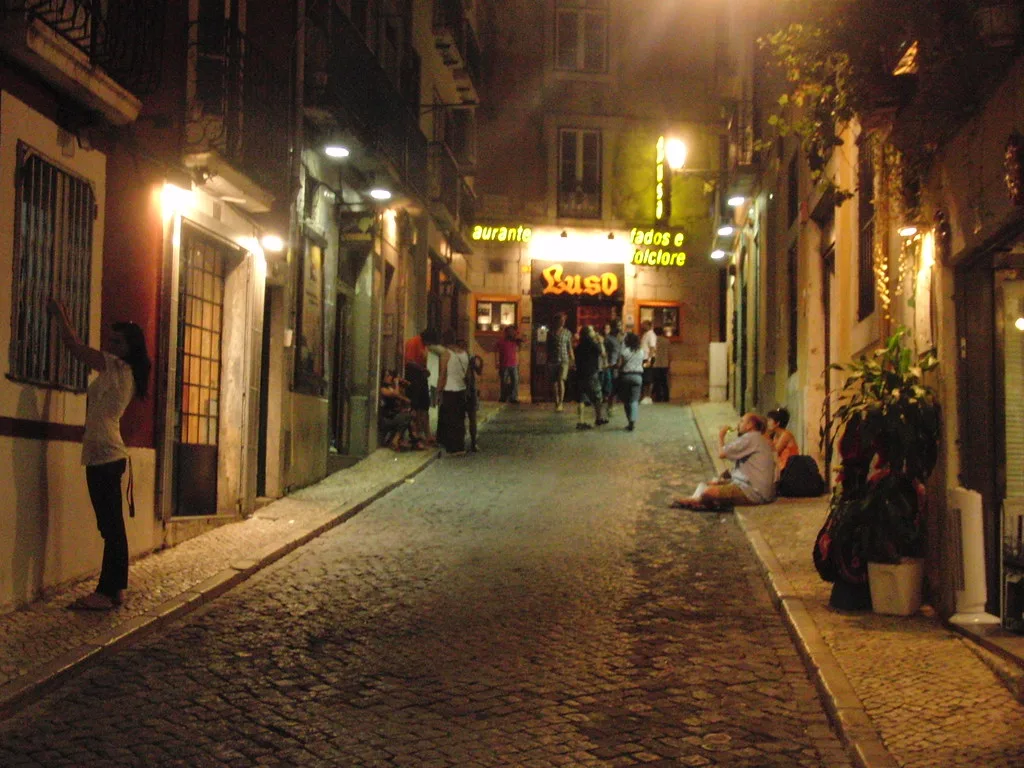
The Bairro Alto nightlife scene is famous for its inclusivity and the way it spills out onto the streets. Locals and visitors stand in narrow cobblestone alleys with plastic cups, turning the entire neighbourhood into one open-air festival. Beers cost €1.50 to €3 in most small bars, which makes it easy to hop frequently without spending much. The atmosphere is relaxed and genuinely social in the early hours.
Timing is the key variable most visitors get wrong. Bairro Alto fills up around 22:00, peaks between 23:00 and midnight, and empties as people migrate toward the waterfront. Pink Street hits its stride from 00:00 to 02:00. The riverside mega-clubs do not reach full energy until after 02:00 and stay open until at least 06:00. Arriving anywhere before 21:30 means standing in empty bars waiting for the city to wake up.
Bairro Alto peaks between 23:00 and midnight, then empties as the crowd migrates toward Pink Street. The riverside clubs at Cais do Sodré do not hit full energy until after 02:00 — plan accordingly and do not rush the first stage.
Dress codes are relaxed in Bairro Alto — trainers and jeans are fine. The riverside clubs are more selective, particularly Lux Frágil, which has a discerning door policy on busy Saturday nights. Smart-casual clothing covers most scenarios. Always carry a light layer, because the breeze off the Tagus gets cold in the early hours.
A Brief History of Bairro Alto
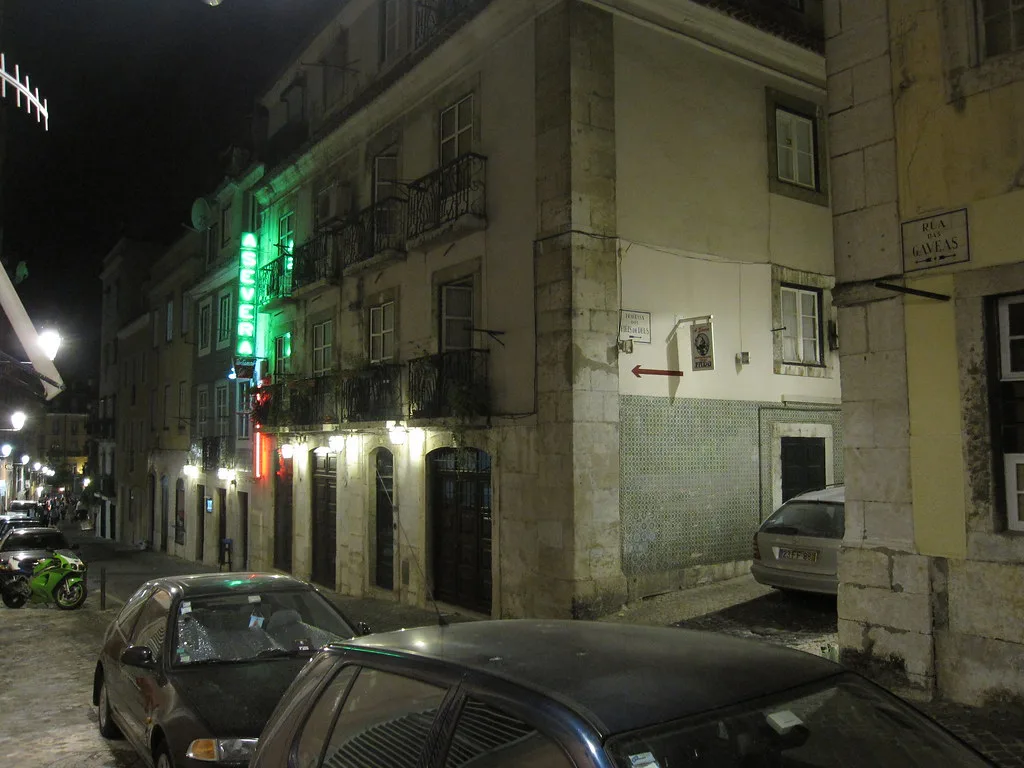
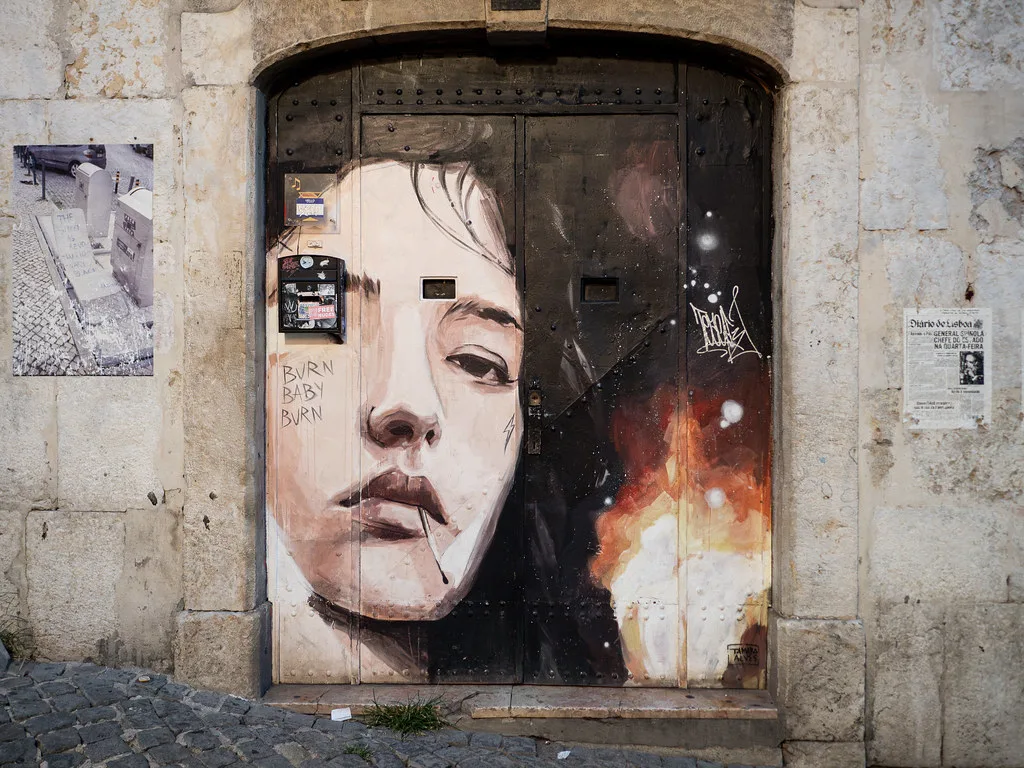
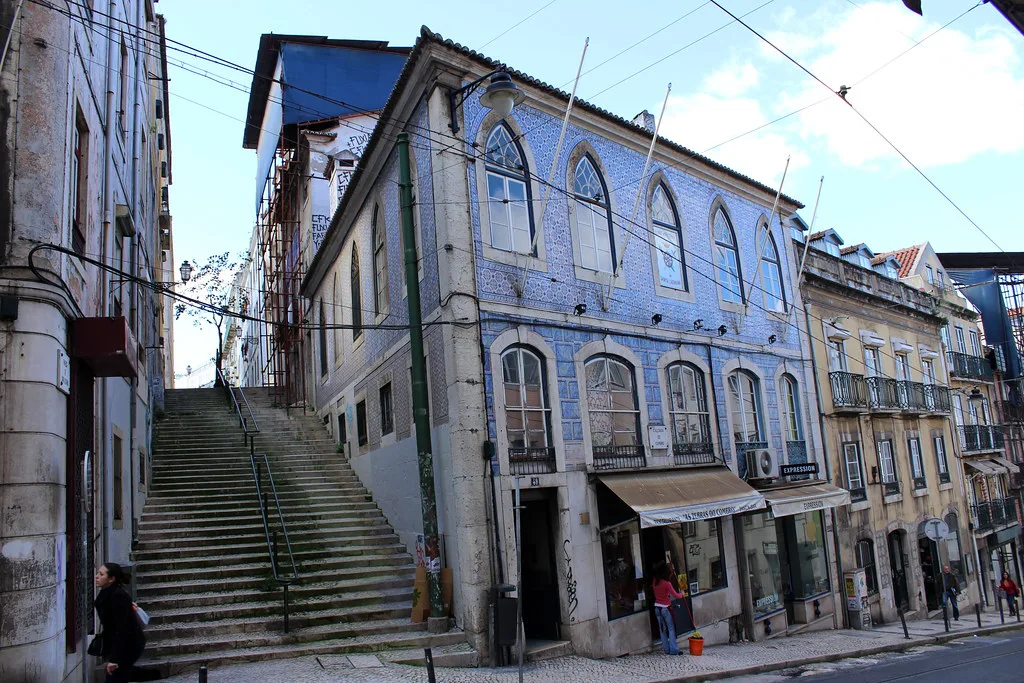
This historic district dates back to the 16th century and survived the great earthquake of 1755 that flattened much of Lisbon. The narrow grid of streets was originally home to the city's working class, artisans, and later the printing trade. Over the following centuries it became a centre for Fado music and left-wing literary culture. You can still read the neighbourhood's artistic identity in the tiled facades and fading murals on its walls.
The modern nightlife boom began in the 1980s when the post-dictatorship generation reclaimed the neighbourhood's cheap rents for bars and clubs. By the 1990s Bairro Alto was synonymous with Lisbon's nocturnal identity. Residents still live in the upper floors above the bars, which is why the neighbourhood association posts noise warnings on lamp posts and why after-midnight shouting will earn you hostile stares from open windows above.
Today the district is a protected heritage site with strict building rules that keep it visually intact. The cobblestones are beautiful but uneven and genuinely slippery after rain or spilled drinks. Take your time navigating the slopes, particularly on the descent toward Chiado after midnight when the streets are at their most crowded.
Pre-Game: Sunset at Miradouro de Santa Catarina or São Pedro de Alcântara
Starting your night at a miradouro is the standard local move and the right one. Miradouro de Santa Catarina, also known as Adamastor, is the more bohemian option: a wide terrace above the Tagus with a resident busker, a kiosk selling canned beer for €2 to €3, and a crowd that skews young and creative. Arrive 45 minutes before sunset for the best position on the stone wall looking west over the river.
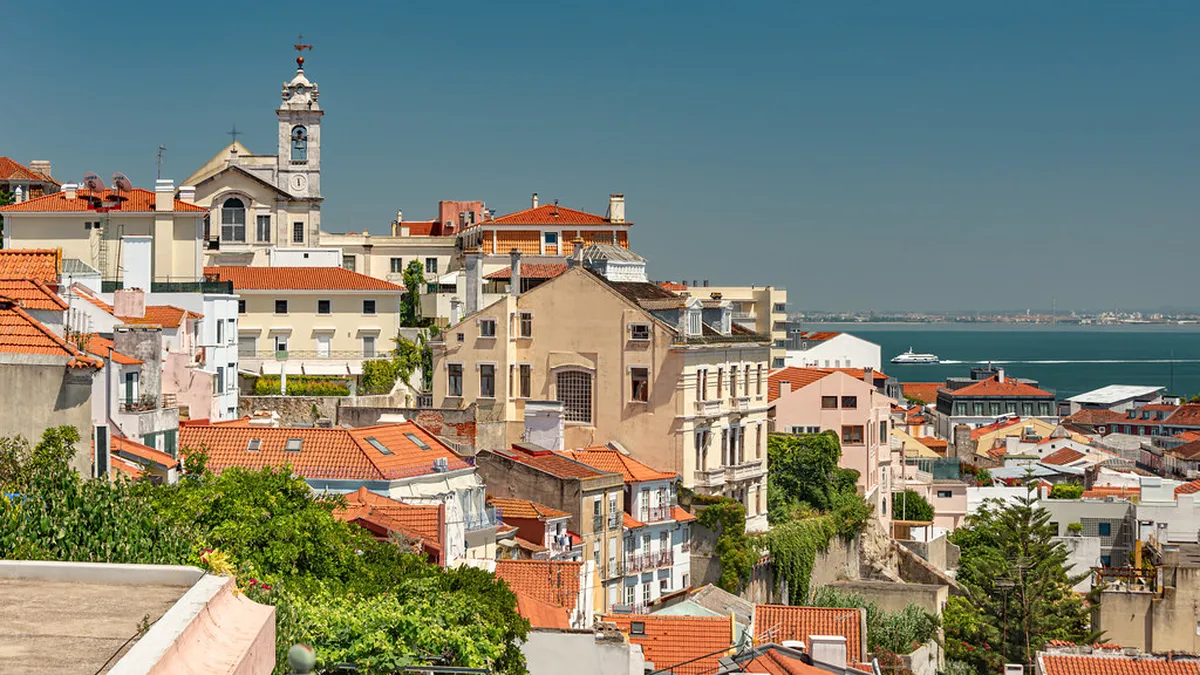
Miradouro de São Pedro de Alcântara suits a different mood. It sits at the top of the Glória Funicular line, features a manicured formal garden, and offers a view across the city rooftops toward the castle. The kiosk here is slightly pricier but the setting is calmer and easier to hold a conversation. Take the Glória Funicular up from Restauradores for €4.10 and save your legs for later.
Many locals bring their own wine or beer bought from a nearby minimarket to either viewpoint. This is entirely normal and tolerated. Budget roughly €6 to €10 for drinks across an hour at the miradouro. This slow, scenic start anchors the evening and means you are nowhere near drunk when the real crawl begins at 22:00.
Stage 1: Bairro Alto (22:00 – Midnight)
The first stage is about exploring the best bars in Bairro Alto at your own pace. Rua da Atalaia and Rua do Diário de Notícias form the main grid. Most venues are tiny — some hold only 20 people inside — which pushes the crowd onto the pavement and turns every intersection into a social node. Get your drink and step outside. That is the protocol.
Pavilhão Chinês on Rua Dom Pedro V is worth an early stop. The interior is covered floor to ceiling with tin soldiers, dolls, model planes, and curiosities accumulated over decades. The cocktails are excellent and cost €8 to €12. Go before midnight because it fills quickly and standing-room only kills the atmosphere. Zé da Mouraria and Portas Largas are reliable dive options with cheaper wine and beer and a genuinely mixed local crowd.
If you need a break from the noise, look for one of the Bairro Alto rooftop bars that sit slightly above the main drag. These offer better cocktails, a quieter atmosphere, and a chance to see the tiled rooftops under the dark sky before the descent begins. Budget for two to three drinks in this stage at €3 to €12 each depending on your venue choice.
The Local Drinking Rhythm: The One-Two-Three Rule
Lisbon nights run long — often eight hours from sunset to sunrise — so pacing matters more here than in almost any other European city. Locals follow an informal one-two-three rhythm that is worth adopting. Start with a light beer called an Imperial (a standard 20cl draught). After one or two of those, transition to a shot of Ginjinha, the local sour cherry liqueur sold for €1.50 to €2 at specialist shops around the neighbourhood. The third register is cocktails — a Caipirinha, a gin tonic, or a house mix — which you introduce once you are inside a larger bar later in the night.
The point of the sequence is not the specific drinks but the alcohol load curve. Beer keeps you social and hydrated. The Ginjinha is a cultural touchstone, small and ceremonial. The cocktail arrives when you have moved venues and want to slow down rather than drink faster. This rhythm is what allows locals to be coherent at 04:00 when visitors are already floor-bound.
Grab some late-night food in Bairro Alto to reinforce the pacing. A bifana (pork sandwich at €2 to €3) or a francesinha from a sandwich counter on Rua da Atalaia gives your stomach the ballast it needs for the second half of the night. Most counters stay open until at least 02:00 on weekends.
The Transition: Walking from Bairro Alto to Cais do Sodré
Around midnight the crowd begins to move toward the Cais do Sodré district. The walk takes about 15 minutes and is entirely downhill. From Bairro Alto, head south on Rua do Alecrim — a straight, well-lit street that passes through the Chiado shopping district before dropping you at Largo de Camões. Continue down Rua Alecrim to Cais do Sodré station, then turn right along the waterfront toward Pink Street (Rua Nova do Carvalho).
Chiado is worth a short stop if your group has energy. The cocktail bars in this district are more design-conscious and better lit than the Bairro Alto dives, which makes them good for a mid-route drink that feels different. The walk is beautiful — Chiado is lined with bookshops, pastelarias, and azulejo facades that look best at night under the yellow streetlights. This transition section is half the experience of the crawl.
Keep the group together during this stretch. The streets narrow near the Cais do Sodré intersection and get crowded on weekends, making it easy to lose someone. Set a meeting point at the statue in Praça Luís de Camões before you leave Bairro Alto. Grab a bottle of water from one of the late-night convenience stores on Rua Alecrim — staying hydrated across this transition is the quiet variable that determines how you feel at 04:00.
Stage 2: Pink Street (Midnight – 02:00)
Rua Nova do Carvalho — universally called Pink Street because the asphalt is painted bright pink — is Lisbon's most photographed nightlife strip. By midnight it is buzzing; from 01:00 the entire street becomes a continuous party. Most bars charge no entry fee and stay open until 04:00. The concentration of venues makes it easy to hop three or four bars in an hour without walking more than 50 metres.
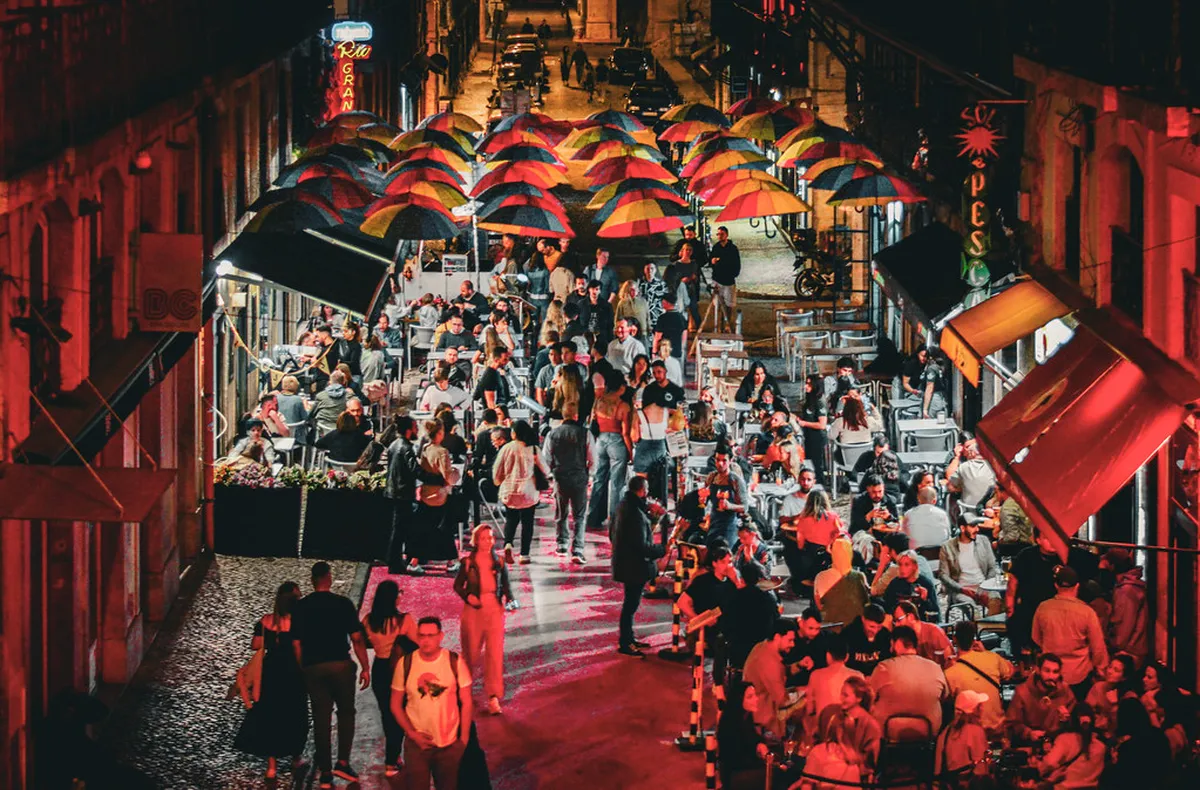
Pensão Amor is the essential stop. It occupies a former brothel and the erotic murals, velvet walls, and ornate back rooms are entirely intact. The back room becomes a small dance floor after midnight. Arrive by 23:00 if you want a table; after 01:00 you will be standing three deep at the bar. Sol e Pesca next door has a completely different energy — a fishing-tackle covered interior where you order from a menu of tinned sardines and anchovies alongside cheap wine. Roterdão is the reliable cocktail option if you want something quieter before the club stage.
Expect to pay €5 to €10 per drink on Pink Street, slightly more than Bairro Alto but still reasonable by European capital standards. A small cover charge (€3 to €5) applies at some of the busier venues after 01:00. Keep your valuables in a front zip pocket or a close-fitting bag on this stretch. Pink Street is safe but it is dense and busy, and the standard pickpocket conditions apply whenever a crowd is moving slowly in a narrow space.
Pickpockets work the Pink Street crowd and the transition zone near Cais do Sodré. Keep your phone in a front trouser pocket, use a zipped bag rather than an open tote, and never leave your drink unattended on the bar.
Stage 3: Riverside Clubs (02:00 – Sunrise)
After 02:00, the three main riverside clubs become the obvious destination. Each has a genuinely different character, and knowing which to choose saves you from a bad queue or the wrong crowd. Music Box is the most accessible: a 2-minute walk from the far end of Pink Street down toward the river, a mid-size venue with exposed brick, a strong sound system, and a programme that mixes live acts with DJ nights. Entry runs €10 to €15 and the door team is relaxed about dress code. This is the right choice if your group includes mixed styles of clothing.
Lux Frágil, Lisbon's most iconic club, sits 15 minutes east by taxi near Santa Apolónia station. It is a large industrial space directly on the river with a rooftop terrace, and the electronic music programming is consistently excellent. The door policy is more selective on Saturday nights — arrive before 02:30 or be prepared for a wait. Entry is €15 to €25 and often includes a drink. If you are a serious electronic music fan, Lux is worth the taxi and the risk of the queue. Kremlin, about 10 minutes west by taxi into Alcântara, is Lisbon's oldest surviving club with an underground feel and a harder electronic sound. It attracts an older crowd and runs later than the others — expect the floor to peak after 04:00.
Watching the sunrise over the Tagus River from the waterfront near Cais do Sodré is the natural finale. The first light over the 25 de Abril Bridge at around 06:00 in summer is genuinely worth staying up for. You can catch a train back to your hotel from Cais do Sodré station or flag a taxi directly outside the clubs.
DIY vs. Organized Pub Crawl: Which to Choose
The DIY route described in this guide costs €40 to €70 for a full evening including one miradouro drink, four or five beers in Bairro Alto, a food stop, two or three Pink Street drinks, and club entry. You choose your own pace, stop when you like, and skip venues that do not appeal. The downside is that you might walk past the best dive bars without knowing they exist, and you get no help at club doors if the bouncer is having a difficult night.
Organized crawls, which typically cost €20 to €40 per person and start in a central square around 21:00 or 22:00, include welcome shots, a 60-minute open bar window, and VIP entry to a club at the end. The value arithmetic usually works out in favour of organized crawls if you would have spent heavily on drinks anyway. They are particularly useful for solo travellers who want a ready-made social group and for anyone arriving in Lisbon on their first night without local knowledge. The best-reviewed options in 2026 include crawls that cap group sizes at 20 to 25 people, which keeps the pace manageable compared to the chaotic 60-person versions sold on the main tourist strips.
The main trade-off is flexibility. Organized crawls run on a fixed timeline and the open bar windows end precisely when the operator decides. If your group wants to linger at a great small bar in Bairro Alto, you cannot without falling behind the group. DIY rewards the curious and the spontaneous; organized crawls reward the first-timer who wants guardrails and guaranteed access.
Budget Breakdown and Practical Tips
A realistic budget for the full DIY evening looks like this: miradouro drinks €4 to €8, Bairro Alto bars over two hours €10 to €18, a food stop €3 to €5, Chiado cocktail optional €8 to €12, Pink Street bars €10 to €18, club entry €10 to €25. Total: €45 to €85 depending on how many cocktails you order and which club you choose. Sticking to Imperiais (draught beers) in Bairro Alto and switching to spirits only on Pink Street keeps the lower end of that range achievable.
| Stage | Time | Typical Drink Cost | Estimated Spend |
|---|---|---|---|
| Miradouro pre-game | 20:00 – 21:30 | €2 – €3 (kiosk beer/wine) | €4 – €8 |
| Bairro Alto bars | 22:00 – Midnight | €3 – €12 (beer to cocktail) | €10 – €18 |
| Food stop (bifana/sandwich) | ~23:00 | €2 – €3 | €3 – €5 |
| Chiado cocktail (optional) | ~Midnight | €8 – €12 | €8 – €12 |
| Pink Street bars | Midnight – 02:00 | €5 – €10 + €3–€5 cover | €10 – €18 |
| Riverside club entry | 02:00 – Sunrise | €10 – €25 (often includes a drink) | €10 – €25 |
Carry cash. Many of the smaller Bairro Alto bars have a card minimum of €10 or do not take cards at all. ATMs on Rua do Ouro and Rua Augusta in the Baixa district below charge no foreign fees at the Multibanco machines. Withdraw before you go up the hill. On practical safety, the cobblestones in Bairro Alto are genuinely treacherous in heels after rain and after spilled drinks — flat-soled shoes or trainers are the correct footwear choice regardless of what you see others wearing.
Pickpockets work the Pink Street crowd and the transition zone near Cais do Sodré. The standard countermeasures apply: keep your phone in a front trouser pocket rather than a back pocket, use a zipped bag rather than an open tote, and do not leave your drink unattended on the bar. Street vendors in Bairro Alto offering unmarked substances are operating a scam in roughly nine out of ten cases — decline firmly and keep walking. Lisbon is a genuinely safe European capital, but these specific street-level nuisances are real and predictable.
For related deep-dives, see our best Bairro Alto bars and late-night food in Bairro Alto guides.
For the broader context, see our Bairro Alto nightlife pillar guide.
Frequently Asked Questions
How much does a Lisbon pub crawl cost?
An organized crawl usually costs between €15 and €25 per person. This price typically includes VIP entry to clubs and a few free drinks. DIY crawls can be cheaper if you stick to small beers.
What time does nightlife usually start in Lisbon?
The streets of Bairro Alto begin to fill around 10 PM. Most locals do not head to the bigger clubs until after 2 AM. Do not expect much action if you arrive before 9 PM.
What should I be careful of on a Lisbon pub crawl?
Follow basic safety tips to avoid pickpockets in crowded areas. Be wary of street vendors offering illegal substances as they are often scams. Keep your phone and wallet in secure pockets.
Mastering the bairro alto bar crawl itinerary requires pacing and a sense of adventure. Starting at sunset and ending at sunrise is a rite of passage for visitors. Lisbon offers a unique social energy that you will not find anywhere else in Europe. This guide gives you the geography, the timing, and the venue logic to navigate the hills and bars with confidence.
Remember to respect the local residents while you enjoy the historic streets. Drink water regularly, eat before and during the crawl, and wear your most comfortable flat shoes. Your night in Lisbon will likely be one of the highlights of your entire trip.