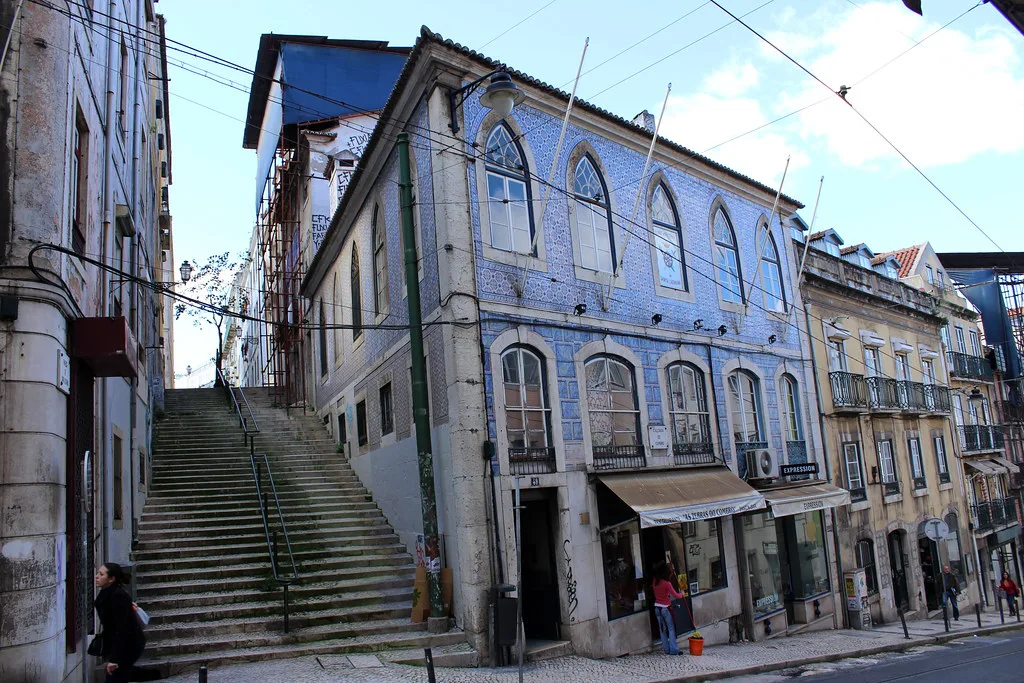
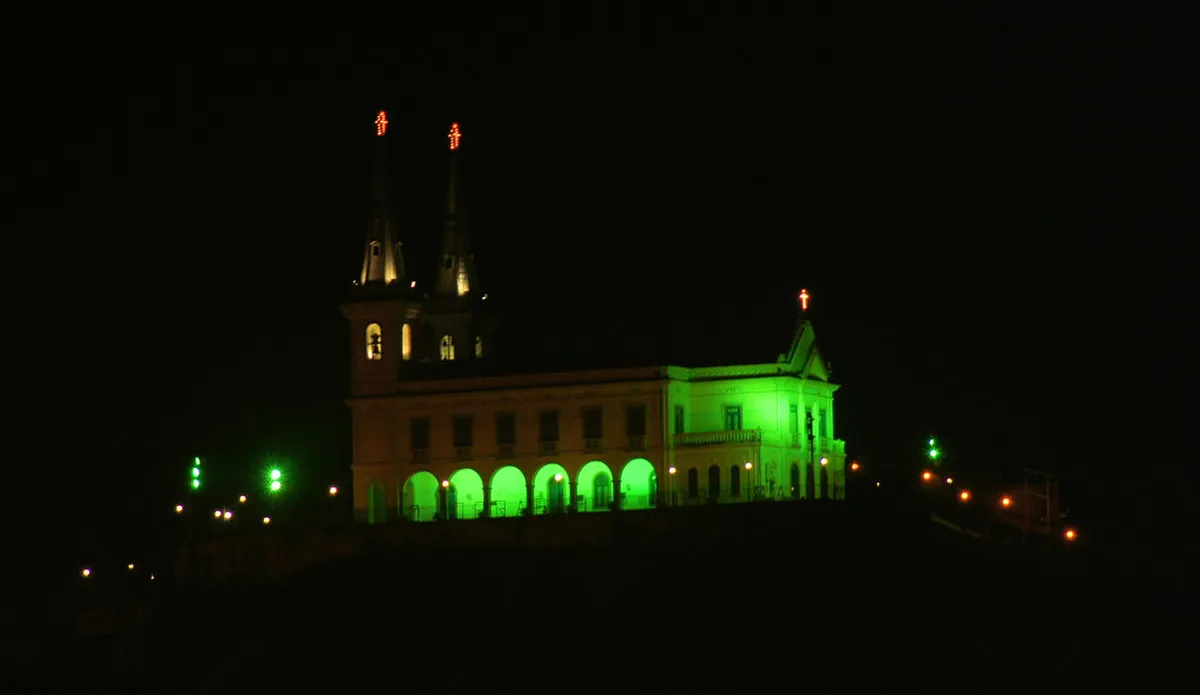
The best time to visit Bairro Alto nightlife is late spring — mid-May through June — when temperatures sit around 16–20°C after dark and the streets fill without the crushing August heat. The shoulder months of September and October run close behind. What matters as much as season, though, is the hour: Bairro Alto runs on a clock that most visitors get wrong by arriving two hours too early.
This district transforms from a quiet, almost sleepy neighborhood into Lisbon's most sociable open-air party every evening. Most bars do not feel busy until 23:00, and by 02:00 a mass migration down to Cais do Sodré begins. Understanding that rhythm — not just the calendar month — is what separates a flat night from one you'll talk about for years.
The Best Time to Visit Bairro Alto Nightlife
For weather and crowd balance, visit between mid-May and mid-June 2026. Temperatures are mild, the Santos Populares street festival ignites the whole city in June, and crowds are energetic without hitting peak summer density. September is the second-best window — warm evenings, locals back from holidays, and prices back below peak.
July and August are the most intense months. The streets are packed by 22:00, drinks lines are long, and summer heat keeps outdoor temperatures above 22°C even at midnight. If you visit in peak summer, arrive later than you think you need to — the best atmosphere compresses into the 23:00–01:30 window when the heat finally breaks.
Winter (November through February) is the quietest period. Outdoor street drinking drops sharply on rainy nights, and some smaller bars reduce hours. Fado houses, however, thrive in winter — smaller crowds make the seated experience more intimate, and booking even 48 hours ahead is usually sufficient instead of the week-ahead rule that applies in high season.
| Season | Evening Temp | Crowd Level | Prices | Highlight |
|---|---|---|---|---|
| Mid-May to June | 16–20°C | Moderate–High | Mid-range | Santos Populares festival |
| July to August | 20–26°C | Very High | Peak | Long warm nights |
| September to October | 17–22°C | High | Mid-range | Mild air, locals return |
| November to March | 9–14°C | Low | Budget | Intimate Fado |
Bairro Alto Nightlife Schedule: What Time Does the Party Start?
Dinner in the district rarely starts before 21:00 for locals. Many restaurants feel half-empty at 20:00 — those tables are almost entirely tourists. Eating at 21:30 or 22:00 puts you on the actual local schedule and means you will not be finishing dinner alone while the streets outside are already filling up.
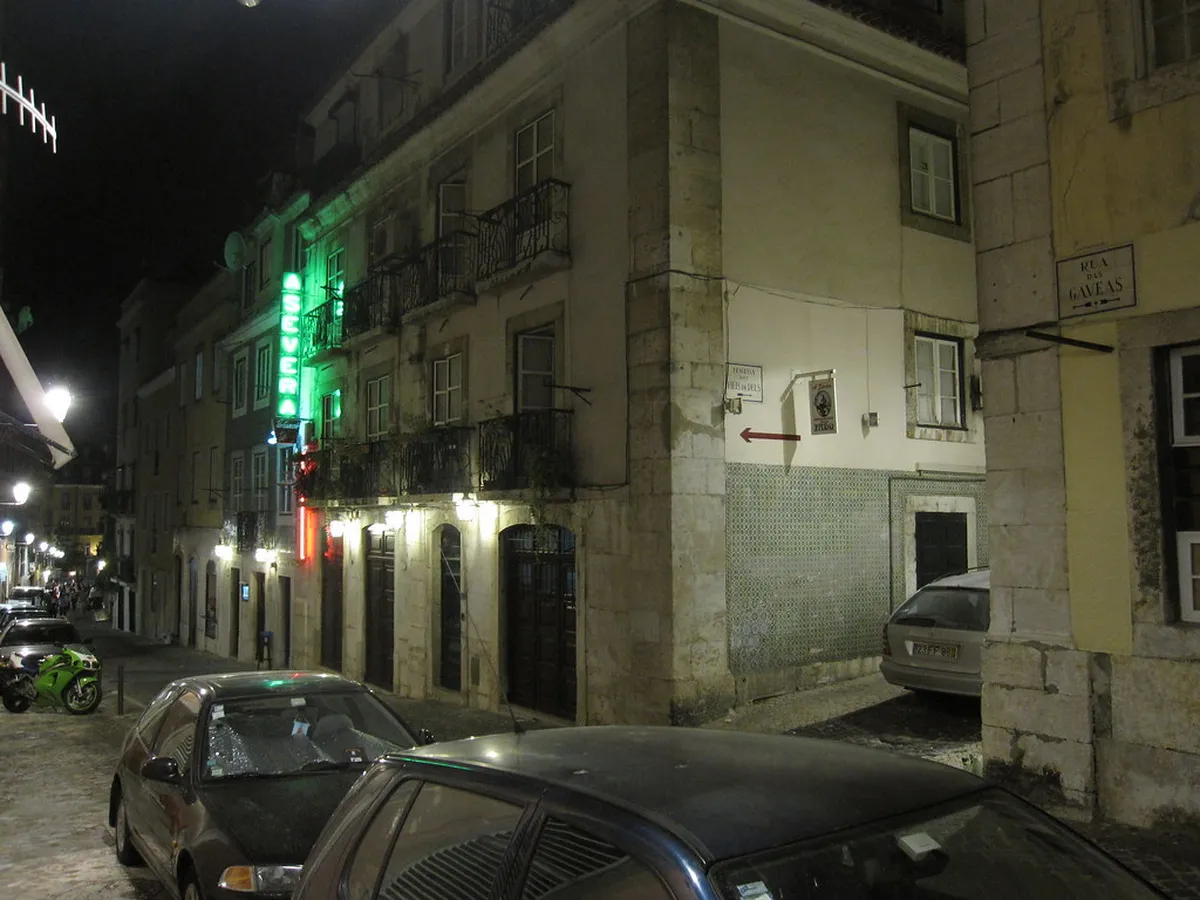
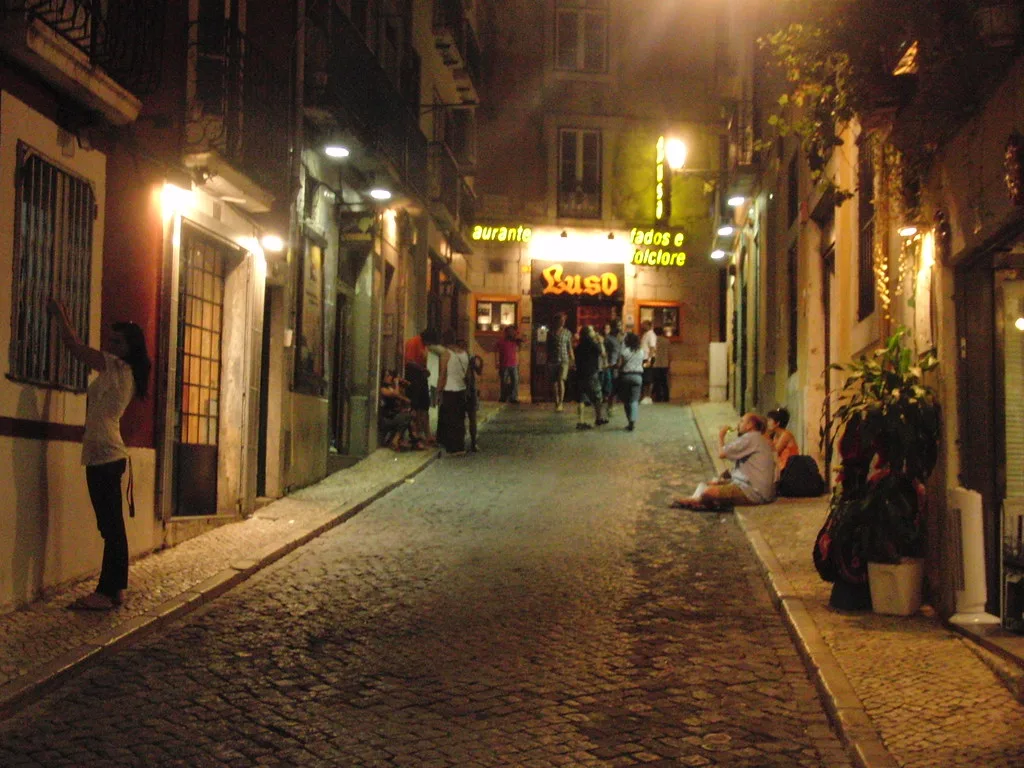
Bars begin to feel alive around 22:30 to 23:00. People collect drinks in plastic cups and spill onto the pavement — this is not an accident but an acknowledged part of the culture. The narrow grid of streets around Rua da Atalaia, Rua do Diário de Notícias, and Rua da Barroca becomes one continuous open-air party. This is the peak window to be here, and it runs until approximately 01:30.
At 02:00 a significant and visible shift happens. Bars must close under Lisbon's noise-ordinance rules, and the crowd begins moving en masse downhill toward Cais do Sodré. If you want to keep going, that migration is natural and expected. If you are done, this is the clean exit point.
- 21:00–22:30 — Dinner and opening drinks; streets still quiet
- 22:30–01:30 — Peak street-drinking atmosphere; full energy
- 02:00 — Bars close; crowd migrates to Cais do Sodré clubs
- 02:00–06:00 — Pink Street and club district carry the night
Best Days of the Week: What Nobody Tells You About Thursdays
Monday and Tuesday nights are quiet to the point of dead in Bairro Alto. Many smaller bars cut hours mid-week, and the street scene is a fraction of what it is on a weekend. If you arrive on a Monday, treat it as a Fado night rather than a street-drinking night.
Thursday is the district's open secret. University students converge on Bairro Alto every Thursday in numbers that rival Saturday. Drink prices at many bars drop for student promotions, the energy is genuinely high, and the streets feel electric without the density of a Friday or Saturday crowd. If you have flexibility in your schedule, Thursday is the highest-value night in the district.
Friday and Saturday draw the biggest mixed crowds of locals and international visitors. The atmosphere is electric but the streets get genuinely packed by midnight. Expect longer waits at popular bars and higher prices at the door if any venue charges entry. Sunday is quieter than Friday but livelier than Monday — a good compromise night if you prefer a more relaxed pace. You can reliably get a seat in the best Bairro Alto bars on a Sunday without queuing.
Thursday is Bairro Alto's best-kept secret: university students converge on the district every Thursday in numbers that rival Saturday, drink prices drop at many bars for student promotions, and the streets are electric without the crushing density of a weekend crowd.
Classic Bairro Alto Street Drinking: The Local Experience
Street drinking is the defining feature of Bairro Alto nightlife and the reason most of its bars are roughly the size of a studio apartment. The format is simple: order a drink inside, receive it in a plastic cup, and take it outside to join the crowd on the pavement. This is not tolerated behavior — it is the entire point of the neighborhood's nightlife design, tacitly accepted and practically universal.
A Super Bock or Sagres beer runs €2–3 from most street-facing bars. A cup of sangria is around the same. The smallest and least-decorated bars on side streets consistently offer the lowest prices and the most local crowd. Avoid anything with an English-only menu displayed outside — those are tourist-facing venues that charge 30–40% more for the same drink.
The Nortada, Lisbon's north wind, can make outdoor evenings considerably cooler than the daytime temperature suggests, even in June. A light layer is worth carrying. On nights when the Nortada blows hard, the crowd naturally compresses into the narrowest alleys where buildings block the wind — Rua da Atalaia and the cross streets off it are where you want to be on windy nights. Check out our Bairro Alto bar crawl itinerary for a curated route through the best blocks.
Fado Houses and Live Music: Timing Your Cultural Visit
Bairro Alto has several authentic Fado houses that are distinct from the tourist-dinner shows operating with fixed menus and English-speaking staff. The most important distinction is that real Fado houses in the district operate on a drop-in or reservation model and expect respectful silence during performances — talking during a song is a serious breach of etiquette, and even locals get sharp looks if they forget.
A Tasca do Chico on Rua do Diário de Notícias is the most accessible entry point for first-timers. Entry is free with any drink or food order; a beer costs around €3. Arrive when they open — typically 19:00–20:00 — to get a table. By 21:30 it is standing-room-only on most nights and the line extends into the street. Mid-week visits in autumn or winter are the easiest times to walk in without a reservation.
For a full dinner-and-Fado experience, A Severa and Adega Machado are the Bairro Alto institutions — budget €40–70 per person including a set menu and the performance. These require advance booking year-round; in June through August, book at least one week ahead. Timing your Fado visit early in the evening (20:00–22:00) leaves the rest of the night free for bar-hopping — this is the natural local sequence rather than the reverse.
Night Food Culture: Why Lisbon Eats at Midnight
Lisbon's late eating schedule is not a lifestyle choice — it is a structural feature of Portuguese culture that dates back centuries. Dinner at 18:00 or 19:00 marks you as a tourist; real restaurants in Bairro Alto hit their second wave of covers after 22:00. The kitchen stays open because the neighborhood stays open.
The most famous late-night ritual in the district is pão com chouriço — warm chorizo bread served fresh from bakery windows. A few establishments around the grid open their window hatches around midnight specifically to serve night crowds. The bread arrives hot, the chouriço is fatty and spiced, and it costs around €2. It is the standard mid-night pause between bars and one of the most genuinely Lisboeta experiences in the neighborhood.
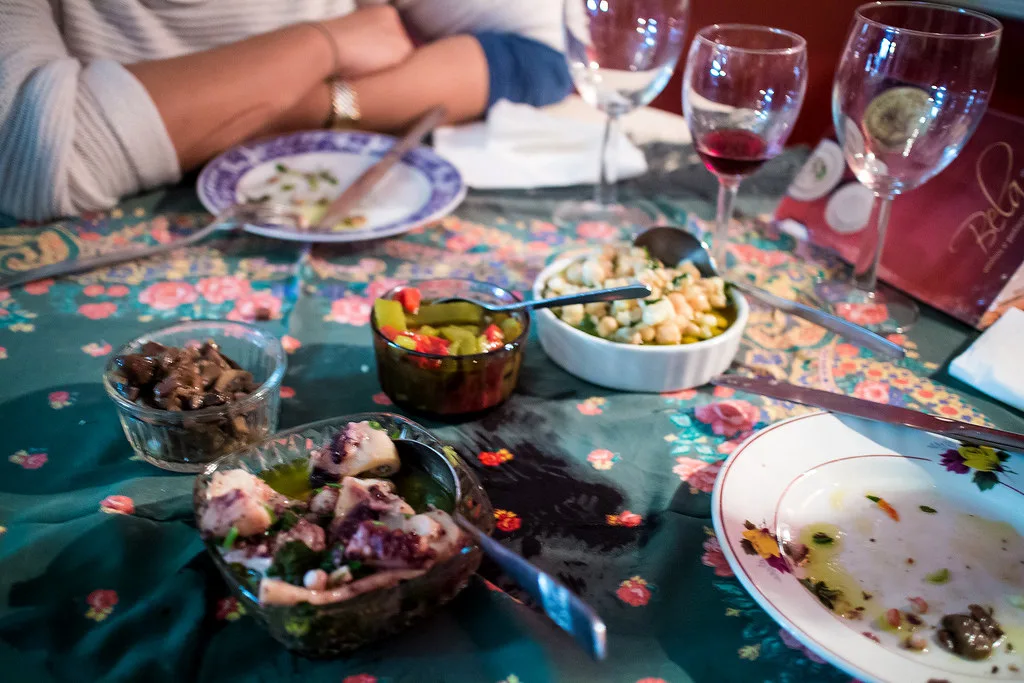
Petiscos — Portuguese small plates comparable to tapas — are the other staple. Ameijoas (clams in white wine), croquetes de bacalhau (salt cod croquettes), and presa ibérica (Iberian pork shoulder) are common options. Many bars in the district serve a small petiscos menu alongside drinks. Eating around 01:00 is practical — it absorbs alcohol and extends the night comfortably without requiring a full restaurant sit-down.
Getting There and Getting Home: The Funicular Detail Everyone Misses
The Elevador da Glória funicular — the yellow tram that climbs from Praça dos Restauradores up to Miradouro de São Pedro de Alcântara — is the most scenic way to arrive in Bairro Alto. It runs until approximately midnight (last car around 23:55) and costs €3.80 single with a Viva Viagem card. This is fine for arriving, but it means the funicular is closed for the return journey once the bar scene hits its peak after 00:00.
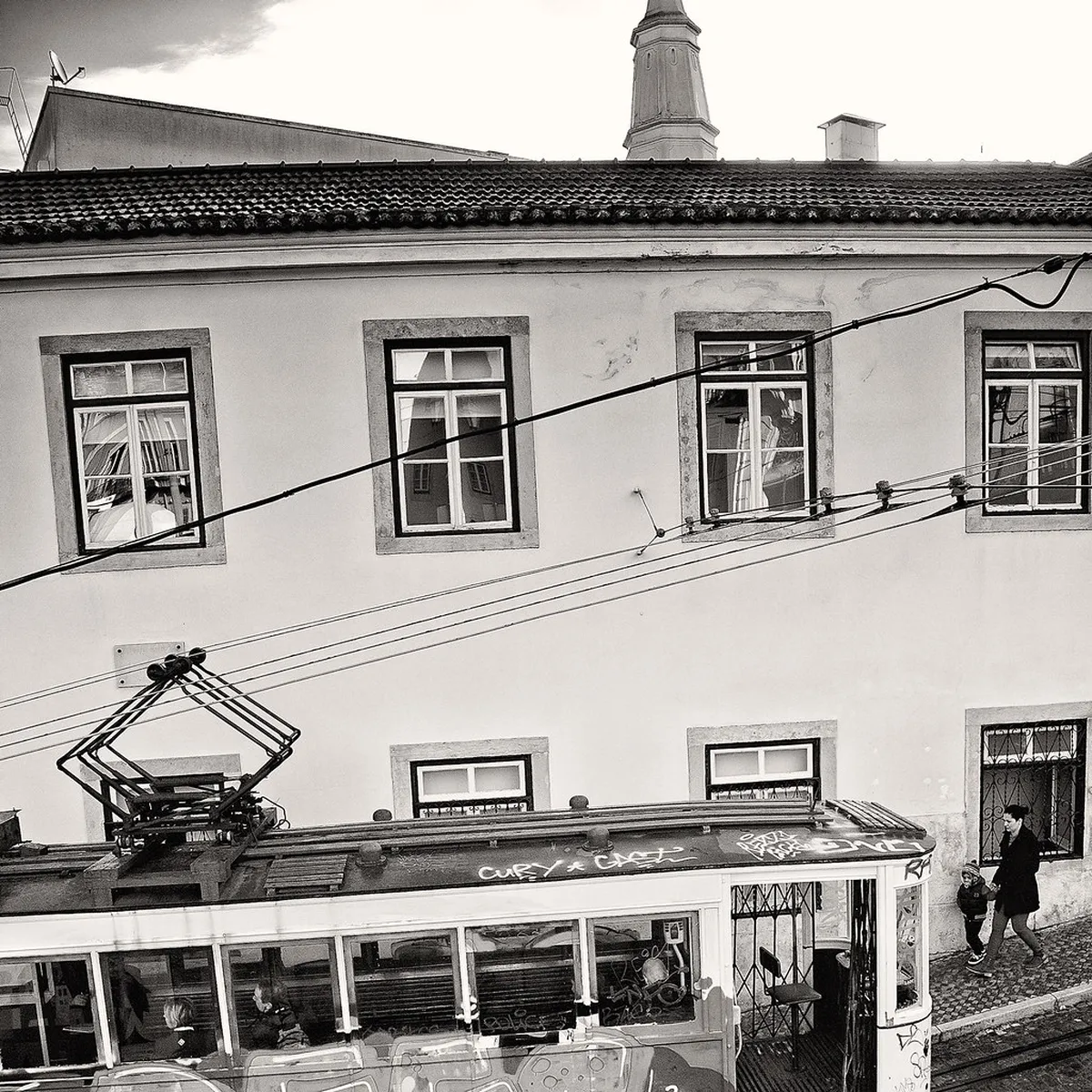
Walking down the Calçada da Glória after a few drinks is steep, slippery on damp cobblestones, and not comfortable in the dark. Uber and Bolt both work reliably from Bairro Alto at any hour — fares to central Baixa or Cais do Sodré run €4–8. Night buses on Carris cover major routes until morning. If you are staying in Chiado or Príncipe Real, a 10-15 minute walk downhill on a main road is the simplest option and perfectly safe.
The broader logistics: Bairro Alto has essentially no parking for visitors. The metro stop Baixa-Chiado is the nearest station — it closes at 01:00, which means late-night returns require surface transport. Plan for Uber or Bolt if you are heading home after 01:00, especially on weekends when wait times on Pink Street and Cais do Sodré can run 10–15 minutes during the 02:00 rush.
The Elevador da Glória funicular runs its last car at approximately 23:55 — it will already be closed when the bar scene hits peak energy after midnight. Don't rely on it for the return trip; use Uber, Bolt, or the downhill walk on Calçada da Glória instead.
Beyond Bairro Alto: Cais do Sodré and Pink Street
Cais do Sodré is where the night continues after Bairro Alto closes. The walk takes roughly 10–12 minutes downhill from the heart of Bairro Alto — follow Rua do Alecrim to the riverfront and turn right. Many people make this transition automatically around 02:00 without any real planning; the crowd simply flows in that direction.
Rua Nova do Carvalho — universally called Pink Street for its bubblegum-pink painted tarmac — is the center of the action. Bars here stay open until 04:00 or 06:00 on weekends. The energy is louder and more club-oriented than Bairro Alto. Drinks are more expensive — expect €6–10 for a beer and €12–15 for a cocktail. Pensão Amor, a converted brothel with books on the walls and a live music stage, is the most characterful venue on the strip.
The distinction between the two areas is worth understanding before you go: Bairro Alto is street-drinking and Fado, loose and social; Cais do Sodré is bar interiors, dancing, and clubs, louder and pricier. Most visitors do both in a single night, using Bairro Alto as the warm-up and Cais do Sodré as the main event if they want to push past 02:00. If you want Lisbon's full nightlife arc, budget for both.
Safety, Solo Travel, and What to Watch
Bairro Alto is one of Lisbon's safest nightlife areas. The narrow streets are well-lit and densely populated throughout the evening. Walking alone at 01:00 on the main streets is routine for residents and accepted practice for visitors. Lisbon consistently ranks among Europe's safest capital cities for night-time pedestrian safety.
The standard precautions apply. Keep your phone and wallet in a front pocket or a zipped bag. Pickpockets do work the crowds in Bairro Alto — not aggressively, but opportunistically in the densest moments around midnight. Solo female travelers report feeling comfortable here, though the same rule applies: use main streets after 02:00 if walking alone, avoid the occasional quiet alley that cuts between the grid blocks at that hour.
For solo travelers generally, Bairro Alto's street-drinking format is unusually social. Standing outside with a drink in a plastic cup means you are in an immediate conversation environment — people introduce themselves constantly. It is one of the easier nightlife districts in Europe to meet people without a group.
For related deep-dives, see our Bairro Alto bar crawl itinerary and best Bairro Alto bars guides.
For the broader context, see our Bairro Alto nightlife pillar guide.
Frequently Asked Questions
What time does Bairro Alto get busy?
Bairro Alto typically starts getting busy around 11 PM. Most locals finish dinner late before heading to the bars. The peak energy usually lasts until the bars close at 2 AM.
Is Bairro Alto open on Sunday nights?
Yes, many bars in Bairro Alto remain open on Sunday nights. However, the atmosphere is much quieter than on weekends. It is the perfect time for a relaxed drink or Fado.
Do you need to book Fado houses in advance?
It is highly recommended to book popular Fado houses at least a few days ahead. Small venues fill up quickly, especially during the peak summer months. Mid-week visits are easier to secure.
The best time to visit Bairro Alto nightlife depends on your personal energy. Choose the shoulder seasons for the most balanced and comfortable experience. Remember that the district truly comes alive only after the sun sets. Explore the Bairro Alto vs Cais do Sodré dynamic to see both sides of Lisbon.
Respect the local rules and the residents who call this neighborhood home. Whether you want wild parties or quiet music, this district has it all. Lisbon's nightlife is a unique journey that every traveler should experience once. Enjoy the magic of the seven hills under the moonlight.