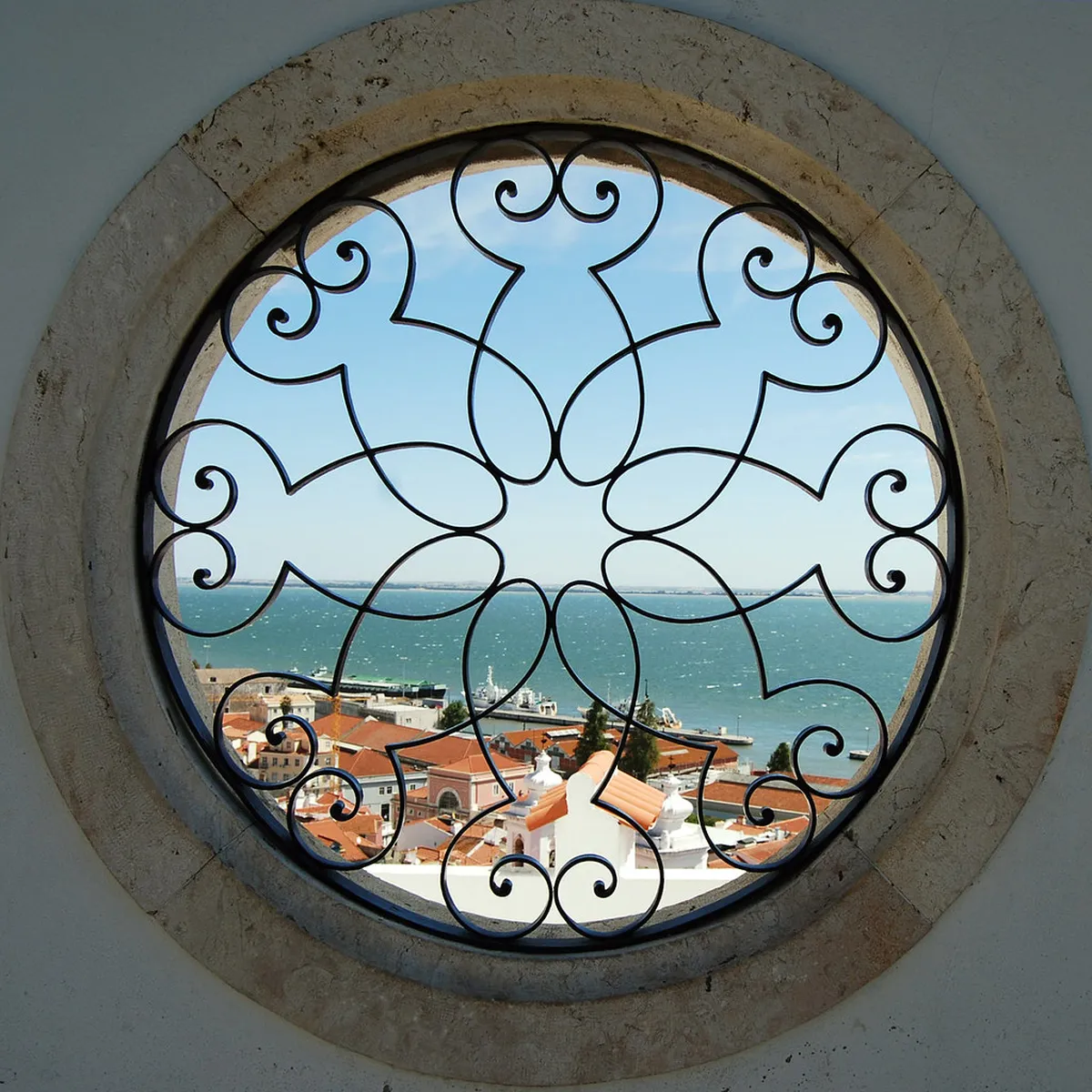
Fado Music History Lisbon Guide: An Emotional Journey
Table of Contents
Fado music holds a special place in Lisbon's heart. This soulful genre embodies Portugal's emotional spirit. It reflects saudade, a feeling of deep longing. This Fado music history Lisbon guide will explore its fascinating journey and rich cultural impact for 2026.
The Melancholy Origins of Fado Music
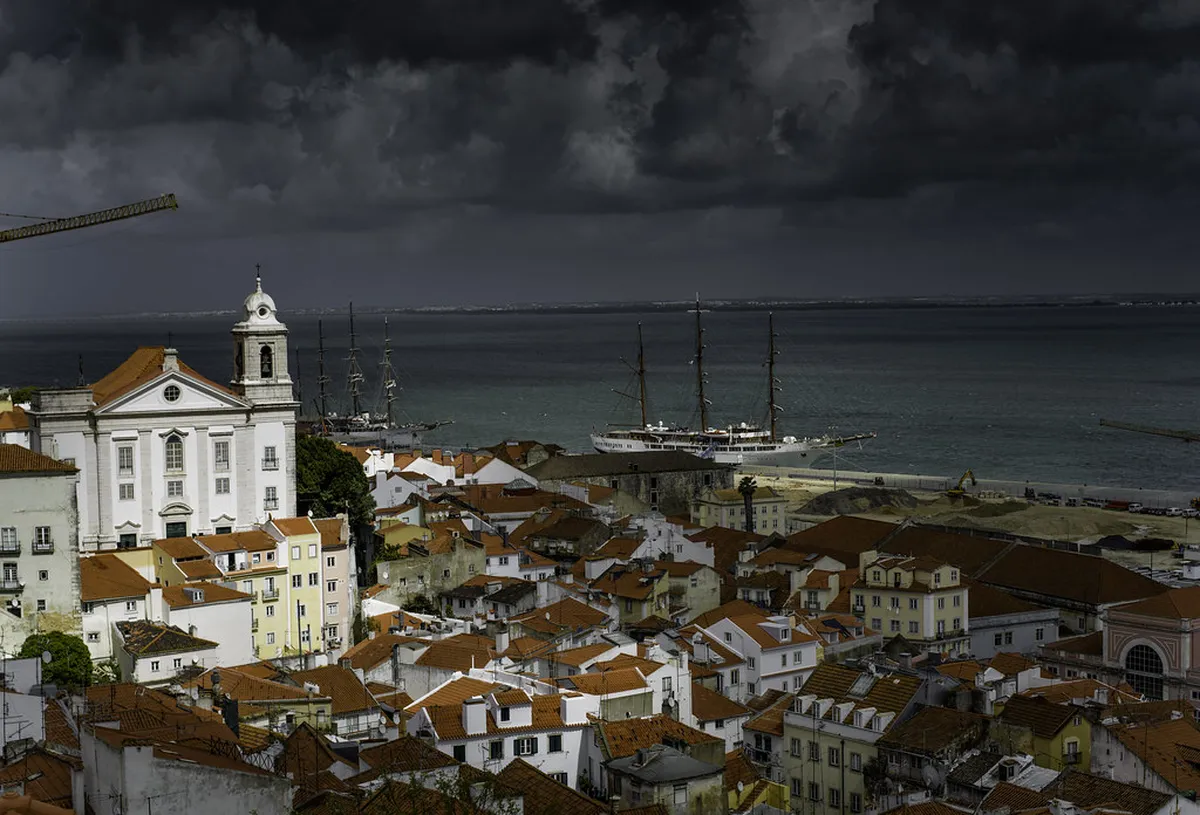
Fado's roots trace back to 19th-century Lisbon. It emerged in the city's poorest districts. Areas like Alfama and Mouraria were its birthplace. Sailors, dockworkers, and prostitutes often sang these songs.
Many believe Fado evolved from a mix of influences. African slave songs played a part. Brazilian modinhas also contributed to its sound. Arab vocal traditions added a unique flavor.
The word "Fado" means "fate" in Portuguese. This name perfectly captures its themes. It speaks of destiny, love, and hardship. Early Fado was raw and spontaneous. You can feel its history in Lisbon's historic neighborhoods.
Early Fado performers were often working-class people. They shared stories of everyday life. These performances took place in taverns. They provided comfort and connection.
Evolution and Iconic Voices of Fado
Fado gained wider recognition by the late 19th century. It moved from informal taverns to more structured venues. The first "Fado houses" began to appear. This brought Fado to new audiences.
Amália Rodrigues became Fado's undisputed queen. Her powerful voice captivated listeners worldwide. She popularized Fado from the 1940s onwards. Amália brought Fado to international stages.
Other legendary voices followed Amália. Alfredo Marceneiro shaped the Fado guitar style. Carlos do Carmo modernized the genre. He expanded its lyrical themes. These artists enriched Fado's legacy.
Fado was even controlled during the Estado Novo regime. It was seen as a symbol of Portuguese identity. The government censored some Fado songs. This control paradoxically cemented its cultural importance.
Key Characteristics and Instruments of Fado
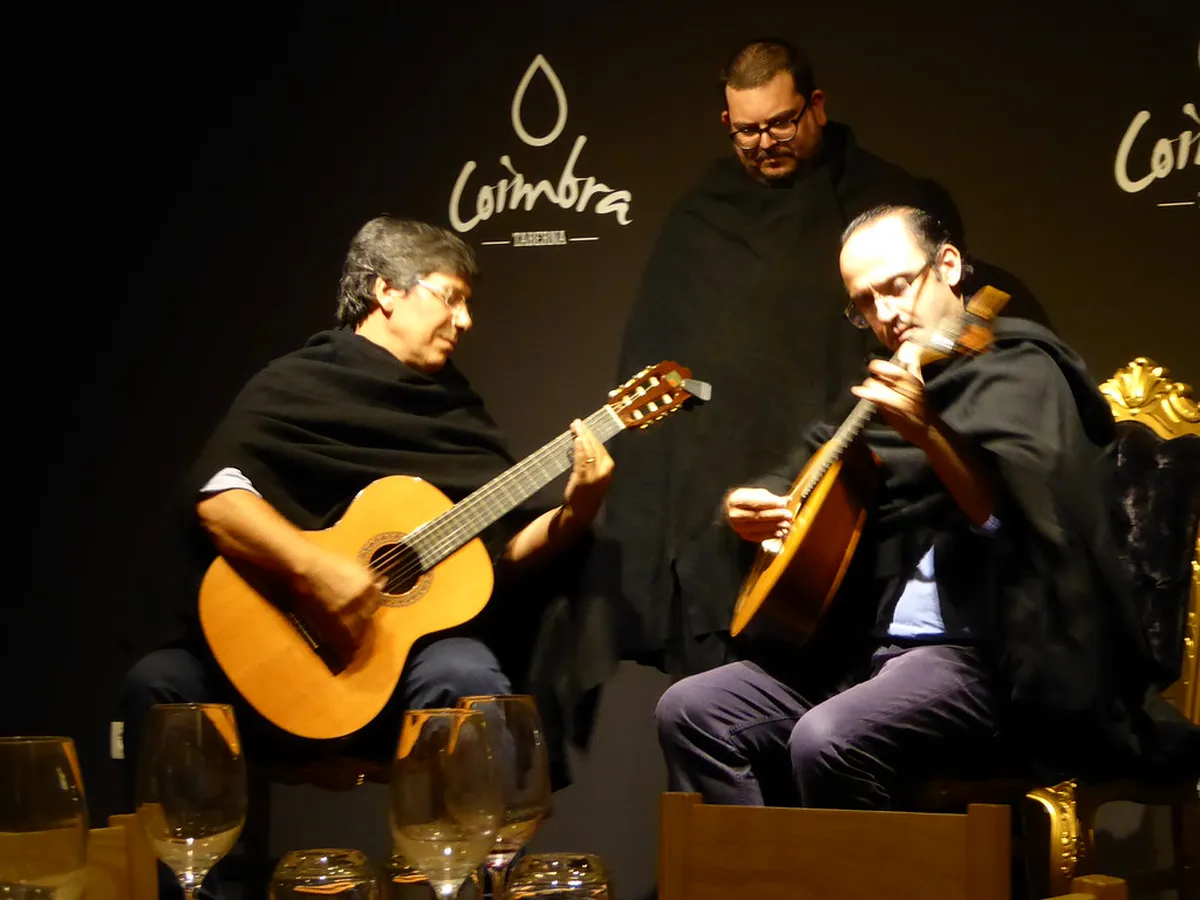
Fado music features a specific musical arrangement. It typically includes a singer, known as a fadista. Two guitars accompany the voice. These are the Portuguese guitar and the classical guitar.
The Portuguese guitar is instantly recognizable. It has 12 steel strings. Its pear shape creates a distinct sound. This instrument adds a shimmering, melancholic texture. It is central to the Fado music history Lisbon guide narrative.
The classical guitar provides harmonic support. It sets the rhythmic foundation. Together, these instruments create a rich tapestry of sound. The interplay is vital for Fado's emotional depth.
Lyrical themes often focus on saudade. They also explore lost love and longing. Fate and heartbreak are common subjects. These themes resonate deeply with listeners.
Experiencing Authentic Fado in Lisbon (2026)
Lisbon offers many ways to experience Fado in 2026. You can find traditional Fado houses. Many are located in Alfama and Bairro Alto. These venues provide intimate performances.

Expect dinner and a show at most Fado houses. Prices typically range from €40-€80 per person. This often includes a multi-course meal. Reservations are highly recommended.
Most Fado dinner shows in Alfama and Bairro Alto cost between €40 and €80 per person and include a multi-course meal. Book your table several days ahead — popular houses like Mesa de Frades and Clube de Fado fill up quickly, especially on weekends.
Some places offer "Fado Vadio" or amateur Fado. These are less formal and sometimes free. Locals might sing spontaneously. Look for smaller taverns in Mouraria.
| Fado Experience Type | Setting | Typical Cost | Booking Required |
|---|---|---|---|
| Fado Dinner Show | Established Fado house (Alfama / Bairro Alto) | €40–€80 per person | Yes — reserve in advance |
| Fado Vadio (Amateur) | Small tavern (Mouraria) | Free or low cover charge | No — walk-in |
| Fado Tour (Guided) | Multiple venues + historical context | Varies (typically €50–€100) | Yes — book online |
For a truly immersive experience, consider a dedicated Fado tour. Many combine dinner with historical insights. Explore the best ways to enjoy the Fado music Lisbon experience. Check performance schedules online before visiting.
Many Fado houses are closed on Sundays and Mondays. Always check the venue's schedule online before your visit and confirm your reservation — some popular spots take advance bookings only a few days out and can fill entirely weeks ahead during peak tourist season.
Frequently Asked Questions
Where are the best places to hear Fado music in Lisbon?
Alfama and Bairro Alto districts host many Fado houses. Look for renowned spots like Mesa de Frades or Clube de Fado. For an authentic experience, consider a show at a traditional Fado house. Always book your tickets in advance.
What is the typical cost for a Fado show with dinner?
Prices for Fado dinner shows vary. Expect to pay between €40 and €80 per person. This usually includes a full meal and the performance. Some places may offer a la carte options.
Is Fado music considered sad?
Fado often expresses a profound sense of saudade. This feeling combines longing, nostalgia, and melancholy. However, it's not simply "sad" music. It conveys a wide range of deep human emotions.
Fado music remains a powerful symbol of Lisbon. Its rich history tells stories of the city's soul. From humble origins to global stages, Fado endures. Experience this emotional art form during your 2026 visit.
Key Takeaways
- Fado originated in Lisbon's working-class neighborhoods.
- Amália Rodrigues is Fado's most iconic figure.
- The Portuguese guitar is essential to Fado's unique sound.
- Book Fado shows in advance, especially dinner experiences.
Continue exploring Lisbon's historic quarter
 Booking Fado Shows in Lisbon: Your 2026 Essential GuideDecember 12, 2025
 Fado Music Lisbon Experience: Your Ultimate 2026 GuideDecember 12, 2025
- Fado Music History Lisbon Guide: An Emotional JourneyDecember 11, 2025
 Where to Hear Fado Music Lisbon: Top Spots in 2026December 11, 2025