History of Roman Lisbon Theatre: Uncovering Ancient Olisipo
Table of Contents
Lisbon holds countless stories within its ancient streets. Among them lies the fascinating history of Roman Lisbon theatre. This incredible site reveals layers of Olisipo, the Roman city. It offers a unique glimpse into Portugal's past. Visitors can explore these significant ruins today.
Origins of Olisipo's Grand Roman Theatre
The Roman Empire expanded its influence across Europe. Lisbon, then known as Olisipo, became a vital Roman port. Its strategic location made it a flourishing city. The city required grand public spaces.
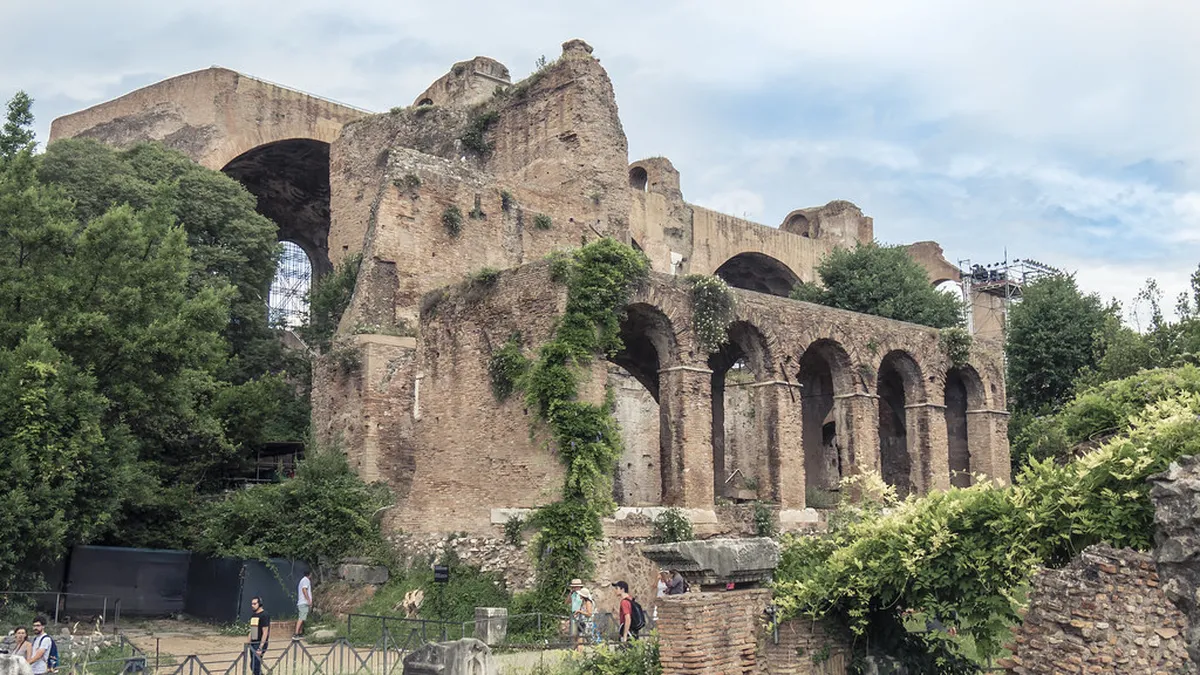
Construction of the Roman theatre began in the 1st century AD. Emperor Augustus likely initiated its building program. Later, Emperor Nero oversaw its expansion. This theatre was central to Roman social life.
The theatre once seated thousands of spectators. It hosted plays, musical performances, and public readings. These events were crucial for Roman culture. They kept citizens entertained and informed.
Archaeologists believe the theatre was actively used for centuries. Its presence shaped the city's early identity. It stands as a testament to Olisipo's importance. This ancient structure tells a powerful story.
Architecture and Design of the Ancient Stage
The Roman Theatre Museum sits in Lisbon's Alfama district and is easily walkable from the city centre. Entrance fees are typically low — around €3–5 — making it one of the most affordable historical sites in Lisbon.
The Roman theatre followed classical architectural styles. It featured a semi-circular orchestra. Tiered seating, called the cavea, rose above it. The theatre faced towards the Tagus River.
Its design maximized acoustics and views. Spectators enjoyed clear sightlines from every seat. Stone benches provided comfortable viewing. Elaborate stage buildings, or scaenae frons, stood behind the orchestra.
These buildings were richly decorated. Statues, columns, and intricate carvings adorned them. They showcased Roman artistic skill. The theatre was a symbol of Olisipo's wealth.
Modern excavations have revealed much. We know about its robust foundation structures. Some original marble elements remain visible. They give clues about its former grandeur. Consider taking an Alfama walking tour to explore this historic area.
Decline, Abandonment, and Rediscovery
The theatre's decline mirrored the Roman Empire's fate. Its use diminished after the 4th century AD. The city of Olisipo faced new challenges. Buildings fell into disrepair over time.
Centuries passed, and the theatre was forgotten. Subsequent civilizations built over its remains. Medieval houses and later structures covered it. Its ancient history lay buried beneath.
The devastating 1755 Lisbon earthquake brought change. This natural disaster destroyed much of the city. Yet, it also revealed ancient foundations. Cracks in the earth exposed forgotten structures.
Archaeological digs began in the 18th century. Italian architect Francisco de Fabri first excavated the site. Systematic work continued in the 1960s. These efforts uncovered the Roman theatre ruins. Today, we understand its true significance.
Visiting the Roman Theatre Ruins in 2026
The Roman Theatre Museum and its ruins are open today. They sit proudly in Lisbon's historic Alfama district. This area is easily accessible to visitors. It offers a deep dive into ancient times.
Visitors can explore the archaeological site. Walk along ancient pathways and see exposed walls. Imagine the bustling Roman crowds here. The site provides a profound historical experience.
The attached museum displays excavated artifacts. See pottery, coins, and architectural fragments. Informative exhibits explain the theatre's history. Learn about daily life in Roman Olisipo.
Planning your visit is simple for 2026. Check the Roman Theatre Museum Lisbon hours before you go. Entrance fees are usually low, around €3-5. It is a worthwhile stop for history buffs.
The site's opening hours can vary seasonally, and parts of the archaeological area may be closed during active excavation work. Always check current hours before visiting to avoid disappointment.
Exploring the Broader Roman Legacy of Lisbon
The theatre is not Lisbon's only Roman remnant. Many other Roman influences shaped the city. Aqueducts, roads, and baths once existed. Their hidden traces are still being discovered.

Beneath modern buildings lie ancient foundations. Lisbon's grid-like street patterns often reveal Roman origins. These subtle hints connect us to the past. They show enduring Roman engineering.
The city's strategic position ensured its importance. Rome invested heavily in Olisipo's infrastructure. This foundation influenced Lisbon for centuries. It shaped its growth and development.
Visiting the Roman theatre expands your understanding. It highlights the city's complex heritage. Portugal's history is rich and multi-layered. Explore these fascinating connections during your trip.
Frequently Asked Questions
What was the Roman name for Lisbon?
Lisbon was known as Olisipo during Roman times. It became a significant port city. The Roman Empire valued its strategic location. Olisipo flourished under Roman rule for centuries.
When was the Roman Theatre of Lisbon built?
Construction of the Roman Theatre began in the 1st century AD. Emperor Augustus likely initiated the project. Later, Emperor Nero expanded the structure further. It saw active use for several centuries.
Can you visit the Roman Theatre in Lisbon today?
Yes, you can absolutely visit the Roman Theatre in Lisbon today. The site includes both ruins and a museum. It offers an amazing insight into ancient Olisipo. Find more details on Lisbon's Roman Theatre ruins.
The history of Roman Lisbon theatre offers a unique journey. It takes visitors back to ancient Olisipo. This site embodies Lisbon's layered past. Its rediscovery enriches our understanding.
Plan your visit to the Roman Theatre Museum in 2026. Discover the fascinating ruins for yourself. Immerse yourself in Portugal's remarkable history. It's a truly unforgettable experience.
Key Takeaways
- Visit the Roman Theatre Museum in Alfama for a deep dive into history.
- Check museum hours and costs (€3-5 in 2026) before your trip.
- Combine your visit with an exploration of the surrounding Alfama district.
Continue exploring Lisbon's historic quarter
 Lisbon Roman Theatre Ruins: A Deep Dive into HistoryDecember 12, 2025
 Roman Theatre Museum Lisbon Hours: Plan Your 2026 VisitDecember 12, 2025
- History of Roman Lisbon Theatre: Uncovering Ancient OlisipoDecember 11, 2025
 Visiting Lisbon Roman Theatre Ruins in 2026December 11, 2025