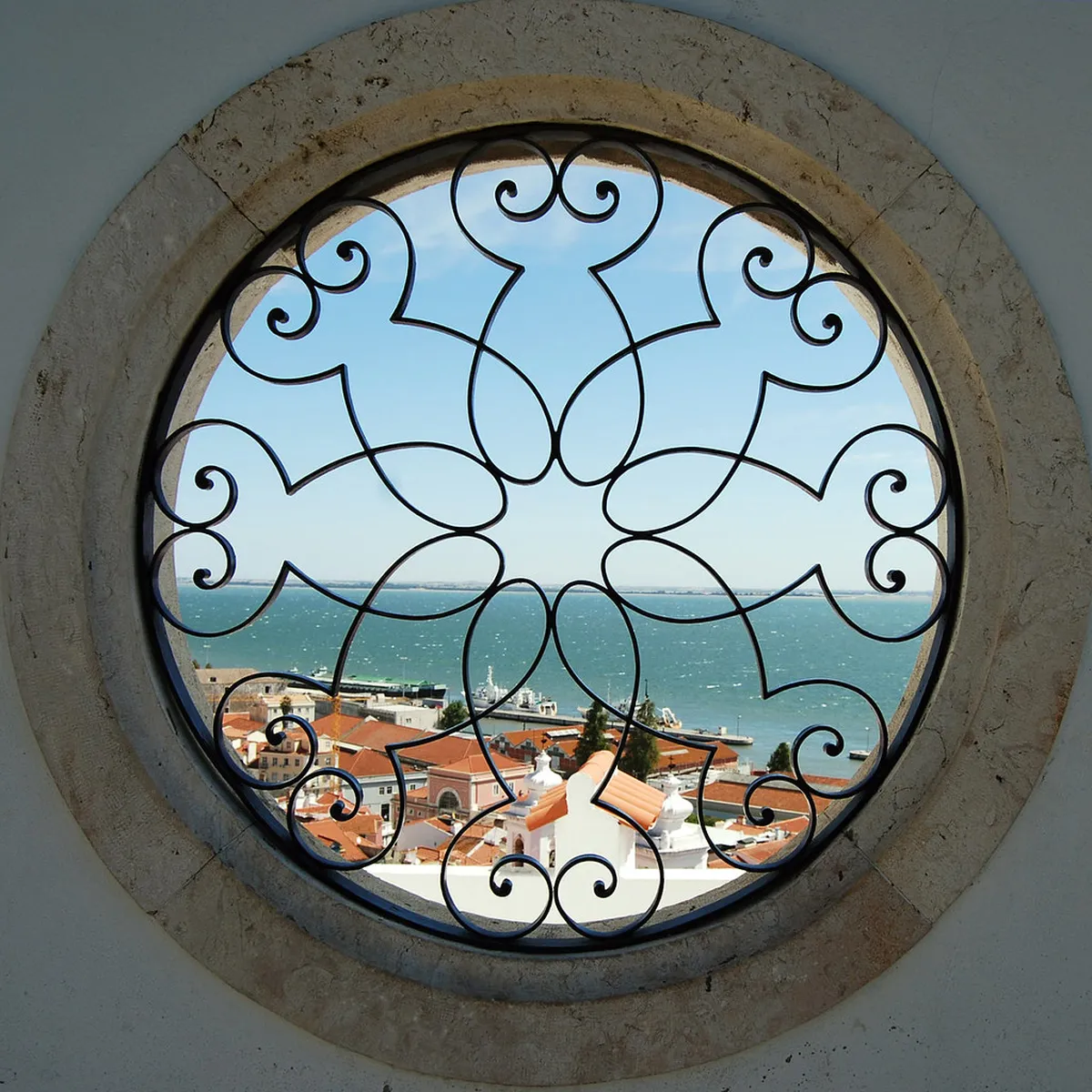
Roman Theatre Museum Lisbon Hours: Plan Your 2026 Visit
Table of Contents
Lisbon holds countless stories from its ancient past. The Roman Theatre Museum Lisbon hours are essential for planning your visit. This fascinating site offers a unique glimpse into the city's Roman heritage. It provides an immersive experience for all history enthusiasts. Discover its secrets in the heart of the historic Alfama district.
This guide offers practical details for your 2026 journey. We cover opening times, ticket prices, and how to reach the museum. Prepare to step back in time. Learn about one of Lisbon's most important archaeological finds.
Roman Theatre Museum Lisbon Hours & Visiting Days
Understanding the Roman Theatre Museum Lisbon hours is crucial. The museum operates on specific days each week. It remains closed on certain public holidays. Always check their official website for any last-minute changes.
Typically, the museum welcomes visitors from Tuesday to Sunday. It opens its doors at 10:00 AM. Closing time is usually 6:00 PM. Last entry is often 30 minutes before closing. Plan your arrival accordingly to enjoy a full visit.
The museum is generally closed on Mondays. It also closes on certain national holidays in Portugal. These may include Christmas Day and New Year's Day. Confirm these dates for your 2026 travel plans. This ensures a smooth and enjoyable experience.
Tickets, Entrance Fees, and How to Book Your Visit
Entry to the Roman Theatre Museum is very affordable. Standard adult tickets cost a few euros. Children and seniors often receive discounted rates. Group rates may also be available upon request. It offers great value for its historical insights.
You can purchase tickets directly at the museum's entrance. There is usually no need to book far in advance. However, large groups might benefit from prior contact. This ensures a smoother admission process. Payment is typically accepted by cash or card.
Consider purchasing a Lisbon Card if you plan extensive sightseeing. This card often includes free or discounted entry to many attractions. It can save you money and time. Check the card's official benefits for 2026. Verify if the Roman Theatre Museum is included.
Finding the Roman Theatre Museum in Historic Alfama
The Roman Theatre Museum sits nestled within Alfama. This is Lisbon's oldest and most charming district. Its address is Rua da Saudade 25, 1100-584 Lisboa. The museum is easy to find after a short walk.
Reaching the museum is simple using public transport. Take Tram 28E or Metro to Santa Apolónia station. From there, it's a pleasant downhill walk. Many visitors combine their museum visit with exploring the charming Alfama district. The narrow streets are full of character.
Look for signs leading to the 'Teatro Romano'. The entrance is discreetly located. It sits among traditional Lisbon houses. You can also use GPS coordinates for precise navigation. It is truly a hidden gem waiting to be discovered.
What to Expect: Exploring the Roman Theatre Ruins
The museum combines indoor exhibits with outdoor ruins. Inside, you will find artifacts and interactive displays. These showcase the theatre's construction and use. Informative panels explain its fascinating story. The exhibits provide context for the visible ruins.
Walk outside to see the actual archaeological site. You will discover parts of the theatre's seating area. Remains of the orchestra and stage are visible. These ancient structures tell a powerful story. They reveal the ancient history of Lisbon's Roman Theatre. Imagine gladiatorial contests and dramatic performances.
The museum offers a fantastic historical journey. It provides insights into Roman Olisipo. That was Lisbon's name during Roman times. Plan about 1-1.5 hours for a thorough visit. This allows time to appreciate all the displays. You can really absorb the rich history.
Tips for Your Visit to the Roman Theatre Museum
Visit during the morning to avoid larger crowds. Weekday mornings are often quieter. This allows for a more peaceful experience. You can take your time exploring the exhibits. Weekends can be busier, especially in peak season.
Wear comfortable shoes for walking the Alfama district. The museum itself is mostly accessible. However, the surrounding area has steep, cobbled streets. Accessing the actual ruins involves some stairs. Be prepared for uneven surfaces.
Combine your visit with other nearby attractions. The Lisbon Cathedral is just a short walk away. São Jorge Castle is also within easy reach. Consult our comprehensive guide to visiting the Roman Theatre ruins for more ideas. Enjoy a complete day of historical exploration.
Frequently Asked Questions
Is the Roman Theatre Museum in Lisbon free to enter?
No, the Roman Theatre Museum in Lisbon is not generally free. There is a small entrance fee for most visitors. This fee helps maintain the museum and the archaeological site. Check for specific discounts for students, seniors, or Lisbon Card holders for 2026.
Sometimes, on the first Sunday of the month, certain Lisbon museums offer free entry. Confirm this policy with the Roman Theatre Museum directly. This can be a great way to save money. Always verify current policies before your visit.
How long does it take to visit Lisbon's Roman Theatre Museum?
A typical visit to Lisbon's Roman Theatre Museum takes about 1 to 1.5 hours. This allows ample time. You can explore both the indoor exhibits and the outdoor ruins. History enthusiasts might spend slightly longer. They can delve deeper into the displays.
The museum is not overly large, making it a manageable visit. It's perfect to combine with other Alfama attractions. You can easily fit it into a half-day itinerary. Plan your time based on your interest level.
What is the history behind the Roman Theatre of Lisbon?
The Roman Theatre of Lisbon, or Olisipo, dates back to the 1st century AD. It was built during Emperor Augustus's reign. The theatre could seat around 5,000 spectators. It hosted plays and public performances during Roman times.
It remained in use until the 4th century. Later, it fell into disuse and became buried. The ruins were only rediscovered after the 1755 Lisbon earthquake. Excavations began in the 20th century. These efforts brought this incredible piece of history back to light.
Are there guided tours available at the Roman Theatre Museum?
The Roman Theatre Museum typically does not offer regular guided tours. However, it provides extensive informational panels. These panels are available in both Portuguese and English. They guide visitors through the exhibits. Audio guides may be available for rent. Check at the front desk for current options.
For a deeper experience, consider hiring a private tour guide. Many local guides specialize in Roman Lisbon history. They can offer personalized insights. This might enhance your understanding greatly. Inquire with local tourism offices for recommendations.
The Roman Theatre Museum in Lisbon offers a unique historical journey. Knowing the Roman Theatre Museum Lisbon hours helps you plan effectively. This ancient site beautifully complements Lisbon's vibrant modern culture. It provides a quiet reflection on the city's deep past. Don't miss this fascinating attraction in Alfama.
Make sure to check opening times for your 2026 visit. Embrace the opportunity to step back in time. Discover Lisbon's Roman roots. Enjoy your exploration of this incredible historical treasure!
Key Takeaways
- Verify Roman Theatre Museum Lisbon hours before your 2026 visit, especially for holidays.
- Tickets are affordable and can be purchased on-site; Lisbon Card may offer discounts.
- Located in the Alfama district, easily accessible by public transport.
- Allow 1-1.5 hours to explore both indoor exhibits and outdoor ruins fully.
- Combine your visit with other historic sites in the surrounding Alfama area.
Continue exploring Lisbon's historic quarter
 Lisbon Roman Theatre Ruins: A Deep Dive into HistoryDecember 12, 2025
- Roman Theatre Museum Lisbon Hours: Plan Your 2026 VisitDecember 12, 2025
 History of Roman Lisbon Theatre: Uncovering Ancient OlisipoDecember 11, 2025
 Visiting Lisbon Roman Theatre Ruins in 2026December 11, 2025