
Discover the History of São Jorge Castle Lisbon
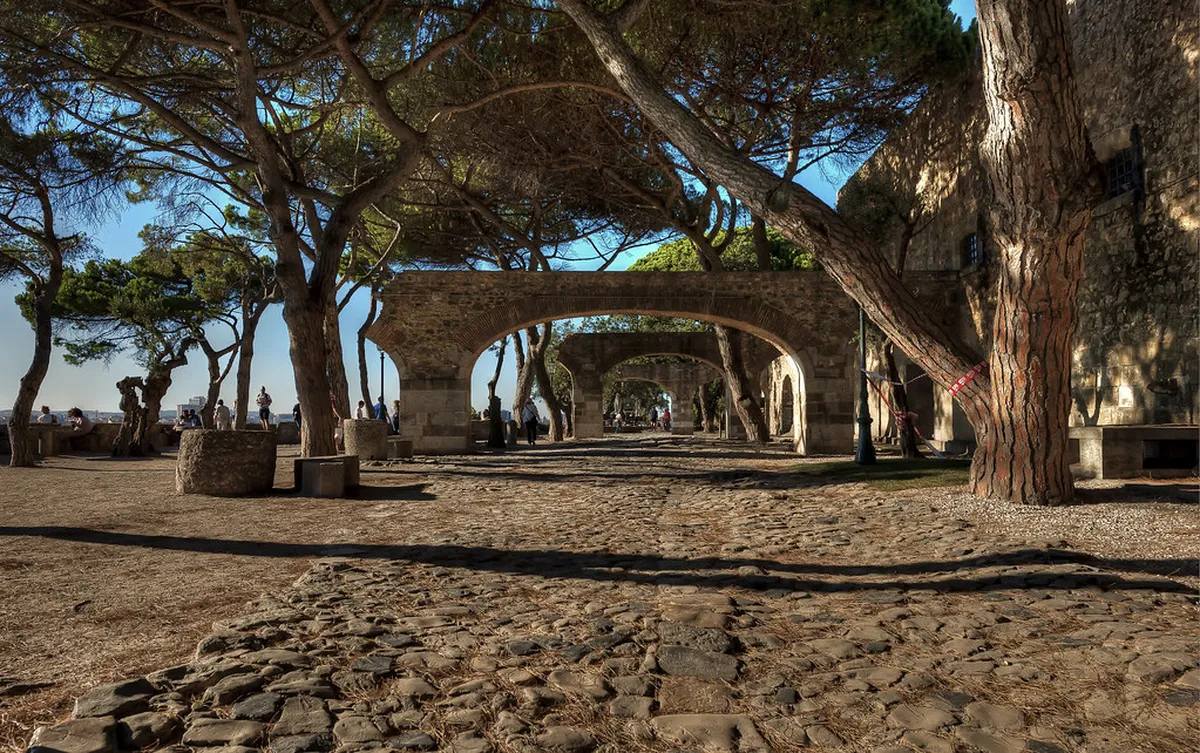
Table of Contents
The Castelo de São Jorge stands proudly in Lisbon. It offers stunning views over the city. This ancient fortress holds centuries of stories. Its history is deeply woven into Lisbon's past. Understanding its origins enhances any visit. Let's delve into the remarkable history of São Jorge Castle Lisbon, dating back to Roman times. This guide will walk you through its incredible journey.
Ancient Origins and Early Fortifications
The site of São Jorge Castle boasts ancient roots. Evidence shows human presence since the Iron Age. Early fortifications existed on this strategic hill. The Romans later built defensive structures here. This provided control over the Tagus River estuary. Its elevated position was always crucial.
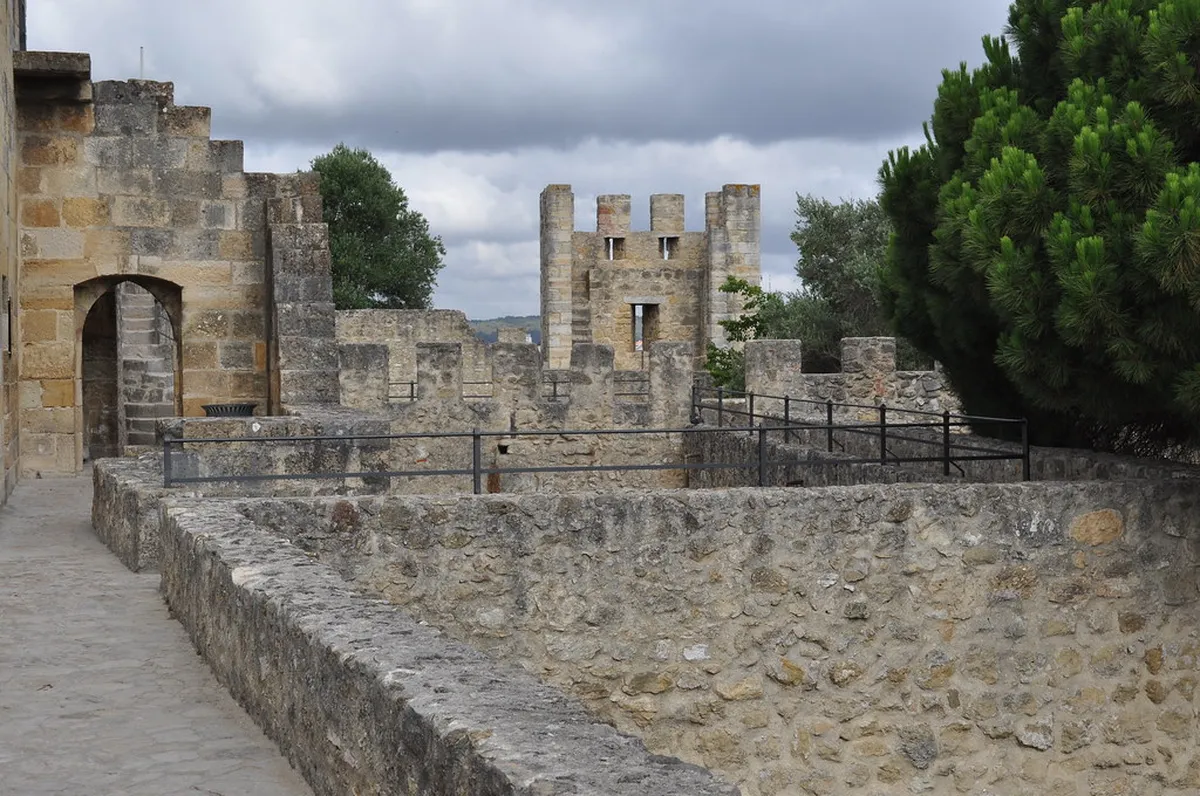
Visigoths occupied the castle site after the Romans. They continued to use it as a stronghold. The fortifications underwent various changes. This early period laid the foundation. It established the site's military importance. These layers of history are still visible today.
Archaeological digs reveal these early settlements. You can see remnants within the castle grounds. These findings show a continuous occupation. They highlight the enduring appeal of this defensive spot. Lisbon's early days are intrinsically linked here.
Moorish Rule and the Alcáçova Castle
Moorish invaders arrived in the 8th century. They captured Lisbon and its hilltop fortress. The Moors rebuilt and expanded the existing structures. They called it al-Ushbuna (Lisbon) and the castle, al-Qasba. This period marked a significant architectural change.
The Moorish castle became known as the Alcáçova. It served as a vital administrative center. It was also the residence for their governors. Lisbon flourished as a major trading port. The castle defended this important city from attacks. Its walls protected a vibrant community.
The castle's current layout largely reflects Moorish design. Strong defensive walls and 11 towers were constructed. Intricate water systems also existed within the fortress. This era of history lasted for over 400 years. It left a lasting cultural imprint.
The Moorish period shaped most of what you see today — the strong defensive walls and 11 towers still standing are largely products of their 8th-century rebuilding. Look out for remnants of the original Moorish water systems as you explore the castle grounds.
The Reconquista and Christian Conquest
The Christian Reconquista aimed to reclaim Iberian lands. Lisbon became a key target in this effort. In 1147, King Afonso Henriques besieged the city. Crusaders from Northern Europe assisted him. The siege lasted for many weeks.
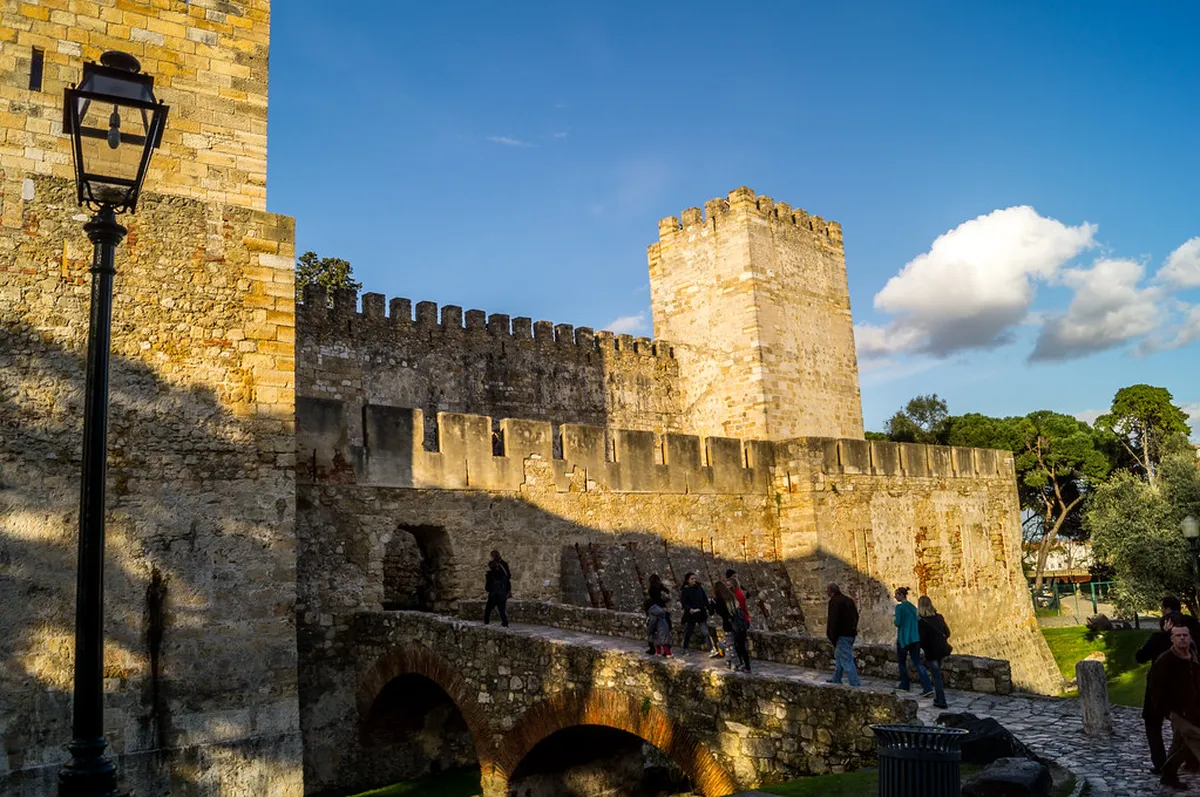
Lisbon finally fell to Christian forces. The castle was captured on October 25, 1147. This event marked a turning point. It solidified Portugal's independence. King Afonso I became Portugal's first king. The castle was renamed Castelo de São Jorge.
São Jorge (Saint George) became the castle's patron saint. He symbolized Portugal's new Christian identity. The conquest was a monumental achievement. It secured Lisbon as the kingdom's capital. This strategic victory shaped Portuguese history forever.
Royal Palace and State Archive
After the Reconquista, the castle served new roles. It became the royal palace for Portuguese kings. Monarchs lived here from the 12th to the 16th century. Grand celebrations and important events took place. The castle was the heart of the kingdom.
King Dinis added the Torre do Tombo (Archive Tower). This housed the kingdom's precious archives. It preserved crucial historical documents. The castle's importance grew beyond just defense. It symbolized royal power and national identity. The Royal Palace moved after the 16th century.
The castle also witnessed significant historical moments. Vasco da Gama received his honors here. He returned from his voyage to India. These walls saw Portugal's Age of Discoveries begin. It truly was a center of Portuguese life.
| Period | Era / Ruler | Key Role | Notable Change |
|---|---|---|---|
| Iron Age – Roman | Romans / Visigoths | Military stronghold | Early defensive structures on the hill |
| 8th – 12th century | Moorish rule | Administrative center & residence | Rebuilt with 11 towers; called al-Qasba |
| 1147 | King Afonso Henriques | Royal seat of newly independent Portugal | Captured Oct 25; renamed Castelo de São Jorge |
| 12th – 16th century | Portuguese monarchy | Royal palace & state archive | Torre do Tombo added; Vasco da Gama honored here |
| 1755 – present | Post-earthquake restoration | Military barracks, then national monument | Major 20th-century restoration began 1930s |
The 1755 Earthquake and Modern Restoration
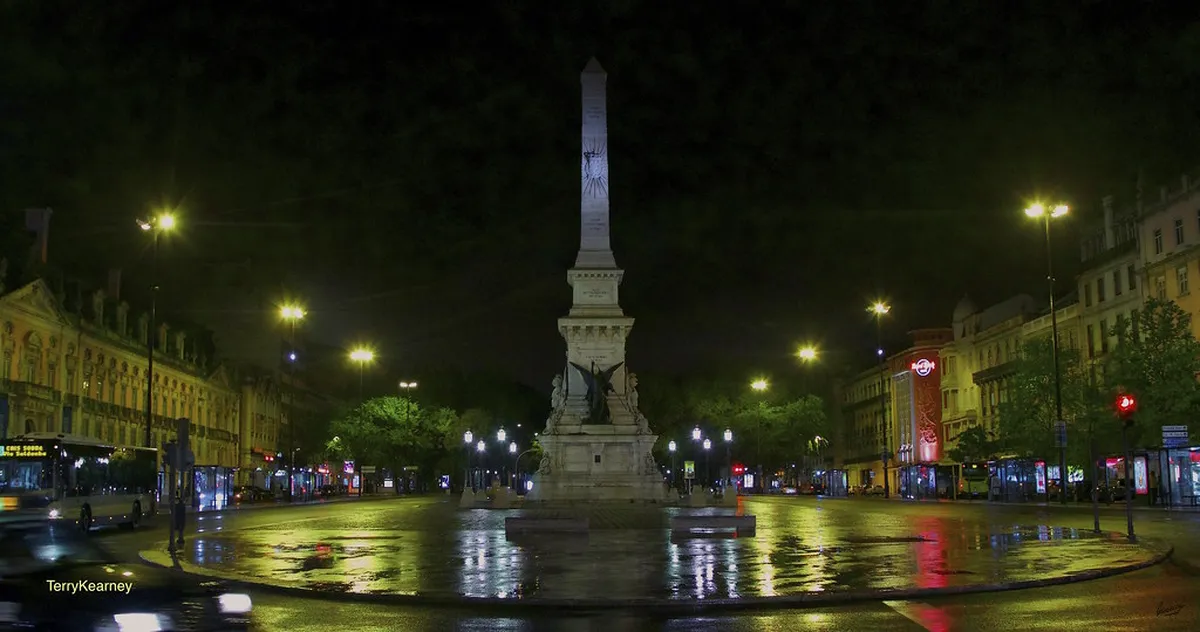
The devastating Lisbon earthquake struck in 1755. This catastrophic event severely damaged the castle. Much of the royal palace was destroyed. Lisbon faced immense destruction across the city. The castle lost much of its former grandeur. You can learn more about the Lisbon earthquake history elsewhere.
The castle fell into disrepair for centuries. It served primarily as a military barracks. Major restoration efforts began in the 20th century. These works started in the 1930s. The goal was to restore its medieval appearance. Many original features were brought back to life.
Today's São Jorge Castle reflects this careful restoration. It showcases different historical periods. Visitors can explore various sections. This includes the battlements, towers, and archaeological site. It stands as a testament to Lisbon's resilience. The castle is now a beloved national monument.
The 1755 earthquake destroyed much of the original royal palace, so large sections of what you see today are 20th-century reconstructions from the 1930s restoration, not original medieval fabric. Manage expectations when seeking purely original stonework.
Frequently Asked Questions
When was São Jorge Castle originally built?
The castle's origins trace back much earlier. Archaeological evidence suggests an Iron Age settlement. Romans also built fortifications on the site. The current structure largely reflects Moorish rebuilding efforts. This occurred from the 8th century onwards.
Who captured São Jorge Castle from the Moors?
King Afonso Henriques captured the castle in 1147. He was the first King of Portugal. Crusaders from northern Europe assisted his forces. This victory was a major event. It solidified Christian rule in Lisbon.
What was the castle used for after the Reconquista?
After its capture, it became a royal palace. Portuguese kings lived there for centuries. It also housed the kingdom's archives. Later, it served as a military barracks. Today, it is a historical monument and museum. Visiting São Jorge Castle is a must for history lovers.
The history of São Jorge Castle Lisbon is truly captivating. It spans millennia, from ancient settlements to royal grandeur. This iconic fortress tells a story of conquests and resilience. Its walls have witnessed Lisbon's dramatic past. Plan your visit to explore this incredible landmark. Discover the layers of history firsthand.
Key Takeaways
- São Jorge Castle has roots dating back to the Iron Age.
- Moorish rule shaped much of its current architecture.
- The 1147 Christian conquest was a pivotal moment for Portugal.
- The castle served as a royal palace for centuries.
- It underwent significant restoration in the 20th century.
Continue exploring Lisbon's historic quarter
 Sao Jorge Castle Events Lisbon: Top Attractions for 2026December 14, 2025
 Castelo de São Jorge Ticket Prices Lisbon: Your 2026 GuideDecember 13, 2025
- Discover the History of São Jorge Castle LisbonDecember 13, 2025
 Castelo de São Jorge History: Lisbon's Ancient FortressDecember 12, 2025
 Visiting São Jorge Castle Lisbon: Essential Tips for 2026December 10, 2025