The Enduring History of Sé de Lisboa Cathedral
Table of Contents
Lisbon's majestic Sé de Lisboa stands as a powerful symbol. It represents centuries of the city's rich past. This ancient cathedral invites visitors to explore its depths. Discover its remarkable journey through time. Its walls hold countless stories of triumphs and challenges.
This guide delves into the profound history of Sé de Lisboa. We will trace its origins and architectural evolution. Prepare to journey from medieval foundations to modern discoveries. Understand why this landmark remains so significant in 2026.
From Mosque to Cathedral: Early Foundations
The story of Sé de Lisboa begins with conquest. Christian Crusaders recaptured Lisbon in 1147. They converted the existing mosque into a church. This marked the very first iteration of the cathedral. D. Afonso Henriques initiated its construction.
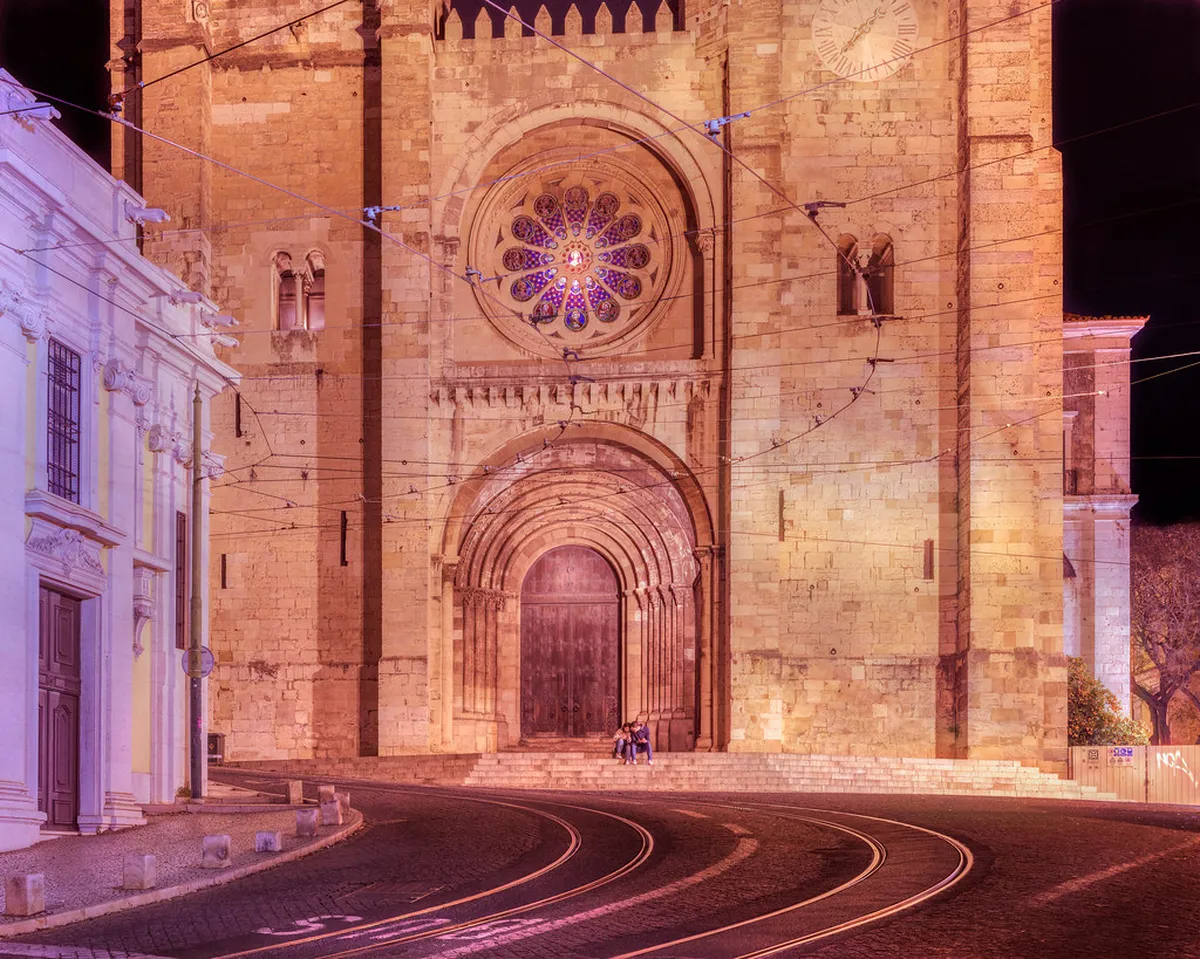
Construction started on the site of the former mosque. This new structure served as a symbol of Christian victory. Master Builder Roberto oversaw the early Romanesque design. Stone by stone, the grand cathedral began to rise. Its robust walls offered both worship and defense.
The first bishop of Lisbon, Gilbert of Hastings, led the church. He guided the early spiritual life of the city. The initial building showcased a fortified appearance. This reflected the turbulent times of its creation. The cathedral was a beacon of faith and power.
Architectural Evolution and Medieval Transformations
Sé de Lisboa experienced many architectural additions. Its original Romanesque core gained new features. Gothic elements emerged during later centuries. These changes reflected evolving artistic trends. Royal patronage often funded these grand expansions.
King Dinis added a beautiful Gothic cloister in the 13th century. This serene space offered quiet contemplation. The cloisters are a popular feature today. They stand as a testament to medieval craftsmanship. Visitors can still explore their peaceful corridors.
The Gothic cloisters added by King Dinis in the 13th century are included with admission. Don't rush through them — they also contain an active archaeological dig where Roman and Moorish layers are visible beneath a glass floor.
Further modifications shaped the cathedral's appearance. Chapels were added, and interiors changed. Each era left its distinct mark on the structure. This layered history makes the Sé architecturally unique. It presents a fascinating study in design evolution.
| Era | Period | Architectural Style | Key Addition / Event |
|---|---|---|---|
| Reconquest | 1147 | Romanesque | Cathedral founded on former mosque site by D. Afonso Henriques |
| Medieval Expansion | 13th century | Gothic | Gothic cloister added under King Dinis |
| Post-Earthquake Rebuild | After 1755 | Baroque | New Baroque elements introduced during reconstruction |
The Great Earthquake and Sé de Lisboa's Resilience
A catastrophic event reshaped Lisbon in 1755. The Great Earthquake devastated the city. Sé de Lisboa suffered immense damage. Parts of its towers and roof collapsed. The disaster challenged its very existence.
Despite the destruction, the main structure held firm. This testament to its Romanesque engineering amazed many. Reconstruction efforts began almost immediately. The city rallied to restore its beloved cathedral. It became a symbol of Lisbon's enduring spirit.
Restorations carefully preserved its original character. Yet, some new Baroque elements were introduced. This blended old and new styles seamlessly. The rebuilt cathedral showcased resilience. It stands proudly as a monument to recovery.
Modern Discoveries and Ongoing Restoration
Archaeological excavations continue to reveal secrets. Recent digs unearthed Roman and Moorish remains. These findings lie beneath the current structure. They offer a deeper understanding of the site's past. The history of Sé de Lisboa keeps unfolding.
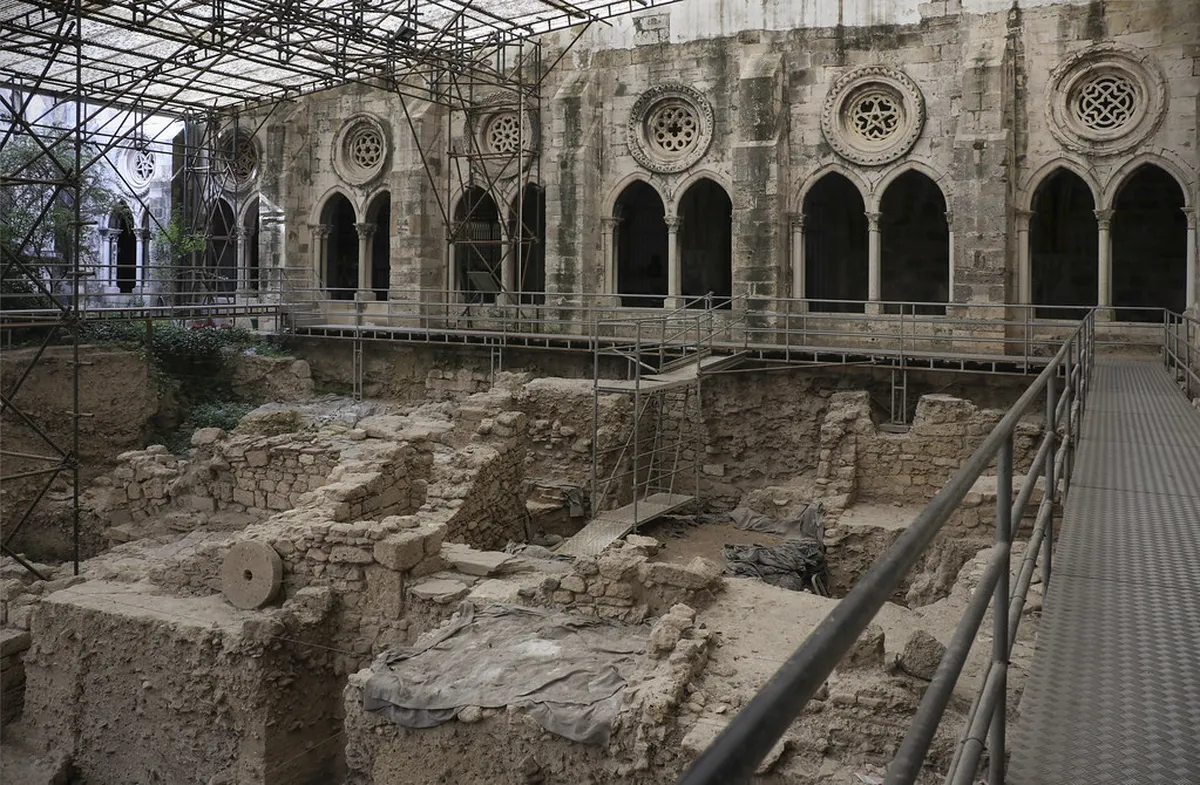
These discoveries provide invaluable historical context. Visitors can observe some ongoing work. Dedicated teams preserve the cathedral's integrity. Their efforts ensure its long-term survival. This continuous care is vital for future generations.
Maintaining such an old building is a significant task in 2026. Preservationists work diligently to protect it. They balance historical accuracy with structural needs. Learning about the cathedral's past enhances your Sé de Lisboa cathedral experience. It remains a living piece of history.
Visiting Sé de Lisboa: A Glimpse into its Past
Visiting Sé de Lisboa offers a direct connection to history. Step inside this ancient edifice. Imagine centuries of worship and change. The sheer scale of the building is impressive. Its quiet dignity commands respect.
Explore the Treasury, filled with religious artifacts. Walk through the cloisters and discover the archaeological site. Each area tells a different chapter. Allow ample time for your visit in 2026. You will uncover many fascinating details.
Check the Sé de Lisboa ticket prices and opening hours before you go. Prices are reasonable for such a historic site. Guided tours offer deeper insights into its history. It's an essential stop for any history enthusiast.
Opening hours and access to specific areas (Treasury, cloisters, archaeological site) can change due to ongoing restoration work. Always verify current hours and admission fees before visiting — some sections may be temporarily closed while preservation teams work on the structure.
Frequently Asked Questions
When was Sé de Lisboa first constructed?
Sé de Lisboa's construction began in 1147. This followed the Christian reconquest of Lisbon. It was built on the site of a former mosque. The initial phase established its robust Romanesque foundation.
What architectural styles are visible at Sé de Lisboa?
The cathedral primarily features Romanesque architecture. However, it also includes significant Gothic additions. These are seen in its cloister and some chapels. Baroque elements were also incorporated after the 1755 earthquake.
How did the 1755 earthquake impact Sé de Lisboa?
The 1755 Lisbon earthquake caused severe damage. Parts of the roof, bell towers, and chapels collapsed. The main structure largely survived. Extensive reconstruction efforts began immediately. This restored the cathedral to its former glory. Discovering the Sé often leads to exploring Alfama's historic streets surrounding it.
The history of Sé de Lisboa is a testament to resilience. It stands as a beacon of Lisbon's enduring spirit. From Moorish times to modern-day preservation, its story captivates. This ancient cathedral offers a profound journey through time. It is a vital piece of Portugal's heritage.
Visiting Sé de Lisboa provides an unforgettable experience. Immerse yourself in centuries of history and architectural beauty. Plan your trip to this iconic landmark in 2026. Discover the stories held within its venerable walls. It truly embodies the soul of Lisbon.
Key Takeaways
- Sé de Lisboa originated as a mosque before becoming a cathedral in 1147.
- It showcases a blend of Romanesque, Gothic, and Baroque architectural styles.
- The cathedral remarkably survived and was rebuilt after the devastating 1755 earthquake.
Continue exploring Lisbon's historic quarter
 Lisbon Cathedral Sé Opening Hours & Visitor Guide 2026December 12, 2025
 Visit Sé de Lisboa Cathedral: Lisbon's Oldest Church GuideDecember 11, 2025
- The Enduring History of Sé de Lisboa CathedralDecember 10, 2025
 Lisbon Cathedral Ticket Price in 2026: Your GuideDecember 10, 2025