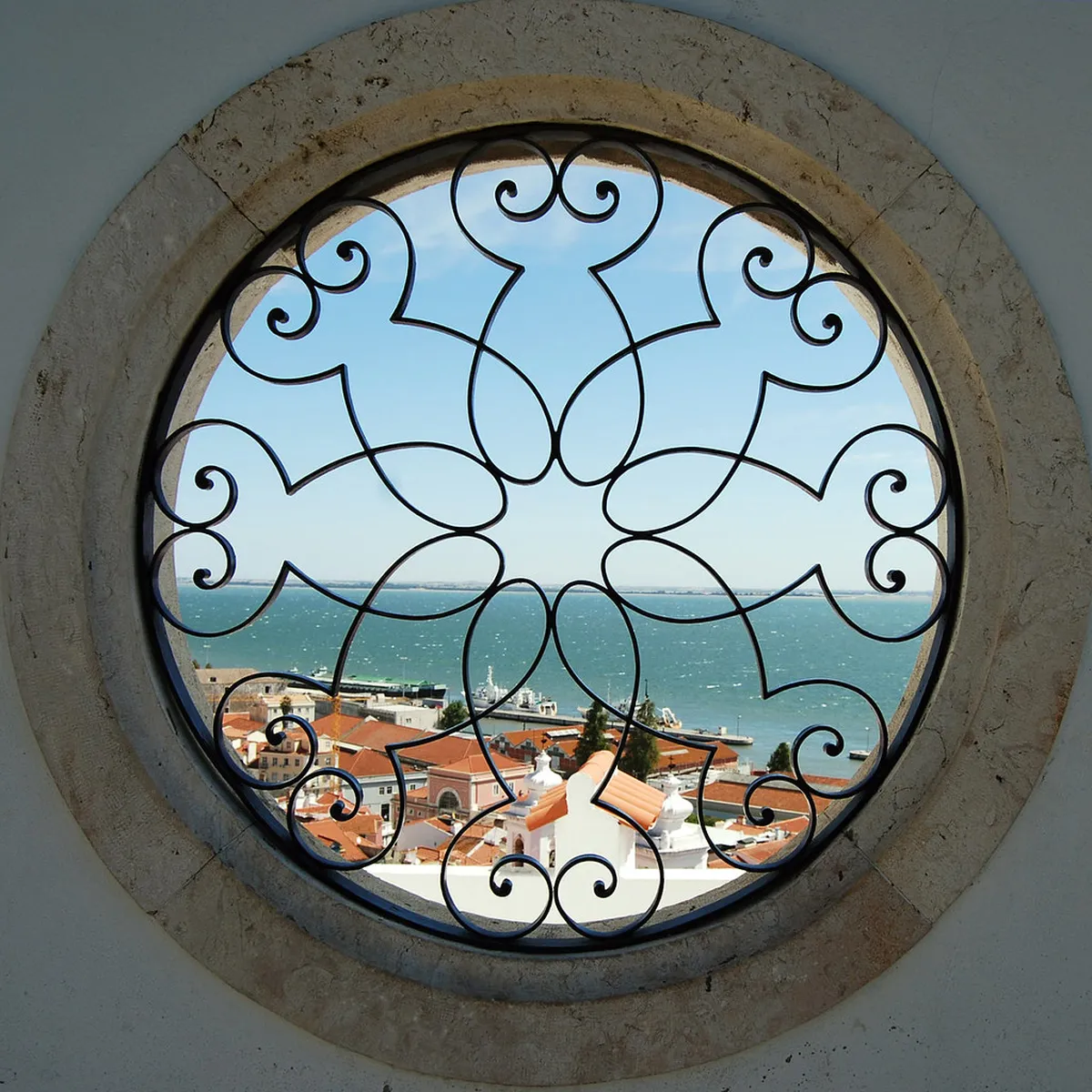
Lisbon's Historic Fountains & Wells: A Timeless Water Journey
Table of Contents
Lisbon, a city of seven hills, boasts a rich and fascinating past. Its history is deeply intertwined with its water sources. Exploring Lisbon historic fountains wells offers a unique glimpse into this heritage. These beautiful structures provided vital water for centuries.
From ancient Roman systems to magnificent 18th-century chafarizes, water shaped the city. They tell stories of daily life, resilience, and architectural prowess. Join us in 2026 to discover these captivating landmarks.
The Enduring Legacy of Lisbon's Water Systems
Water has always been essential for Lisbon's survival and growth. Early inhabitants relied on natural springs and wells. The city's challenging topography made water distribution difficult. This led to innovative engineering solutions over time.
The devastating 1755 earthquake destroyed much of Lisbon. However, many historic water systems proved resilient. They continued to supply the city during its reconstruction. These structures are a testament to enduring design.
Today, you can still find traces of these ancient systems. They are hidden in plain sight across various historic neighborhoods in Lisbon. They offer a tangible connection to the past. Seek them out on your next visit.
Notable Chafarizes: Lisbon's Public Fountains
Lisbon's 'chafarizes' are ornate public fountains. They served as critical water points for residents. These architectural gems often mark important squares or junctions. Each fountain has its own unique story and design.
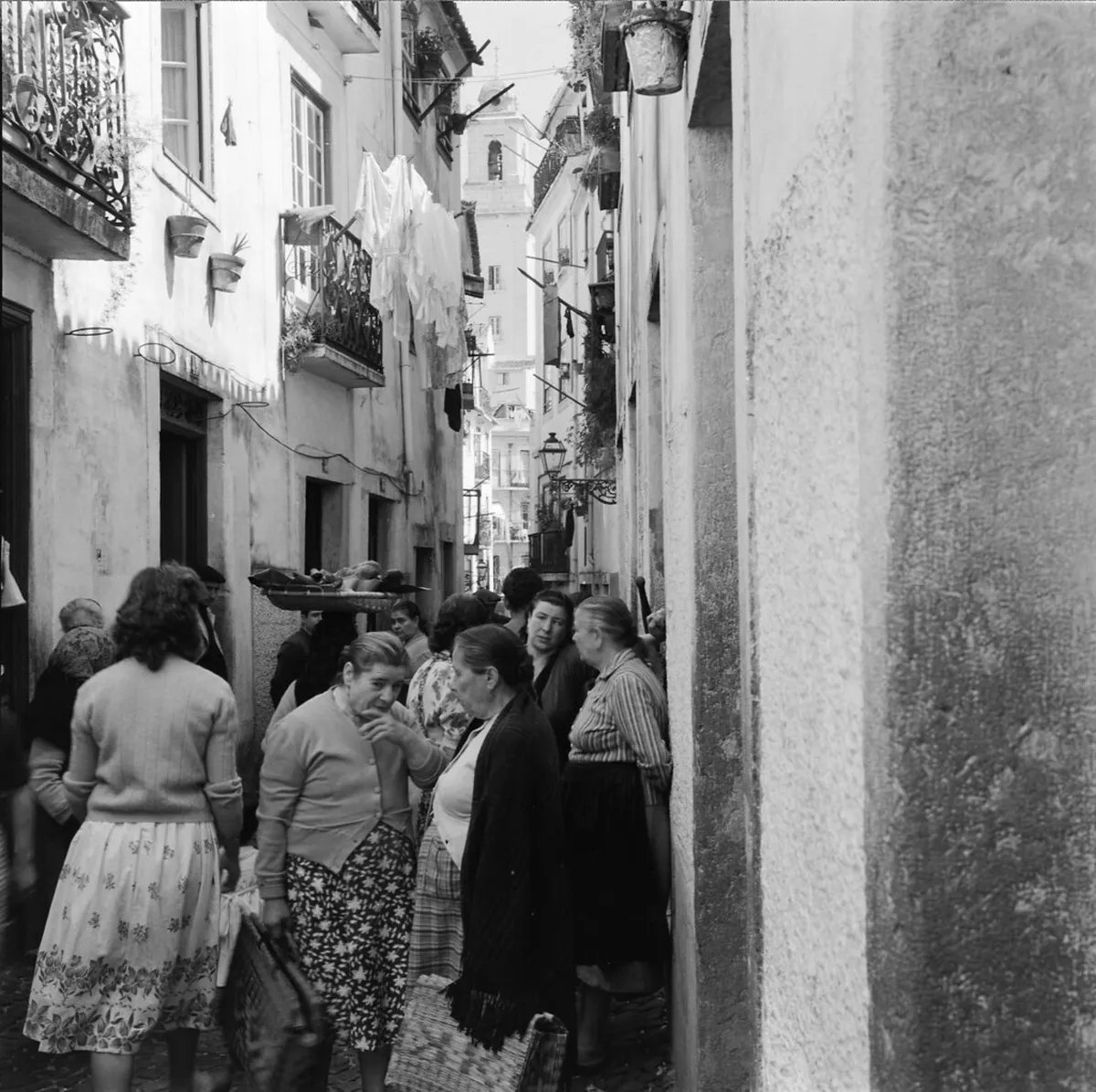
The Chafariz d'El Rei in Alfama is one of the oldest. It dates back to the 13th century, though rebuilt many times. This fountain was crucial for the Alfama walking tour Lisbon area. Its six spouts once served different social classes.
Another impressive example is the Chafariz da Esperança. Located near Alcântara, it supplied the Royal Palace. Its Baroque design is truly remarkable. These fountains were more than just water sources; they were social hubs.
The Chafariz do Carmo sits in the Chiado district. It was fed by the Águas Livres Aqueduct. It boasts elegant sculptures and grand dimensions. Exploring these fountains provides a journey through art and history.
| Landmark | District | Origin | Highlight | Entry Fee |
|---|---|---|---|---|
| Chafariz d'El Rei | Alfama | 13th century | Six spouts for different social classes | Free (exterior) |
| Chafariz da Esperança | Alcântara | Baroque era | Supplied the Royal Palace | Free (exterior) |
| Chafariz do Carmo | Chiado | 18th century | Fed by Águas Livres Aqueduct; ornate sculptures | Free (exterior) |
| Águas Livres Aqueduct | Alcântara valley | 1731–1799 | Iconic arches spanning 65 m over the valley | Free (exterior) |
| Mãe d'Água das Amoreiras | Amoreiras | 18th century | Grand reservoir; now a water museum | €3–€5 |
Tracing Lisbon's Ancient Wells and Aqueduct
Beyond the grand fountains, countless ancient wells dot Lisbon. These private and public wells were vital for daily life. Many are now covered or integrated into buildings. Some still whisper tales of their past use.
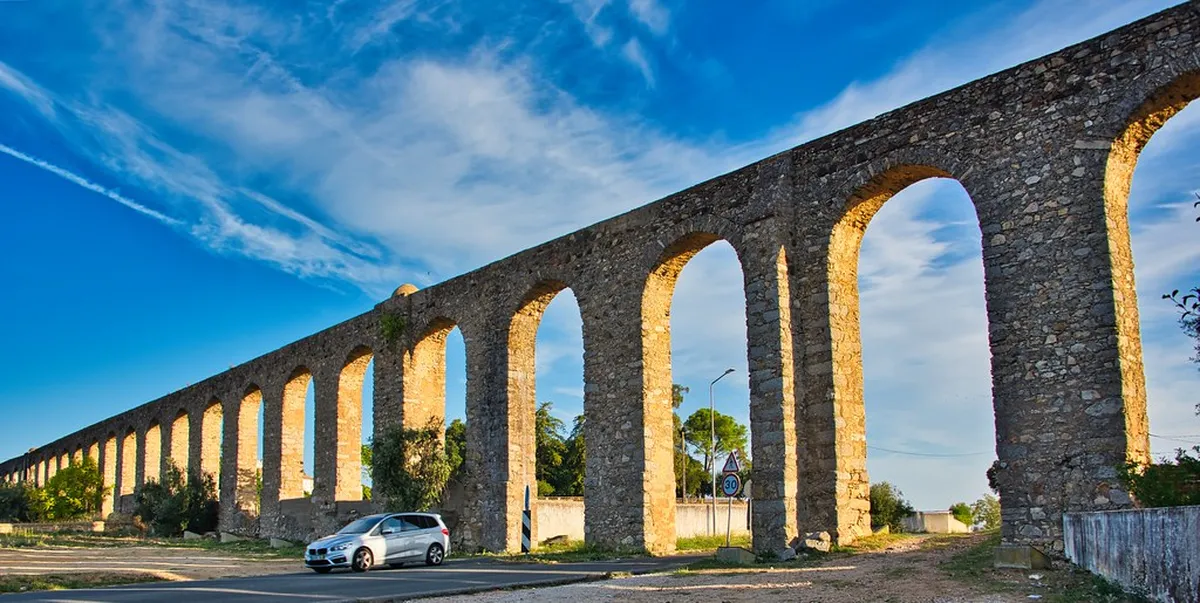
The majestic Águas Livres Aqueduct stands as a marvel of engineering. Built in the 18th century, it brought fresh water to Lisbon. It spans the Alcântara valley with its iconic arches. This aqueduct was crucial for the city's growth.
The aqueduct system includes reservoir structures called 'Mãe d'Água'. The Mãe d'Água das Amoreiras is a grand reservoir. It now functions as a museum space. Visitors can explore its impressive interior and learn about Lisbon's water supply.
Before modern plumbing, these systems were lifelines. They demonstrate Lisbon's resilience, especially after the Lisbon earthquake history facts. The aqueduct saved countless lives by ensuring water availability. It stands as a symbol of perseverance.
Practical Tips for Exploring Lisbon's Water Features
Discovering Lisbon's historic fountains and wells can be a rewarding experience. Wear comfortable shoes, as many are located on hilly streets. Allow ample time to wander and truly appreciate their beauty.
The Mãe d'Água das Amoreiras reservoir museum charges a modest entrance fee of €3–€5 and is well worth a visit. Check opening hours before heading out, as they can vary by season.
Many fountains are easily accessible in popular areas. You can find them in the Baixa historic sights Lisbon. Others require a bit more searching in quieter alleyways. Consider a guided walking tour for deeper insights.
While many public fountains are beautiful, their water may not be potable. Look for signs indicating 'água potável' (potable water) before drinking. Always carry your own water bottle, especially during warmer months in 2026. This ensures you stay hydrated.
Not all of Lisbon's decorative public fountains supply safe drinking water. If you see no 'água potável' sign, do not drink from it — treat it as ornamental only and rely on bottled or tap water from your accommodation.
Check opening hours for sites like the Mãe d'Água das Amoreiras. Entrance fees generally range from 3-5 Euros. Visiting these sites offers an immersive historical experience. It connects you with Lisbon's past.
Fountains of Faith and Community in Lisbon
Many historic fountains also held significant community roles. They were gathering places for locals. People exchanged news and socialized while collecting water. These spots fostered a strong sense of community.

Some fountains are linked to religious traditions. They are often found near churches or monasteries. These connections highlight water's sacred importance. Water symbolized purification and life in many cultures.
The design of these fountains often reflected their cultural significance. Statues of saints, mythological figures, or royal crests adorned them. These artistic elements added to their grandeur. They made them points of civic pride.
Even today, these fountains contribute to the city's charm. They offer a tranquil escape from bustling streets. Take a moment to sit and appreciate their history. They are beautiful historical reminders.
Preserving Lisbon's Historic Water Heritage
Lisbon is committed to preserving its valuable water heritage. Many fountains and wells undergo regular restoration. These efforts ensure they remain for future generations. They protect these crucial historical markers.
Local authorities and heritage groups collaborate on these projects. They work to maintain the structural integrity. They also preserve the aesthetic beauty. This dedication keeps Lisbon's stories alive.
Visitors can support these preservation efforts. Respect these historic sites during your visit. Avoid littering and do not damage any structures. Education about their importance helps promote care.
Consider visiting the water museum if you are passionate about this topic. It provides an in-depth look at Lisbon's water history. It is a fantastic resource for learning more. The museum is highly informative for all ages.
Frequently Asked Questions
What are the most famous historic fountains in Lisbon?
Some of Lisbon's most famous historic fountains include the Chafariz d'El Rei in Alfama. The Chafariz da Esperança is another notable example. You should also see the grand Chafariz do Carmo in Chiado. These are excellent starting points for your exploration.
How did Lisbon get its water before modern systems?
Before modern plumbing, Lisbon relied on several water sources. Natural springs and local wells provided much-needed water. The Águas Livres Aqueduct, built in the 18th century, dramatically improved supply. It transported water from distant sources to the city.
Are Lisbon's historic wells still active today?
Most of Lisbon's historic wells are no longer active for public use. Many are covered or have become decorative features. The Águas Livres Aqueduct, however, still carries water. Its main reservoir, Mãe d'Água das Amoreiras, is a museum. Historic plazas in Lisbon often feature non-functional wells as monuments.
Can I drink water from Lisbon's public fountains?
It is generally not advisable to drink directly from all public fountains. Always look for a sign that says 'água potável,' meaning potable water. If no sign is present, assume the water is not safe for drinking. It is best to stick to bottled water or tap water from your accommodation.
Lisbon's historic fountains and wells offer a captivating journey through time. They represent the city's resilience, ingenuity, and cultural richness. From ancient chafarizes to the mighty aqueduct, water shaped this incredible city.
Plan your visit in 2026 to uncover these hidden gems. Take a moment to appreciate these vital historical structures. They are more than just water sources; they are monuments to Lisbon's enduring spirit. Explore these beautiful landmarks soon!
Key Takeaways
- Lisbon's water features are vital historical and architectural landmarks.
- The Águas Livres Aqueduct is a must-see marvel of 18th-century engineering.
- Many historic fountains, or 'chafarizes,' are found in popular city neighborhoods.
- Always check for 'água potável' signs before drinking from public fountains.
- Visiting these sites offers deep insights into Lisbon's daily life and history.
Continue exploring Lisbon's historic quarter
 Discover Lisbon's Ancient Water Sources: A GuideDecember 11, 2025
- Lisbon's Historic Fountains & Wells: A Timeless Water JourneyDecember 11, 2025
 Explore Lisbon's Historic Fountains in 2026December 10, 2025
 Uncovering Lisbon Old Public Wells HistoryDecember 10, 2025