Praça do Rossio History: Lisbon's Historic Heart
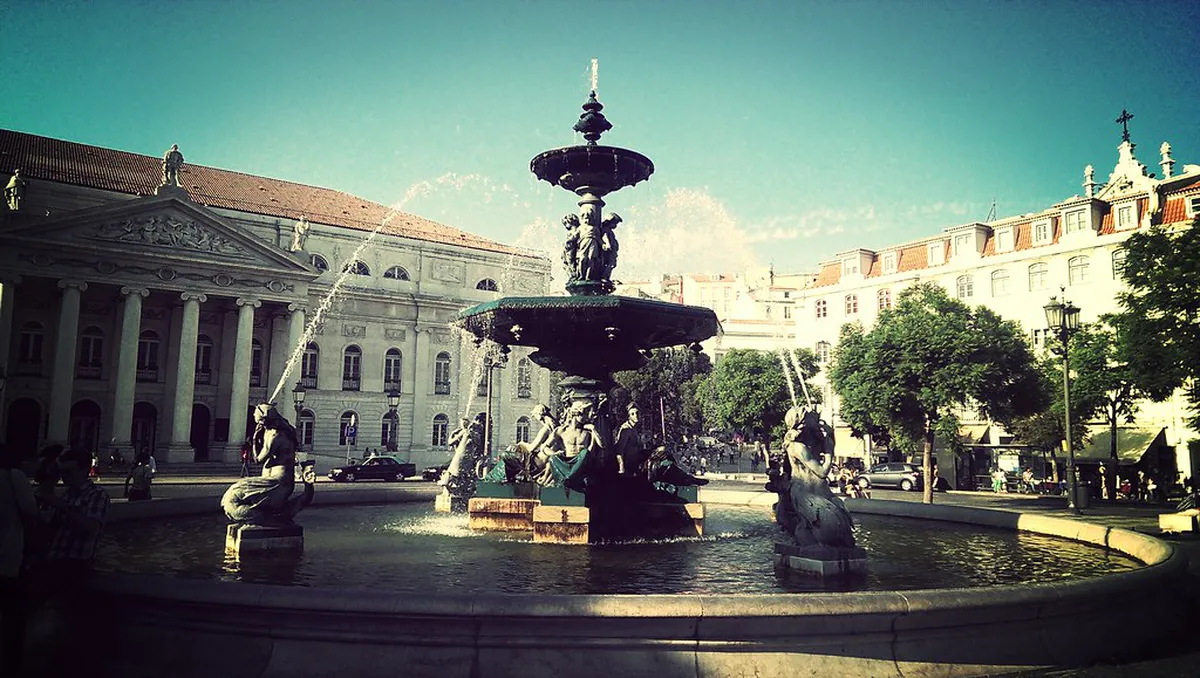
Table of Contents
Praça do Rossio, officially called Praça de Dom Pedro IV, is Lisbon's lively main square. Its vibrant history spans centuries. Understanding Praça do Rossio history offers a glimpse into Lisbon's soul. This guide uncovers its past and present importance. It is a must-see among historic plazas in Lisbon.
This iconic square has witnessed many pivotal moments. From royal celebrations to public executions, its stories are endless. Visiting Rossio in 2026 connects you to centuries of Portuguese heritage. Prepare to be enchanted by its enduring charm.
Ancient Origins and Early Significance
Praça do Rossio's site has been a central gathering point for millennia. Romans established a hippodrome here. Later, it became a market and meeting place. Its strategic location made it vital for commerce and social life.
During the medieval era, it was known as Praça Grande. Fairs and public proclamations regularly occurred. This square served as Lisbon's bustling heart. It connected various parts of the growing city.
By the 13th century, a royal palace stood nearby. The square hosted bullfights and tournaments. These events drew large crowds. Rossio was always a place of vibrant activity.
The Great Earthquake and Rossio's Rebirth
The devastating 1755 Lisbon earthquake severely damaged Rossio. Most surrounding buildings collapsed completely. The square, like much of the city, lay in ruins. This disaster reshaped Lisbon forever.
Marquês de Pombal led the city's ambitious reconstruction. Rossio was redesigned with new, resilient buildings. Its characteristic geometric paving stones were added later. This area became part of Lisbon's Baixa Pombalina district.
The current Neoclassical aesthetic largely dates from this period. Two elegant Baroque fountains adorn the square today. They were installed in the 19th century. These additions enhanced the square's grandeur.
Learn more about Lisbon's incredible resilience by exploring Lisbon earthquake history facts. The rebuilding efforts were truly remarkable.
Rossio's Enduring Cultural and Social Role
Throughout history, Rossio remained central to Lisbon's identity. It has hosted various significant events. Public festivals, political rallies, and even executions took place here. The square often reflected the city's mood.
The Monument to Dom Pedro IV stands proudly in the center. It honors Portugal's first emperor and king. This statue was erected in 1870. It serves as a prominent landmark.
Two national theaters flank the square. The Dona Maria II National Theatre opened in 1846. It stands on the north side. The National Theatre of São Carlos is also nearby. These venues enrich Lisbon's cultural scene.
Modern-Day Praça do Rossio for Visitors
Today, Praça do Rossio remains a bustling hub. It is a popular meeting point for locals and tourists. Cafes with outdoor seating invite visitors to relax. Try a traditional *bica* (espresso) while people-watching.
The square's iconic wave-patterned cobblestones are distinctive. They create a dizzying, beautiful effect. Take a moment to appreciate this unique Portuguese artistry. It makes walking through Rossio an experience.
Rossio is also a transportation nexus. The Rossio train station, with its beautiful Neo-Manueline facade, is here. It connects Lisbon to Sintra. Many buses and trams also pass through this vibrant square.
Consider visiting in spring 2026 for pleasant weather. Avoid peak summer crowds for a more relaxed experience. This historical gem offers both beauty and deep cultural insight.
Frequently Asked Questions
What is the official name of Praça do Rossio?
The official name of Praça do Rossio is Praça de Dom Pedro IV. It honors Dom Pedro IV, who was both the King of Portugal and the first Emperor of Brazil. Many locals still refer to it simply as Rossio, reflecting its deep historical roots.
What significant event happened at Rossio in 1755?
The devastating 1755 Lisbon earthquake profoundly impacted Rossio Square. It caused widespread destruction to the surrounding buildings. The square was then meticulously rebuilt as part of Marquês de Pombal's reconstruction efforts. This event shaped its current architectural style.
Are there any famous landmarks around Rossio Square?
Yes, several famous landmarks surround Praça do Rossio. The Dona Maria II National Theatre is a prominent feature on its north side. The beautiful Rossio train station, connecting to Sintra, is also located here. Two elegant Baroque fountains enhance the square's charm.
Praça do Rossio history showcases Lisbon's enduring spirit. From ancient markets to modern-day gatherings, it has seen it all. Its resilience after the 1755 earthquake is truly inspiring. Plan your visit to this historic heart of Lisbon soon. Experience its unique charm firsthand and feel its stories come alive. Embrace the energy of this magnificent square in 2026.
Key Takeaways
- Rossio has been Lisbon's central square for centuries, dating back to Roman times.
- The 1755 earthquake led to its modern Neoclassical design under Marquês de Pombal.
- It remains a vital cultural and transportation hub, perfect for people-watching and history.
- Visit the Dona Maria II National Theatre and Rossio train station nearby.
Continue exploring Lisbon's historic quarter
 Most Beautiful Plazas in Lisbon: A 2026 Guide to City SquaresDecember 12, 2025
 Explore Lisbon's Historic Plazas: A 2026 GuideDecember 10, 2025
 Lisbon Historic Squares: Must-Visit Plazas in 2026December 10, 2025
- Praça do Rossio History: Lisbon's Historic HeartDecember 10, 2025