
Ribeira History Facts Porto: Uncover its Ancient Past
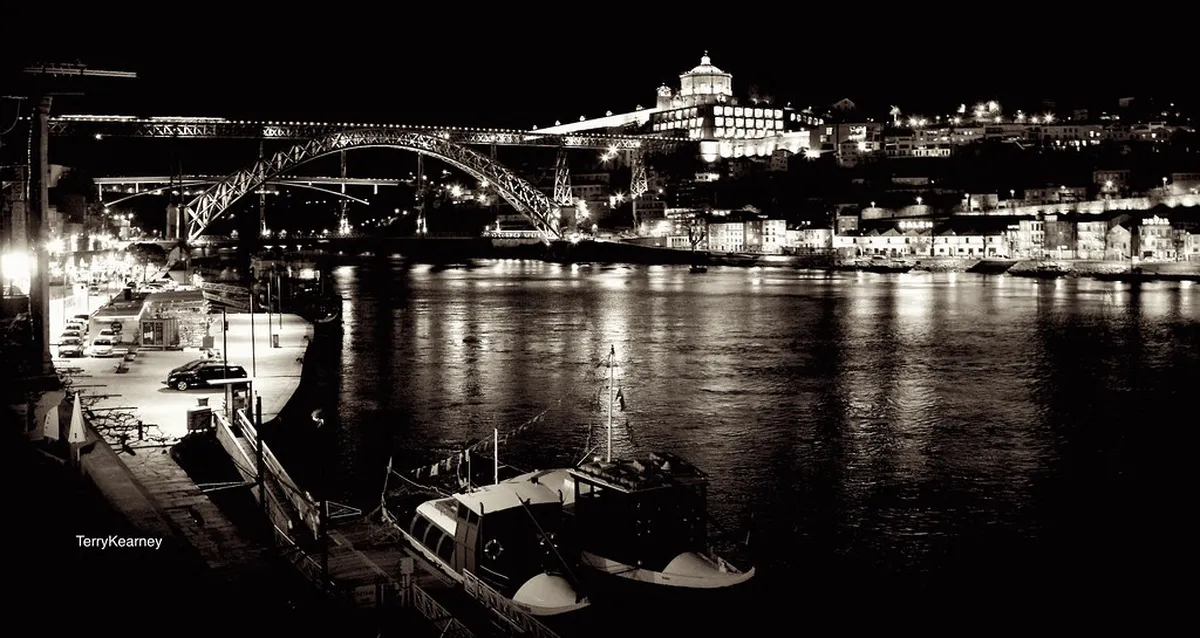
Table of Contents
Porto's Ribeira district holds centuries of captivating history. This vibrant riverfront area is a UNESCO World Heritage site. Learning Ribeira history facts Porto enhances any visit. Prepare to uncover its fascinating past for your 2026 trip. Explore the heart of Porto's heritage.
Ribeira's Ancient Origins and Early Development
The history of Ribeira dates back to Roman times. This strategic river location was crucial. Ancient settlements thrived along the Douro River. Early inhabitants engaged in fishing and trade. This laid the foundation for future prosperity.
During the medieval era, Porto grew rapidly. Ribeira became the city's bustling port. Merchants from across Europe arrived here. Goods flowed in and out, enriching the city. Narrow streets and houses began to emerge.
Defensive walls protected the growing district. These walls guarded against invasions. Traces of ancient structures still exist today. They offer a glimpse into Ribeira's past. The river was always its lifeblood.
Ribeira's Maritime Golden Age and Trade Power
Ribeira truly flourished during Portugal's Age of Discovery. It was a primary hub for maritime trade. Ships departed from here to explore new worlds. Spices, gold, and other riches returned to Porto. The district grew wealthy from these ventures.
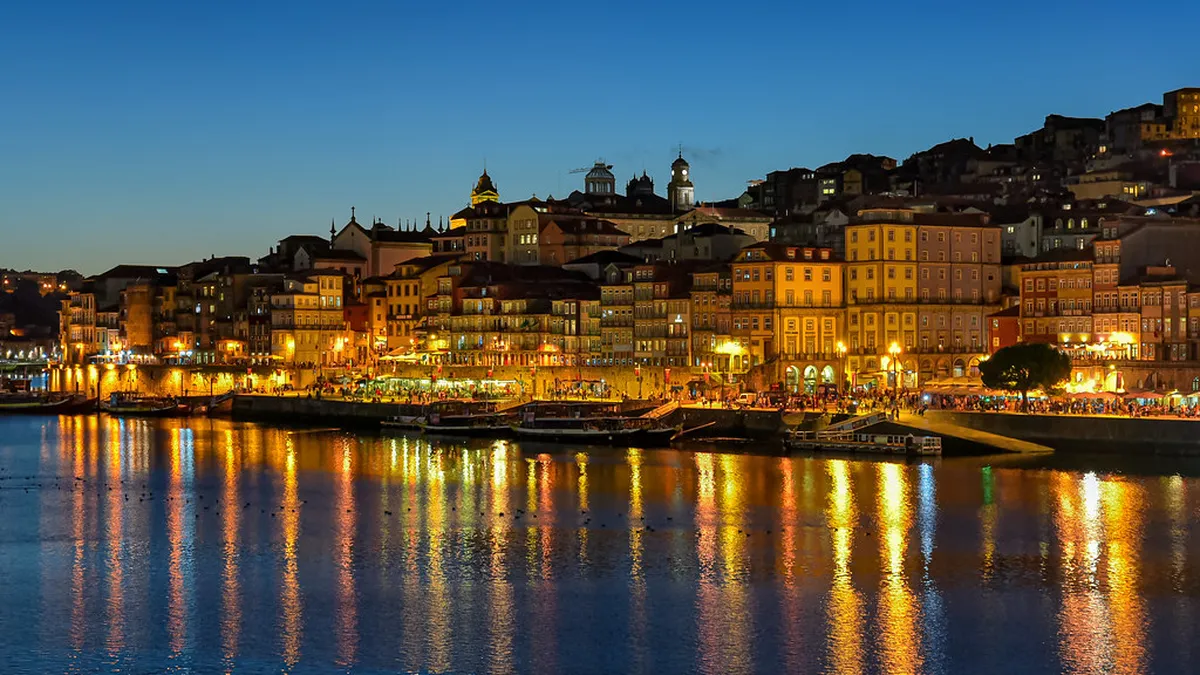
Port wine production heavily influenced Ribeira. Barrels of wine were loaded onto Rabelo boats. These traditional vessels transported wine downriver. The quayside became a constant hive of activity. Its legacy is still visible today.
The Cais da Ribeira bustled with merchants and sailors. This vibrant atmosphere defined the Ribeira district. Guilds and trading houses lined the waterfront. This period cemented Ribeira's importance. It was the commercial heart of Porto.
Architectural Heritage of the Ribeira District
Ribeira's architecture tells a story of its past. Medieval houses stand alongside later additions. Many buildings feature colorful, tiled facades. These tiles are a hallmark of Portuguese design. Exploring the streets reveals diverse styles.
The district's narrow, winding streets are iconic. They reflect its organic medieval growth. Tall, multi-story houses line the riverside. These were once homes for merchants and dockworkers. They offered direct river access for trade.
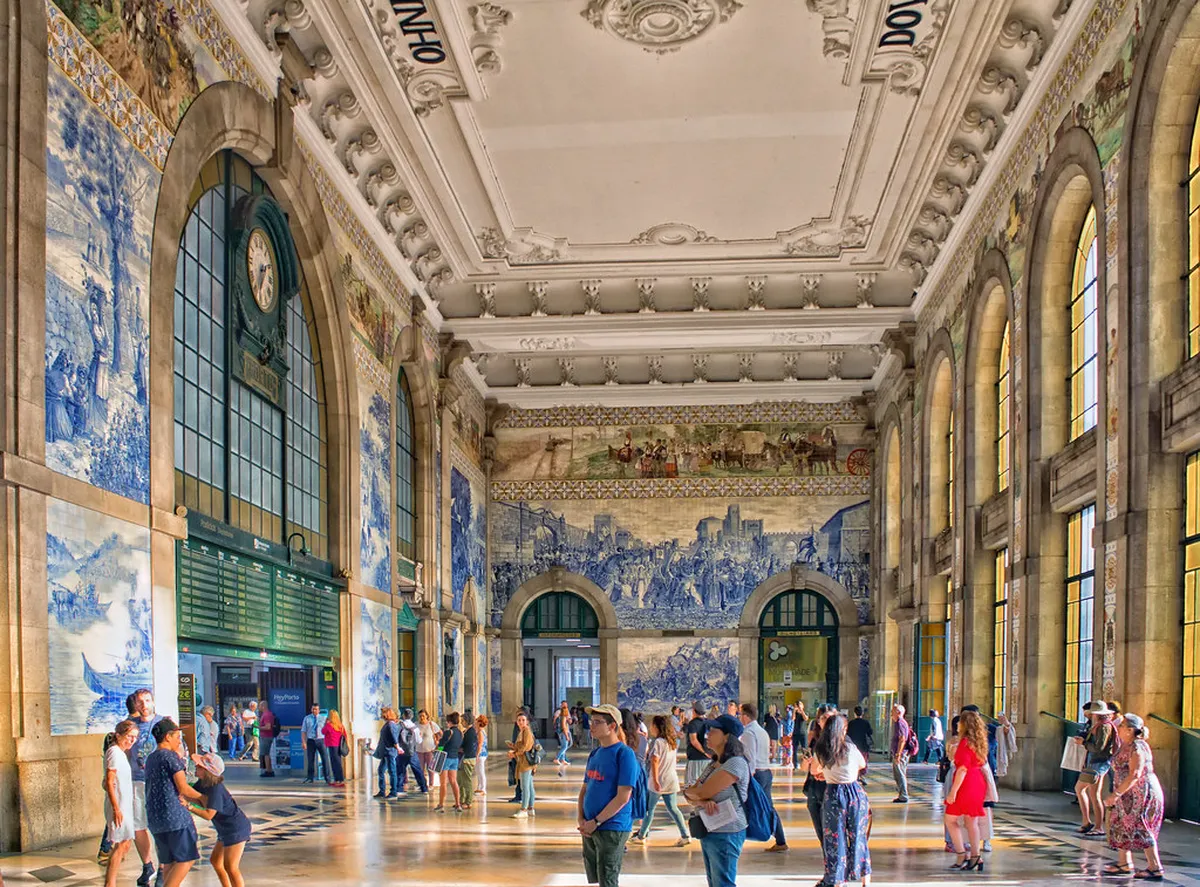
UNESCO recognized Ribeira's unique charm in 1996. It became part of Porto's World Heritage site. Strict preservation efforts protect its character. Visitors in 2026 can admire these historic structures. You can learn more about Porto's diverse São Bento Station and other landmarks like the Sé Cathedral nearby.
Ribeira was officially inscribed as a UNESCO World Heritage site in 1996. Strict preservation rules mean that the colorful tiled facades and medieval street layout are protected — so what you see today closely mirrors what merchants and sailors would have encountered centuries ago.
Daily Life and Culture in Historic Ribeira
Life in historic Ribeira was always vibrant. Fishmongers and artisans filled the streets. The daily market provided fresh produce. Local traditions and customs thrived here. Community bonds were very strong among residents.
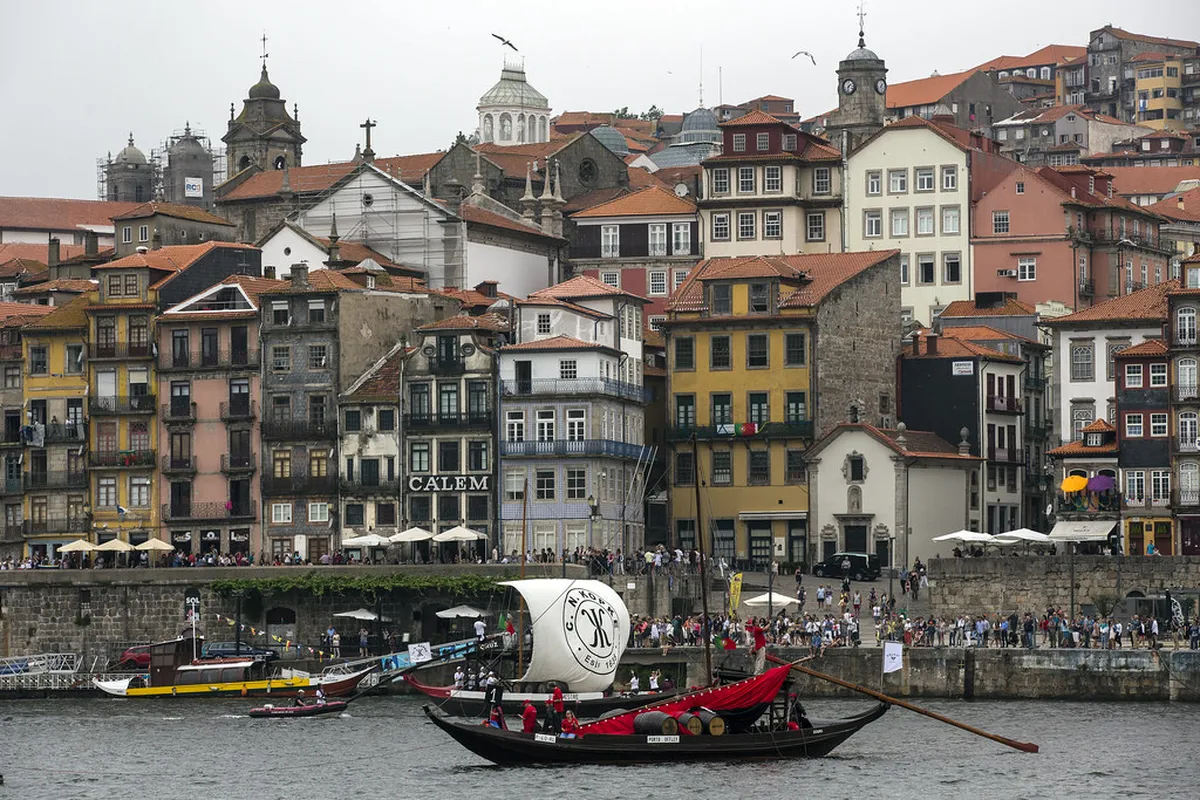
Fishermen continued their ancient trade from Ribeira. Their colorful boats dotted the Douro River. Many families lived and worked in the same buildings. This created a tight-knit community feel. Local eateries served traditional Portuguese dishes.
Even today, Ribeira retains its authentic spirit. You can still find traditional restaurants. Fado music sometimes echoes through the alleys. It offers a glimpse into Porto's soul. Experience the authentic Ribeira district of Porto.
Modern Ribeira: Revitalization and Tourism in 2026
Ribeira underwent significant revitalization in recent decades. The waterfront was cleaned and improved. Historic buildings were carefully restored. This breathed new life into the ancient district. It transformed into a premier tourist destination.
Today, Ribeira attracts millions of visitors annually. Cafes and restaurants now line the Cais da Ribeira. Boat tours depart regularly from the riverfront. Guests can enjoy scenic Douro River cruises. It's a perfect spot for photography.
Planning your 2026 visit to Ribeira is exciting. The district is easily walkable. Expect bustling crowds during peak season. Book accommodations early for the best experience. Explore its rich history and modern charm.
Ribeira attracts millions of visitors annually, and the Cais da Ribeira waterfront becomes extremely crowded during peak summer months. To enjoy the narrow medieval streets at their most atmospheric, aim for early morning visits or the quieter shoulder seasons of spring and autumn.
Frequently Asked Questions
What makes Ribeira in Porto historically significant?
Ribeira's historical significance comes from its role as Porto's ancient port. It was vital for medieval trade and maritime exploration. The district also played a key part in the global port wine trade. Its well-preserved architecture earned it UNESCO status.
What historical landmarks can I see in Ribeira today?
You can see many historical landmarks in Ribeira today. The Cais da Ribeira remains a central feature. Ancient houses with colorful facades line the streets. Remnants of medieval walls are still visible. Explore the area for hidden gems.
How old are the buildings in Porto's Ribeira district?
Many buildings in Ribeira date back several centuries. Some structures have medieval foundations. Others were built during the 17th and 18th centuries. They showcase a blend of architectural styles. These buildings contribute to its historic charm.
The Ribeira district offers a profound journey through time. Its deep history is visible everywhere you look. From Roman roots to global trade, Ribeira shaped Porto. Plan your visit to this UNESCO site in 2026. Experience the living history of Portugal's riverside gem.
Key Takeaways
- Ribeira's history spans from Roman times to modern-day tourism.
- It was Porto's vital port, driving trade and exploration for centuries.
- The district's unique architecture is UNESCO-listed and well-preserved.
Continue exploring Porto's historic quarter
 Ribeira Medieval Quarter Porto Facts & Guide 2026December 11, 2025
 Explore the Rich History of Ribeira District PortoDecember 10, 2025
- Ribeira History Facts Porto: Uncover its Ancient PastDecember 10, 2025
 Fun Activities for Kids in Porto Old Town 2026December 13, 2025
 Top Baixa Budget Restaurants Porto Options 2026December 13, 2025