
Discover Coimbra Ancient Ruins: A Historical Journey
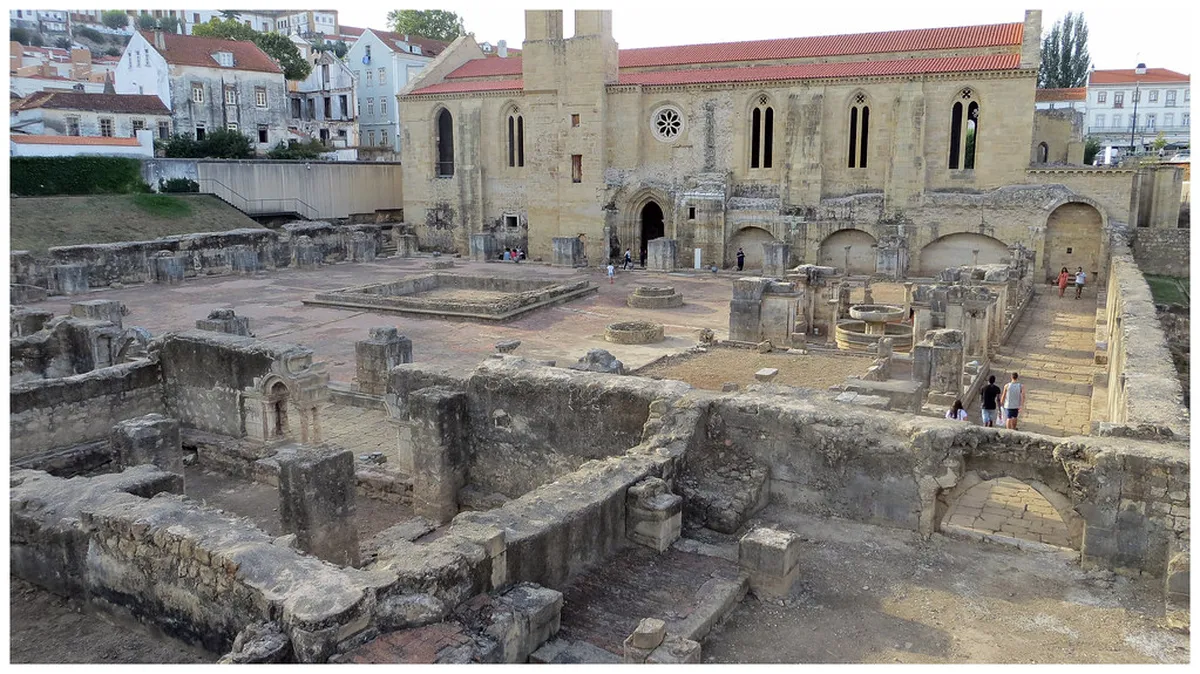
Table of Contents
Coimbra, Portugal, offers a captivating journey through time. Its rich past is visible in countless historical sites. Exploring Coimbra ancient ruins reveals layers of fascinating history. From Roman foundations to medieval strongholds, the city whispers old tales.
Visitors in 2026 will discover remarkable archaeological treasures. This guide will help you navigate Coimbra's enduring legacy. Prepare to step back into Portugal's vibrant past.
Unearthing Roman Coimbra Ancient Ruins: Conimbriga
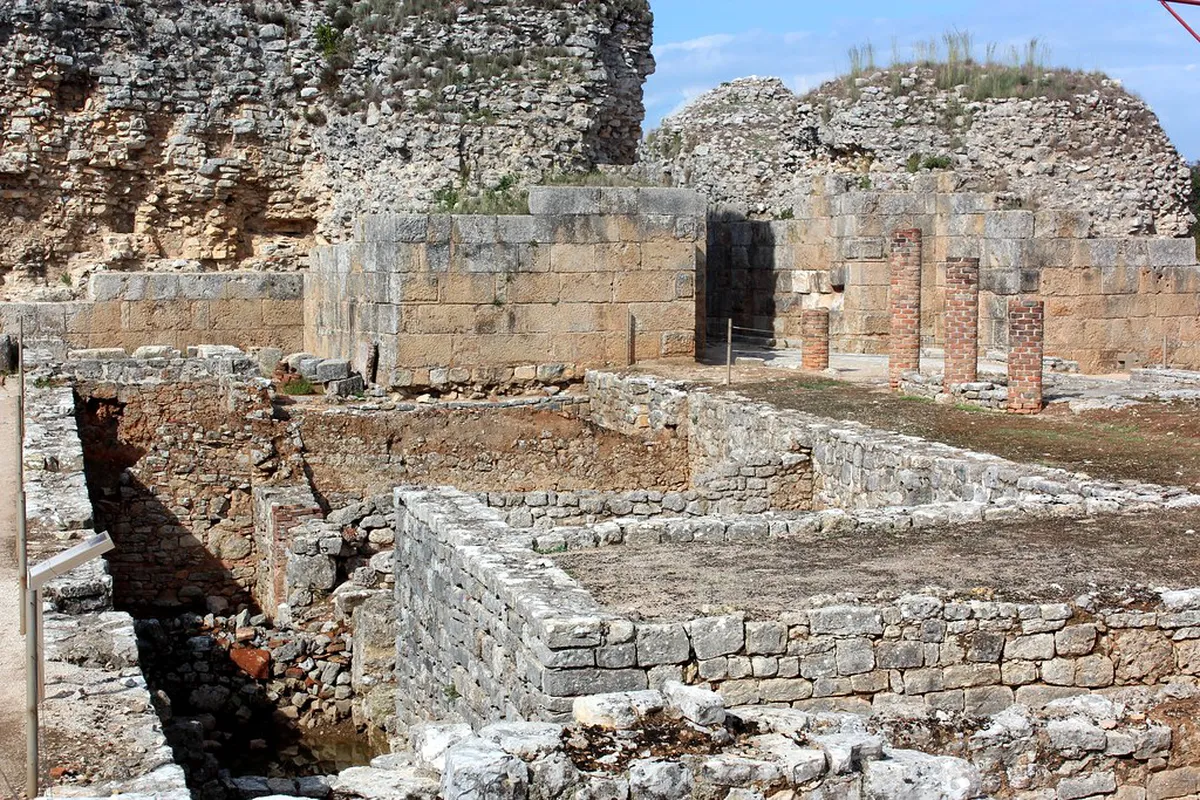
The Roman city of Conimbriga is a must-see. It lies just 16 kilometers from Coimbra itself. This site offers one of Portugal's best Roman ruin experiences. You can explore remarkably preserved homes and public buildings.
Conimbriga features stunning mosaic floors. These intricate designs depict myths and daily life. Wander through ancient bathhouses and elaborate villas. Imagine the bustling life of its former residents.
A dedicated museum enhances your visit further. The Museu Monográfico de Conimbriga displays many artifacts. These include tools, pottery, and sculptures. They provide deeper insights into Roman culture. Allow at least three hours for a thorough exploration.
Visiting Conimbriga in 2026 is easy. Take a bus from Coimbra's central station. Tickets cost around €10-12 for adults. Children and seniors often receive discounts. Check their official website for current hours and pricing.
Medieval Marvels: Coimbra's Enduring Past
Beyond Roman traces, Coimbra boasts a strong medieval heritage. The city served as Portugal's capital for centuries. Many structures from this era still stand proudly. These buildings showcase incredible architectural resilience.
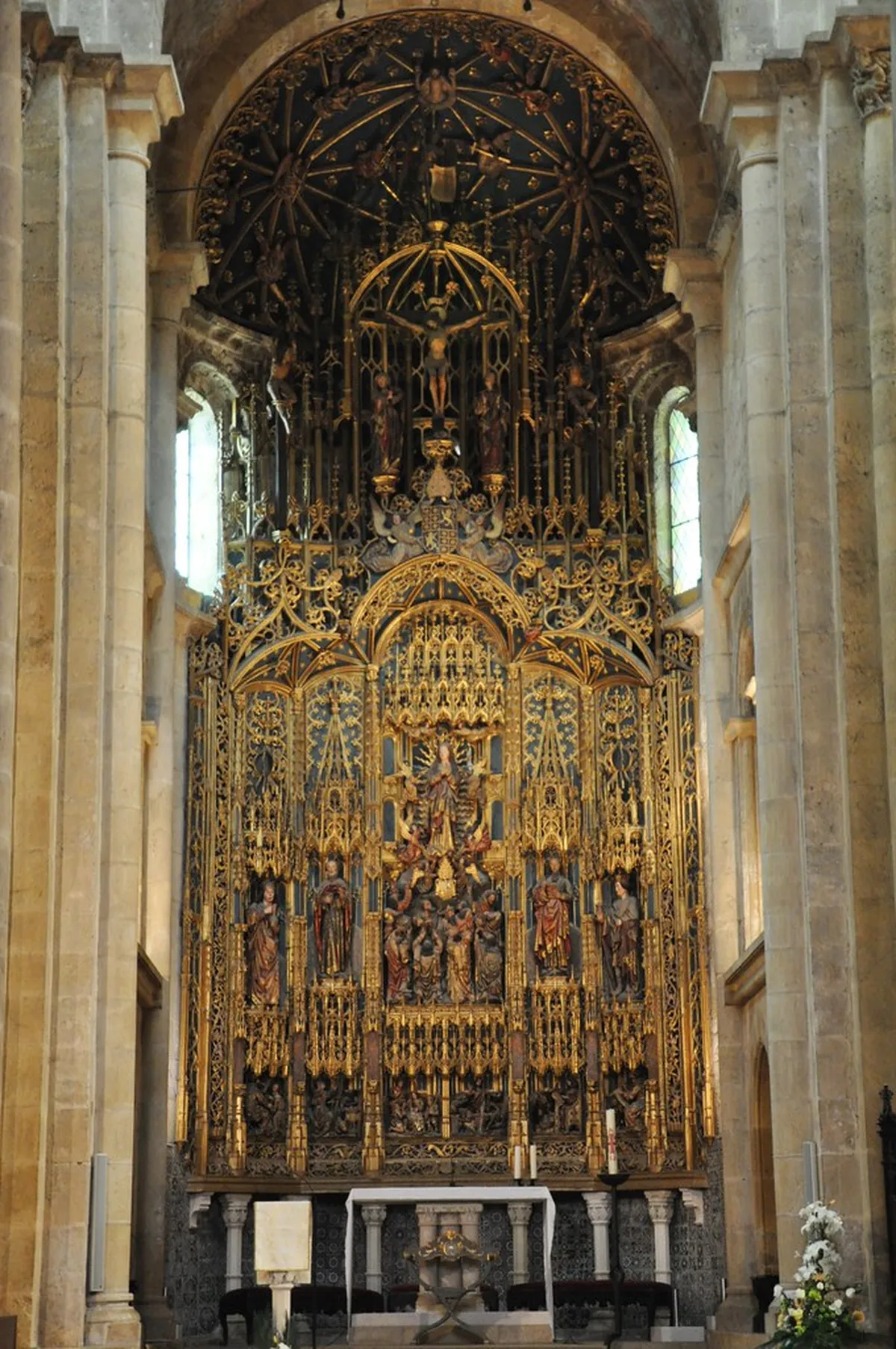
The Sé Velha, or Old Cathedral, is a prime example. This Romanesque fortress-church dates to the 12th century. Its robust stone walls reflect military architecture. Inside, you will find beautiful altarpieces and cloisters. Entry typically costs €2.50 for adults.
The Sé Velha (Old Cathedral) entry is just €2.50 for adults — one of Coimbra's best-value historical sites. Visit on a weekday morning to enjoy the cloisters without the weekend crowds.
Walk through Coimbra's Old Town to feel its medieval pulse. Narrow, winding streets characterize this area. Discover ancient arches and hidden courtyards. Some sections of the original city walls remain. They offer glimpses into Coimbra's fortified past.
Explore the Almedina Arch, once a main city gate. It leads directly into the historic core. Nearby, the medieval streets of Coimbra invite discovery. These paths were trodden by kings, scholars, and everyday citizens. They truly transport you back in time.
Beyond the Main Sites: Hidden Archaeological Gems
Coimbra holds more ancient secrets than just Conimbriga. The city itself features lesser-known archaeological sites. These often hide in plain sight amidst modern life. Uncover these unique pieces of history.

One such gem is the Cryptoporticus of Aeminium. This Roman underground gallery is beneath the University of Coimbra. It once supported the Roman forum. Today, you can explore its cool, vaulted passages. Access is often through the Machado de Castro National Museum. Admission to the Cryptoporticus is included with museum entry, about €5-7.
The Aqueduct of São Sebastião is another impressive relic. This 16th-century structure spans a significant distance. It echoes Roman engineering principles. Though younger than Roman, it connects Coimbra to its ancient past. The aqueduct carried water to the city's highest points. Walk beneath its arches near Jardim da Manga.
Seek out subtle historical markers throughout the city. Many plazas contain unearthed foundations or ancient fragments. These small discoveries add to Coimbra's ancient tapestry. Keep an eye out for informative plaques. They often reveal unexpected historical details.
Planning Your Visit to Coimbra's Historical Sites
Optimal planning ensures a rewarding trip in 2026. Coimbra offers various ways to experience its ancient ruins. Consider the time of year for your visit. Spring and fall provide pleasant weather. Summers can be hot and crowded, while winters are mild.
Guided tours offer enriched experiences. Local experts provide valuable context and stories. Many walking tours focus specifically on historical sites. They can bring the ruins to life. Look for tours specializing in Roman or medieval history.
Essential Tips for Visitors:
- Wear comfortable shoes: Coimbra's old streets are steep and cobbled.
- Stay hydrated: Especially during warmer months, carry water.
- Book ahead: For major attractions and tours, secure tickets online.
- Arrive early: Beat the crowds at popular sites like Conimbriga.
| Site | Era | Adult Entry | Suggested Time |
|---|---|---|---|
| Conimbriga | Roman | €10–12 | 3+ hours |
| Sé Velha (Old Cathedral) | Medieval (12th c.) | €2.50 | 45–60 min |
| Machado de Castro Museum & Cryptoporticus | Roman / Renaissance | €5–7 | 1.5–2 hours |
| Aqueduct of São Sebastião | 16th century | Free | 20–30 min |
| Almedina Arch & City Walls | Medieval | Free | 15–20 min |
Transportation around Coimbra is straightforward. Buses connect major points within the city. Walking is often the best way to explore the historic center. Consider visiting Coimbra's archaeological sites on foot. Many are close to each other.
Preserving Coimbra's Ancient Heritage
Coimbra actively works to preserve its historical treasures. Continuous archaeological efforts reveal new insights. These projects ensure future generations can experience its past. Responsible tourism plays a vital role in preservation.
UNESCO recognition highlights Coimbra's global importance. The University of Coimbra is a World Heritage site. This designation helps protect its ancient structures. It also supports ongoing conservation initiatives.
Visitors are encouraged to respect all sites. Follow signage and guidelines provided. Support local museums and cultural centers. Your visit helps fund vital preservation work. Coimbra's ancient ruins are a shared global heritage.
Conimbriga's mosaic floors are fragile and partially unprotected from the elements. Stay on marked paths at all times — stepping off designated walkways risks irreversible damage to these 2,000-year-old Roman artworks.
Frequently Asked Questions
What are the most famous Roman ruins near Coimbra?
The most famous Roman ruins near Coimbra are at Conimbriga. This ancient city boasts impressive mosaics. You will also find well-preserved houses and public baths here. It offers a comprehensive look at Roman life.
Can you visit Coimbra ancient ruins with children?
Yes, visiting Coimbra ancient ruins with children is enjoyable. Conimbriga is particularly engaging for families. Its open spaces allow children to explore freely. The museum also provides educational exhibits.
How much does it cost to enter Conimbriga in 2026?
Entry to Conimbriga in 2026 typically costs around €10-12 for adults. Children and seniors usually qualify for reduced rates. It is always wise to check the official website. Prices and hours can sometimes change. This ensures you have the latest information.
Are there any medieval fortifications still standing in Coimbra?
Yes, several medieval fortifications remain in Coimbra. Sections of the old city walls are visible. The Almedina Arch is another excellent example. These structures offer a glimpse into Coimbra's past defenses. They tell stories of ancient conflicts and protection.
What should I wear when exploring historical sites in Coimbra?
Wear comfortable walking shoes for Coimbra's historical sites. The city has many steep, cobbled streets. Light clothing is best for warmer months. A hat and sunscreen are also advisable. Bring layers for cooler seasons. This ensures a comfortable exploration.
Coimbra ancient ruins provide an unparalleled historical experience. From grand Roman cities to medieval cathedrals, history truly comes alive here. Plan your 2026 trip to uncover these fascinating layers. Embrace the spirit of discovery in Portugal's historic heart. Your journey through Coimbra's past awaits.
Key Takeaways
- Conimbriga offers outstanding Roman ruins with mosaics and a museum.
- The Sé Velha and Almedina Arch highlight Coimbra's rich medieval past.
- Explore hidden gems like the Roman Cryptoporticus beneath the university.
- Wear comfortable shoes and plan ahead for the best visiting experience.
- Support local preservation efforts by respecting sites and visiting museums.
Continue exploring Coimbra's historic quarter
 Coimbra Historical Ruins Guide: Explore Ancient PortugalDecember 13, 2025
 Visiting Coimbra's Archaeological Sites in 2026December 11, 2025
- Discover Coimbra Ancient Ruins: A Historical JourneyDecember 10, 2025
 Discover Roman Ruins in Coimbra, Portugal TodayDecember 10, 2025
 Aveiro Day Trip from Coimbra: 2026 GuideJune 6, 2026