
Évora University History Guide: Explore Portugal's Past
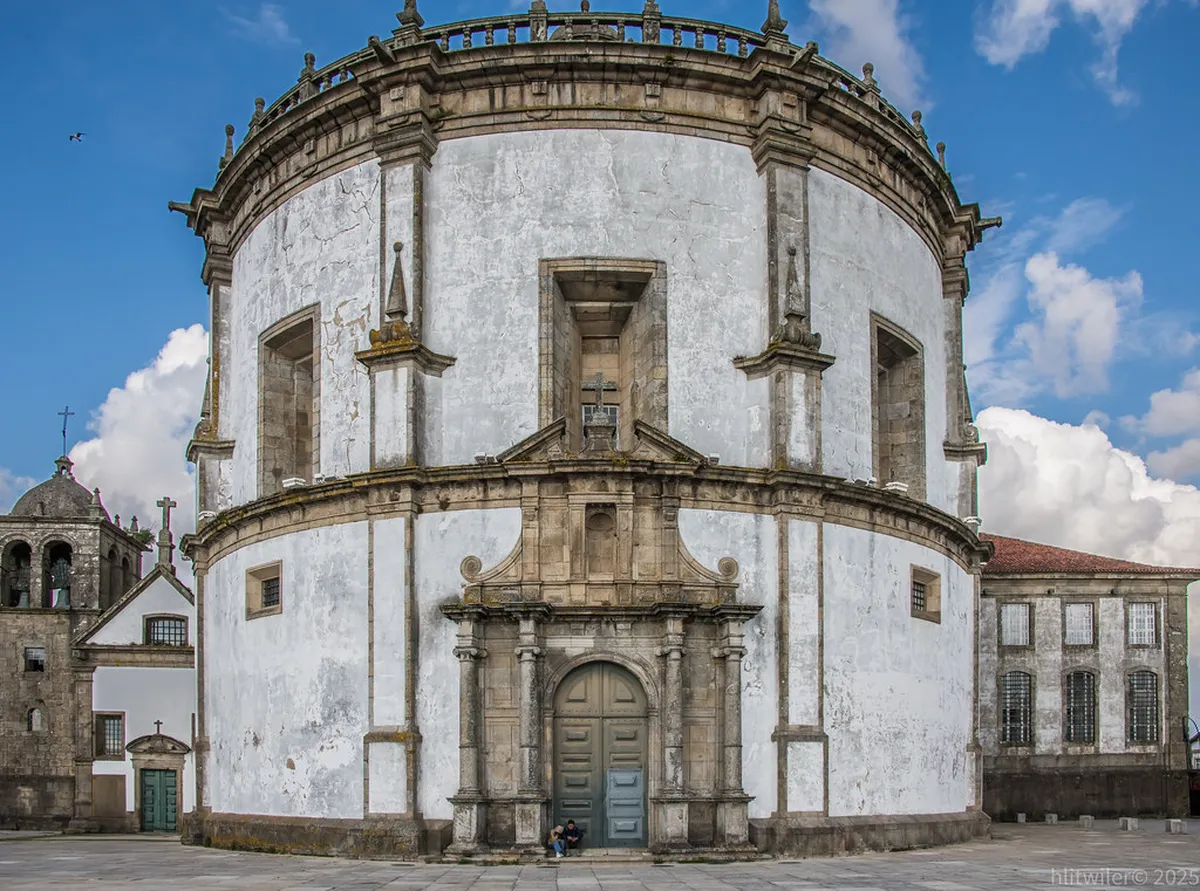
Table of Contents
Évora, a UNESCO World Heritage site, boasts a captivating past. Its historic center draws visitors from around the globe. At its heart lies the prestigious Évora University. This institution holds centuries of fascinating history.
Understanding Évora University's story enriches your visit. You will discover its academic roots and significant transformations. This comprehensive guide covers its ancient origins to its modern role. Prepare to delve into Portugal's educational heritage.
The Ancient Roots of Évora's Learning
Évora's reputation as a center for knowledge dates back centuries. Long before the formal university, learning flourished here. Roman influences brought early schools to the city. These early establishments laid vital groundwork.
During the Visigothic and Moorish periods, education continued. Évora maintained its intellectual vibrancy through various eras. Scholars gathered, exchanging ideas and fostering wisdom. This tradition prepared the city for its future academic prominence.
Local religious orders also played a significant role. Monasteries and convents provided instruction. They preserved ancient texts and taught various subjects. Évora truly cultivated a spirit of intellectual inquiry. Explore Évora's Roman past for more historical context.
Founding Évora University: A Jesuit Legacy
The formal establishment of Évora University began in 1559. Cardinal Infante Dom Henrique, a key figure, initiated its creation. He later became King Henry I of Portugal. His vision transformed Évora's educational landscape.
He entrusted the new institution to the Society of Jesus. The Jesuit order brought renowned scholars to Évora. They designed a curriculum focused on humanities and sciences. This university quickly became a prominent European center of learning.
Early subjects included philosophy, theology, and arts. Students also studied rhetoric, Latin, Greek, and Hebrew. The university's influence spread throughout Portugal. It shaped generations of thinkers and leaders. Discover more about Évora's historic center, where the university still stands.
The Jesuits built impressive architectural structures. These buildings housed classrooms and dormitories. The grandeur reflected the university's importance. Their enduring legacy is still visible today.
Decline, Closure, and Reopening of the University
The golden age of the Jesuit University ended abruptly. In 1759, the Marquis of Pombal expelled the Jesuits from Portugal. He suppressed their institutions, including Évora University. This act marked a period of profound academic loss.
For over two centuries, the university remained closed. Évora experienced a long period without its prestigious institution. The buildings served other purposes. This dormancy deeply impacted the city's intellectual life.
A new chapter began in the 20th century. The university was officially re-established in 1973. This revival brought modern academic disciplines to Évora. It marked a significant milestone for the city and region.
Since its re-establishment, Évora University has grown. It offers a wide range of undergraduate and postgraduate programs. It continues its tradition of excellence. The university is now a vital part of Portugal's education system.
Architectural Marvels of Évora University
The main building of Évora University is a historical treasure. It once housed the Jesuit College of the Holy Spirit. Its impressive Renaissance and Baroque styles captivate visitors. This structure reflects centuries of rich history.
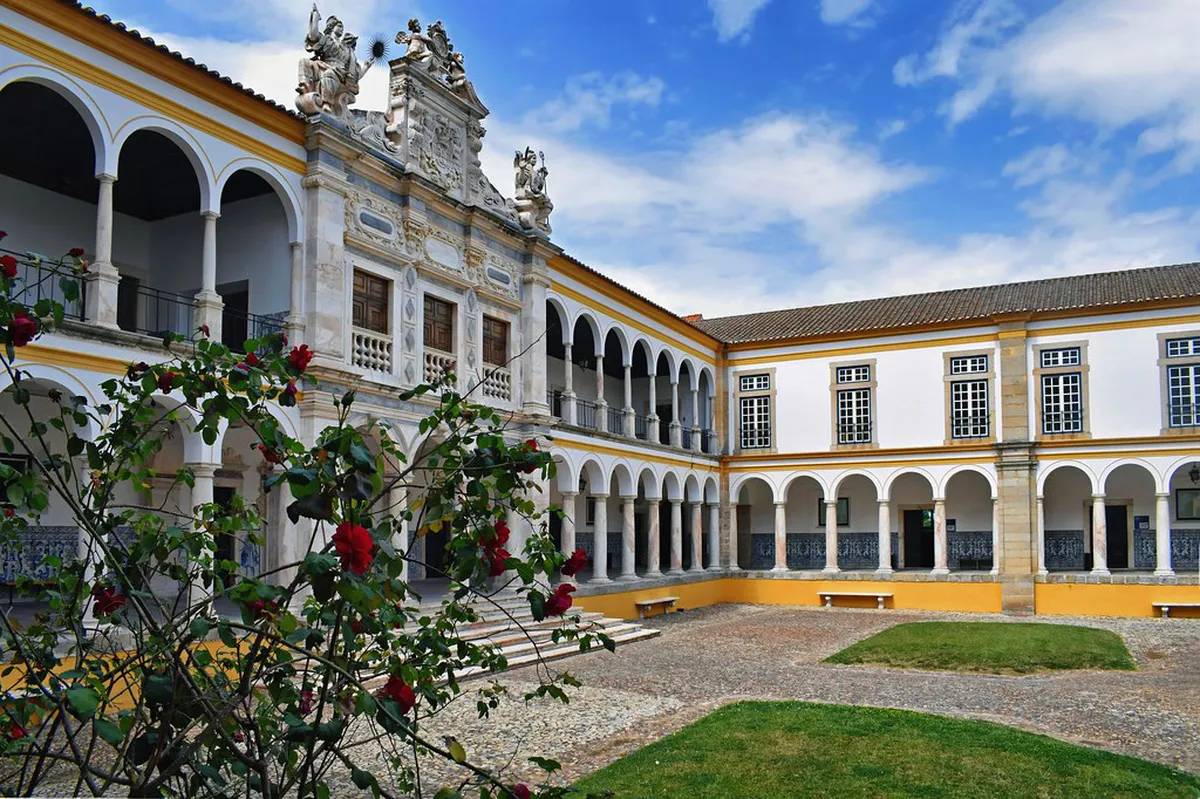
Visitors can admire the stunning cloisters and courtyards. The intricate azulejo tiles tell stories of the university's past. These ceramic panels depict various allegories and historical events. They provide a unique visual narrative.
The famous Sala dos Atos (Hall of Acts) is particularly notable. It features a magnificent ceiling and beautiful decorations. This hall hosts important academic ceremonies. It is a true highlight for any history enthusiast. Learn more about Évora's historic architecture in general.
Another key feature is the university's chapel. Its ornate design showcases religious art from the period. This architectural beauty provides a peaceful atmosphere. It stands as a testament to the Jesuit's artistic vision.
Visiting the University of Évora Today (2026)
The University of Évora welcomes visitors to its historic campus. Exploring its courtyards offers a glimpse into its past. You can walk through ancient halls. Imagine students learning here centuries ago.
The main building is open during working hours. Most areas are accessible to the public. Admission to the historic core is generally free. Guided tours may be available through external providers.
Consider visiting the university's magnificent library. It houses an extensive collection of ancient texts. The library building itself is architecturally significant. Check its specific opening hours for 2026 before your visit. You can find more details about how to visit the Évora University library.
The university is conveniently located within Évora's city center. It is easily reachable by foot from most attractions. Allow ample time to explore the complex. Consider visiting early to avoid larger crowds.
Frequently Asked Questions
Is the University of Évora part of the UNESCO World Heritage site?
Yes, the University of Évora is an integral part of Évora's UNESCO classification. Its historic buildings are crucial to the city's heritage. The university contributes significantly to Évora's cultural value. This recognition highlights its historical importance.
What subjects were taught at the historic Jesuit Évora University?
The original Jesuit Évora University offered diverse subjects. Students studied theology, philosophy, and humanities. Rhetoric, Latin, Greek, and Hebrew were also part of the curriculum. Sciences and arts were also prominent fields of study.
Can tourists freely explore the Évora University campus?
Tourists can explore many parts of Évora University's historic campus. The main courtyards and public areas are usually accessible. Specific interior rooms or offices may require special permission. It is best to check for any restricted areas before visiting.
How much does it cost to enter the Évora University's historical buildings?
Access to the main historic campus buildings of Évora University is generally free. Some special exhibitions or specific guided tours might have a fee. We recommend checking the official university website. This ensures you have the most current information for 2026.
Évora University represents a cornerstone of Portuguese history. Its journey from a Jesuit institution to a modern university is remarkable. This esteemed school remains a vibrant center of learning. It significantly contributes to Évora's cultural identity.
Visiting the university offers a unique historical perspective. You will connect with centuries of academic tradition. Make sure to include this historical gem in your Évora itinerary. Experience its timeless beauty and profound legacy firsthand.
Key Takeaways
- Évora University was founded in 1559 by Cardinal Infante Dom Henrique.
- The Jesuit order greatly influenced its early academic and architectural development.
- The university was closed for over 200 years, reopening in 1973.
- Its historic buildings feature stunning Renaissance and Baroque architecture, including azulejo tiles.
- Visitors can explore the campus and learn about its rich history for free in 2026.
Continue exploring Evora's historic quarter
- Évora University History Guide: Explore Portugal's PastDecember 13, 2025
 Évora University Campus Tour: History & BeautyDecember 12, 2025
 Visit Évora University Library: A Historic Guide for 2026December 10, 2025
 Top Accessible Hotels in Évora Center for 2026December 13, 2025
 Best Boutique Hotels Évora Center for Your 2026 StayDecember 13, 2025