Baixa Reconstruction After Lisbon Earthquake Guide
Table of Contents
Lisbon experienced a catastrophic earthquake in 1755. This event destroyed much of the city center. The Baixa district suffered immense damage. Its subsequent rebuilding, known as the Baixa reconstruction, became a marvel of urban planning.
It showcases remarkable resilience and foresight. This grand project transformed Lisbon forever. This guide explores the incredible story of Lisbon's rebirth. You can learn more about the Lisbon earthquake history here.
The Devastation and the Call for a New Baixa
A massive earthquake struck Lisbon on November 1, 1755. It devastated the city. A subsequent tsunami and widespread fires caused further destruction. The Baixa district, being low-lying, suffered immensely.
Most of its buildings were completely ruined. Thousands of lives were tragically lost. Lisbon's heart lay in ruins. The ancient city plan was no more.
The November 1, 1755 earthquake was followed by both a tsunami and widespread fires — a triple disaster that destroyed much of the Baixa's low-lying ground. Some foundations in the area still rest on reinforced timber piles driven into the riverine soil during reconstruction; avoid basements during heavy rain seasons.
The scale of the disaster demanded immediate action. A complete overhaul was necessary. The city needed to be rebuilt quickly. This was a monumental task.
Marquês de Pombal's Vision and Leadership
Sebastião José de Carvalho e Melo, the future Marquês de Pombal, led the recovery. He was the Secretary of State for Internal Affairs. Pombal displayed extraordinary leadership. He quickly organized relief efforts.
His pragmatic approach was crucial. He famously asked, "What now? We bury the dead and feed the living." This quote defined his determination. He ensured order amid chaos.
Pombal envisioned a completely new city. It would be modern, organized, and resilient. This bold plan was radical for its era. He wanted a city that could withstand future disasters.
He oversaw every aspect of the project. Despite opposition, his will prevailed. His vision shaped Lisbon's future. The Marquês de Pombal left an indelible mark.
The Revolutionary Pombaline Style of Architecture
The Baixa reconstruction introduced the innovative "Pombaline style." It featured uniform, classical facades. These buildings had standardized heights and designs. They created a harmonious urban landscape.
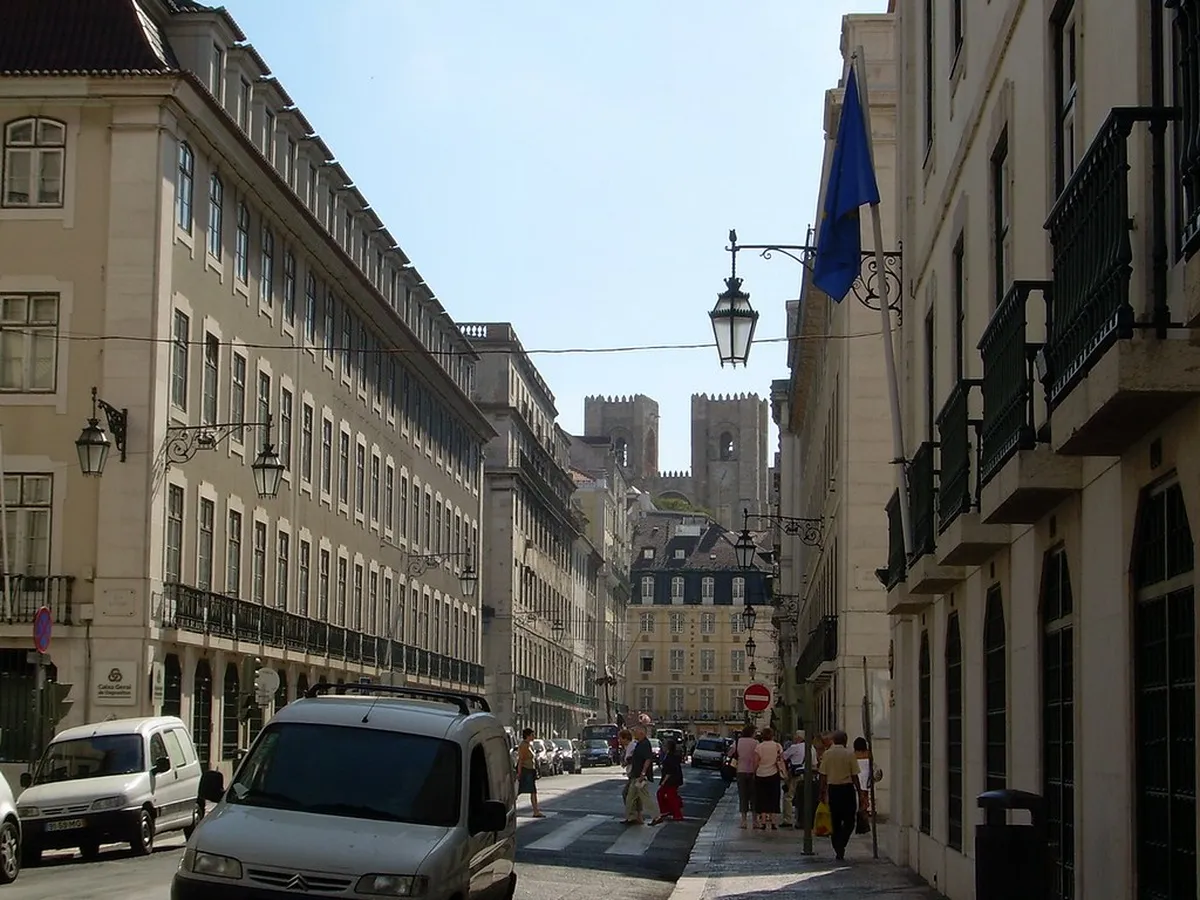
This style incorporated advanced earthquake-resistant techniques. Buildings used a flexible timber frame known as the "gaiola pombalina." This wooden cage structure absorbed seismic shocks. It made buildings much safer.
A strict grid street plan replaced the old medieval labyrinth. Wide, straight streets facilitated movement. They also created firebreaks. This efficient layout was a triumph of urban planning.
Standardized building modules allowed for rapid construction. Pre-fabricated sections were used. This significantly sped up the rebuilding process. It was an early example of industrial-scale construction methods.
Walking Through Baixa: Key Landmarks Today
Exploring Baixa today offers a unique historical journey. The wide, straight streets invite leisurely strolls. You can truly appreciate the Pombaline genius. The uniformity is striking.
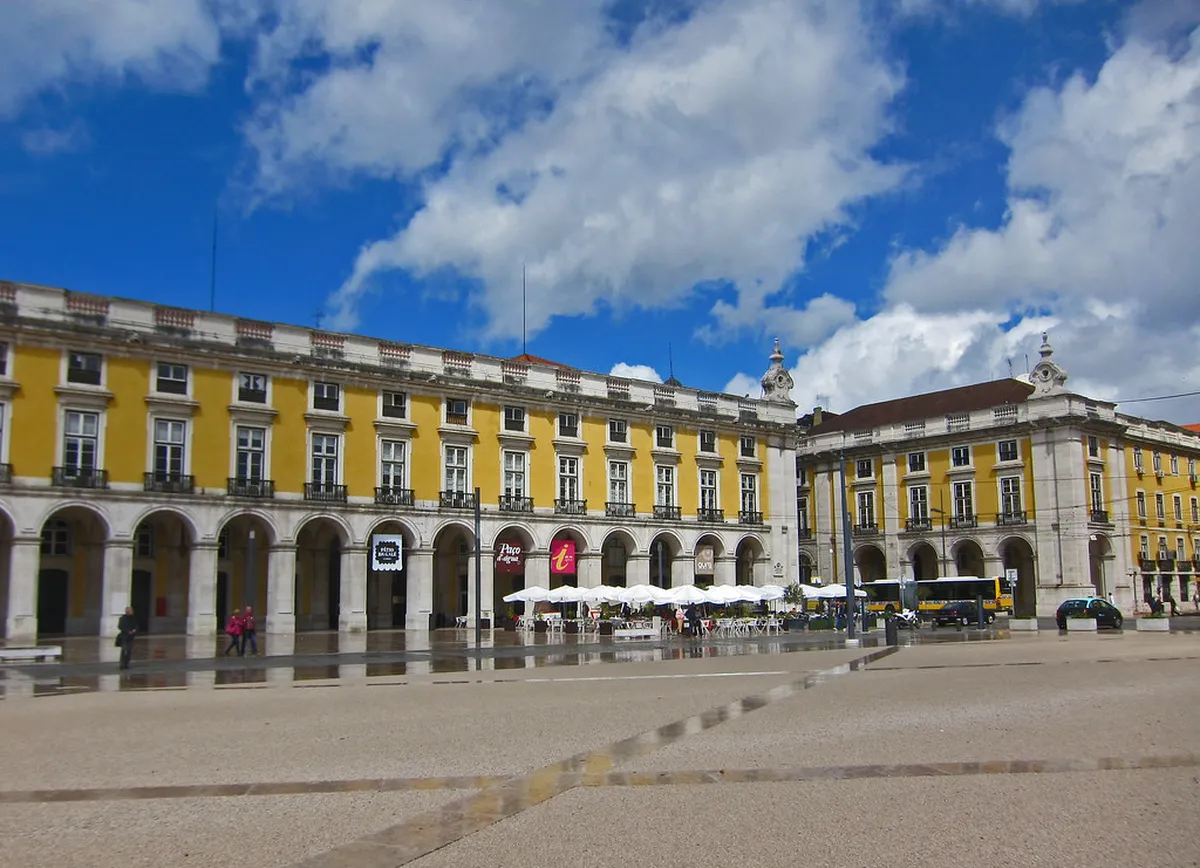
The magnificent Praça do Comércio stands proudly. It overlooks the Tagus River. This grand square was once the entrance to the city. It symbolizes Lisbon's rebirth.
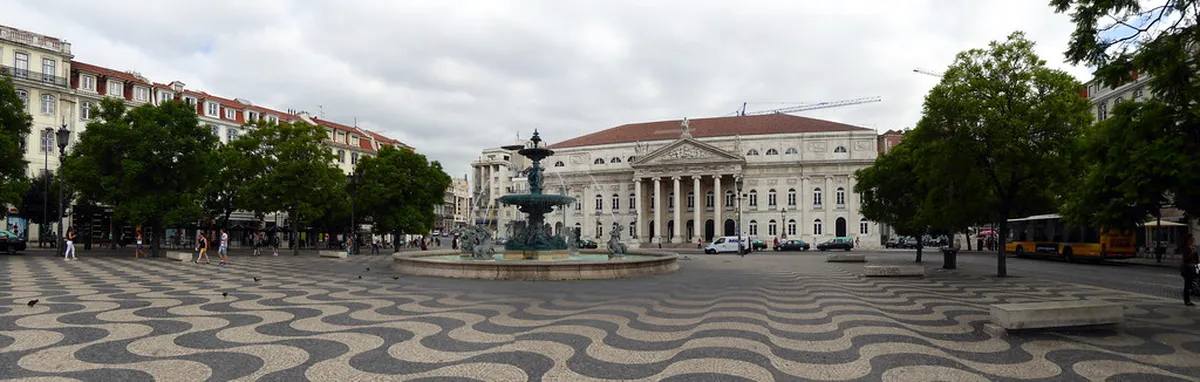
Rossio Square, officially Praça de D. Pedro IV, remains a vibrant hub. It is surrounded by impressive Pombaline buildings. Cafes and shops line its edges. This square is perfect for people-watching.
Consider riding the Santa Justa Lift for stunning views. From the top, you can fully grasp the Baixa's grid pattern. It provides an incredible perspective on the city's meticulous planning. Explore these Baixa historic sights on your visit in 2026.
The Santa Justa Lift is most spectacular early in the morning before crowds arrive. Riding it gives you the clearest aerial view of Baixa's famous grid street plan — the hallmark of Pombal's revolutionary urban design.
Many shops and restaurants now fill the historic ground floors. Visitors enjoy traditional Portuguese meals. You can find beautiful souvenirs. Walking is the best way to experience this district.
Legacy of the Baixa Reconstruction
The Baixa reconstruction created a lasting legacy. It is a testament to human ingenuity. The district remains a vibrant commercial and cultural center. Its design influenced urban planning worldwide.
| Landmark | Location in Baixa | Significance |
|---|---|---|
| Praça do Comércio | Riverside edge of Baixa | Grand square at the city's historic entrance; overlooks the Tagus River |
| Rossio Square (Praça de D. Pedro IV) | Northern end of Baixa | Vibrant social hub surrounded by Pombaline buildings; cafes and shops |
| Santa Justa Lift | Rua de Santa Justa | Offers elevated views revealing Baixa's full grid street plan |
| Pombaline Street Grid | Entire Baixa district | Wide, straight streets designed as both firebreaks and traffic corridors |
| Gaiola Pombalina Buildings | Throughout Baixa | Timber-frame earthquake-resistant structures; first use at city scale |
Lisbon rose from its ashes as a more resilient city. The uniform architecture tells a powerful story. It speaks of a collective effort to overcome tragedy. This historical achievement is still visible today.
Visitors in 2026 continue to marvel at this feat. The blend of history and modern life is captivating. The Baixa stands as a symbol of hope. It represents enduring Portuguese spirit.
Take time to appreciate the details. Notice the sturdy structures. Reflect on the monumental undertaking. Lisbon's Baixa is more than just buildings; it is a living monument.
Frequently Asked Questions
What makes the Baixa reconstruction after the Lisbon earthquake unique?
The Baixa reconstruction is unique for its innovative urban planning. It featured a revolutionary grid street plan. It also used early earthquake-resistant architecture. This project showcased remarkable foresight.
Standardized pre-fabricated building components were utilized. This approach sped up construction significantly. It set a precedent for future urban development. The entire district was rebuilt efficiently.
Who was Marquês de Pombal and why is he important to Lisbon?
Marquês de Pombal was a powerful statesman in 18th-century Portugal. He led the reconstruction efforts after the 1755 earthquake. His vision created the modern Baixa district.
He is considered one of Portugal's most influential figures. His reforms modernized the country. Pombaline architecture and urban planning bear his name. His legacy profoundly shaped Lisbon.
Can visitors still explore the 1755 Lisbon earthquake's impact?
Yes, visitors can still understand the earthquake's impact. The Baixa district itself is a prime example of its aftermath. Its reconstruction speaks volumes.
Several museums about the Lisbon earthquake offer insights. These institutions provide historical context. They display artifacts and detailed accounts. They help visitors grasp the devastation and recovery.
The Baixa reconstruction after the Lisbon earthquake stands as a testament. It shows human resilience and innovative planning. Exploring this historic district in 2026 offers a unique journey.
You can discover its rich past. Witness the enduring spirit of Lisbon. Plan your visit to witness this remarkable legacy firsthand. It is an unforgettable experience.
Key Takeaways
- The Baixa's grid plan and Pombaline architecture are earthquake-proof innovations.
- Marquês de Pombal masterminded Lisbon's rebirth after the 1755 earthquake.
- Walk through Baixa to experience 18th-century urban planning marvels in 2026.
- Lisbon's reconstruction influenced city planning worldwide.
- Visit Baixa's landmarks like Praça do Comércio and Rossio Square.
Continue exploring Lisbon's historic quarter
 Lisbon Earthquake 1755 Impact: History & LegacyDecember 13, 2025
- Baixa Reconstruction After Lisbon Earthquake GuideDecember 10, 2025
 Lisbon Earthquake History Facts: A Guide to the 1755 EventDecember 10, 2025
 Lisbon Earthquake Museums: Remembering 1755December 10, 2025