Lisbon Earthquake Museums: Remembering 1755
Table of Contents
Lisbon holds a profound history shaped by the devastating 1755 earthquake. This catastrophic event reshaped the city's landscape forever. Learning about this past offers unique insights into Lisbon's resilience. Several museums and sites tell the story of the Lisbon earthquake.
Understanding this historical turning point enhances any visit to Portugal's capital. You can explore the earthquake's impact and the subsequent rebirth. This guide will help you find the best places to learn about this significant event. Discover Lisbon's enduring spirit through its earthquake legacy.
Understanding the Great Lisbon Earthquake of 1755
The 1755 Lisbon earthquake struck on November 1st. It caused widespread destruction across the city. This powerful tremor was followed by a massive tsunami. Fires then engulfed much of what remained.
This triple disaster leveled most of Lisbon's buildings. It profoundly impacted Portugal's economy and society. The earthquake also influenced European Enlightenment thinkers. Its philosophical and scientific discussions continue today. Learn more about the Lisbon earthquake history facts to fully grasp its scale.
Many priceless historical records were lost forever. This event is a critical moment in European history. Lisbon's rebuilding efforts set new standards for urban planning. The city's determination defines its character.
Key Lisbon Earthquake Museums and Memorials
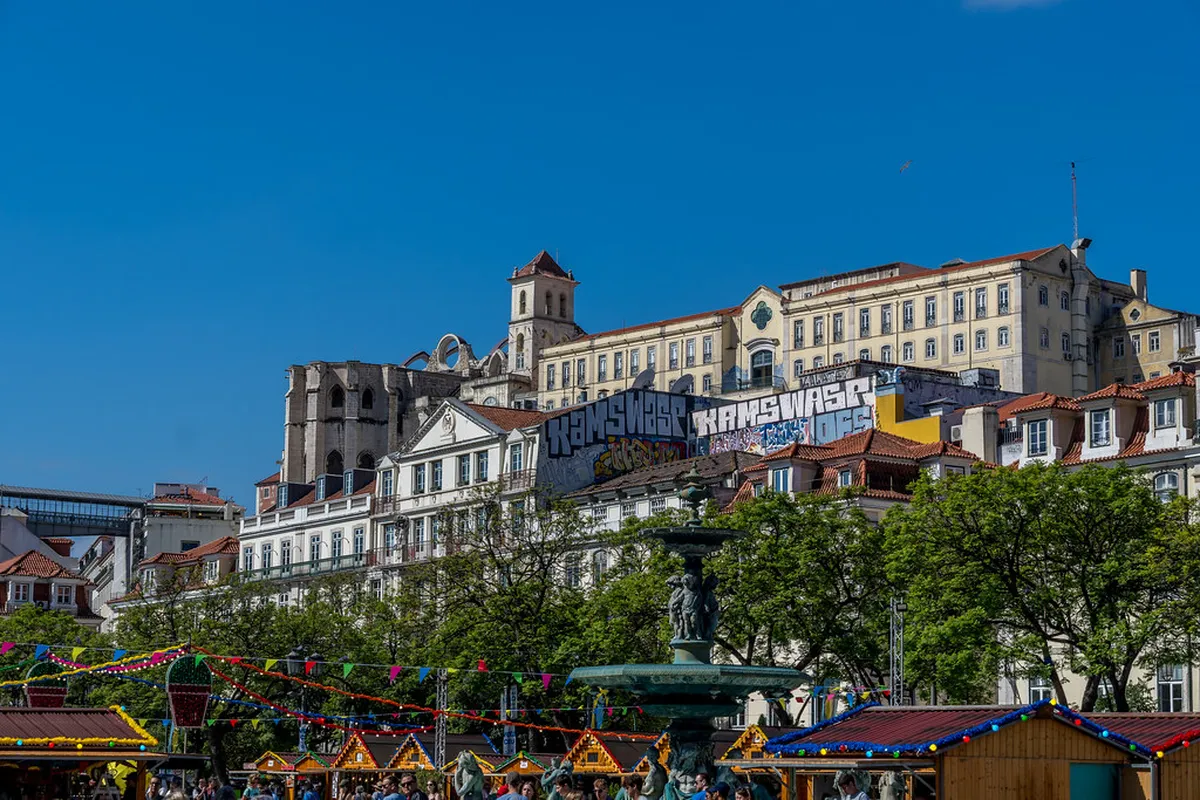
Lisbon offers various sites dedicated to the 1755 earthquake. The most prominent is the Carmo Convent (Convento do Carmo). Its roofless ruins stand as a powerful memorial. This Gothic church was once Lisbon's largest.
Visit the Carmo Archaeological Museum located inside the convent. It displays artifacts from the earthquake. You can see remnants of the collapsed roof. Entrance costs around €5 for adults in 2026. It opens from 10 AM to 6 PM most days.
Another vital place is the Museu da Cidade (City Museum). It often features exhibits on Lisbon's urban development. Look for sections detailing the city's reconstruction. This museum provides broader historical context. It helps visitors understand the post-earthquake planning. Check their official website for current exhibition details.
Exploring the Baixa Pombalina Reconstruction
The Baixa district is Lisbon's downtown area. It was completely rebuilt after the earthquake. Sebastião José de Carvalho e Melo, the Marquis of Pombal, led this effort. His vision created the world's first earthquake-resistant city planning.
Walk through the grid-like streets of Baixa to see this legacy. Notice the uniform, neoclassical buildings. These structures used a flexible wooden frame called the 'Pombaline cage.' This innovative design was ahead of its time. Discover more about Baixa's remarkable reconstruction.
Praça do Comércio (Commerce Square) is a grand example. It was once the site of the Royal Palace. Today, it offers stunning river views. This square symbolizes Lisbon's rebirth. Consider joining a walking tour for deeper insights into the architecture.
Other Sites Reflecting the Earthquake's Legacy
Many churches across Lisbon were damaged or destroyed. Some were rebuilt, others left as ruins. The Igreja de São Roque, for instance, survived the earthquake. It stands as a testament to pre-earthquake architecture. Its interior is incredibly opulent.
The Church of Santo António de Lisboa is another notable site. It was destroyed but then rebuilt in Baroque style. Saint Anthony is Lisbon's patron saint. This church is a popular pilgrimage spot. It shows the city's enduring faith.
Consider a visit to the Lisbon Story Centre in Praça do Comércio. It offers an interactive journey through Lisbon's history. The 1755 earthquake is a significant part of its narrative. Expect an immersive experience. Tickets typically cost around €8 for adults. It provides a great overview for first-time visitors.
Frequently Asked Questions
What caused the 1755 Lisbon earthquake?
The 1755 Lisbon earthquake resulted from a major seismic event. It occurred along the Azores-Gibraltar Transform Fault. This fault line marks the boundary between tectonic plates. The resulting tremors were exceptionally powerful.
Are there any museums specifically for the 1755 earthquake?
While no single museum focuses exclusively on the earthquake, the Carmo Archaeological Museum is crucial. It directly displays ruins and artifacts. The Lisbon Story Centre also dedicates significant sections. Other city museums offer historical context.
How did Lisbon recover after the 1755 earthquake?
Lisbon recovered through a monumental rebuilding effort. The Marquis of Pombal spearheaded this initiative. He implemented innovative urban planning and anti-seismic construction. This led to the creation of the Baixa Pombalina district. Discover the profound impact and recovery process.
Can I visit the Carmo Convent ruins in 2026?
Yes, the Carmo Convent ruins remain open to visitors in 2026. It serves as a striking reminder of the earthquake. The archaeological museum inside is also accessible. Check their official website for updated hours and ticket prices. It is a must-see historical landmark.
Exploring Lisbon's earthquake museums offers a unique historical perspective. The 1755 event profoundly shaped the city's identity. From the solemn Carmo Convent to the resilient Baixa district, its legacy endures. Plan your visit to these sites in 2026. Gain a deeper appreciation for Lisbon's incredible history. These places tell a powerful story of destruction and rebirth.
Key Takeaways
- Prioritize Carmo Convent and its Archaeological Museum for direct earthquake insights.
- Walk through the Baixa Pombalina district to witness post-earthquake urban planning.
- Consider the Lisbon Story Centre for an interactive overview of the city's past.
- Check museum opening hours and ticket prices online before your visit for 2026.
Continue exploring Lisbon's historic quarter
 Lisbon Earthquake 1755 Impact: History & LegacyDecember 13, 2025
 Baixa Reconstruction After Lisbon Earthquake GuideDecember 10, 2025
 Lisbon Earthquake History Facts: A Guide to the 1755 EventDecember 10, 2025
- Lisbon Earthquake Museums: Remembering 1755December 10, 2025