Lisbon Earthquake 1755 Impact: History & Legacy
Table of Contents
The Lisbon earthquake 1755 impact history forever changed Portugal. This monumental disaster reshaped the city's architecture and its people's worldview. It remains one of Europe's most significant historical events. Understanding this seismic event is key to appreciating modern Lisbon.
On November 1, 1755, a massive earthquake struck. It was followed by tsunamis and widespread fires. This tragedy prompted unprecedented reconstruction efforts. The event also sparked new philosophical debates across Europe.
The Devastating Day: November 1, 1755
All Saints' Day in 1755 began with a massive earthquake. It struck around 9:40 AM, lasting up to six minutes. The estimated magnitude was between 8.5 and 9.0. Most of Lisbon's buildings crumbled into ruins instantly.
Three powerful tsunami waves followed the quake. They engulfed the harbor and the Baixa district. Many survivors who fled to the shore were tragically swept away. Huge fires then erupted across the city. They burned uncontrollably for days, consuming what the earthquake spared.
The combination of earthquake, tsunami, and fire was catastrophic. It created a scene of unimaginable destruction. This triple disaster left 85% of Lisbon's buildings destroyed. It severely impacted countless lives across the city. For more details on the event itself, read about Lisbon earthquake history facts.
The 1755 disaster was a triple catastrophe: the earthquake struck first at around 9:40 AM, followed by tsunami waves that engulfed the Baixa and harbor, and then fires that burned for days. Together they destroyed 85% of Lisbon's buildings — each wave of destruction compounded the last.
| Disaster Phase | Timing | Primary Area Affected | Key Impact |
|---|---|---|---|
| Earthquake | ~9:40 AM, Nov 1 1755 | Entire city | Most buildings collapsed; estimated magnitude 8.5–9.0 |
| Tsunami | Shortly after quake | Harbor & Baixa district | Three waves swept the waterfront; survivors near the shore perished |
| Fires | Following hours and days | City-wide | Burned uncontrollably for days, consuming what the quake spared |
| Combined destruction | November 1–4, 1755 | Lisbon overall | 85% of buildings destroyed; 10,000–100,000 estimated deaths |
Lisbon Earthquake 1755 Impact: Urban Transformation
The 1755 earthquake presented an immense challenge. It also offered a unique opportunity for urban planning. Sebastião José de Carvalho e Melo, the Marquis of Pombal, led the reconstruction. His vision transformed the devastated city.
Pombal implemented groundbreaking urban planning principles. He introduced a grid layout for the Baixa district. Buildings were designed to resist future seismic activity. This included early examples of anti-seismic construction techniques.
The famous 'Pombaline cage' method was developed. Wooden structures were embedded within the walls. This allowed buildings to flex during tremors. The reconstructed Baixa district after the Lisbon earthquake became a marvel of Enlightenment-era planning. It influenced urban development across Europe for decades.
This new Lisbon symbolized resilience and progress. It showed a shift from medieval winding streets. The wide avenues and grand squares defined a new urban identity. This modern approach still defines central Lisbon in 2026.
The Marquis of Pombal's "Pombaline cage" construction technique — wooden frames embedded within walls to absorb seismic flex — was an early form of earthquake-resistant engineering. You can see this design up close in any of the uniform 18th-century buildings lining the Baixa Pombalina grid today.
Societal and Cultural Shifts in Portugal
The earthquake's impact extended beyond physical destruction. It profoundly shook Portugal's society and culture. Religious interpretations of the disaster were debated. Some saw it as divine punishment, while others questioned faith.
Philosophers across Europe reacted to the event. Voltaire's 'Candide' famously addressed the tragedy. It challenged optimistic philosophical views of the time. This catastrophe fueled Enlightenment thought and scientific inquiry.
The event strengthened royal power in Portugal. The Marquis of Pombal consolidated his influence. He implemented sweeping reforms during reconstruction. This marked a turning point in Portuguese governance and society.
The loss of life and cultural heritage was immense. Churches, libraries, and historic archives vanished. Yet, the spirit of recovery became a national trait. Lisbon emerged from the ashes with a new identity.
Experiencing the Legacy Today in Lisbon
Visitors to Lisbon can still feel the earthquake's legacy. The meticulously planned Baixa Pombalina stands as a testament. Its straight streets and uniform buildings are iconic. This district showcases 18th-century urban genius.
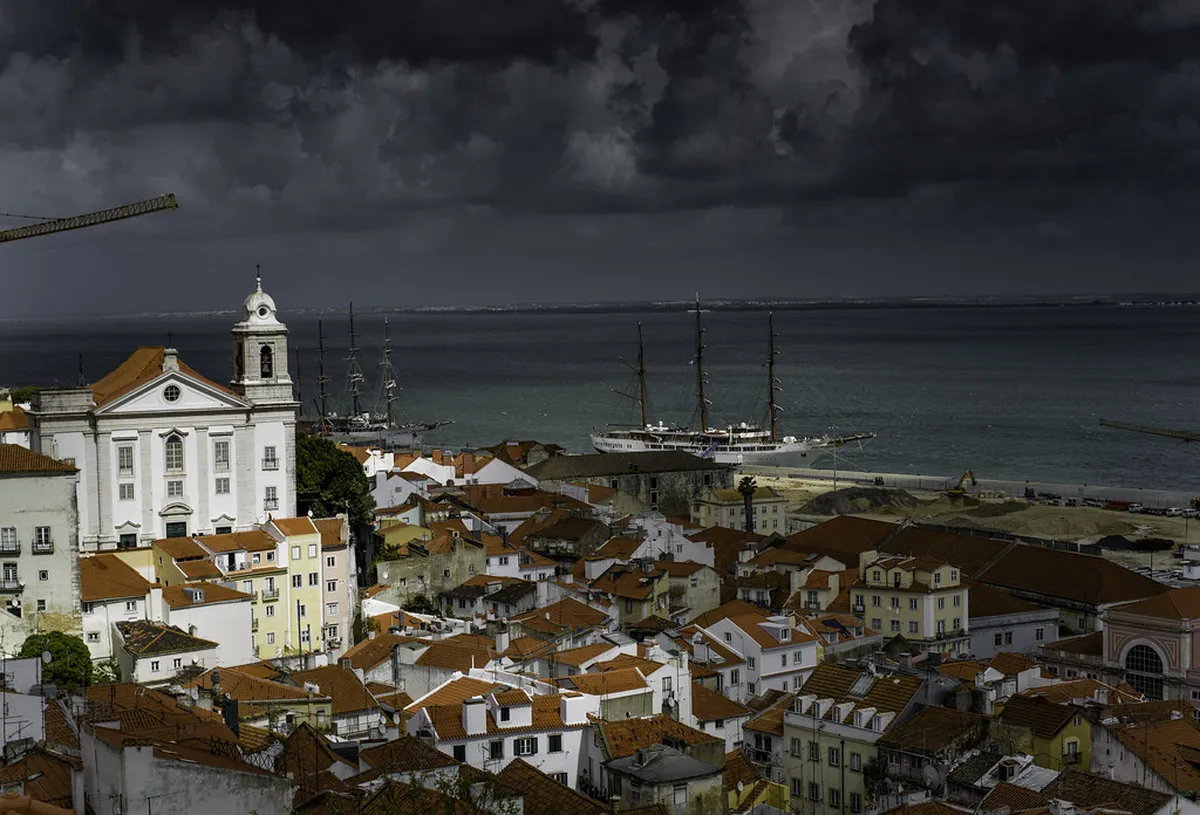
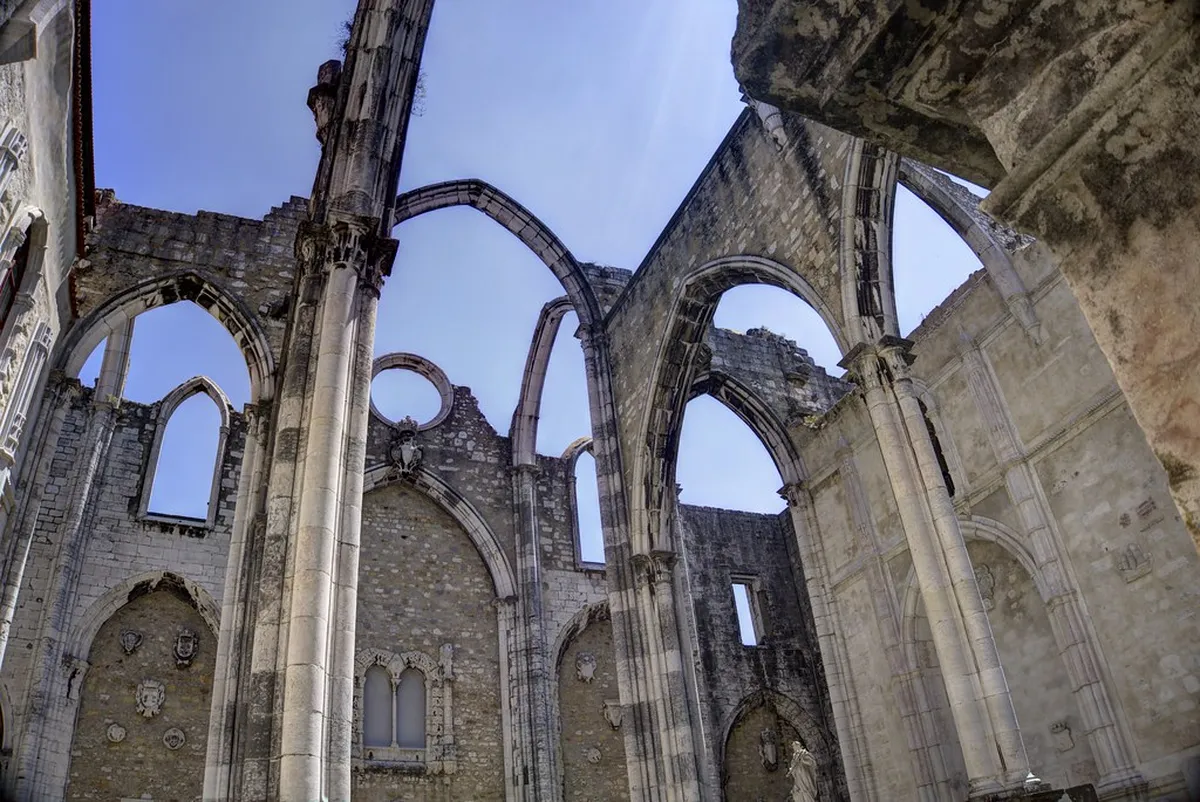
The Carmo Convent ruins offer a dramatic reminder. Its roofless arches tell a powerful story of destruction. This historic site is open to the public. It serves as an open-air museum today.
Several institutions preserve the memory of 1755. You can find detailed exhibits and historical accounts. Learn more about the seismic event at museums about the Lisbon earthquake. These provide a deeper understanding of its profound impact.
Walk through Alfama, the oldest district, to see contrast. Its narrow, winding streets largely survived the quake. This offers a glimpse into pre-1755 Lisbon. The stark difference between Alfama and Baixa is striking.
Frequently Asked Questions
What caused the 1755 Lisbon earthquake?
The 1755 Lisbon earthquake was caused by the North Atlantic fault line. This specific fault lies southwest of Portugal. It marks the boundary between the Eurasian and African tectonic plates. The resulting seismic activity was incredibly powerful.
How many people died in the Lisbon earthquake?
Estimates suggest a devastating number of casualties. Between 10,000 and 100,000 people died in Lisbon alone. The combined effects of the earthquake, tsunami, and fires contributed to this immense loss. It was one of the deadliest earthquakes in European history.
What famous buildings were destroyed in 1755?
Many iconic structures were lost or severely damaged. The Royal Palace of Ribeira, home to the royal library, was destroyed. The historic Lisbon Cathedral also suffered extensive damage. Most of the city's ancient churches and convents crumbled.
Can you still see evidence of the earthquake today?
Yes, significant evidence remains throughout Lisbon. The Baixa district's grid pattern is a direct result. The haunting ruins of the Carmo Convent still stand. Historical exhibits in various museums also detail the catastrophe. These sites offer a powerful connection to 1755.
The Lisbon earthquake 1755 impact history profoundly shaped the city. It was a moment of immense destruction and inspiring rebirth. The resilience shown during its aftermath is truly remarkable. This event continues to influence Lisbon's identity.
Exploring Lisbon offers a unique historical journey. You can witness both the devastation and the triumph of human spirit. Plan your visit to discover the fascinating layers of this incredible city.
Key Takeaways
- The 1755 earthquake led to groundbreaking urban planning in Lisbon.
- The Marquis of Pombal's reconstruction created an earthquake-resistant city.
- Visit the Baixa district and Carmo Convent to experience the earthquake's legacy.
Continue exploring Lisbon's historic quarter
- Lisbon Earthquake 1755 Impact: History & LegacyDecember 13, 2025
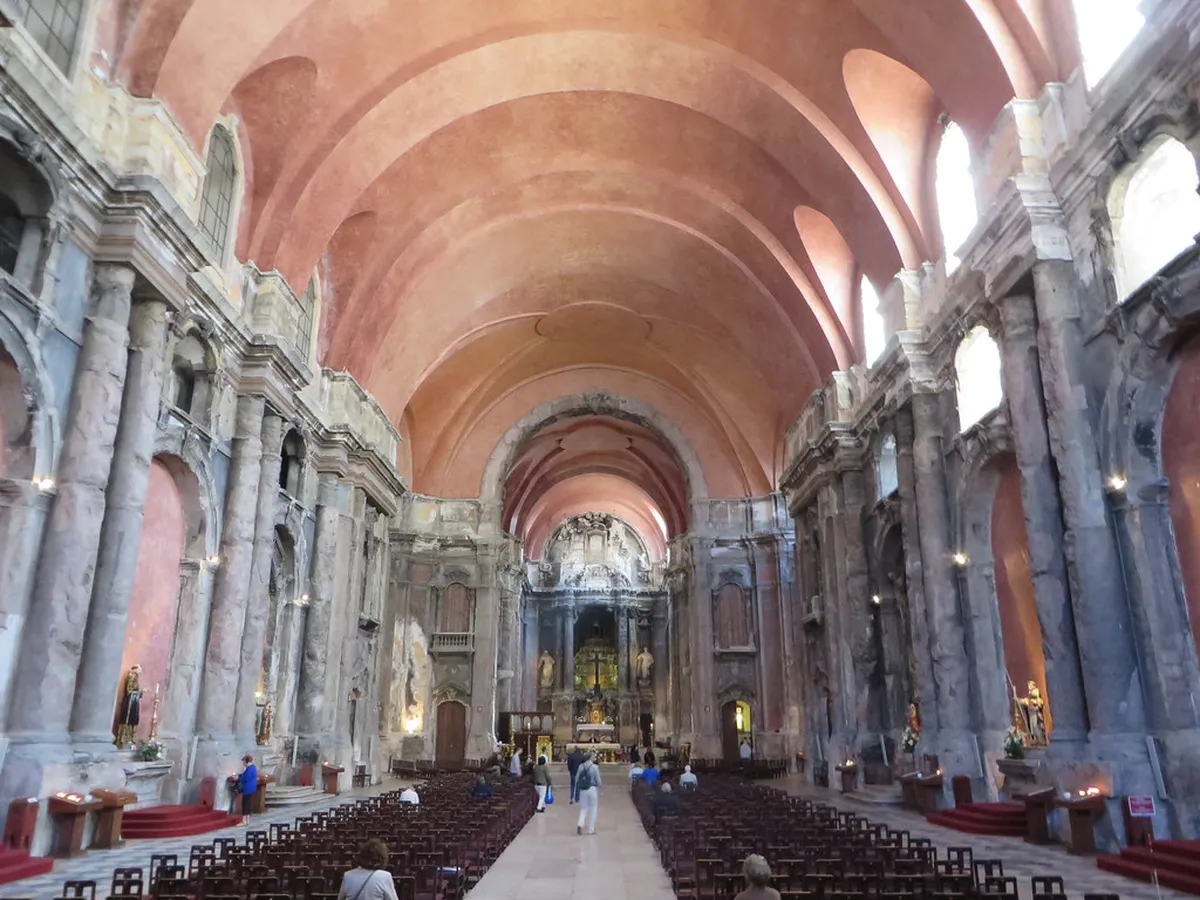 Baixa Reconstruction After Lisbon Earthquake GuideDecember 10, 2025
 Lisbon Earthquake History Facts: A Guide to the 1755 EventDecember 10, 2025
 Lisbon Earthquake Museums: Remembering 1755December 10, 2025