Baroque Art São Roque Church Lisbon: A Guide
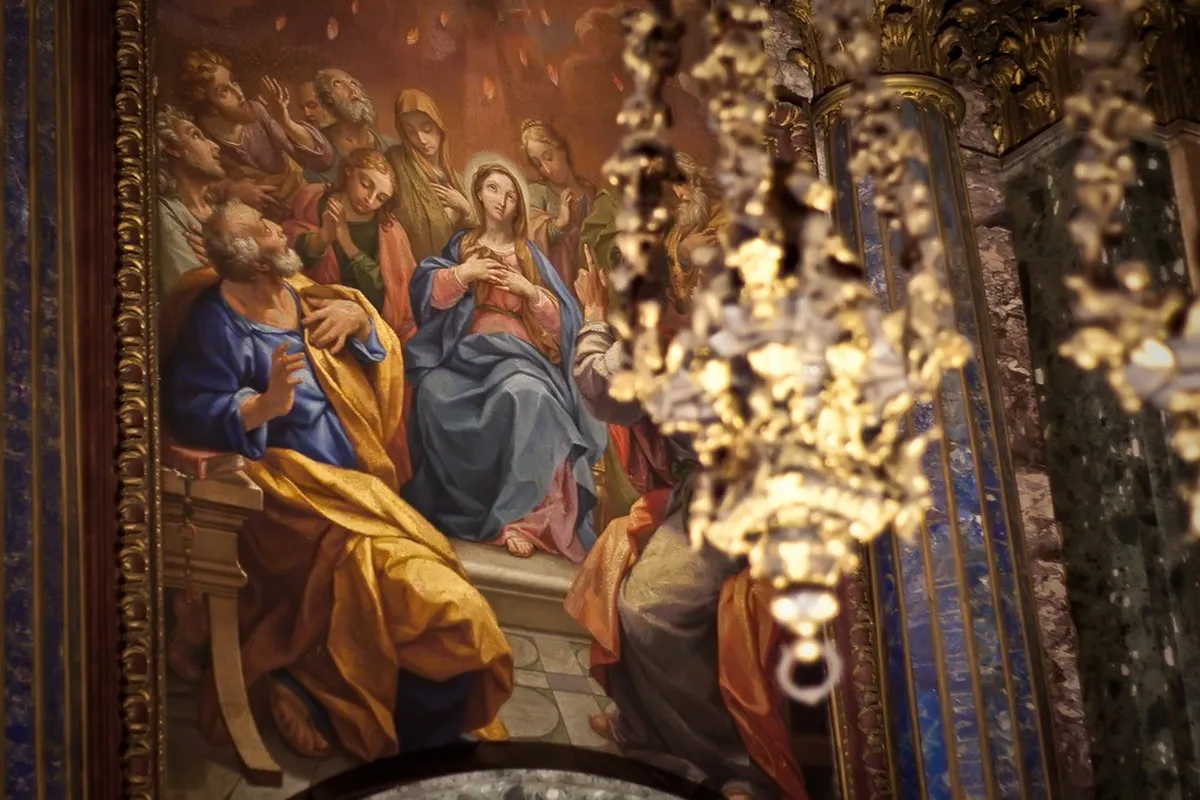
Table of Contents
São Roque Church in Lisbon holds breathtaking treasures. It is home to some of the finest Baroque art in Portugal. This former Jesuit church showcases opulent design. Its intricate details and golden altars captivate every visitor.
You will discover magnificent examples of 17th and 18th-century artistry. The church's rich history intertwines with its spectacular decor. Prepare to be amazed by this cultural gem in 2026. Learn more about São Roque Church Lisbon before your trip.
The Rich History of São Roque Church
São Roque Church has a compelling past. It was one of the first Jesuit churches globally. Built in the late 16th century, it survived the 1755 earthquake. This resilience makes its preserved art even more special.
The church originally served the Society of Jesus. After the Jesuits were expelled, it became a Misericórdia church. This change ensured its continued maintenance and artistic additions. Its foundations remain a testament to Lisbon's history.
Today, it stands proudly in the Bairro Alto district. This location offers easy access for visitors. Its historical significance adds depth to the artistic experience. The church is a cultural landmark for Portugal.
The Chapel of St. John the Baptist
The Chapel of St. John the Baptist is world-renowned. It is considered a masterpiece of European Baroque art. King João V commissioned it from Rome in the 18th century. Artists created it entirely in Italy.
It features incredibly rare and precious materials. Amethyst, lapis lazuli, and alabaster adorn its surfaces. Gold, silver, and mosaics also contribute to its splendor. Every inch showcases meticulous craftsmanship.
The chapel was disassembled and shipped to Lisbon. It was then reassembled within São Roque Church. This complex process highlights its immense value. Visiting this chapel is a truly unforgettable experience.
Other Baroque Treasures Inside São Roque
Beyond the St. John the Baptist chapel, more awaits. Several other chapels boast stunning Baroque designs. Each one features unique altarpieces and carvings. They tell stories of saints and religious devotion.
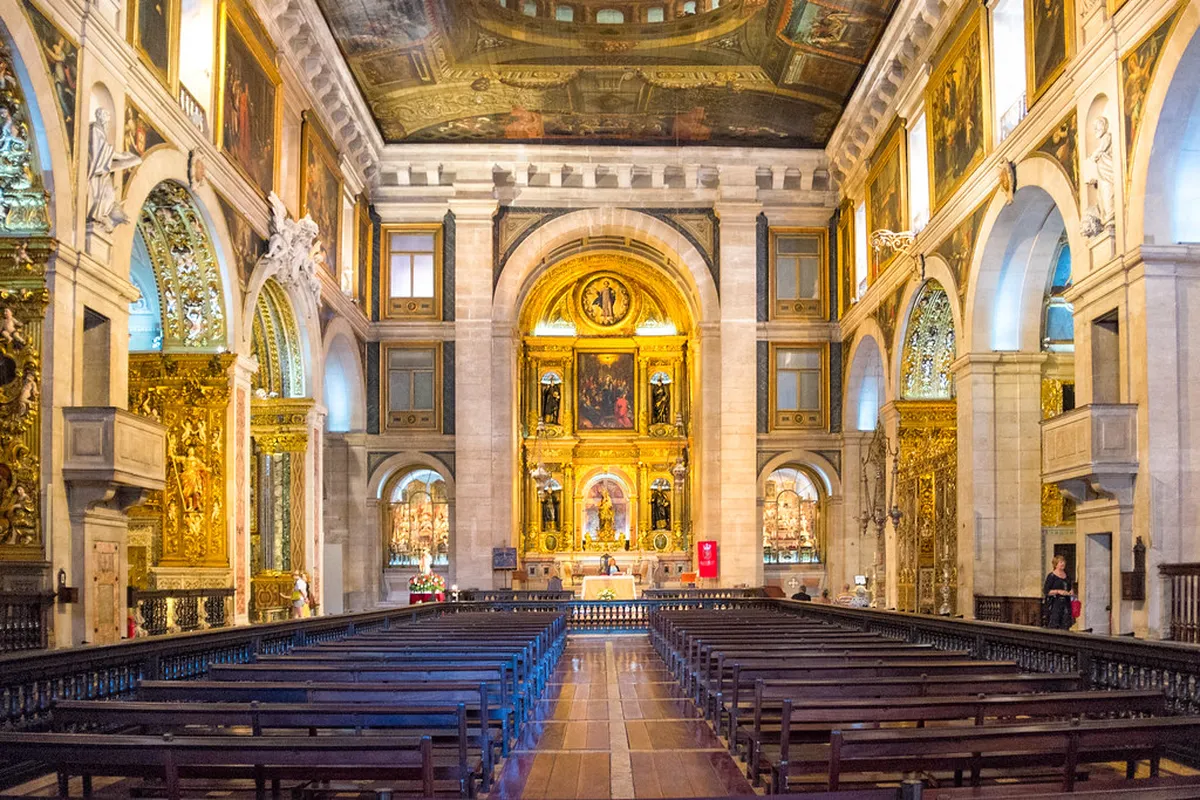
The Chapel of Our Lady of Piety is another highlight. It features impressive gilded woodwork. Detailed sculptures and paintings fill its space. The sheer amount of gold leaf is astonishing.
Look for exquisite paintings and sculptures throughout the church. The ceiling features painted illusions, adding grandeur. Take time to absorb the intricate details everywhere. These elements define the Baroque art São Roque Church offers.
Understanding Portuguese Baroque Style
Portuguese Baroque style emerged distinctively. It often incorporated elements from local traditions. You will notice a strong emphasis on gilded wood carving (talha dourada). This technique creates dynamic, sculptural forms.
São Roque Church exemplifies this ornate style. The dramatic flair and rich decoration are typical. It uses light and shadow to create theatrical effects. This approach aims to inspire awe and devotion.
The church's art reflects Portugal's global reach. It drew influences from different cultures. This unique blend makes Portuguese Baroque fascinating. It’s a testament to the nation's artistic heritage in 2026.
Visiting São Roque Church in 2026
Planning your visit to São Roque Church is simple. It is located at Largo Trindade Coelho in Lisbon. You can easily reach it by public transport. Tram 28 stops nearby, offering a scenic ride.
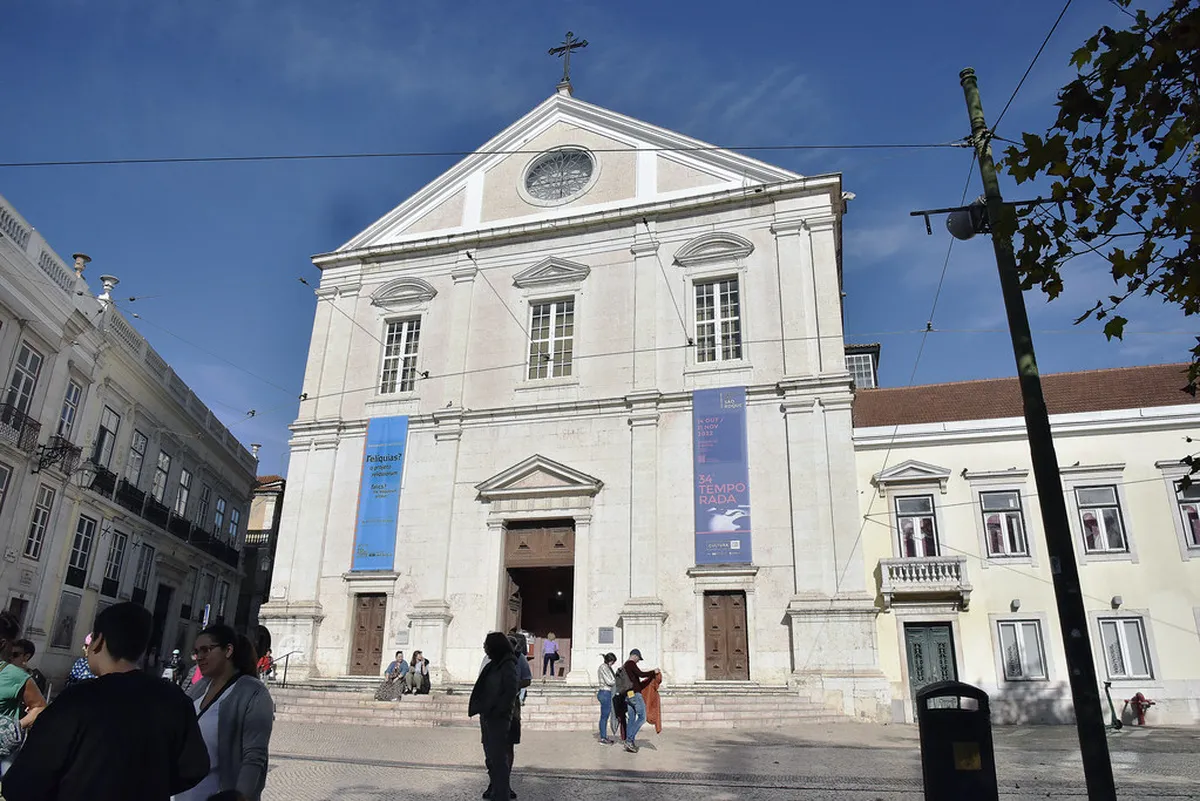
The church operates with specific visiting hours. Typically, it opens from 9:00 AM to 5:00 PM. Always check the official website for current timings. Entry to the church is usually free of charge.
Entry to São Roque Church is free of charge. The adjacent Museum of Sacred Art charges a small entrance fee, but provides access to many more religious artifacts from the church's collection — well worth the extra time.
| Venue | Opening Hours | Admission | Recommended Time |
|---|---|---|---|
| São Roque Church | 9:00 AM – 5:00 PM | Free | ~1 hour |
| Museum of Sacred Art | Check official site | Small fee | ~30–45 min |
Consider also visiting the adjacent Museum of Sacred Art. It houses additional treasures from the church. A small entrance fee applies for the museum. This offers a deeper dive into the church's legacy. Find more details about the São Roque Church Museum.
Visiting hours can change on public holidays and during religious services. Always verify current timings on the official São Roque website before your visit, especially if travelling on a weekday morning when mass may be in progress.
Allow at least one hour to explore the church thoroughly. Give yourself extra time for the museum. It is a must-see for art and history enthusiasts. Combine your visit with exploring other historic neighborhoods in Lisbon.
Frequently Asked Questions
What makes São Roque Church art so famous?
The church is famous for its exceptional Baroque art. Its most celebrated feature is the Chapel of St. John the Baptist. This chapel was crafted in Rome using precious materials. It represents a pinnacle of 18th-century artistic achievement.
Is there an entrance fee for São Roque Church?
Entry to São Roque Church itself is generally free. However, the adjacent Museum of Sacred Art charges a small fee. This museum provides access to many more religious artifacts. It enhances the overall understanding of the church's heritage.
What are the best times to visit São Roque Church?
The best times to visit are usually in the morning or late afternoon. This helps avoid peak tourist crowds. Weekdays also tend to be less busy than weekends. Always verify current operating hours before your visit in 2026.
São Roque Church is a true masterpiece of Baroque art. Its opulent chapels and rich history are simply captivating. From the gilded altars to the famous St. John the Baptist Chapel, every detail shines. Plan your visit to this incredible Lisbon landmark.
Experience the grandeur of Portuguese artistry firsthand in 2026. It offers a unique glimpse into a bygone era of splendor. Do not miss this essential cultural stop on your Lisbon itinerary. This church remains a beacon of Baroque brilliance.
Key Takeaways
- São Roque Church houses exquisite Baroque art, including the world-famous Chapel of St. John the Baptist.
- The church survived the 1755 earthquake, preserving its historical and artistic integrity.
- Entry to the church is free; a small fee applies for the adjacent Museum of Sacred Art.
- Gilded wood carving (talha dourada) is a hallmark of Portuguese Baroque art seen throughout.
- Plan for at least an hour to fully appreciate its beauty and historical significance.
Continue exploring Lisbon's historic quarter
 Discover the São Roque Church Museum Lisbon: A Baroque GemDecember 12, 2025
- Baroque Art São Roque Church Lisbon: A GuideDecember 11, 2025
 Visit São Roque Church Lisbon: A Historic Guide for 2026December 11, 2025
 São Roque Church Hours & Visitor Tips for 2026December 11, 2025