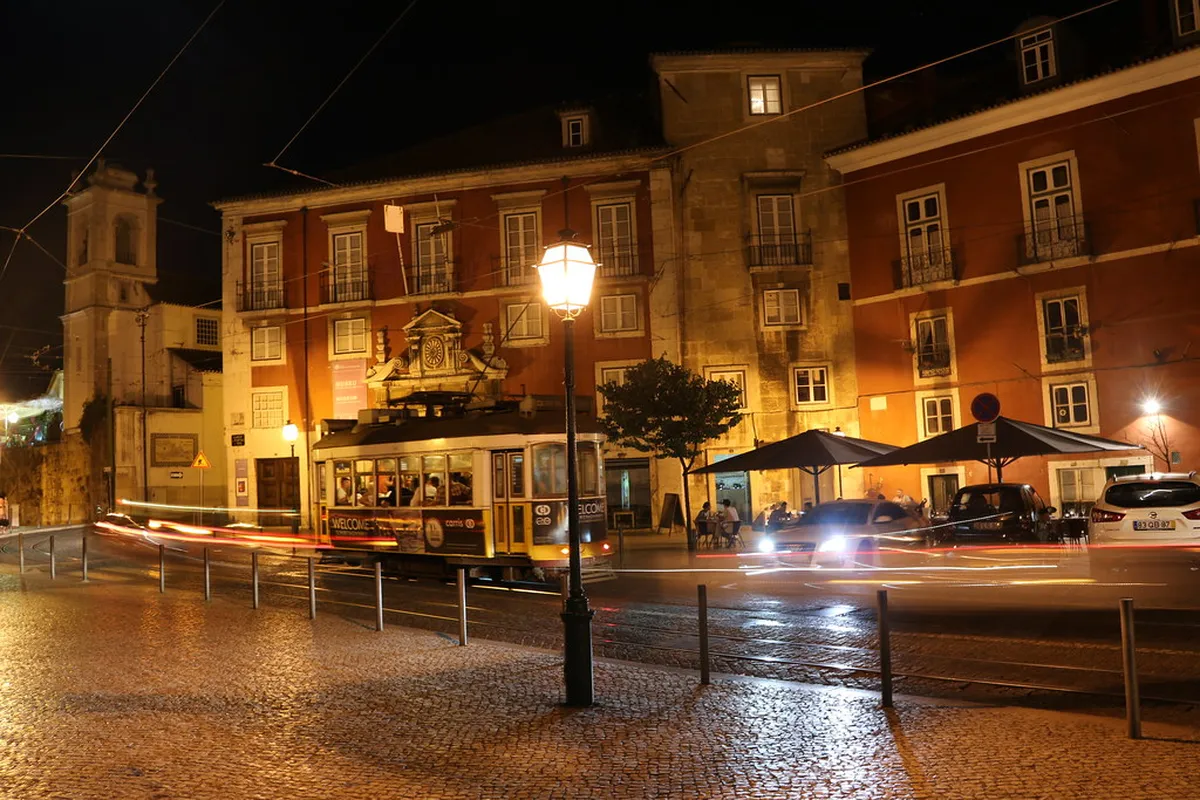
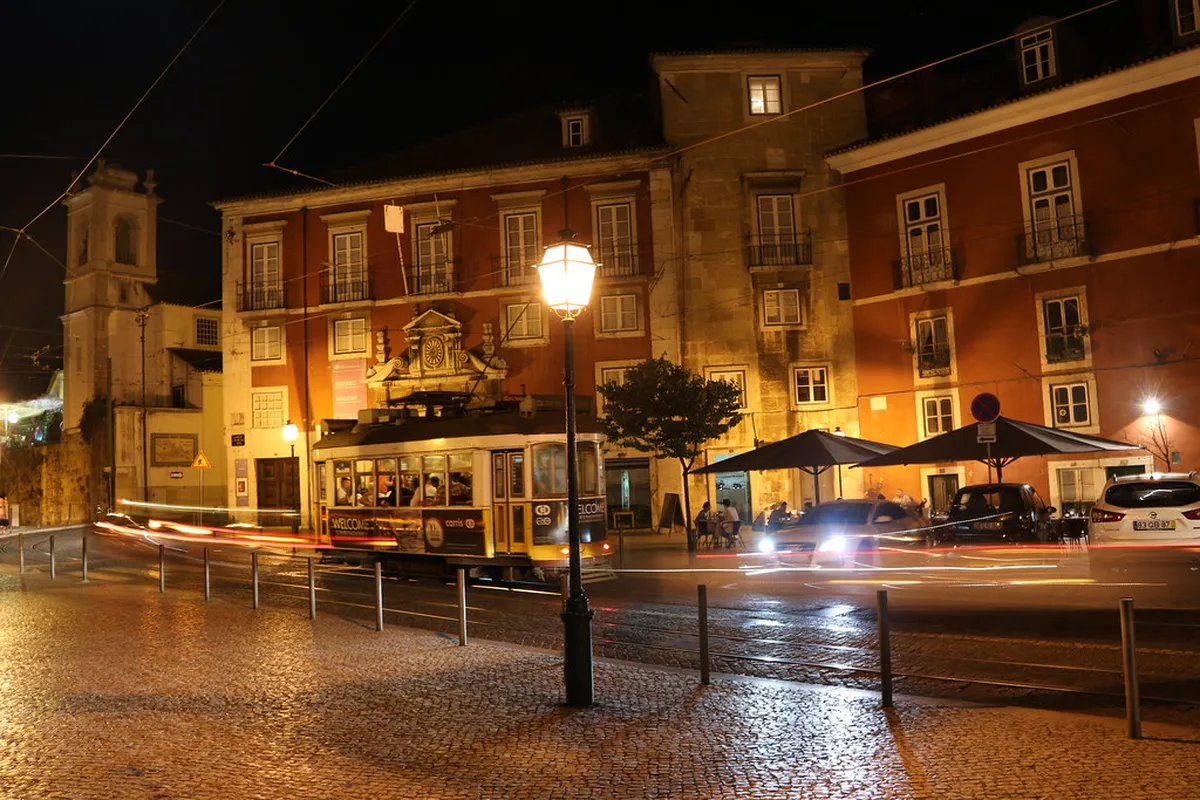
Tram 28, signed locally as 28E, is Lisbon's most famous public transport ride because it links real neighborhoods with the city's headline viewpoints, churches, and tiled streets. The route runs between Martim Moniz and Campo de Ourique / Prazeres, climbing through Graça and Alfama before crossing Baixa, Chiado, São Bento, and Estrela.
The challenge is choosing the right tram 28 Lisbon stops instead of treating the line like a hop-on-hop-off tour. The carriages are small, queues at Martim Moniz can be long, and the busiest sections leave little room for sightseeing once you are standing shoulder to shoulder. Ride one scenic stretch, walk another, and use a few well-chosen stops for viewpoints, food, and photos.
The route is served by vintage Remodelado trams, many with 1930s character and later mechanical upgrades. Modern low-floor trams cannot handle the tight curves, steep gradients, and narrow streets of Alfama and Graça.
The 28E Tram Route Overview
The 28E route covers roughly seven kilometers and usually takes 45 to 60 minutes end to end, depending on traffic, parked vehicles, and how quickly passengers can board. From Martim Moniz, the tram climbs toward Graça, threads past Portas do Sol and Sé, crosses the downtown grid, then continues through Chiado, São Bento, Estrela, Campo de Ourique, and Prazeres.
The line is valuable because it connects hill districts that the metro does not reach directly. It passes close to Castelo de São Jorge, Lisbon Cathedral, Miradouro das Portas do Sol, Basílica da Estrela, and Mercado de Campo de Ourique. Expect public transport rather than a narrated tour, with abrupt braking, local passengers, and occasional delays.
For a complete stop sequence, compare your plan with the Tram 28 Route and Stops list before you board. In 2026 the best experience comes from knowing which stops deserve time on foot.
Interactive Tram 28 Map
An interactive Tram 28 map is useful because the line does not move through Lisbon in a simple straight tourist corridor. It bends through tight residential streets, skips some places that look close on a flat map, and stops short of a few landmarks that still require steep walking. The most common mistake is assuming the tram drops you at the castle entrance; Portas do Sol is close, but the final approach is uphill.
The older Tram 28 Interactive Map remains helpful for visualizing the route on Google Maps, especially if you want to compare stops with nearby viewpoints and metro stations. Use it before you leave your hotel, then keep a live map open during the ride.
A dedicated tram 28 Lisbon route map also helps you split the day into rideable and walkable sections. Ride from Martim Moniz to Portas do Sol or Sé early, walk down through Alfama and Baixa, then rejoin around Chiado or São Bento for the western stretch.
Major Tram 28 Stops & Neighborhoods
Martim Moniz is the best-known starting point and the place most first-time visitors try first. It has the advantage of empty trams arriving at the terminal, but the queue can outgrow that benefit after 09:00. If a cruise ship is in port or the line is already wrapping across the square, consider starting elsewhere.
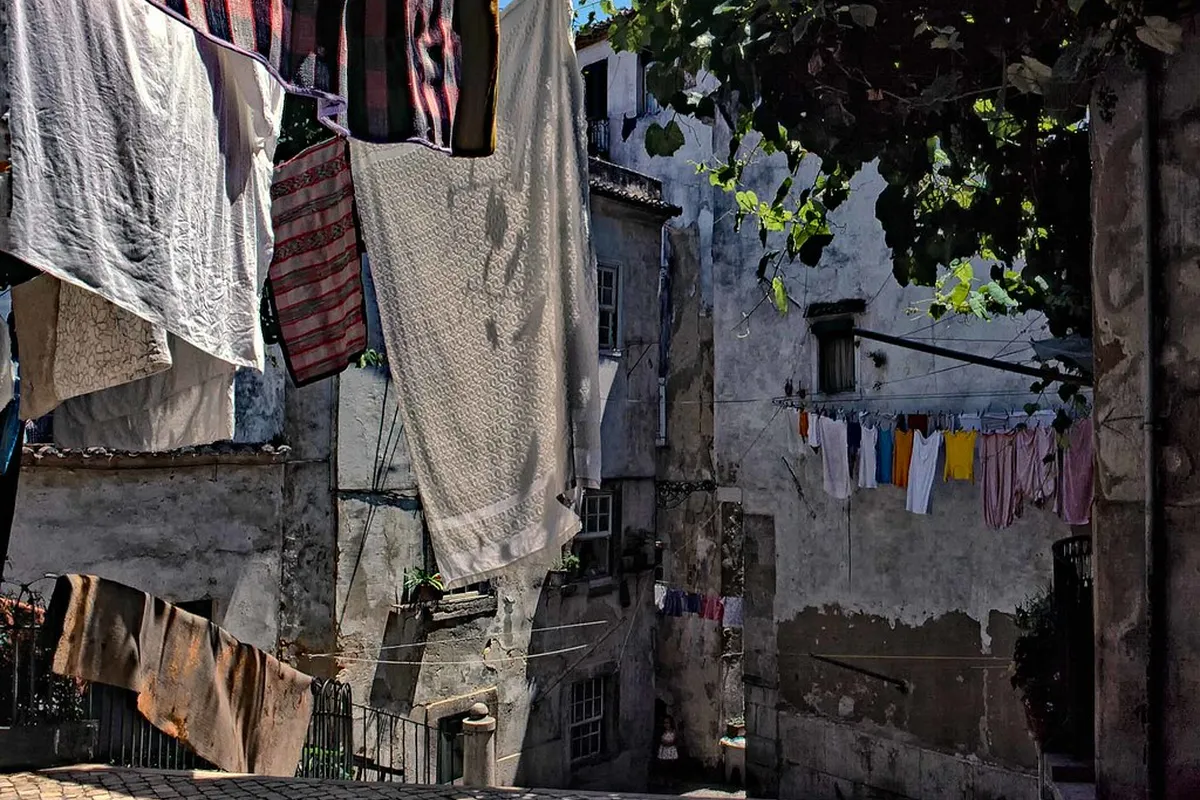
Graça and Portas do Sol are the most rewarding upper-city stops. Graça works for Miradouro da Senhora do Monte and a less polished neighborhood feel, while Portas do Sol gives quick access to Alfama views, Santa Luzia, and the walking route toward the castle. Sé is the stop for Lisbon Cathedral and the downhill transition into Baixa.
Rua da Conceição serves the downtown grid near Rua Augusta and Praça do Comércio, while Praça Luís de Camões puts you between Chiado and Bairro Alto. São Bento is useful for cafes, Estrela is the stop for the basilica and park, and Campo de Ourique / Prazeres works for the market and quieter return direction.
Knowing where to board tram 28 Lisbon matters more than memorizing every platform. For a seat, board very early at Martim Moniz or start from Campo de Ourique / Prazeres.
Key Sights Along the Route
The best Tram 28 stops are not only the famous ones. They are the places where the tram saves you a climb, puts you beside a landmark, or gives you a natural walking route into the next district. Use the line to climb, then walk downhill when possible.
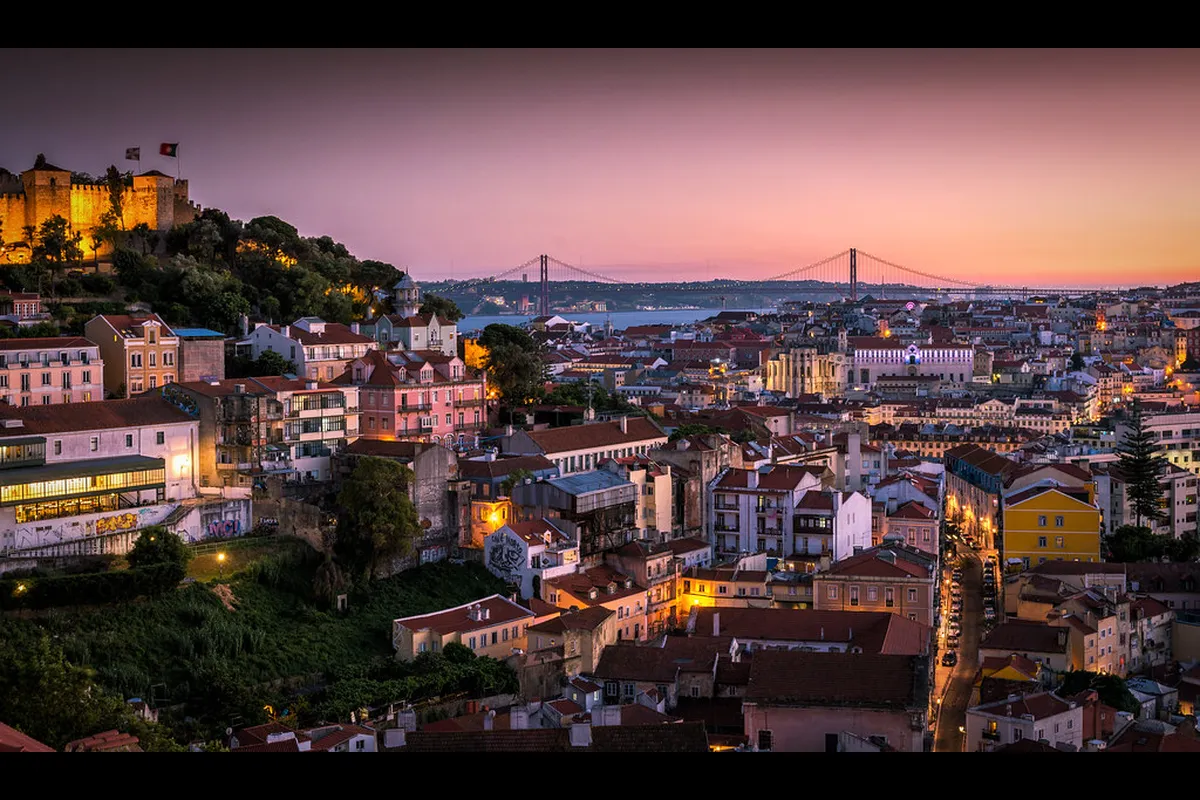
Portas do Sol is the strongest first stop for views, because you can photograph Alfama's rooftops and the Tagus River without committing to the full castle climb. Sé is the classic tram photo stop, with the yellow carriage passing close to the cathedral facade. Estrela is less hectic and gives you one of the route's easiest pauses: basilica, park, shade, and benches all sit close together.
For more tram 28 attractions along the route, build your day around clusters rather than single monuments. Graça pairs well with Senhora do Monte, Portas do Sol pairs with Alfama lanes, Baixa pairs with Praça do Comércio, and Campo de Ourique pairs with lunch at the market.
- Graça is the stop to use for Miradouro da Graça, Senhora do Monte, and a slower neighborhood walk before the tram descends toward Alfama.
- Portas do Sol works for wide river views, Santa Luzia, the castle walking route, and classic photos of the tram framed by old walls.
- Sé is best for Lisbon Cathedral, Saint Anthony's Church, and the dramatic moment where the tram squeezes through the lower Alfama streets.
- Praça Luís de Camões is the practical stop for Chiado, Bairro Alto, Bica, and coffee breaks before the western half of the route.
- Estrela gives you Basílica da Estrela, Jardim da Estrela, and a calmer reset after the busiest central sections.
| Stop | Neighbourhood | Nearby Landmark | Best For |
|---|---|---|---|
| Martim Moniz | Mouraria | Intendente Square | Boarding early for a seat |
| Graça | Graça | Miradouro da Graça / Senhora do Monte | Hilltop views, quieter streets |
| Portas do Sol | Alfama | Santa Luzia Viewpoint / Castelo de São Jorge | River panoramas, castle walk |
| Sé | Alfama / Baixa | Lisbon Cathedral | Classic tram-meets-cathedral photo |
| Praça Luís de Camões | Chiado | Bairro Alto / Bica | Coffee break, Chiado exploration |
| Estrela | Estrela | Basílica da Estrela / Jardim da Estrela | Calmer stop, park and shade |
| Campo de Ourique / Prazeres | Campo de Ourique | Mercado de Campo de Ourique | Lunch, quieter return direction |
For photos, avoid standing in the tracks or stepping backward into traffic while waiting for the yellow carriage. The safer angles are from the pavements around Sé, the terrace edges near Portas do Sol, and the wider corners near Estrela. Early light is softer in Alfama, while late afternoon works better for Estrela and São Bento.
Tram 28 Tickets and Fares
In 2026, the onboard tram fare is €3.30 for one trip, according to the official CARRIS prices table 2026. That is simplest for one short ride, but it is poor value if you want to stop, walk, and continue later. Onboard tickets are valid only on the vehicle where they are purchased.
The better choices are prepaid. A CARRIS/Metro ticket loaded in advance costs €1.90, Zapping credit costs €1.72 per CARRIS journey, and the 24-hour CARRIS/Metro ticket costs €7.25. The 24-hour ticket is the easiest tourist option if you will use Tram 28 plus the metro, buses, funiculars, or Santa Justa Lift on the same day.
Check the tram 28 Lisbon tickets guide before deciding which product to load. Buy or top up at metro stations before you reach the tram queue, then validate every time you board.
The 24-hour CARRIS/Metro ticket (€7.25 in 2026) covers Tram 28, all other trams, the metro, buses, and the Santa Justa Lift — making it the most cost-effective option if you plan more than four journeys in a day. Buy it at any metro station ticket machine before joining the tram queue.
Best Time to Ride (Schedule & Timing)
Tram 28 normally starts early and runs into the evening, but the published interval is only part of the story. Narrow streets, delivery vehicles, traffic, and boarding delays can make two or three trams arrive close together after a long gap. For visitors, the best time to ride is less about the timetable and more about avoiding the tourist surge.
Before 09:00 is the best window for a seated ride from Martim Moniz, especially outside peak summer. Between 10:00 and 17:00, the route often becomes too crowded for easy sightseeing. After 20:00, the ride feels calmer, but some viewpoints and churches may already be closing.
Consult the tram 28 Lisbon schedule and times on the day you travel, then stay flexible. If the queue is longer than 30 minutes, walk to the next district or use Tram 12, Tram 24, the metro, or a bus.
| Time window | Crowd level | Typical Martim Moniz wait | Best use |
|---|---|---|---|
| 07:00-09:00 | Low to moderate | Short, with the best seat chance | Full scenic ride, Alfama photos, cooler weather |
| 10:00-17:00 | High | Often 30-60 minutes in busy months | Short hops only, or walking between stops |
| 18:00-20:00 | Moderate | Variable after the day-tripper peak | São Bento, Estrela, and western route sections |
| After 20:00 | Lower | Usually easier, but service is thinner | Atmosphere, lit streets, fewer standing crowds |
Pickpockets on Tram 28: Safety Tips
Pickpocket risk is real on Tram 28 because the route concentrates tourists, cameras, phones, and crowded doorways in a small carriage. The riskiest moments are boarding, exiting, and standing near the doors when the tram jolts or brakes. Most thefts are opportunistic rather than confrontational.
Keep your phone and wallet out of back pockets, wear backpacks on your front, and close zips before the tram arrives. Do not place a phone loosely in an outer jacket pocket while taking photos through the window. If someone creates a distraction at the door, check your bag position before you react.
Review these tram 28 pickpocket safety tips before using the route at peak times. If a carriage is packed enough that you cannot move your arms, wait for another tram or walk to the next stop. A calmer ride is worth more than saving ten minutes.
Pickpocket risk on Tram 28 is highest during boarding and exiting, especially at Martim Moniz, Sé, and Praça Luís de Camões. Keep your phone and wallet out of back pockets, wear backpacks on your front with zips closed, and check your bag position immediately if someone creates a distraction near the doors.
Coffee & Food Stops Along the Way
Food stops make the route easier because they turn Tram 28 into a half-day walk-and-ride plan instead of one crowded hour. São Bento is one of the best places to pause, with independent cafes close enough to the tracks that you can rejoin without losing momentum. One useful reference is Hello, Kristof São Bento, which highlights the area's coffee scene.
Baixa and Chiado work well for a quick pastry break because you are close to bakeries, metro connections, and flatter streets. Estrela is better for a slower stop, especially if you want shade in Jardim da Estrela. Campo de Ourique is the strongest food ending, with its market giving you several options without another cross-city transfer.
- Near Praça Luís de Camões, stop for coffee before entering the busiest Baixa and Alfama stretch.
- Near São Bento, use the cafes around the parliament area for a quieter pause.
- Near Estrela, combine the basilica, park, and a drink break before continuing west.
- Near Campo de Ourique, use the market as a lunch stop before returning by tram, bus, or on foot.
Alfama has atmospheric tascas, but it is not ideal for a quick tram break because the lanes are steep. Treat it as a proper stop rather than a five-minute detour.
Alternative Tram Routes (Avoiding the Crowds)
If the Martim Moniz queue is already too long, Tram 28 is not the only way to get the vintage Lisbon tram feeling. Tram 24 uses classic-style cars on a route between Chiado and Campolide, passing Príncipe Real with far fewer first-time visitors. It does not give you Alfama's tightest streets, but it often gives you an actual seat.
Tram 12 is the better substitute if you specifically want the old-town climb. It makes a shorter loop from Martim Moniz through parts of Baixa and Alfama, so it overlaps with some of the most atmospheric sections without committing you to the full 28E route. It is especially useful when the E28 queue is moving slowly but you still want a historic tram ride.
You can compare options in the tram 28 vs other Lisbon trams guide. A smart 2026 plan is to treat Tram 28 as the best route, not the only route. If the wait time is longer than the ride you want, switch lines and save Alfama for a walk.
Getting the Most from the Experience (Insider Tips)
For the classic view, sit by a window and keep your camera ready before the tram reaches Alfama. The best frames can disappear behind parked cars, corners, or standing passengers. Keep your arms and phone inside because the tram passes very close to walls, signs, and other vehicles.
Large luggage, unfolded strollers, and bulky backpacks make the ride harder for everyone. The Remodelado cars have narrow doors, high steps, and tight aisles, so they are not comfortable for travelers with limited mobility or families managing a stroller at peak time. If accessibility is a concern, visit key viewpoints by taxi, metro-plus-walk, or bus instead.
Respect local passengers who use the 28E for daily transport, especially around Graça, Alfama, São Bento, and Estrela. Move away from the doors after boarding, let people exit before you step in, and avoid blocking seats with bags.
Check the Lisbon Tram 28 Guide for another view on boarding, alternatives, and route timing. If the queue is unreasonable, walking downhill from Graça or Portas do Sol often gives you better photos than standing on a packed tram.
Frequently Asked Questions
Where is the best place to board Tram 28 to get a seat?
The best place to board is at the starting terminal in Martim Moniz or the final stop in Campo de Ourique. Arriving early in the morning increases your chances of finding a seat. You can find more details on boarding in our boarding guide.
How much does the Tram 28 cost in 2026?
In 2026, an onboard ticket purchased from the driver costs approximately €3.10 per journey. Using a Viva Viagem card reduces this cost significantly to around €1.60 per trip. A 24-hour public transport pass is often the most economical choice for tourists.
Is the Lisbon Tram 28 safe from pickpockets?
The tram is generally safe, but pickpockets are known to operate on this specific route due to high tourist density. Always keep your valuables secure and be wary of anyone creating a distraction. Stay alert during boarding and exiting when the crowds are most concentrated.
What are the most scenic stops on the Tram 28 route?
Miradouro das Portas do Sol and the Graça stop offer the most breathtaking views of the city. The Sé stop provides a classic photo opportunity with the cathedral as a backdrop. These locations are perfect for capturing the essence of historic Lisbon.
The best Tram 28 Lisbon stops give you a structure for the day: climb to Graça or Portas do Sol, explore Alfama and Sé, cross the downtown grid, then slow down around São Bento, Estrela, or Campo de Ourique. Riding the whole line can be memorable, but mixing tram segments with walks usually gives you more space, better photos, and less queue fatigue.
Use the 2026 fare options carefully, keep valuables secure, and board early or late if a seat matters. If the route is overloaded, Tram 12, Tram 24, buses, and downhill walks all keep the day moving. The goal is not to endure the longest possible ride; it is to use the historic tram where it genuinely improves your Lisbon route.
Whether you ride one section or several, the appeal is the same: polished wood, sharp turns, tiled facades, and sudden river views. For more details on the history of these cars, visit Historic Quarters Portugal.