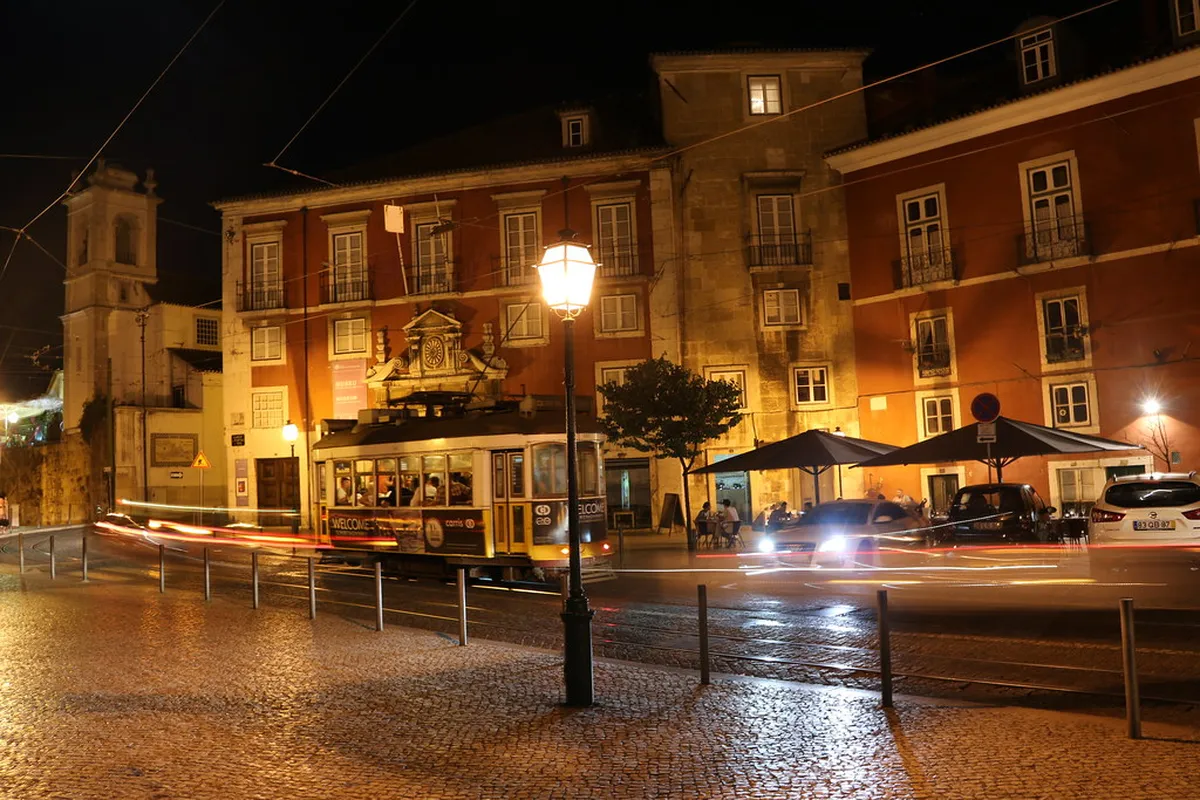
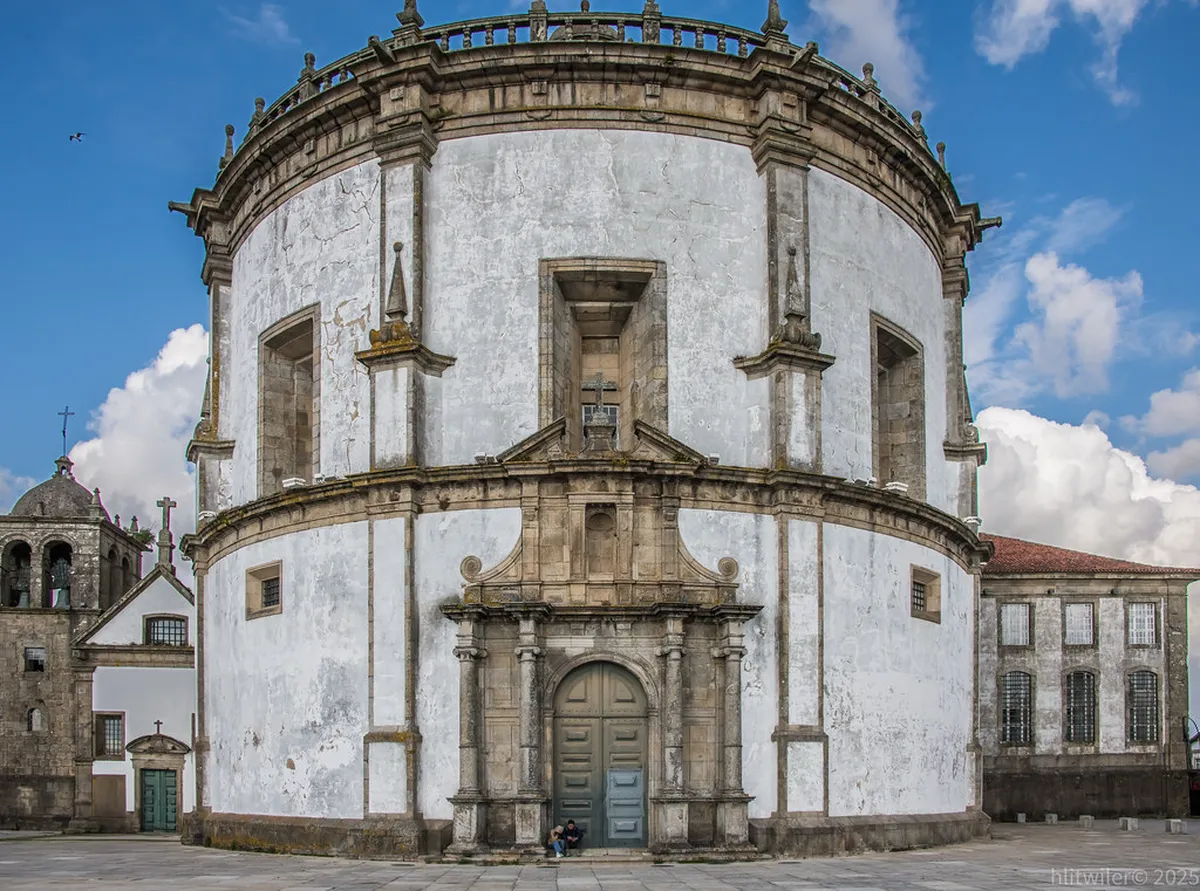
The best Tram 28 attractions sit close enough to the tracks that you can turn the ride into a practical self-guided route through Lisbon. The 28E links Martim Moniz, Graça, Alfama, Baixa, Chiado, Estrela, and Campo de Ourique in one slow, rattling line. It is scenic public transport, not a sightseeing bus, so stop order matters.
Last refreshed for 2026, this guide keeps the focus on what you can actually see from or near the tram. It explains when to ride, which tickets make sense, and why the 1930s yellow Remodelado trams still work where modern cars cannot. Use it with the main historic Tram 28 route guide before planning your day.
How to Use This Stop-by-Stop Guide
Follow the route westbound from Praça Martim Moniz if this is your first ride, because that direction gives the clearest sequence of Lisbon's historic neighborhoods. Sit on the left side heading west for the best views toward the Tagus River, Alfama rooftops, and the Sé Cathedral bend. Keep the Tram 28 stops guide open so you can match landmarks with stops.
A single onboard ticket is poor value for sightseeing because it does not let you hop off and re-board. If you want several attractions, buy a 24-hour transport pass or use Zapping credit before boarding. The tram is slow through Alfama, but the delays are part of why the route works as a moving orientation tour.
Praça Martim Moniz: The Starting Point
Praça Martim Moniz is the eastern terminal and the place most visitors picture when they plan a Tram 28 ride. The square is multicultural, busy, and practical rather than polished, with food kiosks, nearby Metro access, and the official queue for westbound departures. It is the right starting point if you want the full route and do not mind waiting.
Queues can pass 45 to 60 minutes by late morning in peak months, especially when cruise passengers arrive. For 2026, reach Martim Moniz before 8:00 if getting a seat matters. If the line already curls across the square, walk uphill toward Graça or start at Campo de Ourique instead.
Graça Viewpoint and Neighborhood
Graça gives you the first real reward after the climb from Martim Moniz. The tram passes close to Miradouro da Graça, where the view opens over São Jorge Castle, Baixa, and the river. It feels less staged than the most famous Alfama terraces.
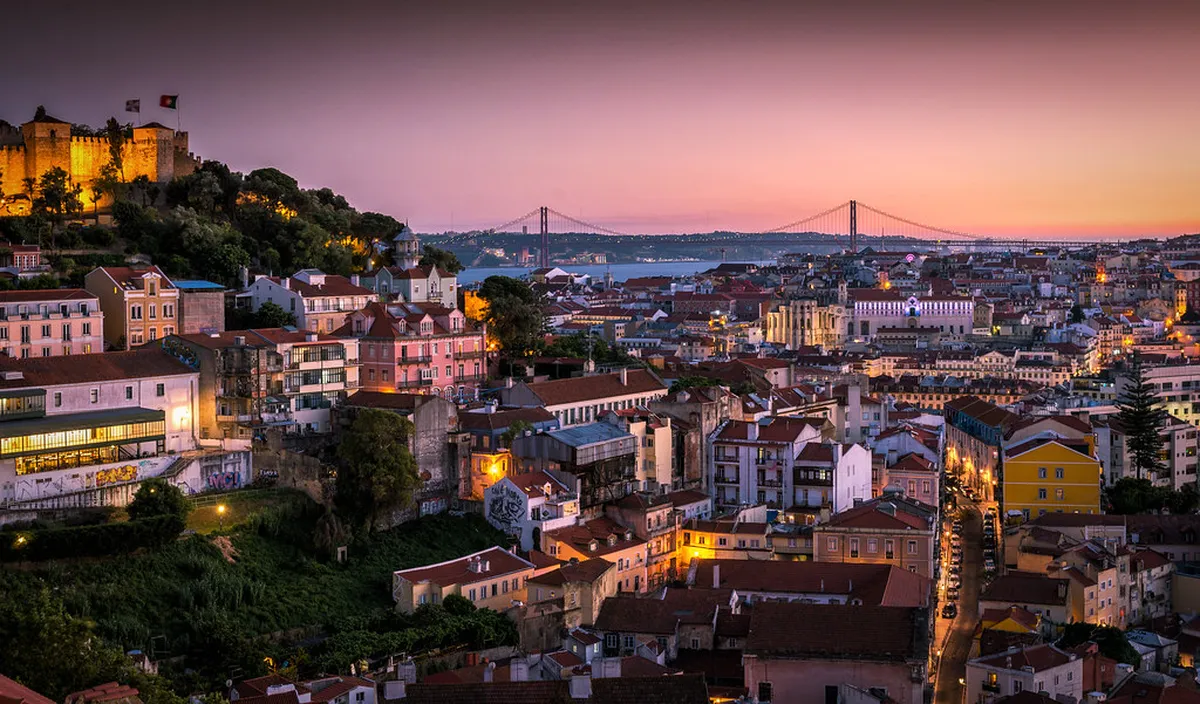
This is also a useful early exit if the tram is too crowded. You can walk between Graça, São Vicente de Fora, and Portas do Sol without losing the logic of the route. The streets are steep, but the short distances suit a ride-and-walk plan.
Monastery of São Vicente de Fora
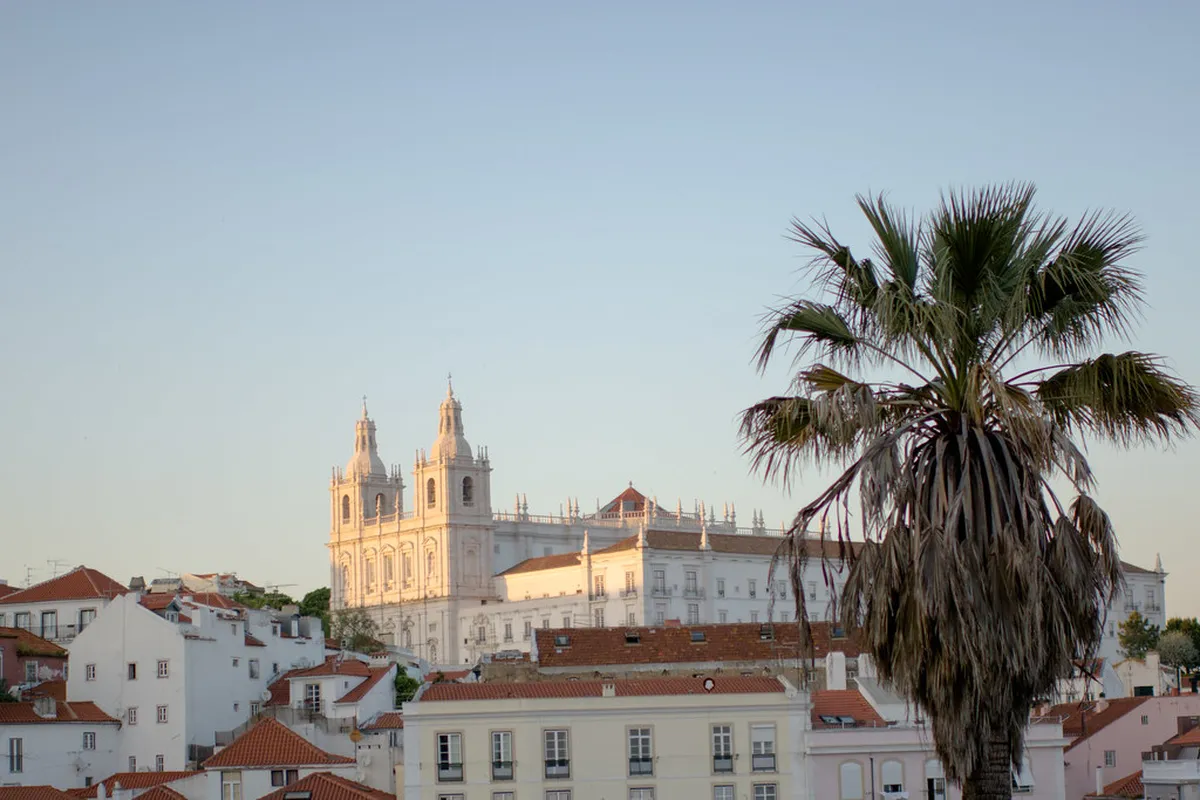
The Monastery of São Vicente de Fora is one of the strongest cultural stops near the 28E. Its white facade rises above the eastern edge of Alfama, and the interior is known for azulejo panels, cloisters, royal tombs, and a rooftop view toward the National Pantheon. It rewards visitors who want more than a quick photo stop.
The closest tram stop is usually Voz Operário or the São Vicente area, depending on direction and service patterns. Allow at least 45 minutes if you plan to go inside. On Tuesdays and Saturdays, pair it with Feira da Ladra, the flea market that spreads through the nearby Campo de Santa Clara.
Alfama District and Its Narrowest Passages
Alfama is the reason Tram 28 still feels unlike any other Lisbon route. The rails squeeze between tiled houses, tiny balconies, stone corners, and streets that survived the 1755 earthquake better than the rebuilt downtown. This is where the ride becomes slow, loud, and visually dense.
Do not treat Alfama as one stop. Get off around Portas do Sol or Sé, then walk down through the lanes toward the cathedral, Santo António, or the river. Fado houses, stairways, laundry lines, and small churches are the district's real texture, and you see them better on foot than through a crowded tram window.
Portas do Sol: The Best View in Alfama
Portas do Sol is the postcard stop. From the terrace, Alfama drops toward the Tagus in red roofs, white walls, church towers, and tight lanes. The tram curve here also creates one of the classic Lisbon photos, with a yellow carriage passing against the river-facing neighborhood.
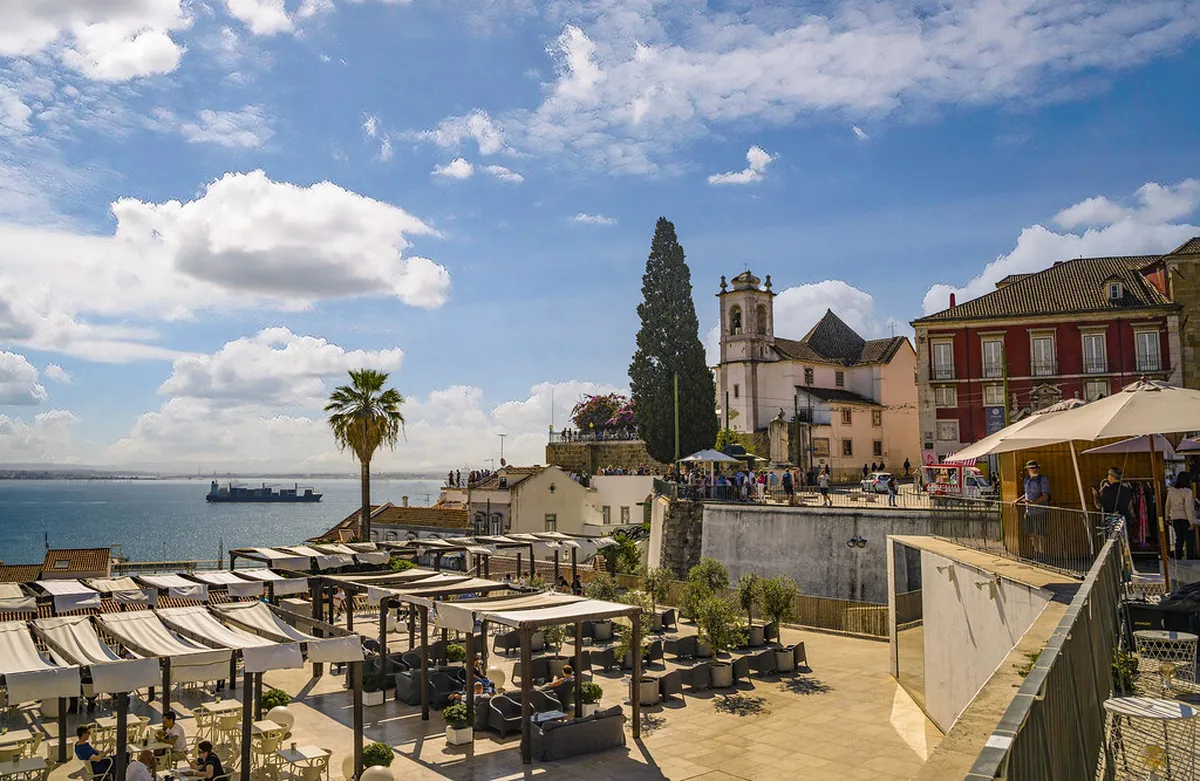
Come early if you want space for photos, because tour groups collect here throughout the day. Miradouro de Santa Luzia is only a few steps away and adds tile panels, bougainvillea, and a more garden-like atmosphere. This pair of viewpoints is the most efficient scenic stop on the whole route.
Lisbon Cathedral (Sé de Lisboa)
Sé de Lisboa is the most iconic architectural moment on the route. The tram passes directly in front of the fortress-like cathedral, creating the photograph that appears in nearly every guide to Lisbon's historic trams. The church dates to the 12th century and has Romanesque, Gothic, and later rebuild elements shaped by earthquakes and restoration.
The main nave is usually free to enter, while the cloister, treasury, or upper areas may require a paid ticket. Stand clear of the tracks when taking photos, because the bend in front of the cathedral is tighter than it looks. Igreja de Santo António, built near the traditional birthplace of Saint Anthony, sits just downhill and is easy to add to the same stop.
Baixa and Terreiro do Paço
After Alfama, Tram 28 drops into Baixa on Rua da Conceição. This is the flat, gridded district rebuilt after the 1755 earthquake under the Marquês de Pombal. It is less intimate than Alfama, but it gives you quick access to Rua Augusta, the triumphal arch, and Praça do Comércio.
Use the Conceição area as your stop for Terreiro do Paço, the riverfront square also known as Praça do Comércio. The walk south takes only a few minutes and opens suddenly onto arcades, yellow facades, and the Cais das Colunas at the river. This is also a sensible place to pause for lunch because re-boarding in Baixa is easier than in the steepest parts of Alfama.
Chiado and Praça Luís de Camões
Praça Luís de Camões marks the shift from downtown sightseeing to Lisbon's western neighborhoods. Chiado brings theaters, shops, old cafes, bookshops, and the bronze Fernando Pessoa statue outside A Brasileira. Bairro Alto begins just uphill and changes the mood again after dark.
This is one of the most useful transfer points on the route. Tram 28, Tram 24, and the shorter Tram 12 alternatives all connect around this part of the city, so check a Lisbon tram map before waiting in the wrong queue. If your goal is only a short historic tram ride, this western-middle section is often calmer than Martim Moniz to Alfama.
Ascensor da Bica: The Funicular Detour
Ascensor da Bica is not Tram 28, but it is close enough to the route to deserve a detour. The funicular climbs one of Lisbon's steepest, most photographed streets between Rua de São Paulo and Largo do Calhariz. Its yellow car framed by rails, balconies, and river light is one of the city's classic images.
If you have the 24-hour transport pass, the funicular becomes much better value than paying onboard. Go early or late for photos, because the narrow street fills quickly. It pairs naturally with Chiado, Cais do Sodré, or a downhill walk toward the waterfront.
Basílica da Estrela
Basílica da Estrela is the major landmark at the western end of the 28E route. Its white dome and twin towers dominate the neighborhood, and the tram stops almost outside the entrance. The interior is calm, ornate, and centered on the tomb of Queen Maria I.
Entry to the church is usually free, while roof or dome access may require a separate ticket. The western section is often more comfortable than Alfama because fewer tourists ride this far. If you want vintage tram charm without the crush, build your ride around Estrela and Campo de Ourique.
Jardim da Estrela: The Park
Jardim da Estrela sits directly opposite the basilica and is the best rest stop on the route. It has shaded paths, ponds, kiosks, benches, and space to reset after the cramped ride. Families use it heavily, but it still feels relaxed compared with the cathedral and Alfama viewpoints.
This is a smart place to break the journey with children or older visitors. The park also solves a common Tram 28 problem: there are few comfortable places to wait near some narrow stops. Here you can sit, check the Carris app or stop board, and decide whether to continue to Prazeres.
Prazeres Cemetery: The Final Stop
Prazeres Cemetery is the final westbound stop and one of the route's most underrated sights. The grounds feel like an open-air museum of mausoleums, sculpted doors, family chapels, and quiet lanes. Walk toward the far side for unexpected views toward the 25 de Abril Bridge and the western riverfront.
All passengers must leave the tram at the terminal before it reverses direction, so do not expect to stay seated for an immediate return. This rule is why boarding at Campo de Ourique or Prazeres can work better than Martim Moniz. You start from the calmer end, then ride east into Estrela, Chiado, Baixa, and Alfama.
Tram 28 Fares and Ticket Options
For 2026 sightseeing, the key fare rule is simple: do not buy repeated onboard singles if you plan to stop along the route. A driver-sold ticket is convenient for one ride, but it is only valid for that boarding. It does not turn Tram 28 into a hop-on hop-off service.
Use Zapping credit on a Navegante or VIVA Viagem card for lower single fares, or buy the 24-hour public transport pass at a Metro station if you will ride multiple trams, buses, the Metro, or funiculars. The pass is useful if you add Bica, Santa Justa, or other historic lifts. The detailed Tram 28 tickets guide explains fare choices and validation rules.
A single onboard ticket (€3.00) is only valid for that one boarding — it does not function as a hop-on hop-off pass. If you plan to stop at more than one attraction, load Zapping credit on a VIVA Viagem card (€1.65 per ride) or buy the 24-hour pass (€6.80) at any Metro station before boarding.
The E28 Route Map and Journey Times
The 28E route runs between Martim Moniz and Campo de Ourique/Prazeres through Graça, Alfama, Baixa, Chiado, São Bento, and Estrela. In light traffic, the full ride can take around 50 minutes, but trips often run longer because parked cars, delivery vans, and tight bends slow the tram. Expect bunching, where no tram appears for 20 minutes and then several arrive close together.
Use the official Carris app, digital stop boards, or the Tram 28 route map when timing matters. Printed timetables help with first and last departures, but they are less reliable midday. Early morning, late evening, and the quieter western stretch remain the best bets for a seated ride.
Avoiding Pickpockets on the 28E
Pickpockets target the 28E because visitors are distracted, crowded, and often holding phones near doors and windows. Keep bags in front of your body, avoid back pockets, and be most alert during boarding, braking, and disembarking. The risk is practical, not dramatic, but it is real enough to plan around.
Standing near exits makes you more vulnerable because people press together as the tram stops. If you have luggage, a large camera, or a loose daypack, skip the busiest midday rides. Read the dedicated Tram 28 pickpocket safety tips before boarding in Alfama or Baixa.
Pickpockets specifically target the 28E because visitors are distracted, crowded, and often holding phones near doors and windows. Keep bags in front of your body, avoid back pockets, and stay most alert during boarding, braking, and disembarking — particularly along the Alfama and Baixa stretches.
The Remodelado Trams and Accessibility Limits
The Remodelado trams look nostalgic, but their survival is mainly technical. Lisbon keeps these 1930s-style cars on the 28E because the route includes steep gradients, narrow streets, and turns with a radius that modern articulated trams cannot manage. Their upgraded brakes and electrics help them handle descents that would be unsuitable for larger vehicles.
That same design creates real accessibility limits. The steps are high, aisles are narrow, and there is no proper space for wheelchairs or large strollers. Families with small children should use a foldable stroller and consider riding only a short section; wheelchair users will usually find modern buses, Metro segments, taxis, or flatter tram routes more practical.
Alternative Tram Routes to Beat the Crowds
Tram 12 is the easiest alternative if you mainly want the Alfama experience. It runs a shorter historic loop and overlaps with scenic eastern sections, but it does not continue to Estrela or Prazeres. That makes it useful when the Martim Moniz queue for the 28E is moving too slowly.
Tram 24 is a calmer choice from Praça Luís de Camões toward Campolide, while Tram 15 is the modern route for Belém rather than a substitute for Alfama. For a full comparison, use the guide to Tram 28 versus other Lisbon trams. The best choice depends on whether you want scenery, fewer crowds, or a specific neighborhood.
| Tram Stop / Area | Key Attraction | Why Visit |
|---|---|---|
| Praça Martim Moniz | Route starting point | Eastern terminal with Metro access; best for the full westbound journey |
| Graça | Miradouro da Graça | First panoramic view of the castle, Baixa, and river; less crowded than Alfama terraces |
| Alfama / Voz Operário | Monastery of São Vicente de Fora | Azulejo panels, royal tombs, rooftop view; pairs with Feira da Ladra on Tuesdays and Saturdays |
| Portas do Sol | Largo das Portas do Sol + Miradouro de Santa Luzia | Classic postcard view of Alfama rooftops; best photo of tram on the curve |
| Sé | Lisbon Cathedral (Sé de Lisboa) | 12th-century cathedral; iconic tram-in-front-of-facade photograph |
| Rua da Conceição (Baixa) | Praça do Comércio / Terreiro do Paço | Short walk to the grand riverfront square; easy re-boarding for the western stretch |
| Estrela | Basílica da Estrela + Jardim da Estrela | White-domed baroque church with free entry; park opposite is the best rest stop on the route |
| Prazeres (terminal) | Prazeres Cemetery | Underrated open-air museum of mausoleums; views toward the 25 de Abril Bridge |
Frequently Asked Questions
Where is the best place to catch Tram 28 to avoid crowds?
The best place to catch the tram without the long wait is the Campo de Ourique terminal. Most tourists queue at Martim Moniz, but starting from the opposite end often guarantees a seat. You can also board at less popular stops like Graça early in the morning.
How much does a ticket for Tram 28 cost in 2026?
An onboard ticket costs €3.00, but using a VIVA Viagem card with the Zapping rate reduces this to €1.65. For travelers planning multiple stops, the 24-hour pass at €6.80 offers the best overall value. These prices are consistent with current Carris transport authority rates.
Is the Tram 28 route safe for tourists?
The route is generally safe, but pickpockets are a persistent issue due to the crowded conditions. Keep your bags in front of you and stay alert during boarding and disembarking. Avoid displaying expensive jewelry or large amounts of cash while standing in the aisles.
The best Tram 28 attractions are easiest to enjoy when you stop selectively instead of trying to do everything from one crowded carriage. Prioritize Graça, Portas do Sol, Sé, Baixa, Estrela, and Prazeres if you have limited time. Add the reverse-route strategy from Campo de Ourique when the Martim Moniz queue is already too long.
If you have extra time, consider taking a Lisbon to Sintra day trip to see the royal palaces. Lisbon has far more than one tram line, but the 28E remains the simplest way to understand how its hills, neighborhoods, viewpoints, and historic quarters connect.