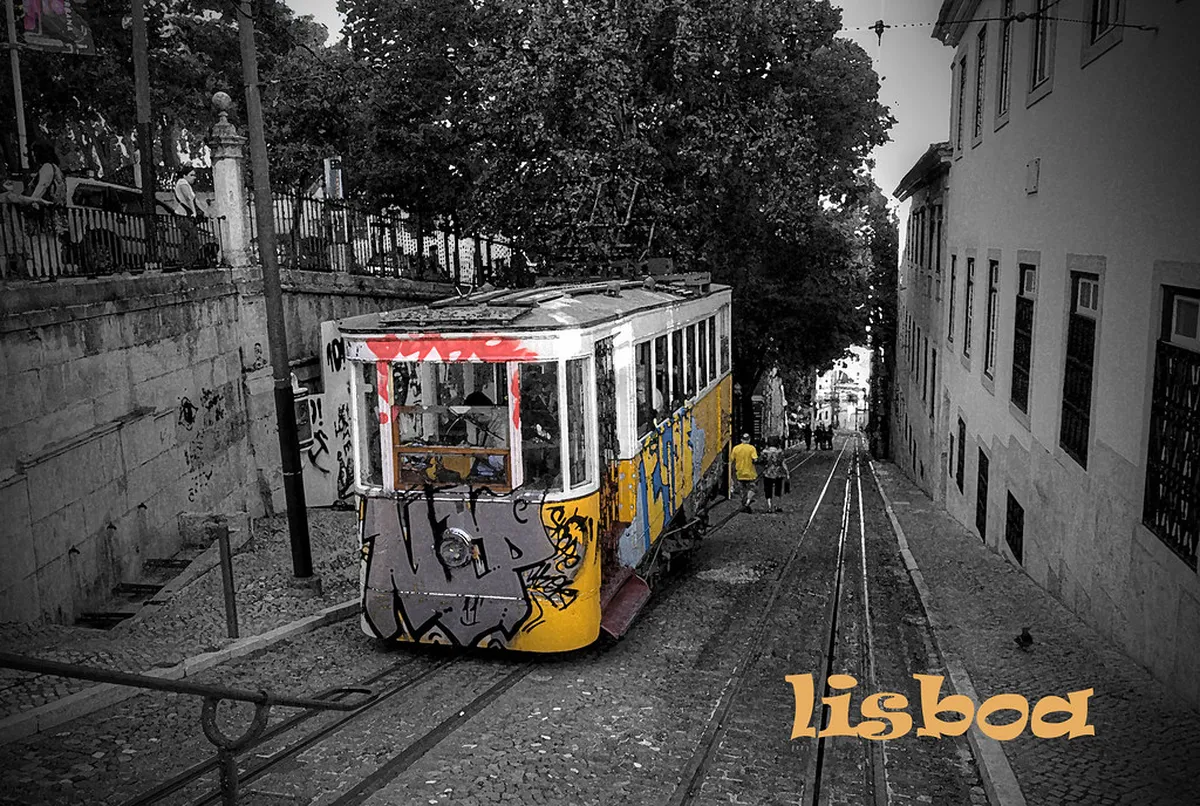
Bairro Alto is Lisbon's high quarter of contradictions: silent laundry lines in the morning, fado behind closed doors after dinner, and bar crowds spilling into lanes by midnight. Its bohemian reputation grew from a 16th-century planned district, a Jesuit landmark, earthquake survival, cheap upper-floor housing, printers, journalists, artists, and taverns that kept later hours than the rest of the city.
The 16th-Century Origins of Bairro Alto
Bairro Alto began in 1513, when King Manuel I authorized the urbanization of Vila Nova de Andrade outside Lisbon's medieval walls. This was not a leftover maze like older Alfama. It was a deliberate western expansion with straighter streets, regular blocks, and a hillside position above the crowded riverfront.
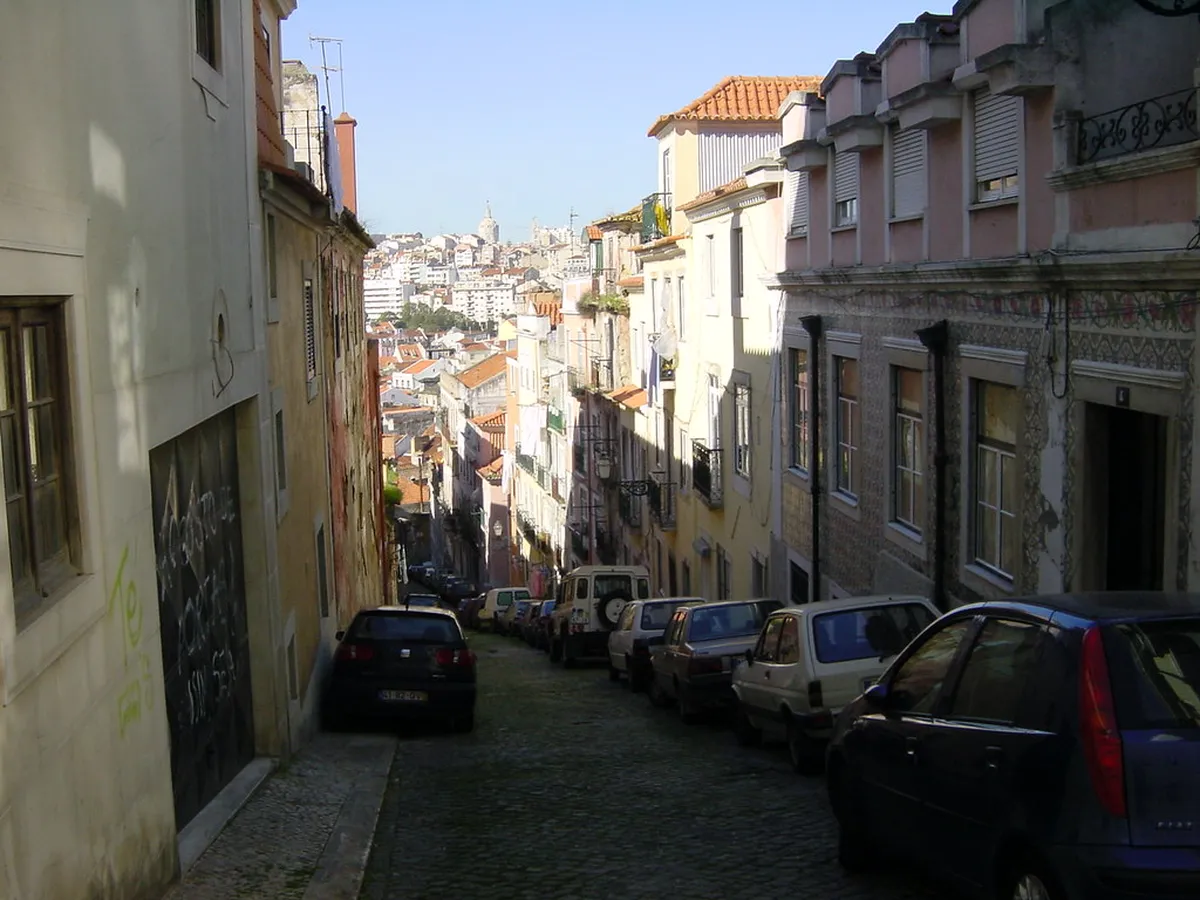
The first residents were not only nobles. Maritime workers, merchants, craftsmen, and people tied to Ribeira das Naus also moved into the new quarter during Portugal's age of ocean trade. The result was a district with a social mix from the start: practical, ambitious, and close enough to the Tejo River to feel the rhythm of the port.
That planned grid is still one of the easiest ways to read the neighborhood in 2026. Rua da Rosa, Rua do Diário de Notícias, and the lanes around São Roque feel narrow today, but they were part of a more organized urban idea than Lisbon's older medieval quarters. Bairro Alto's later bohemian life grew inside this early 16th-century frame.
The Jesuit Influence and Aristocratic Era
The Jesuits changed Bairro Alto's status soon after the district took shape. From 1553 onward, the Church of São Roque became a powerful religious anchor, drawing noble households toward the upper district. Its plain facade still hides one of Lisbon's richest interiors, with gilded chapels, marble, lapis, and sacred art that speak to the city's global wealth.
As São Roque gained prestige, the surrounding streets filled with palaces, convent buildings, and large townhouses beside humbler homes. This mix matters because Bairro Alto was never a sealed aristocratic enclave. It held servants, artisans, religious institutions, families linked to trade, and elite patrons within a few blocks of each other.
For more than two centuries, the quarter carried the name Bairro Alto de São Roque and functioned as one of Lisbon's desirable addresses. Processions, church ceremonies, and noble patronage gave it a formal public life. Beneath that order, however, the compact streets and mixed housing were already preparing the social density that later made bohemia possible.
Survival of the 1755 Earthquake
The 1755 earthquake reshaped Lisbon, but it did not erase Bairro Alto. The lower city, including the future Baixa district, was devastated by shaking, fire, and the tsunami that followed. Bairro Alto's higher ground spared it from the worst destruction and preserved much of its 16th-century street plan.
This survival created a sharp contrast with the new rational city being built below. Baixa became the showcase of Pombaline reconstruction, while Bairro Alto kept older street proportions, pre-earthquake walls, and a less uniform texture. The impact on old quarters depended heavily on elevation, construction, and proximity to the river.
The disaster also changed who lived here. Families displaced from ruined lower neighborhoods moved uphill, and available space became more valuable. Bairro Alto's survival preserved old Lisbon, but it also intensified crowding and helped push the district away from aristocratic calm toward a denser, more improvised urban life.
The 19th-Century Bohemian Transformation
By the 19th century, many noble families had sold or abandoned their palaces for newer parts of Lisbon. Aging buildings became cheaper to rent, and the quarter attracted students, artists, musicians, writers, theater people, printers, and political talkers. The same streets that once signaled prestige became useful precisely because they were crowded and imperfect.
The Conservatory of Arts, linked with figures such as Almeida Garrett and Domingos Bontempo, reinforced the area's creative pull. Cafes, wine shops, and taverns replaced some of the private drawing-room culture of earlier centuries. People came to argue, write, sing, publish, drink, and look for company after formal Lisbon had gone quiet.
This was not a romantic story without hardship. Bohemian Bairro Alto also included poverty, sex work, informal lodging, and social friction between classes. Its identity formed because aristocratic remnants, working residents, artists, journalists, and nightlife economies had to share the same small streets.
That social overlap is why the neighborhood still feels different from a preserved museum district. Bairro Alto's charm comes from use, not polish. The buildings carry noble traces, but the culture that made the quarter famous came from people adapting those spaces to cheaper, louder, and more public lives.
Fado, Literature, and the Pulse of the Quarter
Fado fits Bairro Alto because the district has always carried both intimacy and tension. Small taverns gave singers a room where a guitar, a voice, and a few tables could turn private emotion into public memory. The style's saudade, often translated as longing, made sense in streets shaped by migration, poverty, night work, and reinvention.
Maria Severa is usually associated with nearby Mouraria, but her legend helps explain the social world that connected Lisbon's taverns, music, and marginalized communities. Bairro Alto became one of the places where fado moved between working-class rooms, literary circles, and visitors seeking a more emotional Lisbon. For a traditional restaurant perspective on this history, see History of Bairro Alto - A Severa.
The literary layer is just as important. Fernando Pessoa and Mário de Sá-Carneiro belonged to the wider intellectual geography linking Bairro Alto with the Chiado literary cafes. They represent the modernist Lisbon that debated identity, melancholy, fragmentation, and the future of Portuguese culture.
Today, the best fado nights in the quarter still feel small rather than theatrical. A singer may begin after dinner service, the room drops its voice, and conversation gives way to the song. Fado here is not background music, but a social agreement to listen.
Modern Bairro Alto: Nightlife and Culture
Modern Bairro Alto is famous for one of Europe's densest bar scenes, but its nightlife still follows the old geography of small rooms and narrow streets. Many bars are too compact to hold their crowds, so people gather outside with plastic cups, moving between doorways instead of settling into a single large venue. That open-air rhythm is part of the appeal and part of the pressure on residents.
The district changes personality by hour. Before lunch, Rua da Rosa and the side streets can feel almost village-like, with delivery carts, coffee counters, tiled facades, and laundry at windows. After 22:00, the same lanes become social corridors for students, travelers, locals, stag groups, musicians, and late-shift workers.
In June, Santo António decorations and grilled sardines intensify the neighborhood's festive side. Throughout the year, cultural spaces such as Galeria Zé dos Bois keep the experimental arts tradition alive. For a traveler's view of the modern scene, Bairro Alto - Kookospalmun alla captures the mix of funiculars, bars, street art, and steep streets.
Must-See Historical Landmarks
The strongest historical route starts at Largo Trindade Coelho, where São Roque explains the Jesuit and aristocratic layer of the district. Step inside before judging it from the exterior. The contrast between the plain facade and the gilded chapels is one of Lisbon's clearest lessons in Baroque restraint and display.
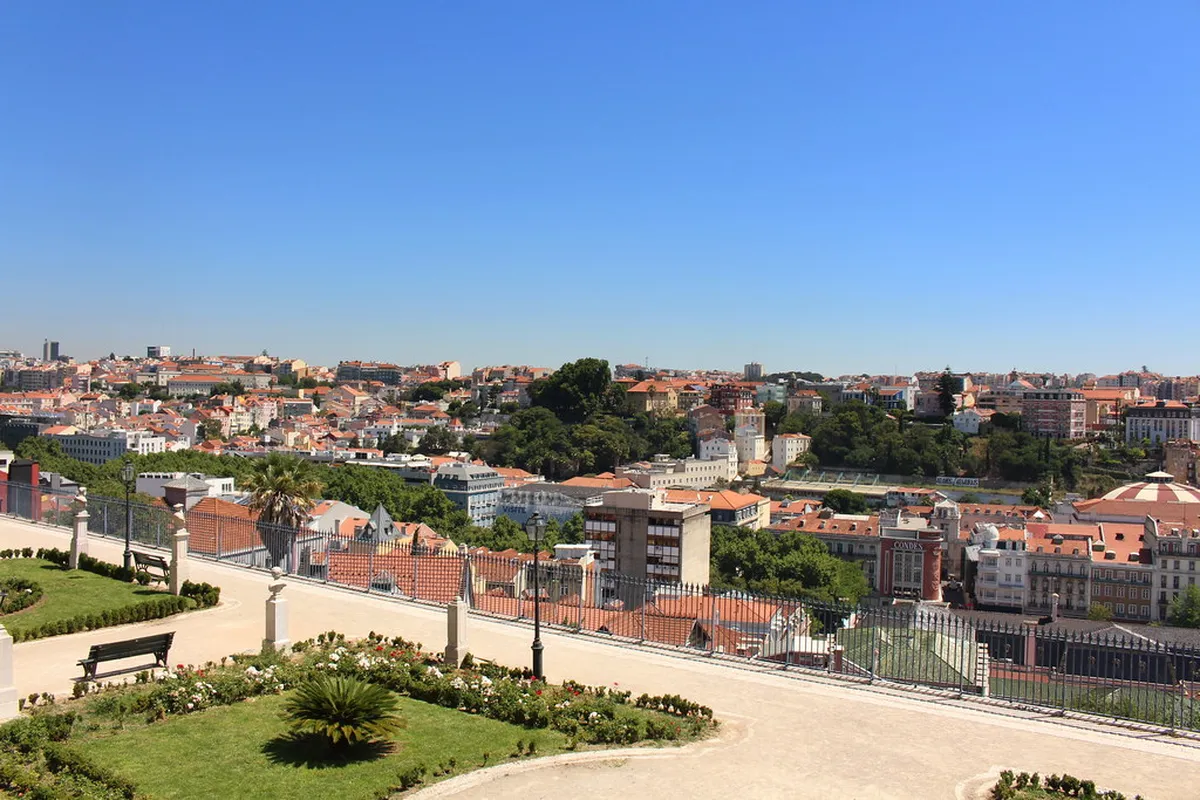
From there, walk toward Miradouro de São Pedro de Alcântara for the city view that made the hill desirable. The terrace looks across central Lisbon toward the castle and down toward the rebuilt lower city. It also helps visitors understand why Bairro Alto survived differently from riverfront neighborhoods.
The Glória Funicular, opened in 1885, is more than a photo stop. It shows how the upper district stayed connected to downtown despite steep terrain. Pair it with the Bica Funicular, opened in 1892 below the western edge, if you want to understand how daily movement shaped the hill.
- Visit São Roque early in the day if you want time with the chapels before group tours arrive.
- Use Miradouro de São Pedro de Alcântara for orientation before walking into the tighter residential streets.
- Ride the Glória Funicular uphill if the limestone pavement is wet, then walk down slowly through the grid.
- Compare Bairro Alto with the Alfama oldest neighborhood to see the difference between planned expansion and medieval urban fabric.
Architecture and the 'Attic Waters' Legacy
Bairro Alto's architecture is layered rather than uniform. Some buildings preserve pre-earthquake proportions, while others show later repairs, Pombaline influence, tiled facades, iron balconies, and altered upper floors. Look closely and you will see how residents kept adapting the same narrow plots instead of replacing the district wholesale.
The most distinctive detail is the águas-furtadas, often translated as attic waters or attic rooms under sloping roofs. After the 1755 earthquake and the population pressure that followed, these upper spaces became practical housing for people who could not afford larger apartments. Their small dormer windows still give many roofs a watchful, improvised character.
These attic rooms are a good reminder that the neighborhood's beauty is tied to housing pressure. The same architectural features that visitors photograph also record overcrowding, social descent, and survival. Bairro Alto became bohemian partly because its buildings could absorb people living, working, printing, singing, and drinking in close quarters.
The Role of the Printing Press and Newspapers
The printing press is the missing key to Bairro Alto's late-night culture. In the 19th century, newspaper offices and print shops clustered in the district, including the area remembered in the name Rua do Diário de Notícias. Typesetters, editors, reporters, messengers, and printers worked hours that ran deep into the night.
Those schedules created demand for taverns, eateries, lodging, and informal meeting rooms after ordinary businesses had closed. Journalists needed food and drink after deadlines. Politicians, artists, and gossip followed them, because newspapers made the neighborhood a place where information moved quickly.
This is why Bairro Alto's nightlife should not be read only as tourism. Its habit of staying awake came from labor, publication cycles, and the social life around the press. The bars of today inherit a rhythm created by ink, argument, deadlines, and late suppers.
From Brothels to Bars: A Careful Social Shift
Some histories of Bairro Alto mention prostitution as if it were colorful background, but it deserves more care than that. The district's older nightlife included women working in precarious conditions, men arriving after print shifts or theater nights, and landlords profiting from crowded rooms. This was part of the urban economy, not a quaint detail.
Over time, regulation, changing social norms, tourism, rising rents, and the conversion of old buildings altered that world. Many spaces that once served informal or marginal economies became bars, restaurants, guesthouses, galleries, or renovated apartments. The shift from brothels to bars was therefore not a simple upgrade, but a change in who could profit from the neighborhood's night.
Remembering that history makes modern Bairro Alto easier to understand. The quarter's energy has always depended on people pushed to the edges of respectable Lisbon as much as on poets and aristocrats. Its bohemian identity is strongest when that complexity stays visible.
Practical Tips for Exploring the Upper District
In 2026, the best way to see Bairro Alto is to split it into two visits. Come before 10:00 for architecture, viewpoints, tiled facades, and the quiet village-like atmosphere. Return after dinner if you want fado, taverns, or the bar scene, because the neighborhood's famous contrast only makes sense across the whole day.
Split your visit in two: arrive before 10:00 for architecture and quiet village atmosphere, then return after dinner around 22:00 for fado, taverns, and the bar scene. The neighborhood's famous contrast only reveals itself across the full day.
Wear shoes with grip, especially after rain, because the calçada pavement becomes slippery on the steeper streets. If mobility is a concern, take the Glória Funicular up and plan a mostly downhill route. The grid helps navigation, but the slopes are more tiring than they look on a phone map.
The calçada limestone pavement in Bairro Alto becomes dangerously slippery after rain. Wear shoes with grip, and if mobility is a concern, ride the Glória Funicular uphill and plan a mostly downhill walking route through the grid.
For nightlife, arrive around 22:00 if you want energy without the latest crowds, and expect the busiest streets to peak closer to midnight. Keep valuables close in packed lanes, avoid blocking residential doorways, and lower your voice when leaving bars. Bairro Alto is a nightlife district, but it is still a lived-in neighborhood.
If you are comparing Lisbon's old quarters, pair this walk with the remnants of old walls and the neighborhoods around Chiado and Cais do Sodré. Bairro Alto explains bohemian Lisbon best as part of a wider city: medieval edges, planned expansion, earthquake survival, literary cafes, printing presses, fado rooms, and modern bars.
Frequently Asked Questions
Why is Bairro Alto called the bohemian quarter?
Bairro Alto earned its bohemian reputation in the 19th century when artists, writers, and journalists moved into the area. The presence of newspaper headquarters created a demand for late-night taverns and creative meeting spaces. This culture of intellectual exchange and nightlife persists today as the neighborhood's primary identity.
How did Bairro Alto survive the 1755 earthquake?
The neighborhood survived the Great Lisbon Earthquake because it was built on a high, stable hill with solid bedrock. While the lower city of Baixa was destroyed by the tremors and subsequent tsunami, the upper district remained largely intact. This allowed it to preserve its original 16th-century street grid.
What are the must-see historical sites in Bairro Alto?
Key historical sites include the Church of São Roque, known for its opulent Baroque interior, and the Glória Funicular. Visitors should also explore the Miradouro de São Pedro de Alcântara for its panoramic views. The historic newspaper buildings and traditional Fado houses also offer deep cultural insights.
Is Bairro Alto safe to visit at night?
Bairro Alto is generally safe for visitors at night due to the high volume of people and police presence. However, travelers should be mindful of pickpockets in crowded streets and avoid poorly lit alleys away from the main bars. It is always wise to stay with a group when exploring nightlife.
What is the significance of Fado in Bairro Alto?
Fado is the soul of the neighborhood and has been performed in its taverns for nearly two centuries. It represents the Portuguese concept of saudade, reflecting the area's history of social struggle and poetic expression. Many historic Fado houses still offer nightly performances for those seeking authentic culture.
Bairro Alto remains a vital part of Lisbon's cultural identity by bridging the gap between history and modern life. From its 16th-century origins to its current status as a nightlife mecca, the district continues to evolve. Exploring these streets offers a unique glimpse into the poetic and resilient spirit of the Portuguese people. Whether you visit for the history or the music, this quarter will surely leave a lasting impression.