Lisbon holds deep secrets within its ancient stones and winding alleys. The moorish walls of lisbon history tell a story of conquest and cultural fusion. These fortifications once protected a thriving Islamic city known as Al-Ushbuna for centuries. Exploring these ruins today offers a unique glimpse into the city's medieval past.
Visitors in 2026 can still trace the path of the original defensive lines. Walking through the historic Alfama district reveals hidden sections of these massive structures. Understanding the architectural layers helps travelers appreciate the complex heritage of Portugal. Every stone tells a part of the story from the 8th to the 12th century.
Historical Background: The Arrival of the Moors in Lisbon
In 711 AD, Islamic forces crossed from North Africa into the Iberian Peninsula, sweeping through what are now Portugal and Spain with remarkable speed. Lisbon fell under Moorish control in 714 AD and was renamed Al-Ushbuna. The city quickly became a vital Atlantic port and a hub for trade between the Mediterranean world and northern Europe. This was not a conquest of a blank slate — the Moors built upon Roman and Visigoth foundations that had accumulated for centuries before them.
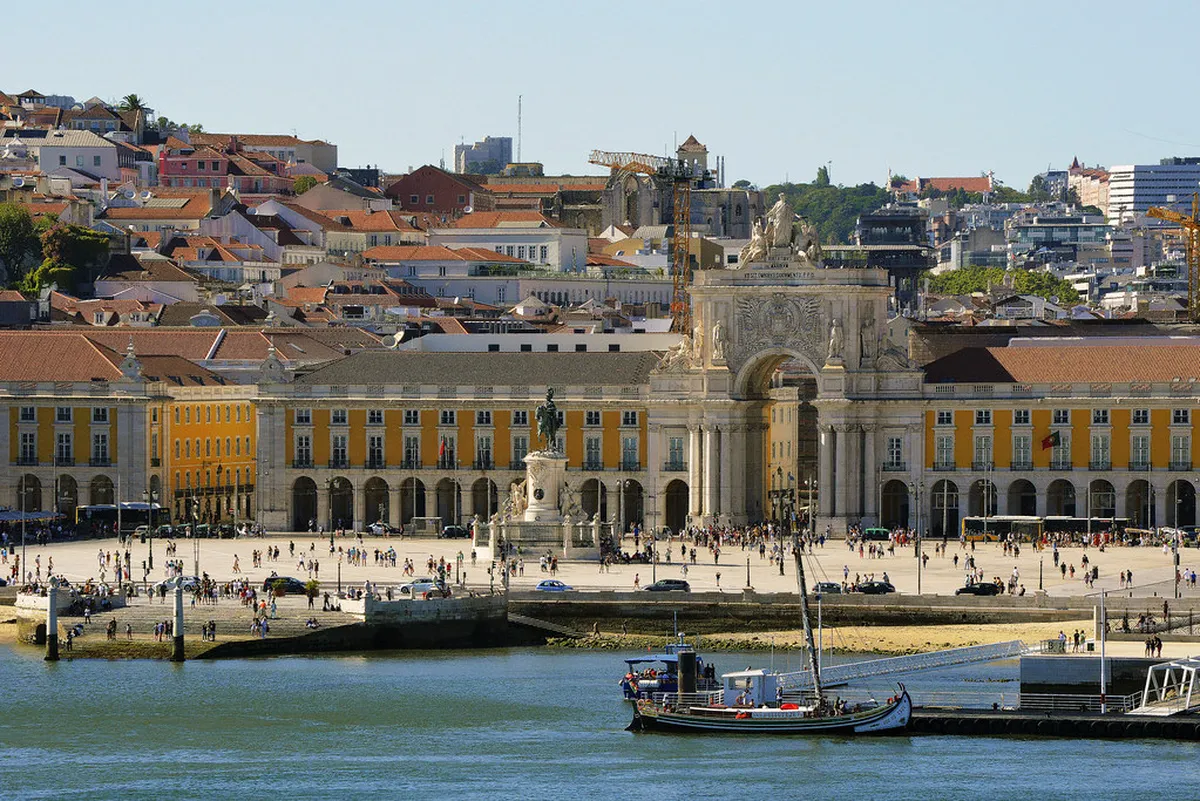
For over four hundred years, from 714 to 1147 AD, Al-Ushbuna flourished under Islamic governance. The population grew, markets expanded along the waterfront, and the hilltop citadel was fortified far beyond its previous state. Moorish administrators introduced sophisticated urban planning, separating residential quarters from commercial zones and ensuring reliable water supply through cisterns and channels. The city they shaped survives in the irregular street pattern still visible in Alfama today.
The Reconquista, the Christian campaign to retake the Iberian Peninsula, closed in on Lisbon over several decades. King Afonso Henriques, the first king of Portugal, besieged the city in 1147 with the help of Crusader forces passing through on their way to the Holy Land. The siege lasted roughly four months before the Moorish defenders surrendered. That date — 1147 — marks the end of Moorish rule in Lisbon but not the end of Moorish influence, which permeated architecture, language, and agriculture for centuries afterward.
The Cerca Velha: A Street-by-Street Guide to the Surviving Wall Segments
The Cerca Velha, or "Old Fence," was the primary defensive perimeter of Moorish Lisbon. It enclosed the upper hillside near the main castle and stretched for over 1,200 metres around the hilltop. Unlike the Roman walls it partly replaced, Moorish construction favoured limestone blocks laid in the tapia technique, with square towers projecting outward at regular intervals to allow archers to cover the base of the wall. These design choices made the Cerca Velha one of the most defensible urban fortifications on the Iberian Atlantic coast.
Finding surviving segments requires knowing exactly where to look. Rua do Chão da Feira is the single most rewarding street: it follows the inner face of the original wall line from the castle gate southward, and several courses of original masonry are still exposed at ground level between the house fronts. Continue along Rua de Santa Cruz do Castelo and you will reach the Largo do Contador-Mor, where a large tower base is embedded into the corner of a private building — easy to miss unless you look at the stonework above head height. Beco de Santa Helena, a short alley off Rua do Limoeiro, preserves a section of wall more than four metres high that is visible from the street without entering any private property.
The walls eventually gave way to a later 14th-century expansion — the Cerca Nova built under King Fernando — which pushed the city's defended perimeter downhill toward the waterfront. The Cerca Velha then became an interior wall absorbed into the urban fabric, which is precisely why fragments survived: they became party walls and foundations rather than targets for demolition. Today the Câmara Municipal de Lisboa marks many of these segments with small interpretive plaques. Comparing the masonry on either side of the castle hill shows clearly how Roman granite ashlar gives way to the coarser Moorish limestone courses at the transition points.
São Jorge Castle: A Fortress Perched Above the City
The Castelo de São Jorge stands as the most iconic remnant of Moorish Lisbon. It was built in the 8th century atop earlier 5th-century Visigoth structures, and for more than four hundred years it served as the residence of the Moorish governors and the ultimate refuge for the city's defenders. The castle's position — on the highest of Lisbon's seven hills — gives it commanding sightlines over the Tagus River estuary in every direction. That strategic logic is why the site has been fortified continuously for over a millennium.
Visitors today enter across a drawbridge over what was once a moat, passing through a sequence of courtyards, ramparts, and battlemented towers. Eleven towers still stand around the inner circuit, and a narrow parapet walk connects them. Archaeological excavations within the castle grounds have revealed domestic structures from the Islamic period, including evidence of the Moorish palatial complex that once occupied the central keep area. Ongoing digs continue to refine the picture of daily life inside the walls during the 8th to 12th centuries.
The castle was captured by King Afonso Henriques in 1147, and subsequent Christian kings modified the structure substantially. Despite those later changes, the Moorish core remains legible in the irregularity of the tower spacing and the orientation of the main gate. In 2026 adult entrance costs around €15, with reduced rates for EU citizens under 25 and over 65. Morning visits before 10:00 allow you to walk the ramparts without the crowds that typically peak between 11:00 and 15:00.
The Soul of Alfama: Finding Moorish Traces in Winding Streets
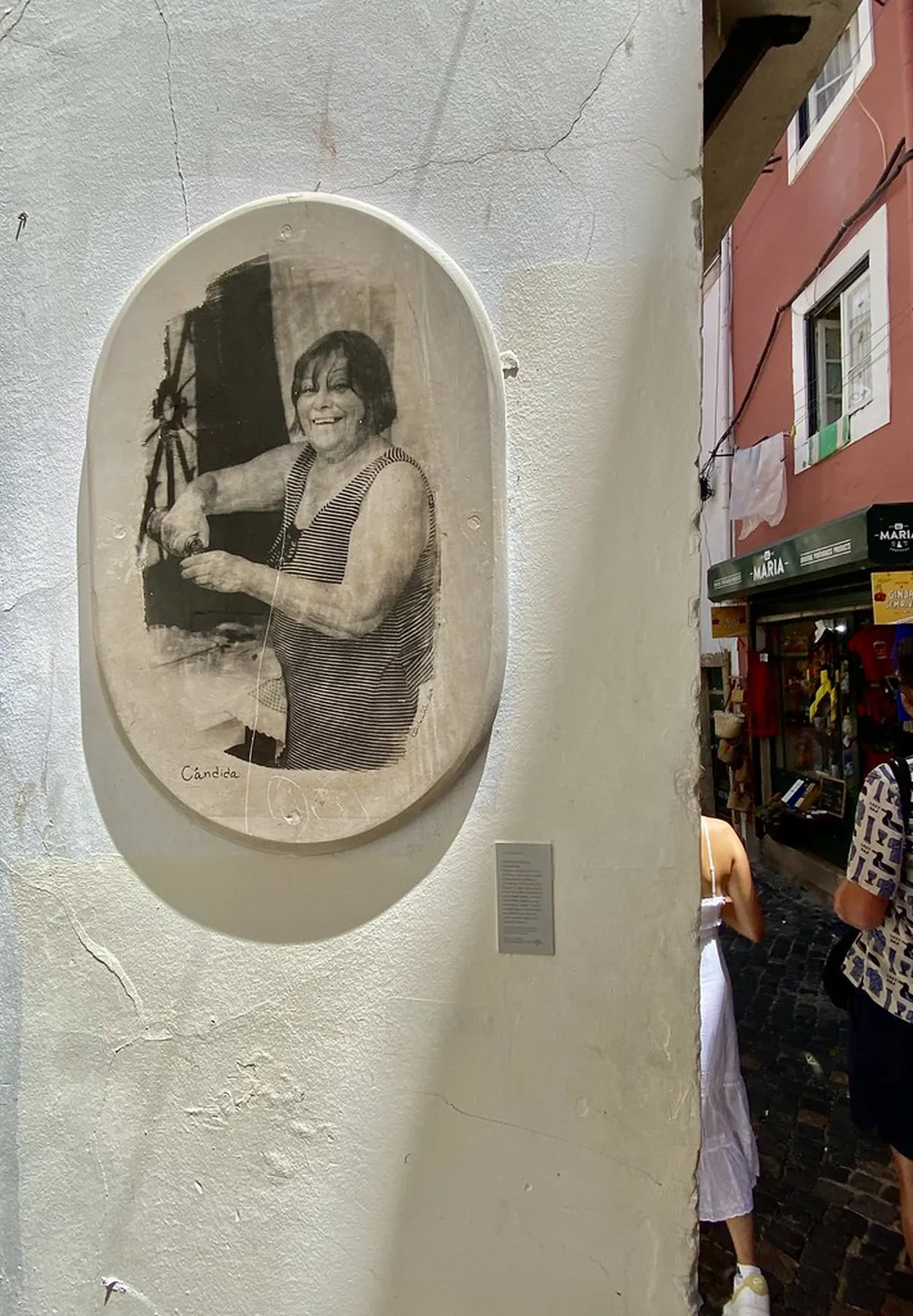
Alfama is the only district that largely survived the devastating earthquake of 1755. Its dense, labyrinthine layout is a direct legacy of the Moorish urban style. The bedrock beneath this neighbourhood provided the stability needed to endure the tremors. Exploring these streets feels like stepping back into a medieval Islamic medina, and that comparison is not merely atmospheric — the street pattern genuinely preserves the Moorish city plan.
The name Alfama itself derives from the Arabic al-hamma, meaning "hot springs" or "fountain," a reference to the thermal springs that once made this hillside especially desirable. The narrow alleys and sudden dead ends were not accidental: they were designed to slow cavalry and funnel attackers into defensible chokepoints. These tight spaces also provided shade during the hot Lisbon summers, a practical benefit that generations of residents have continued to enjoy. Many houses are still built directly against the old city wall, creating a living museum where history and daily life intersect without any barrier between them.
The area around St. Rafael Alley and Barrelas Alley, just off Rua de São João da Praça, also preserves a trace of the city's layered past that few visitors investigate. This pocket of streets is where the only surviving Jewish quarter in Alfama was located — one of four Jewish districts that once existed in Lisbon before the forced expulsions of the late 15th century. The combination of Moorish wall fabric and the adjacent Jewish quarter remnants in this small area illustrates how Al-Ushbuna was a genuinely multiethnic city long before the Christian kingdoms imposed greater religious uniformity. The 1755 earthquake left this corner almost untouched, which is why it remains legible today.
The Lisbon Sé Cathedral: Where Every Layer of the City Converges
Most visitors who want to understand Moorish Lisbon stop at the castle, but the cloisters of the Lisbon Sé Cathedral offer something no other site in the city provides: a compressed cross-section of 2,600 years of occupation in a single small excavation. The cathedral itself was begun in 1150, just three years after the Reconquista, and was built atop what was reputedly a mosque — the architectural message of Christian reconquest made permanent in stone.
What makes the Sé extraordinary is the ongoing archaeological excavation in its Gothic cloisters, which has revealed sequential layers of habitation one below the other. Iron Age settlement from around 600 BC sits at the base. Above it lie Roman cobblestone streets, then Visigoth walls, then a Moorish courtyard with fragments of pink-and-white plaster still adhering to the walls. Medieval stonework caps the sequence. No other site in Lisbon puts all these periods in direct visual relationship with each other.
The excavation area is accessible during normal cathedral visiting hours and the interpretive panels are clear enough to follow without a guide. Entry to the cloisters costs around €2.50 separately from the cathedral nave. Spending 20 to 30 minutes here before heading up to the castle grounds gives the Moorish walls their proper historical context: they were not the beginning of Lisbon's story but one chapter in a much longer urban sequence. This perspective — missing from every competitor account of the Moorish walls — changes how the stones feel when you finally stand in front of them.
Architectural Influence: From Moorish Walls to Manueline Windows
Moorish aesthetics continued to influence Portuguese builders long after the Reconquista. This fusion created the unique Manueline style seen in many historic buildings. One visible example stands in the Alfama: the Palace of the Lady of Murça, whose Manueline windows sit directly atop a surviving section of the Old Wall. The juxtaposition is deliberate — the 16th-century palace used the medieval wall as its foundation, and the windows named after King Manuel I crown a structure that is literally rooted in Moorish engineering. Walking through the Mouraria quarter reveals many more such layered transitions.
The use of decorative tiles, known as azulejos, also has deep Moorish roots. These colourful ceramics originally featured geometric designs to comply with Islamic artistic traditions, which discouraged figurative representation. Later Portuguese versions introduced figurative scenes while keeping the vibrant colour palette. The National Tile Museum (Museu Nacional do Azulejo) in Lisbon holds a 115-foot-long mural depicting the city as it looked in 1738, seventeen years before the earthquake — a rare image of pre-disaster Lisbon that includes the Alfama hillside and the castle walls.
Horseshoe arches and interior courtyard layouts are other structural borrowings from the Moorish building tradition. They helped manage light and airflow in the dense urban fabric of a city that gets genuinely hot in July and August. Even the preference for white-washed lime render on house facades reflects a heat-management strategy that the Moors refined over centuries of building in North African and Iberian climates. These choices did not disappear after 1147 — they became the foundation of Portuguese vernacular architecture.
The Legacy of the Moors: Science, Agriculture, and Language
The Moorish occupation brought significant advancements in science and mathematics to the region. Sophisticated irrigation systems revolutionised local agriculture, enabling cultivation of crops including citrus, rice, figs, and almonds that now define Portuguese cuisine. The Portuguese words for these products — laranja (orange), arroz (rice), figo (fig), amendoa (almond) — all trace directly to Arabic. Roughly 900 Portuguese words in everyday use today derive from Arabic, a linguistic residue that four centuries of rule left permanently embedded in the language.
Navigational instruments developed or refined by Islamic scholars later aided Portuguese explorers during the Age of Discovery in the 15th and 16th centuries. Astronomical tables, astrolabes, and detailed cartographic methods that had circulated through Moorish Iberia reached Lisbon's maritime school and helped make the city a global port. The intellectual foundation the Moors built was not erased by the Reconquista — it was inherited and deployed by the very kingdom that expelled them.
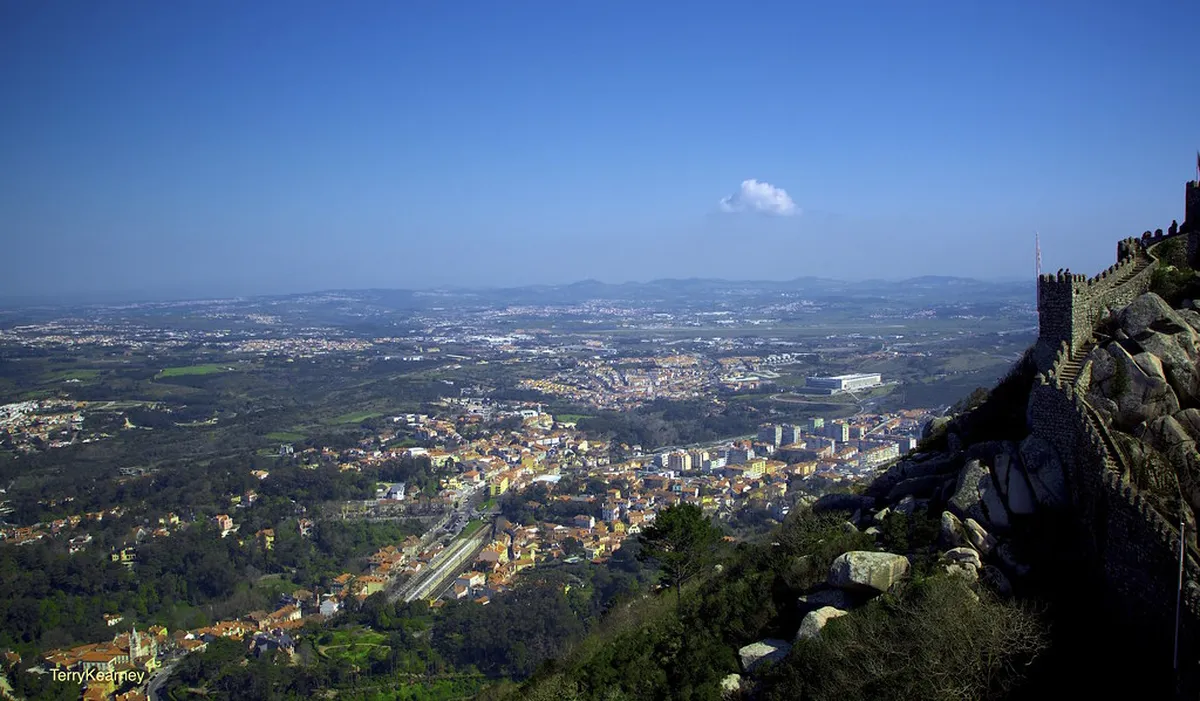
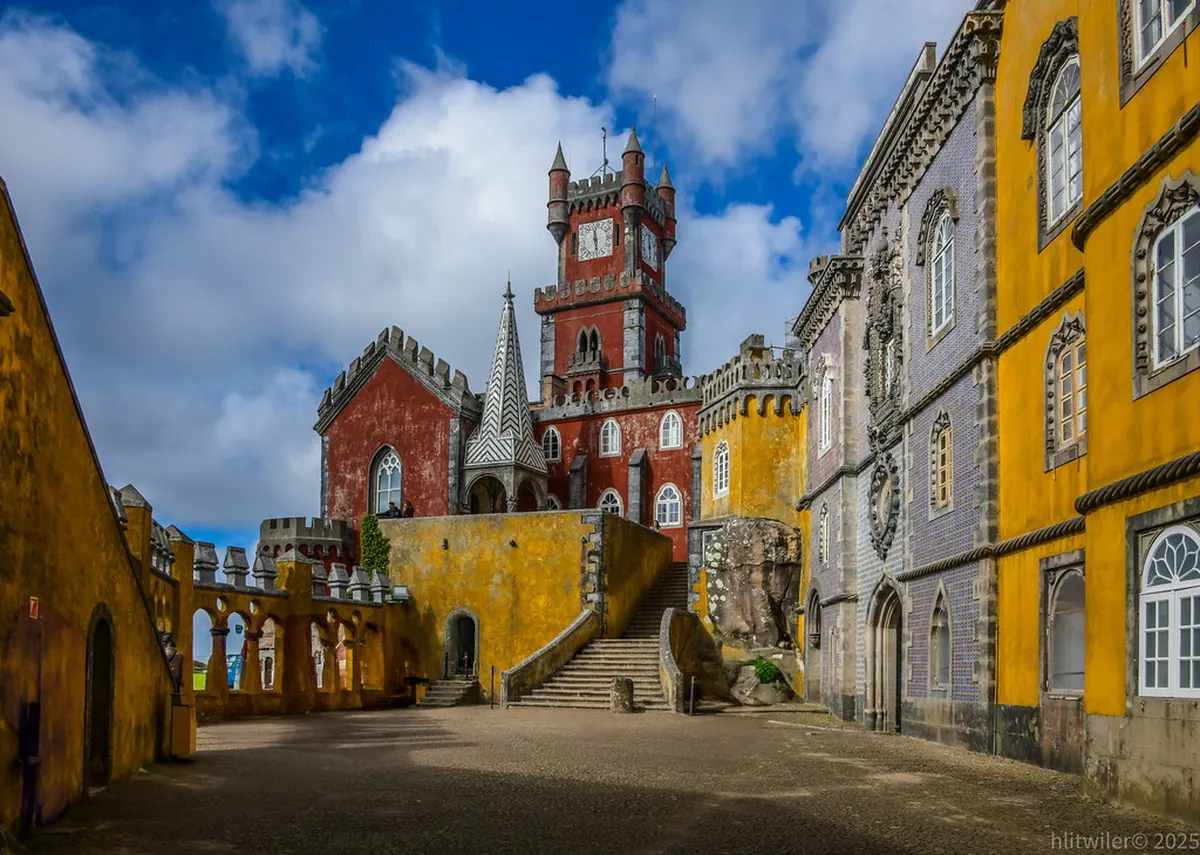
Similar defensive structures can be seen in nearby Sintra, where the Castelo dos Mouros occupies a ridge above the town with the same commanding logic as São Jorge. Comparing the Lisbon walls with the Sintra castle provides a broader view of regional Moorish defence strategy: both sites control the high ground over river approaches, both were ultimately taken by Afonso Henriques in 1147, and both now offer free or low-cost entry to walk the ramparts. Sintra's castle is free to enter with a Sintra municipal ticket, making it an efficient day-trip complement to the Lisbon sites.
Planning Your Visit: How to See Lisbon's Moorish History
The most efficient route starts at the Sé Cathedral cloisters (open from 10:00, closed Sundays for the cloister excavation area), then walks uphill through Rua do Chão da Feira to the castle gate. Allow 20 minutes for the Sé cloisters, 90 minutes inside the castle, and another 60 minutes walking the Cerca Velha fragments along Rua de Santa Cruz do Castelo and Beco de Santa Helena. The entire circuit covers roughly two kilometres of steep cobblestone terrain, so wear flat shoes with grip.
São Jorge Castle is open daily from 09:00 to 21:00 in summer and 09:00 to 18:00 in winter (hours occasionally shift for special events — confirm on the official Egeac website before your visit). Adult tickets cost around €15 in 2026. Tram 28 and Bus 737 both stop near the castle entrance, though the tram is frequently crowded; Bus 737 from Praça da Figueira is faster and less packed. The Cerca Velha walking route is entirely free and accessible at any hour.
Consider hiring a local guide to find the more obscure wall fragments — many are located in quiet residential courtyards that are easy to miss. You can also use the oldest neighbourhoods of Lisbon guide to see the full historical context of these sites within their urban setting. For photography, the best light on the eastern-facing walls of the Alfama falls between 07:00 and 09:00, before the stone bleaches out in the midday glare. Early morning also means almost no foot traffic in the narrow streets, which makes a significant difference when you are trying to photograph sections of wall that are integrated into working residential alleyways.
Frequently Asked Questions
Where can I see the Moorish walls in Lisbon?
The most visible sections of the Moorish walls are located in the Alfama district and around the Castelo de São Jorge. You can find fragments integrated into the oldest neighborhoods near the castle ramparts. Look for the Cerca Velha markers throughout the historic hilltop streets.
When were the Moorish walls of Lisbon built?
The primary fortifications were constructed between the 8th and 11th centuries during the Islamic rule of the city. These walls were built over earlier Roman foundations to enhance the city's defense. They remained the main defensive line until the 14th-century expansion of the city perimeter.
Is São Jorge Castle the same as the Moorish Castle?
Yes, the current São Jorge Castle was built on the foundations of a Moorish royal residence and fortress. While Christian kings later modified the structure, its strategic layout and core masonry are distinctly Moorish. It served as the central citadel for the Islamic governors of Al-Ushbuna.
Why did the Moorish walls survive the 1755 earthquake?
The Moorish walls and the Alfama district survived because they were built on solid limestone bedrock. This geological foundation absorbed the seismic shocks better than the alluvial soil of the lower city. The density of the stone construction also contributed to the structural resilience of the fortifications.
The moorish walls of lisbon history offer a fascinating journey through time. These ancient stones remind us of the city's diverse and resilient heritage. Exploring the fortifications — from the Sé Cathedral cloisters to the castle ramparts to the residential alleys of Alfama — provides a deeper understanding of Portugal's national identity. Make sure to include these historic sites in your next Lisbon itinerary.
For the wider context, see our Lisbon oldest neighborhoods historical guide.
For related Lisbon old-quarter deep-dives, see our Castelo de São Jorge — Medieval History and Alfama: Lisbon's Oldest Neighborhood guides.