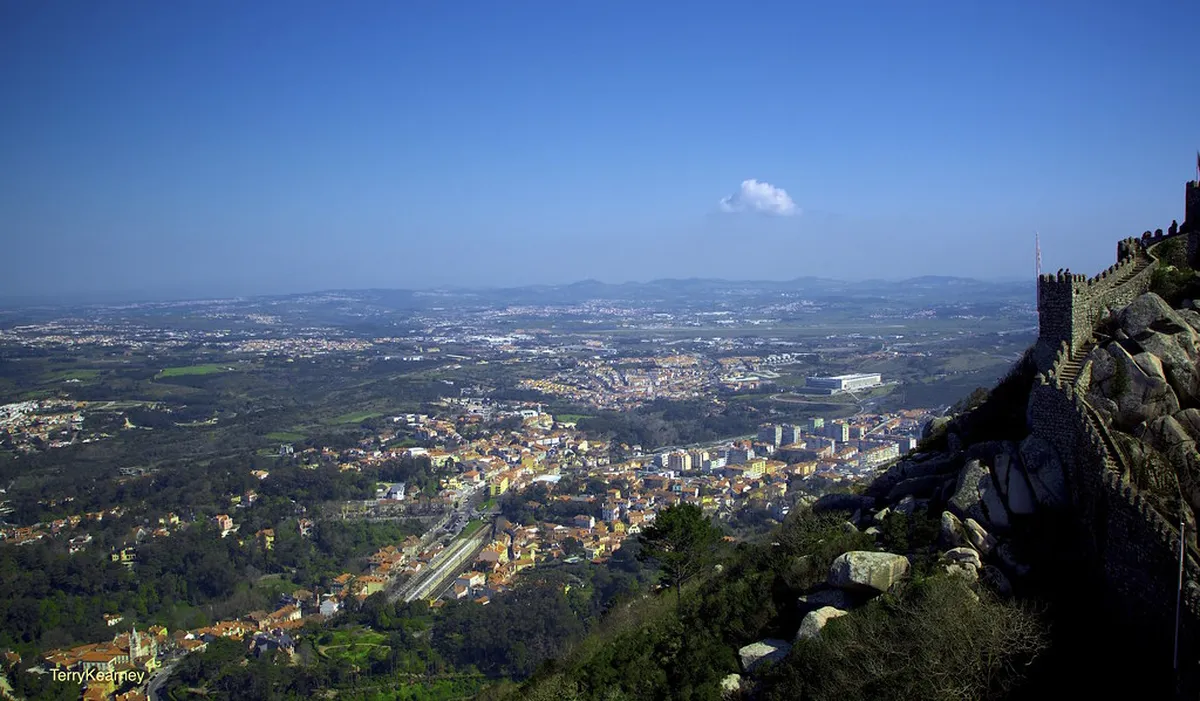
Castelo de São Jorge's medieval history is not a single origin story. The hill above Alfama moved from Iron Age settlement to Islamic fortified city, royal palace, military base, ruin, and reconstructed monument.
Reading it alongside these Lisbon oldest neighborhoods facts places the fortress within the districts below its walls. In 2026, the key is separating medieval fabric from later restoration.
Castelo de São Jorge Medieval Timeline
The castle's decisive medieval phases run from Islamic Lisbon to the Portuguese royal court. This timeline keeps the main eras in order.
- 7th-6th century BC: Iron Age communities occupy the hill.
- 985 AD: An Almanzor-era inscription calls Lisbon a madina, or walled city.
- Mid-11th century: The Muslim fortress and kasbah shape the noble quarter.
- 25 October 1147: Afonso Henriques captures Lisbon.
- 1255-16th century: The castle becomes a palace and court center.
- 1371-14th century: The Anglo-Portuguese alliance explains Saint George.
- 1755: The earthquake damages the palace.
- 1939-1940s: Restoration revives a medieval fortress image.
| Era | Approximate Date | Key Development |
|---|---|---|
| Iron Age & Pre-Roman | 7th–6th century BC | Hilltop settlement and lookout over the Tagus River |
| Islamic Madina | 8th century–985 AD | Almanzor inscription; Lisbon fortified as a walled city |
| Moorish Kasbah | Mid-11th century | Fortified elite quarter and governor's residence built |
| Christian Conquest | 25 October 1147 | Afonso Henriques captures Lisbon with crusader help |
| Royal Palace Period | 1255–16th century | Capital established; castle hosts court and Torre do Tombo archive |
| Anglo-Portuguese Alliance | 1371 (Treaty of Windsor 1386) | Castle dedicated to Saint George; name fixed to the citadel |
| Earthquake Decline | 1755 | Palace damaged; military use dominates; court relocates |
| 20th-Century Restoration | 1939–1940s | Re-medievalization project shapes the monument visitors see today |
Iron Age and Roman Foundations of the Hill
Long before the castle walls rose, the hill worked as a defended lookout over the Tagus River. Archaeology points to occupation from at least the 7th or 6th century BC.
The Roman and post-Roman layers are harder to read than the later medieval fabric. The official history says the layout of those early structures remains uncertain.
The archaeological area keeps the castle from becoming only a postcard fortress. Its foundations and domestic traces connect the hill to the wider story of Alfama district below it.
The Moorish Era: Building the 11th-Century Kasbah
The Islamic phase is central to São Jorge Castle. From the 8th century onward, Lisbon developed under Muslim rule, and by the 10th century it was a fortified madina.
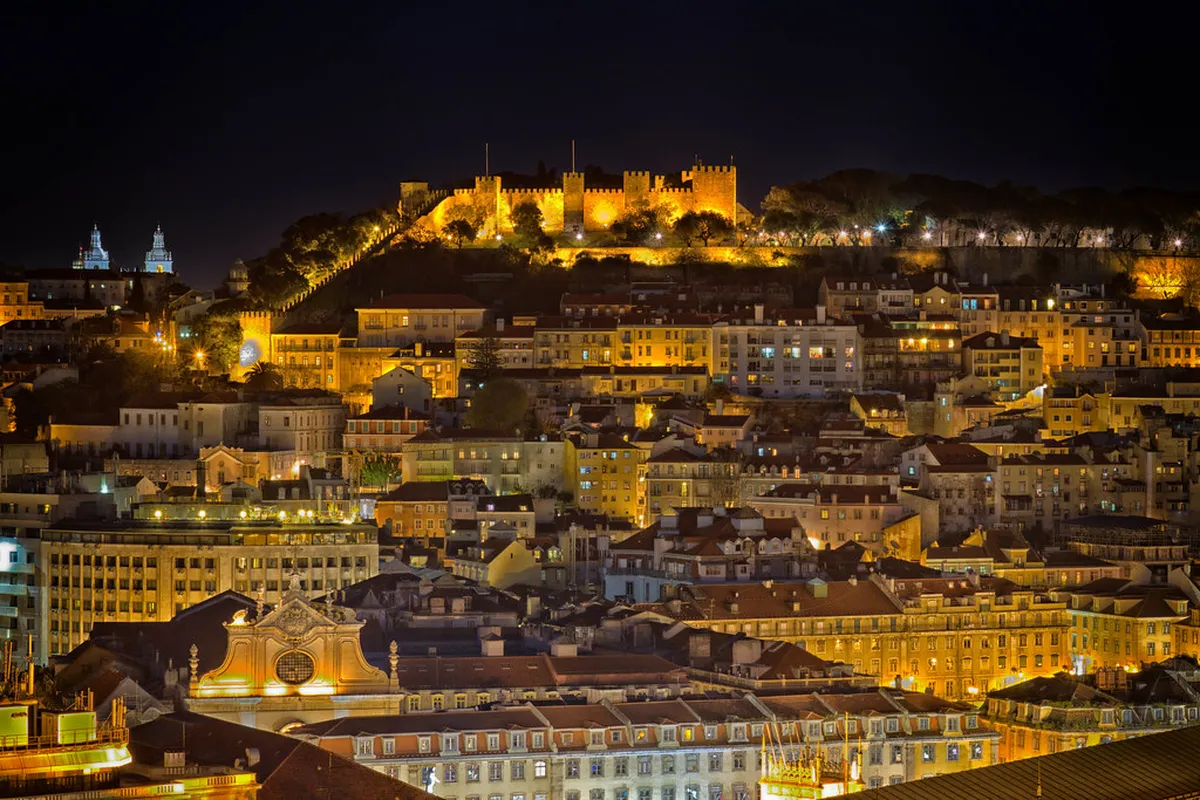
A key detail is the 985 AD inscription associated with Almanzor, which records work on Lisbon's walls during the Umayyad period. The Official Castelo de São Jorge History shows those defenses predated the later Gothic castle.
A kasbah was a fortified elite quarter, not just a castle. It protected the governor, administrators, and high-status residences at the top of the city.
The 1147 Siege and the Birth of the Portuguese Kingdom
The turning point came on 25 October 1147, when Afonso Henriques captured Lisbon with crusader help. The siege moved the city from Muslim rule into the Christian kingdom that became Portugal.
For the castle, conquest changed both function and symbolism. The former Islamic stronghold became a royal and military anchor for a kingdom looking toward Lisbon as a capital.
Lisbon's Muslim population did not vanish from the urban story. A separate quarter developed in the Mouraria neighborhood, preserving memory of a community displaced from power but still tied to the city.
Life in the Royal Palace: The Medieval Court (13th-16th Century)
Once Lisbon became the capital in 1255, the castle's role expanded beyond defense. The hilltop citadel included the royal palace, elite residences, service buildings, and spaces for administration.
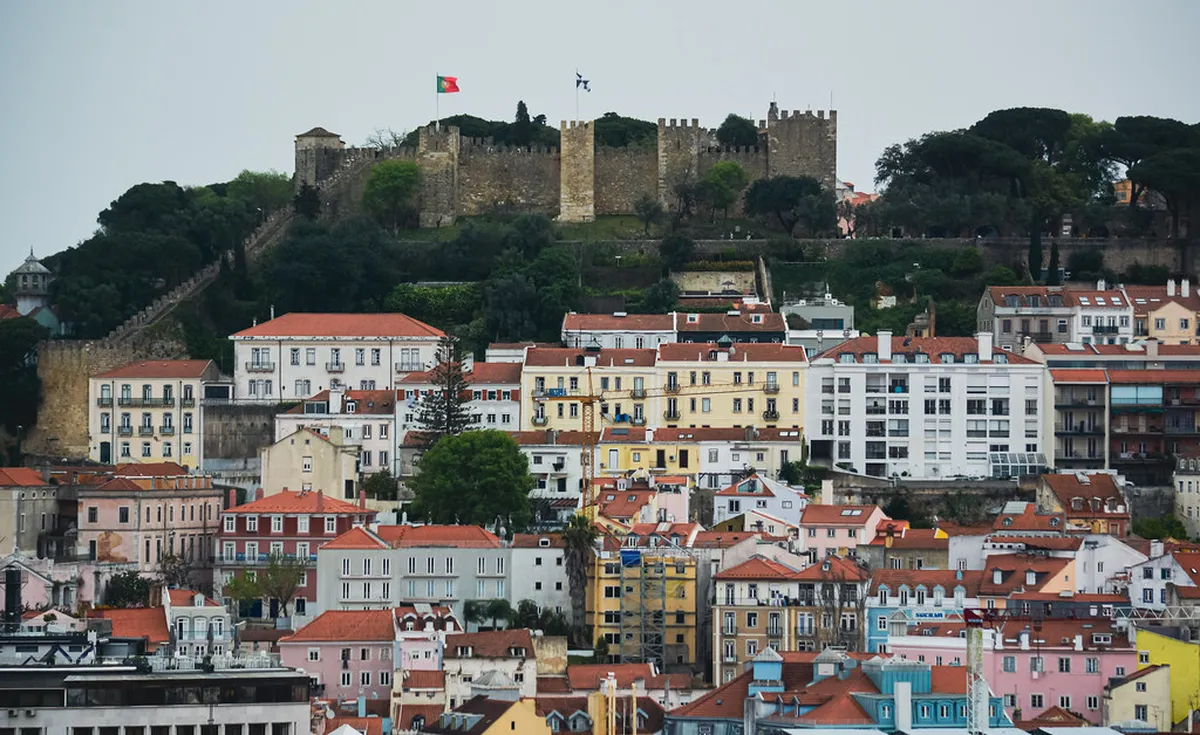
King Dinis I is important because his reign is tied to documented work at the castle and palace. The site hosted residence, receptions, banquets, acclamations, and medieval government.
The Torre do Tombo, Portugal's royal archive, was kept here before later moves in the 16th century. That made the castle a keeper of charters, treaties, correspondence, and legal memory.
The archaeological area inside the castle walls lets you walk over the excavated remains of the 11th-century Islamic residential quarter. Set aside at least 30 extra minutes beyond the main towers if you want to explore this layer of the hill's history.
The 1371 Anglo-Portuguese Pact and the Naming of Saint George
The castle's present name comes from late medieval diplomacy. King João I dedicated the fortress to Saint George, a patron saint associated with England, as a gesture toward the Anglo-Portuguese alliance.
The 1371 pact, later reinforced by the Treaty of Windsor in 1386, linked Portugal and England through military and dynastic cooperation. Naming the castle for Saint George made the fortress a sign of alignment.
According to History Hit - St George's Castle Profile, the dedication fixed the saint's name to Lisbon's citadel.
Medieval Defensive Architecture: Towers, Barbicans, and the Elbow Gate
The castle visible today is best understood as a Gothic military structure layered over earlier Islamic defenses. Its plan, turrets, moat, and barbican slowed attackers and exposed them under fire.
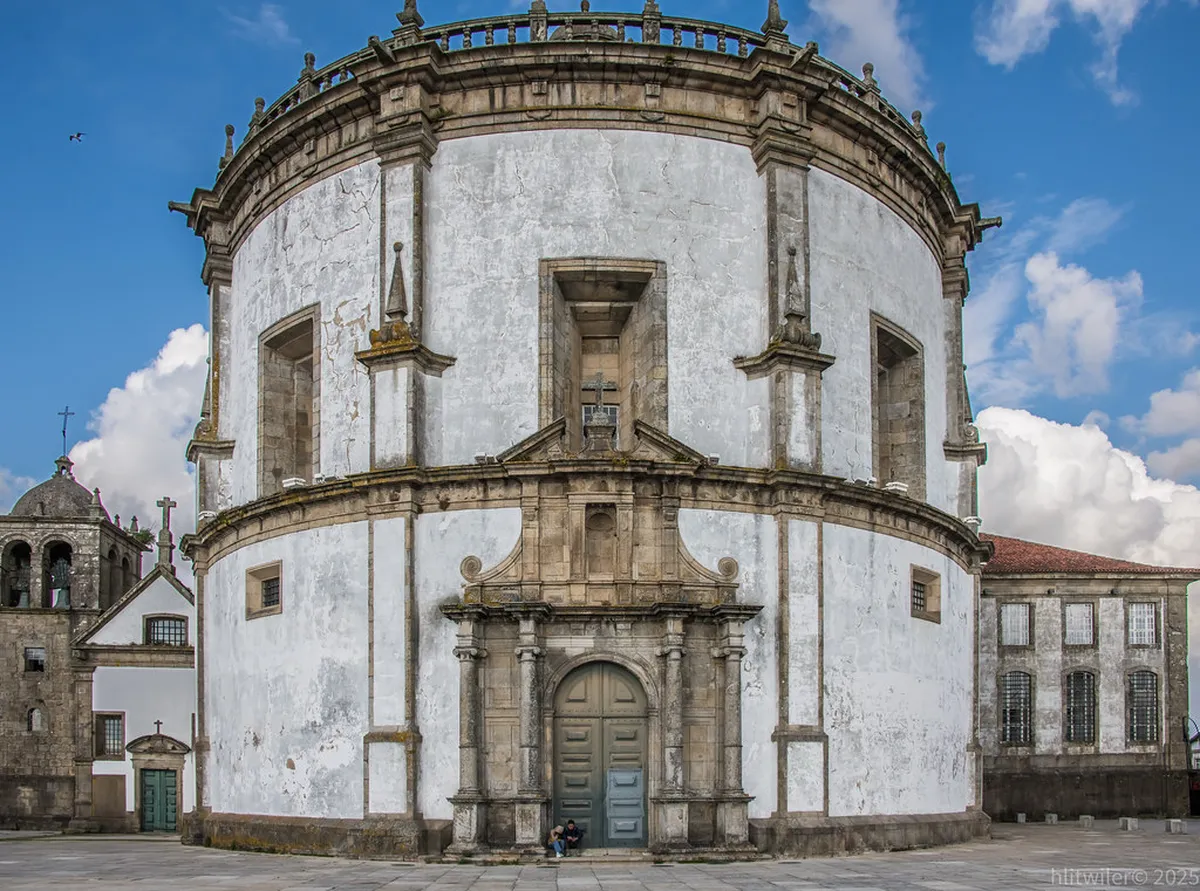
The elbow-shaped gateway is the detail to notice. Instead of allowing a straight charge, the angled entrance forced attackers to pivot while defenders struck from above and the sides.
A barbican is an outer defense placed before a vulnerable gate. Albarrana towers project from the wall line, widening angles of fire and helping protect the southeastern approach.
These features connect the castle to the wider Moorish walls of Lisbon, even though the present castle includes major Gothic work. Each phase reused the hill's defensive logic.
The Impact of the 1755 Earthquake on the Citadel
The castle had already lost status after the court shifted toward the Ribeira Palace in the 16th century. The 1755 earthquake deepened the decline by damaging the palace complex.
The same shock reshaped the lower city, where the 1755 earthquake impact led to a new urban plan. On the hill, military uses became dominant.
Rebuilding focused on the Baixa Pombaline rebuild rather than restoring the old palace. By the 18th and 19th centuries, the castle was more barracks than medieval residence.
The 20th-Century 'Re-Medievalization' Restoration Project
The castle visitors see in 2026 is partly medieval and partly a 20th-century interpretation of the Middle Ages. Restoration in 1939-1940 and later removed military buildings and emphasized an idealized fortress profile.
This re-medievalization made the monument clearer as a national symbol, but it reduced some post-medieval layers. The practical clue is function: moat, barbican, elbow gate, and tower positions explain defense, while tidy gardens reveal restoration choices.
Castelo de São Jorge is not a perfectly preserved 11th-century fortress. It is a restored archive of Islamic urbanism, Gothic royal power, earthquake damage, and modern nationalism.
Much of what visitors see — the tidy battlements, cleared courtyards, and the idealized tower profile — was shaped by the 1939-1940s restoration project, not original medieval construction. Treat the architectural details as a mix of genuine medieval fabric and 20th-century interpretation rather than an untouched medieval fortress.
Frequently Asked Questions
When was Castelo de São Jorge first built?
The current stone fortress was primarily built by the Moors in the 11th century. However, the site has been occupied since the Iron Age. Roman and Visigothic structures also existed on the hill before the Islamic era.
Why is the castle named after Saint George?
King John I named the castle after Saint George in the 14th century. This was done to celebrate the Anglo-Portuguese alliance. Saint George is the patron saint of both England and Portugal.
Can you see Moorish ruins at the castle today?
Yes, visitors can explore the archaeological site which contains remains of an 11th-century Islamic residential quarter. The main castle walls also retain their original Moorish layout and defensive design.
How did the 1755 earthquake affect the castle?
The earthquake destroyed the Royal Palace and many defensive towers. It led to the castle's decline as a royal residence. You can find more history near Chiado historic cafes in the lower city.
Castelo de São Jorge's medieval history is Lisbon changing rulers and functions on the same hill. Its strongest phases are Islamic Lisbon, the 1147 conquest, palace period, and Gothic military architecture.
The castle is most rewarding as layers. Its walls preserve Lisbon's medieval memory.
For the wider context, see our Lisbon oldest neighborhoods historical guide.
For related Lisbon old-quarter deep-dives, see our Moorish Walls of Lisbon and Alfama: Lisbon's Oldest Neighborhood guides.